Moor Helen, Hylander Kristoffer, Norberg Jon
Stockholm Resilience Centre, Stockholm University, 106 91, Stockholm, Sweden,
Ambio. 2015 Jan;44 Suppl 1(Suppl 1):S113-26. doi: 10.1007/s13280-014-0593-9.
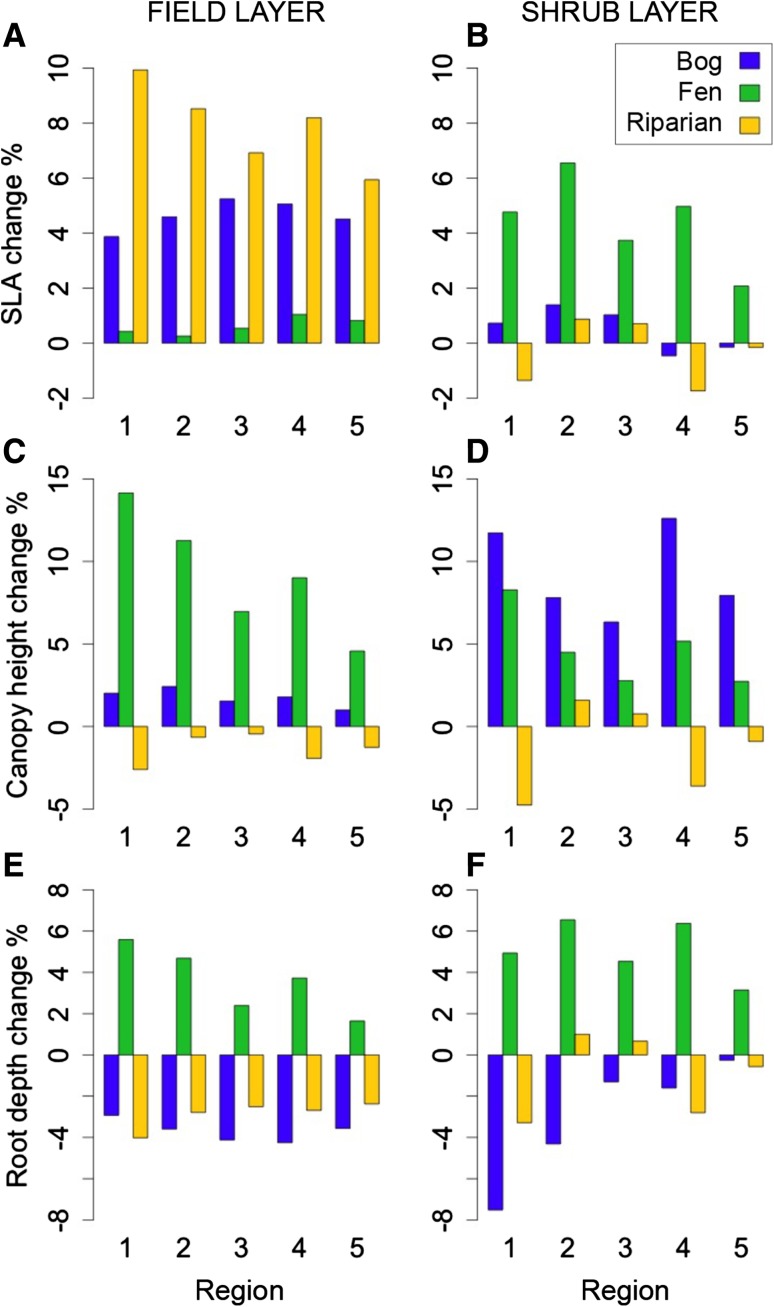
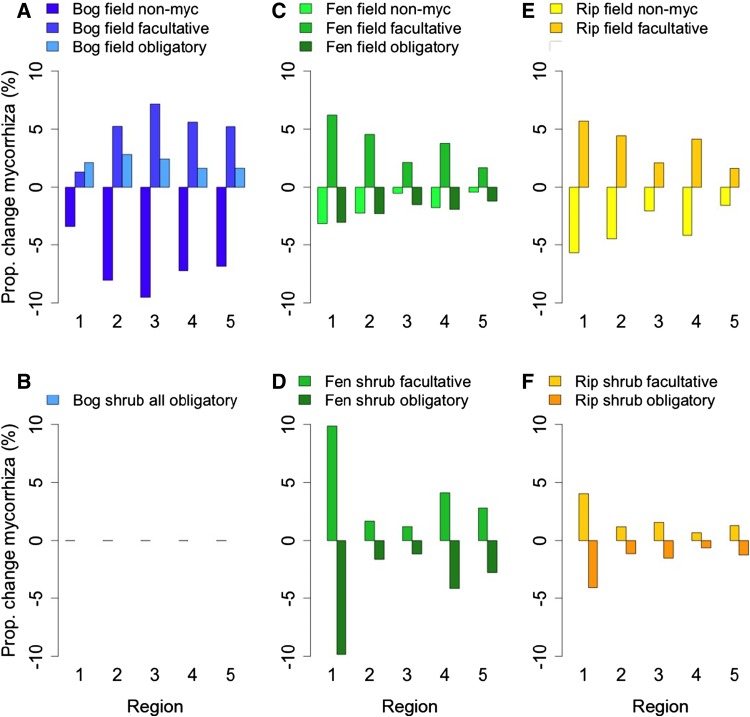
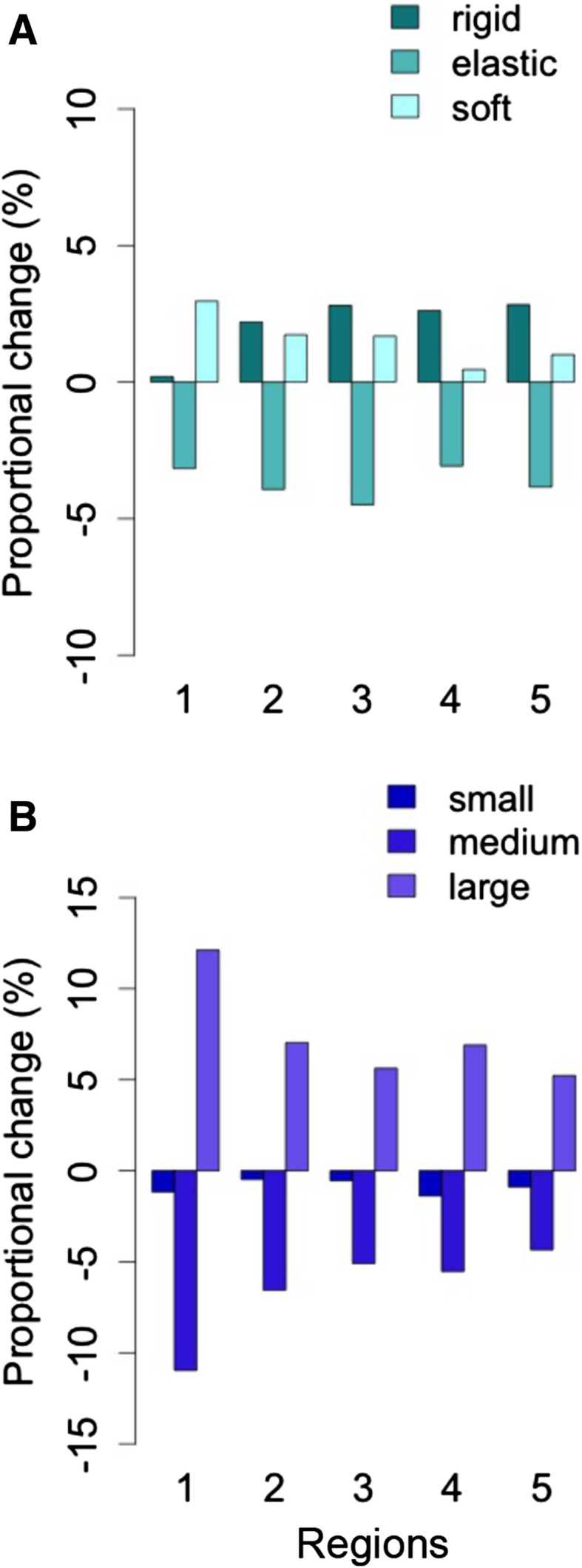
Wetlands provide multiple ecosystem services, the sustainable use of which requires knowledge of the underlying ecological mechanisms. Functional traits, particularly the community-weighted mean trait (CWMT), provide a strong link between species communities and ecosystem functioning. We here combine species distribution modeling and plant functional traits to estimate the direction of change of ecosystem processes under climate change. We model changes in CWMT values for traits relevant to three key services, focusing on the regional species pool in the Norrström area (central Sweden) and three main wetland types. Our method predicts proportional shifts toward faster growing, more productive and taller species, which tend to increase CWMT values of specific leaf area and canopy height, whereas changes in root depth vary. The predicted changes in CWMT values suggest a potential increase in flood attenuation services, a potential increase in short (but not long)-term nutrient retention, and ambiguous outcomes for carbon sequestration.
湿地提供多种生态系统服务,其可持续利用需要了解潜在的生态机制。功能性状,特别是群落加权平均性状(CWMT),在物种群落与生态系统功能之间建立了紧密联系。我们在此结合物种分布模型和植物功能性状,以估计气候变化下生态系统过程的变化方向。我们针对与三项关键服务相关的性状,模拟CWMT值的变化,重点关注瑞典中部诺尔斯特伦地区的区域物种库和三种主要湿地类型。我们的方法预测,物种将按比例向生长更快、生产力更高和更高的物种转变,这往往会增加比叶面积和冠层高度的CWMT值,而根深度的变化则有所不同。CWMT值的预测变化表明,洪水调蓄服务可能增加,短期(而非长期)养分保留可能增加,而碳固存的结果则不明确。