Zhao Jing, Huang Yibing, Liu Dong, Chen Yuxin
Key Laboratory for Molecular Enzymology and Engineering of the Ministry of Education, Jilin University, Changchun, China.
School of Life Sciences, Jilin University, Changchun, China.
Oncotarget. 2015 Jan 30;6(3):1769-78. doi: 10.18632/oncotarget.2754.
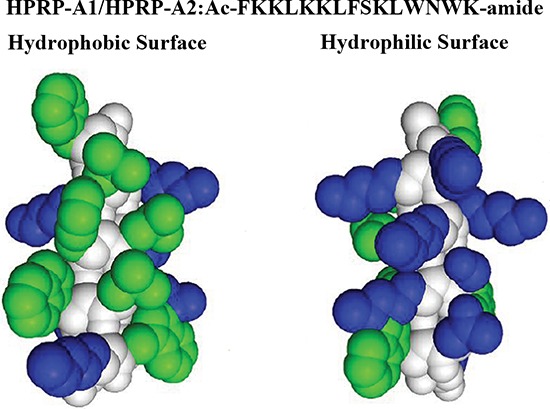
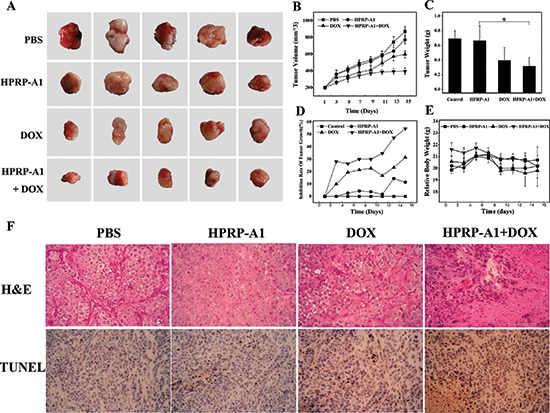
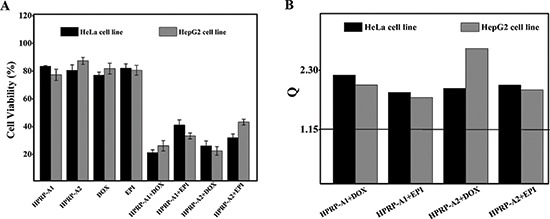
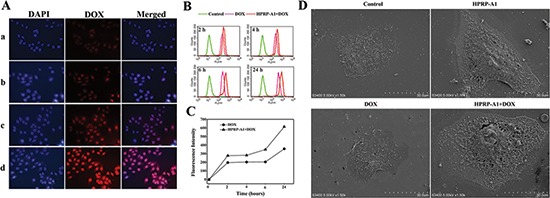
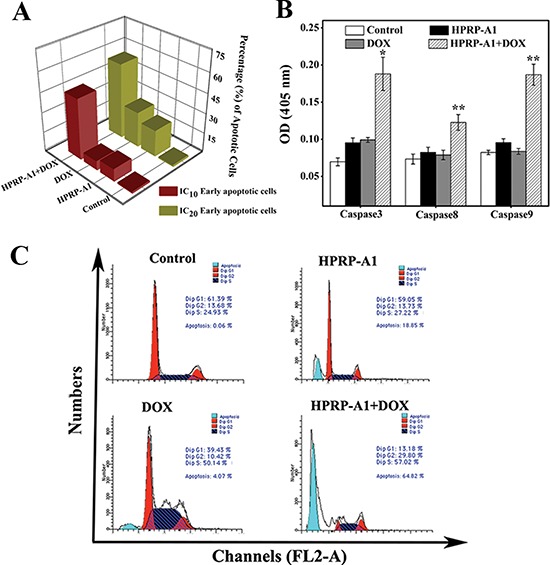
This study explored combinational anticancer therapy using α-helical peptides HPRP-A1/HPRP-A2 with the chemical drugs doxorubicin (DOX) and epirubicin (EPI). The in vitro activity of these drugs against different cancer cell lines was synergistically increased, as was their activity in a HeLa xenograft model in BALB/c nude mice. We delineated the mechanism of this synergy by studying the apoptosis pathway and morphologic changes in the HeLa cell membrane. The mechanism of the HPRP-A1/DOX combination was found to involve enhanced apoptosis, which seemed to be caspase-dependent and involved both the extrinsic and intrinsic parts of the caspase cascade in HeLa cells. Combined application of HPRP-A1 and DOX at low concentrations was significantly more effective than either drug alone against HeLa tumors in the mouse xenograft model. This type of combination therapy appears to have great clinical potential.
本研究探索了使用α-螺旋肽HPRP-A1/HPRP-A2与化学药物阿霉素(DOX)和表柔比星(EPI)进行联合抗癌治疗。这些药物对不同癌细胞系的体外活性协同增强,在BALB/c裸鼠的HeLa异种移植模型中的活性也是如此。我们通过研究HeLa细胞膜中的凋亡途径和形态变化来阐明这种协同作用的机制。发现HPRP-A1/DOX组合的机制涉及增强的凋亡,这似乎是半胱天冬酶依赖性的,并且涉及HeLa细胞中半胱天冬酶级联反应的外在和内在部分。在小鼠异种移植模型中,低浓度的HPRP-A1和DOX联合应用对HeLa肿瘤的疗效明显优于单独使用任何一种药物。这种联合治疗似乎具有巨大的临床潜力。