Min Ting, Wang Miao-Miao, Wang Hongxun, Liu Xiaofen, Fang Fang, Grierson Donald, Yin Xue-Ren, Chen Kun-Song
Laboratory of Fruit Quality Biology/The State Agriculture Ministry Laboratory of Horticultural Plant Growth, Development and Quality Improvement, Zhejiang University, Zijingang Campus, Hangzhou 310058, China.
College of Food Science and Engineering, Wuhan Polytechnic University, Changqing Campus, Wuhan 430023, China.
Int J Mol Sci. 2015 Jan 15;16(1):1894-906. doi: 10.3390/ijms16011894.
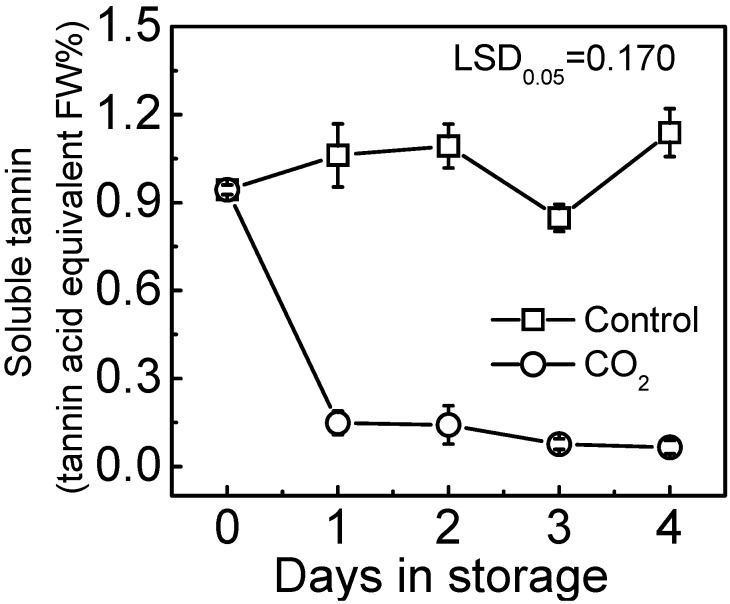
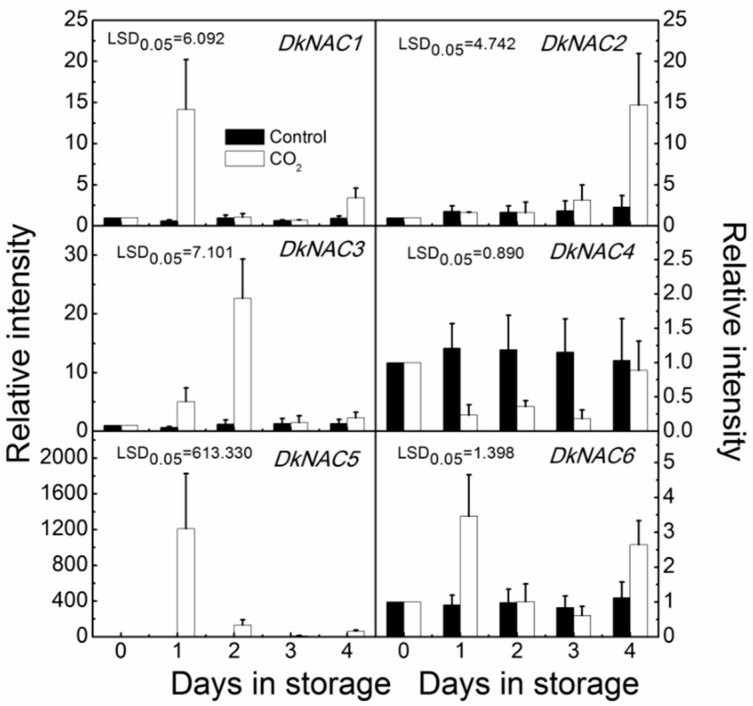
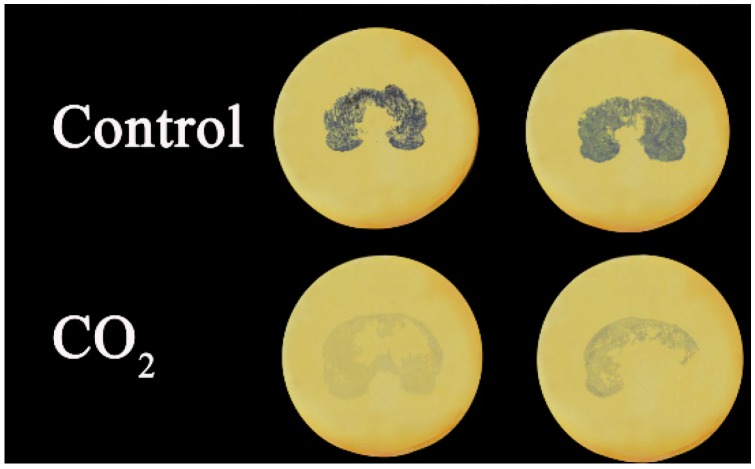
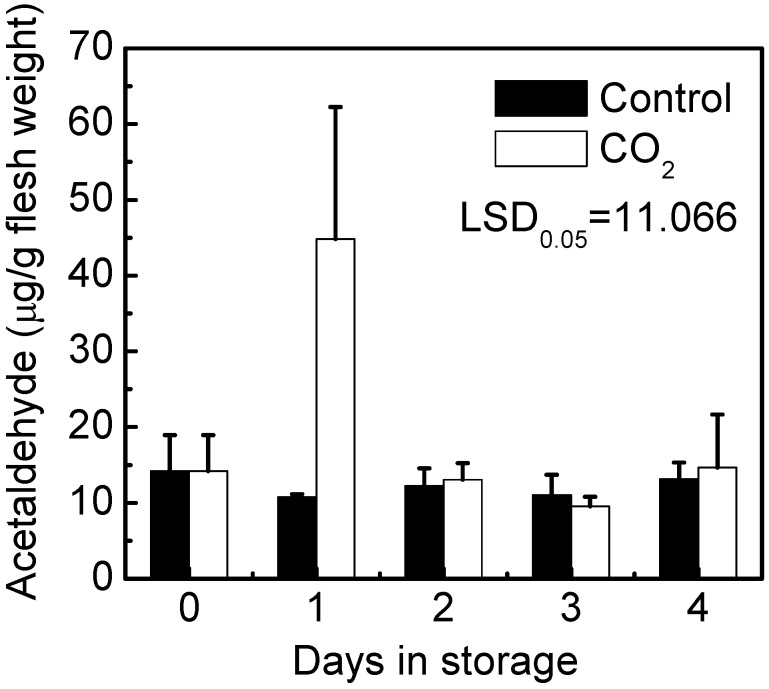
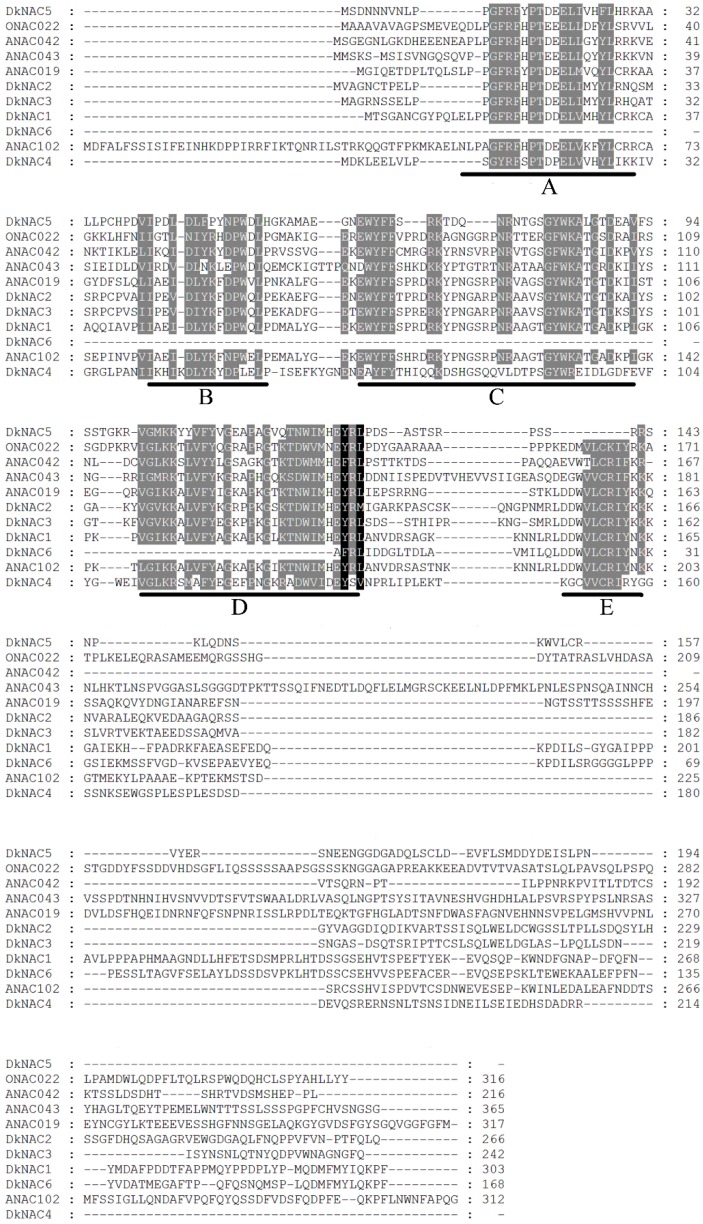
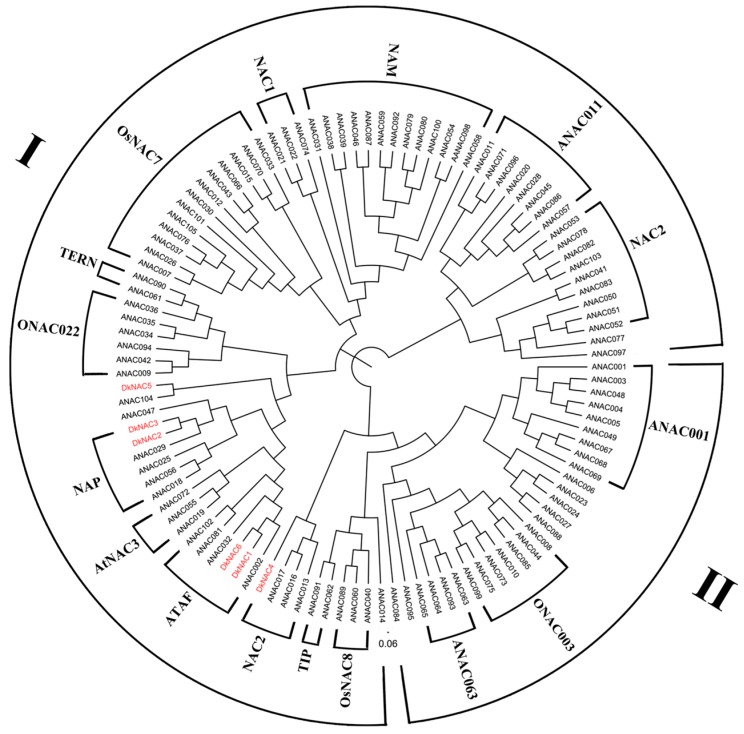
NAC genes have been characterized in numerous plants, where they are involved in responses to biotic and abiotic stress, including low oxygen stress. High concentration of CO2 is one of the most effective treatments to remove astringency of persimmon fruit owing to the action of the accumulated anoxia metabolite acetaldehyde. In model plants, NAC genes have been identified as being responsive to low oxygen. However, the possible relationship between NAC transcription factors and persimmon astringency removal remains unexplored. In the present research, treatment with a high concentration of CO2 (95%) effectively removed astringency of "Mopan" persimmon fruit by causing decreases in soluble tannin. Acetaldehyde content increased in response to CO2 treatment concomitantly with astringency removal. Using RNA-seq and Rapid amplification of cDNA ends (RACE), six DkNAC genes were isolated and studied. Transcriptional analysis indicated DkNAC genes responded differentially to CO2 treatment; DkNAC1, DkNAC3, DkNAC5 and DkNAC6 were transiently up-regulated, DkNAC2 was abundantly expressed 3 days after treatment, while the DkNAC4 was suppressed during astringency removal. It is proposed that DkNAC1/3/5/6 could be important candidates as regulators of persimmon astringency removal and the roles of other member are also discussed.
NAC基因已在许多植物中得到表征,它们参与对生物和非生物胁迫的响应,包括低氧胁迫。由于积累的缺氧代谢产物乙醛的作用,高浓度二氧化碳是去除柿果涩味最有效的处理方法之一。在模式植物中,NAC基因已被确定对低氧有响应。然而,NAC转录因子与柿果脱涩之间的可能关系仍未被探索。在本研究中,用高浓度二氧化碳(95%)处理通过降低可溶性单宁有效地去除了“磨盘”柿果的涩味。乙醛含量随着二氧化碳处理而增加,同时涩味被去除。利用RNA测序和cDNA末端快速扩增(RACE)技术,分离并研究了6个DkNAC基因。转录分析表明,DkNAC基因对二氧化碳处理的反应不同;DkNAC1、DkNAC3、DkNAC5和DkNAC6被瞬时上调,DkNAC2在处理后3天大量表达,而DkNAC4在脱涩过程中受到抑制。有人提出,DkNAC1/3/5/6可能是柿果脱涩调节因子的重要候选者,同时也讨论了其他成员的作用。