Rajamani Uthra, Jialal Ishwarlal
Laboratory for Atherosclerosis and Metabolic Research, Division of Endocrinology, Diabetes and Metabolism, Department of Pathology, University of California Davis Medical Center, Research Building 1, Room 3000, 4635 Second Avenue, Sacramento, CA 95817, USA.
Laboratory for Atherosclerosis and Metabolic Research, Division of Endocrinology, Diabetes and Metabolism, Department of Pathology, University of California Davis Medical Center, Research Building 1, Room 3000, 4635 Second Avenue, Sacramento, CA 95817, USA ; Veterans Affairs Medical Center, Mather, CA 95655, USA.
J Diabetes Res. 2014;2014:790902. doi: 10.1155/2014/790902. Epub 2014 Dec 31.
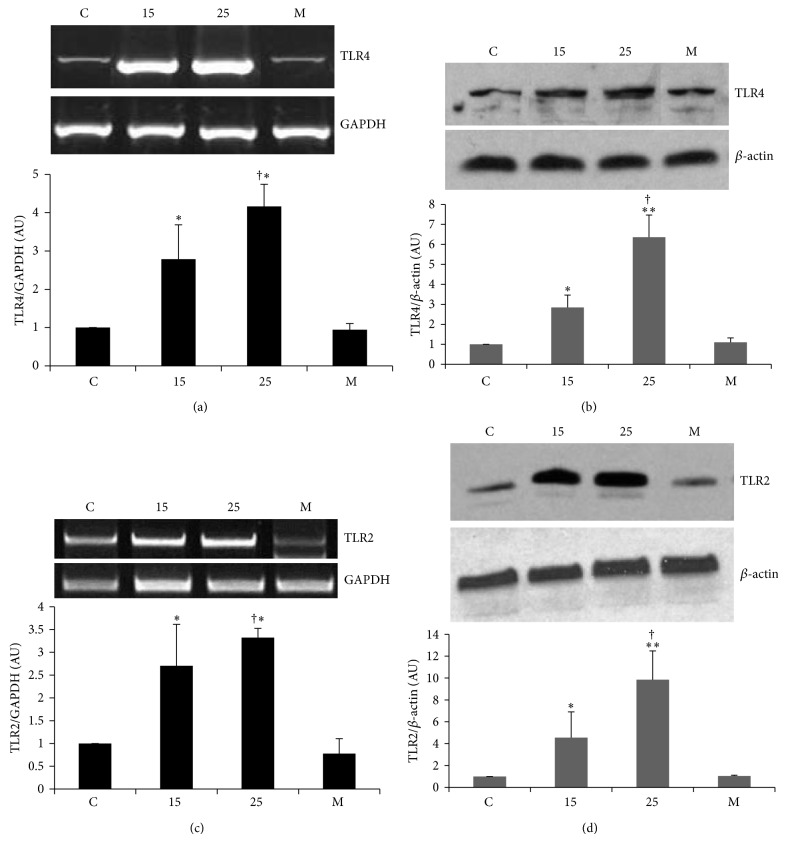
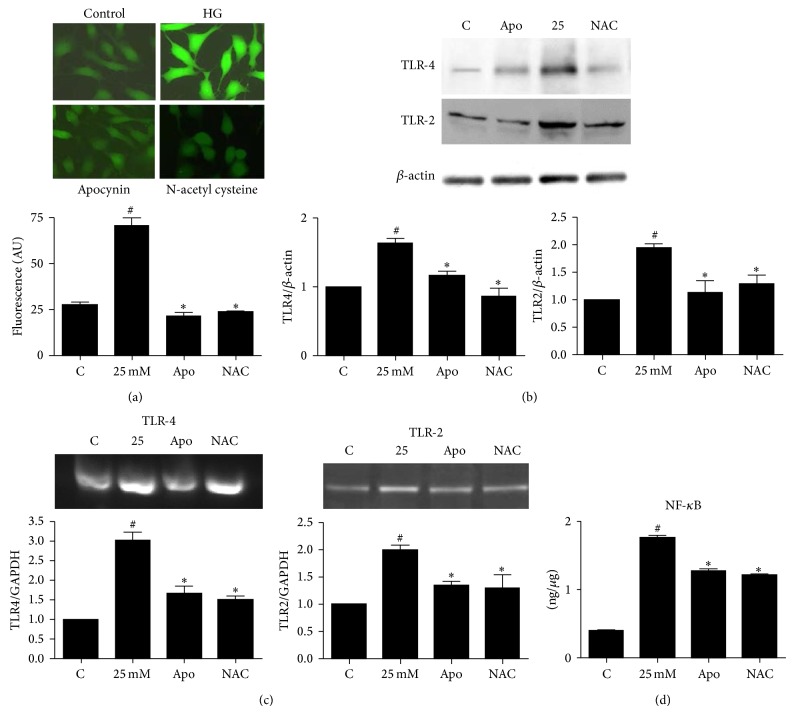
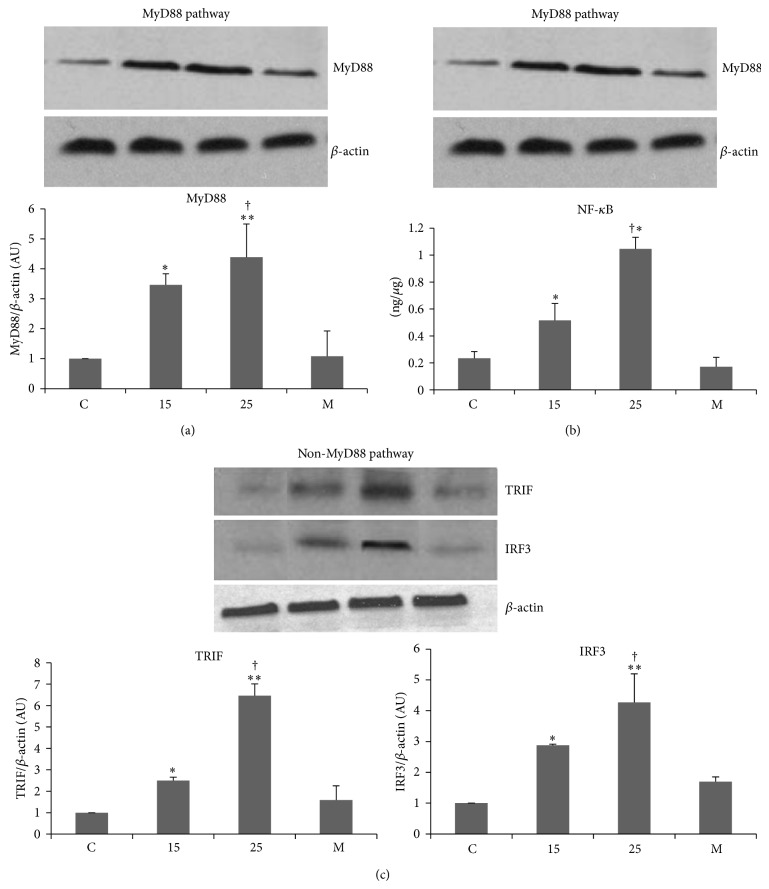
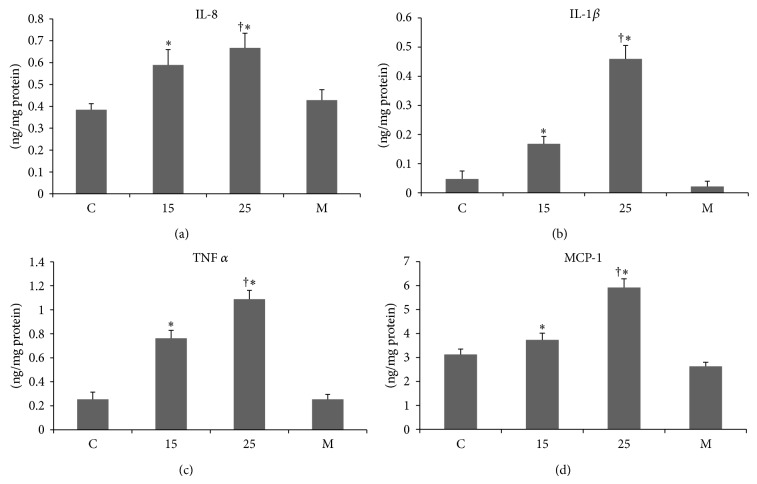
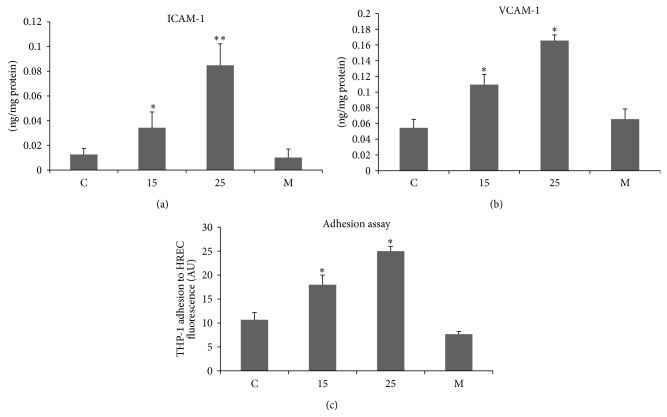
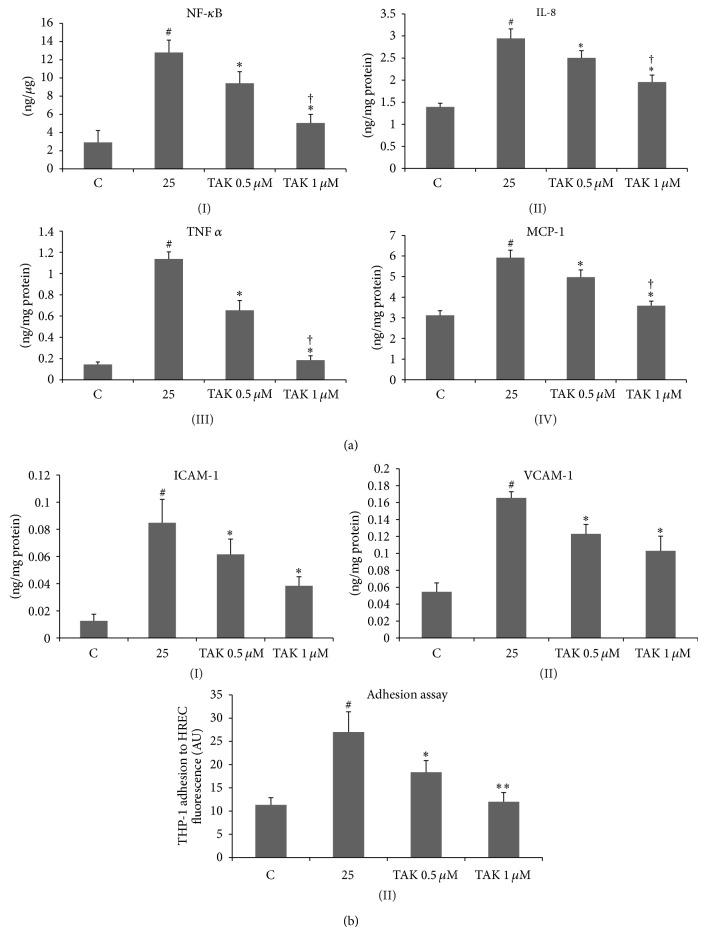
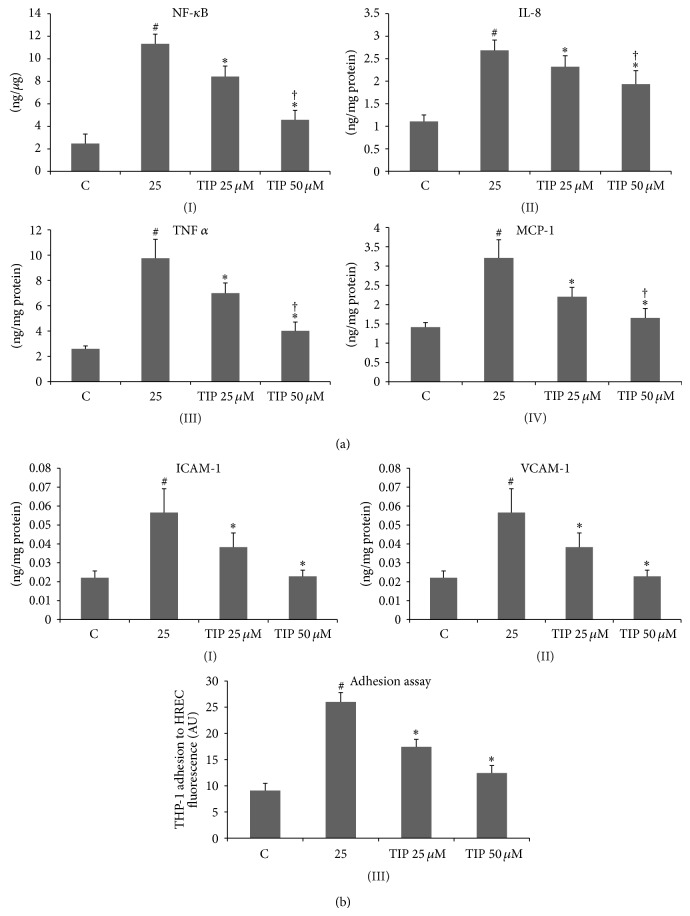
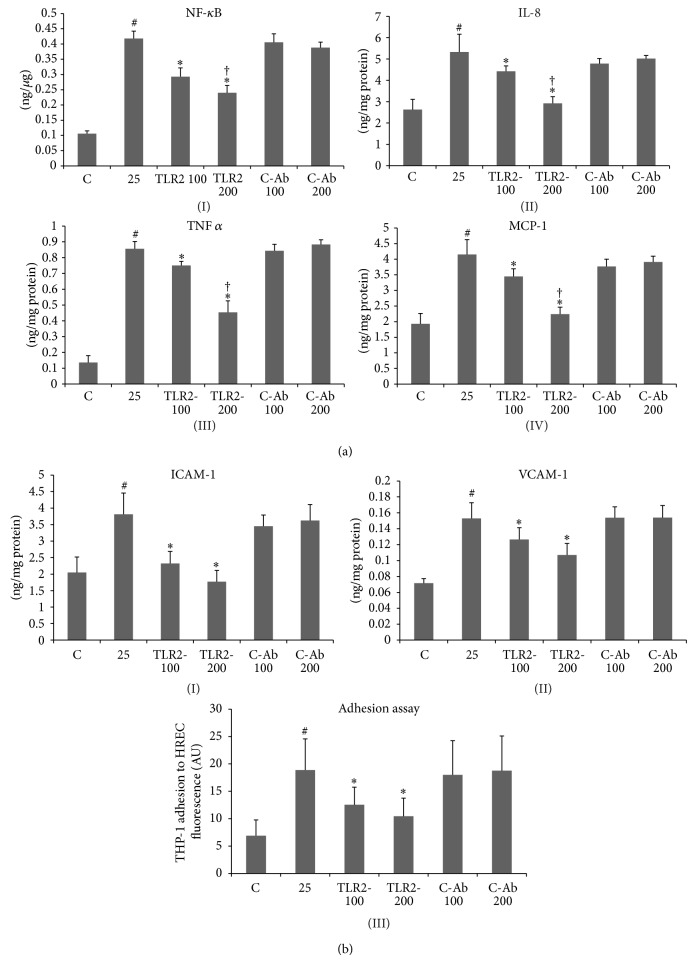
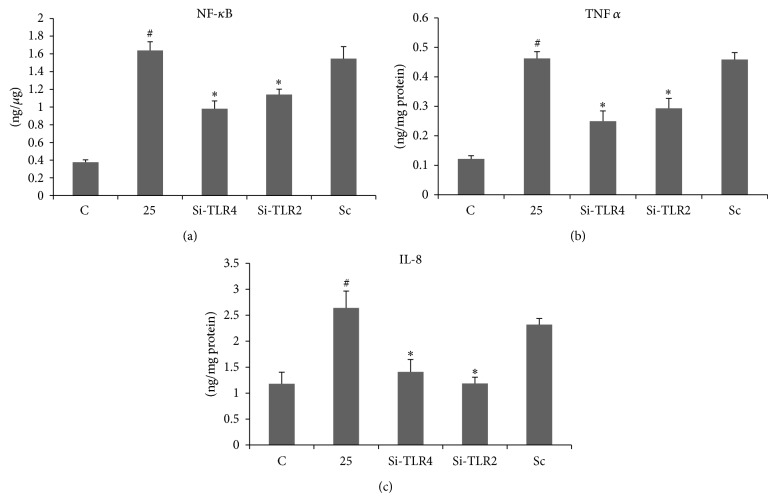
Diabetic retinopathy (DR) causes visual impairment in working age adults and hyperglycemia-mediated inflammation is central in DR. Toll-like receptors (TLRs) play a key role in innate immune responses and inflammation. However, scanty data is available on their role in DR. Hence, in this study, we examined TLR2 and TLR4 mRNA and protein expression and activity in hyperglycemic human retinal endothelial cells (HMVRECs). HMVRECs were treated with hyperglycemia (HG) or euglycemia and mRNA and protein levels of TLR-2, TLR-4, MyD88, IRF3, and TRIF as well as NF-κB p65 activation were measured. IL-8, IL-1β, TNF-α and MCP-1, ICAM-1, and VCAM-1 as well as monocyte adhesion to HMVRECs were also assayed. HG (25 mM) significantly induced TLR2 and TLR4 mRNA and protein in HMVRECs. It also increased both MyD88 and non-MyD88 pathways, nuclear factor-κB (NF-κB), biomediators, and monocyte adhesion. This inflammation was attenuated by TLR-4 or TLR-2 inhibition, and dual inhibition by a TLR inhibitory peptide as well as TLR2 and 4 siRNA. Additionally, antioxidant treatment reduced TLR-2 and TLR4 expression and downstream inflammatory markers. Collectively, our novel data suggest that hyperglycemia induces TLR-2 and TLR-4 activation and downstream signaling mediating increased inflammation possibly via reactive oxygen species (ROS) and could contribute to DR.
糖尿病视网膜病变(DR)可导致工作年龄成年人视力受损,高血糖介导的炎症是DR的核心。Toll样受体(TLR)在先天免疫反应和炎症中起关键作用。然而,关于它们在DR中的作用的数据很少。因此,在本研究中,我们检测了高血糖人视网膜内皮细胞(HMVRECs)中TLR2和TLR4的mRNA和蛋白表达及活性。用高血糖(HG)或正常血糖处理HMVRECs,检测TLR-2、TLR-4、MyD88、IRF3和TRIF的mRNA和蛋白水平以及NF-κB p65的激活情况。还检测了IL-8、IL-1β、TNF-α和MCP-1、ICAM-1和VCAM-1以及单核细胞对HMVRECs的粘附情况。HG(25 mM)显著诱导HMVRECs中TLR2和TLR4的mRNA和蛋白表达。它还增加了MyD88和非MyD88途径、核因子-κB(NF-κB)、生物介质和单核细胞粘附。TLR-4或TLR-2抑制以及TLR抑制肽和TLR2及4 siRNA的双重抑制可减轻这种炎症。此外,抗氧化剂处理可降低TLR-2和TLR4的表达以及下游炎症标志物。总的来说,我们的新数据表明,高血糖可能通过活性氧(ROS)诱导TLR-2和TLR-4激活及下游信号传导,介导炎症增加,并可能导致DR。