Grøftehauge Morten K, Hajizadeh Nelly R, Swann Marcus J, Pohl Ehmke
Chemistry Department, Durham University, South Road, Durham DH1 3LE, England.
Farfield, Biolin Scientific, 62 Wellington Road South, Stockport, Cheshire SK1 3SU, England.
Acta Crystallogr D Biol Crystallogr. 2015 Jan 1;71(Pt 1):36-44. doi: 10.1107/S1399004714016617.
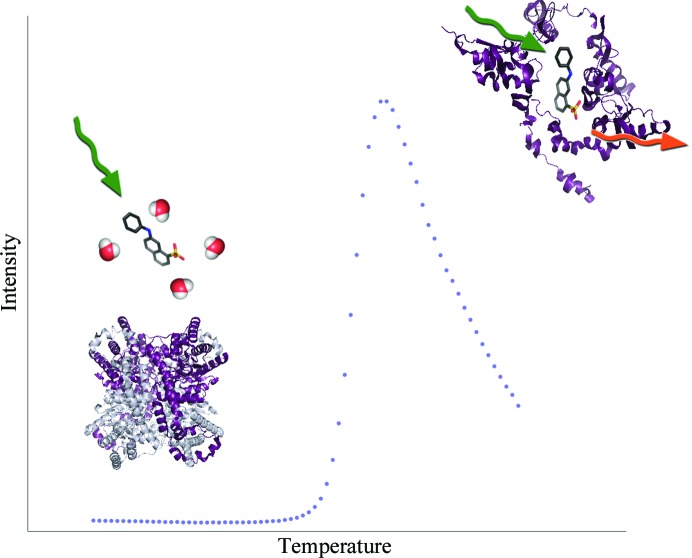
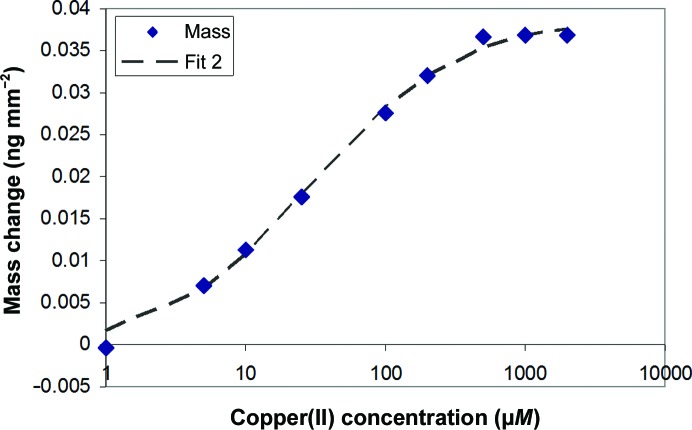
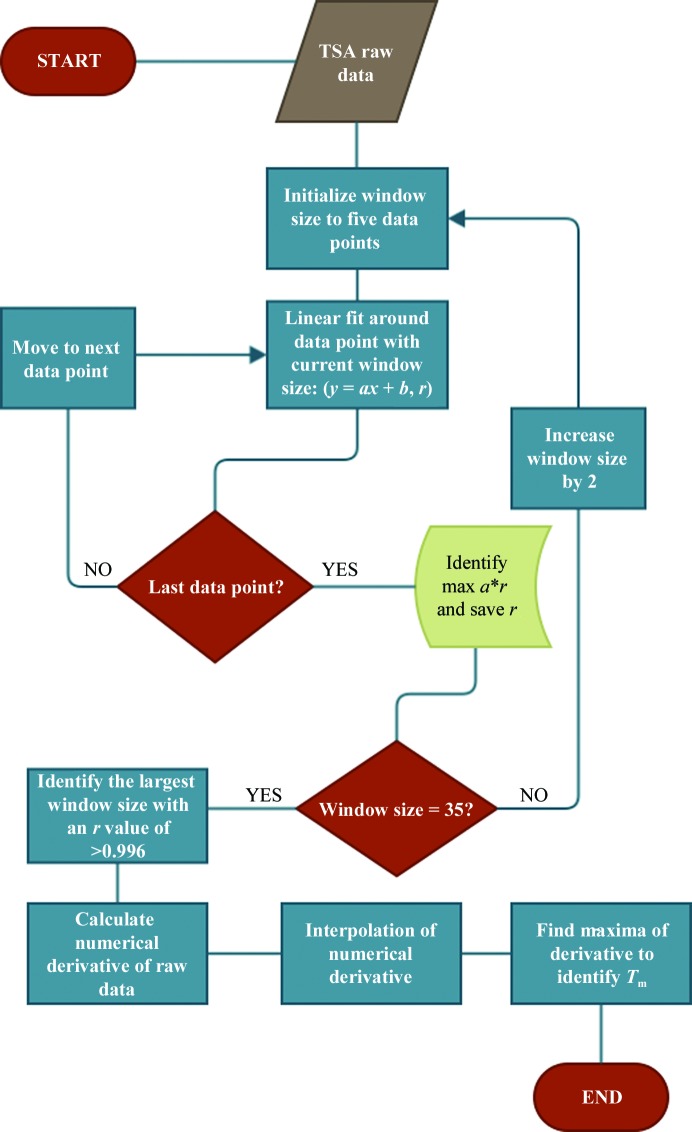
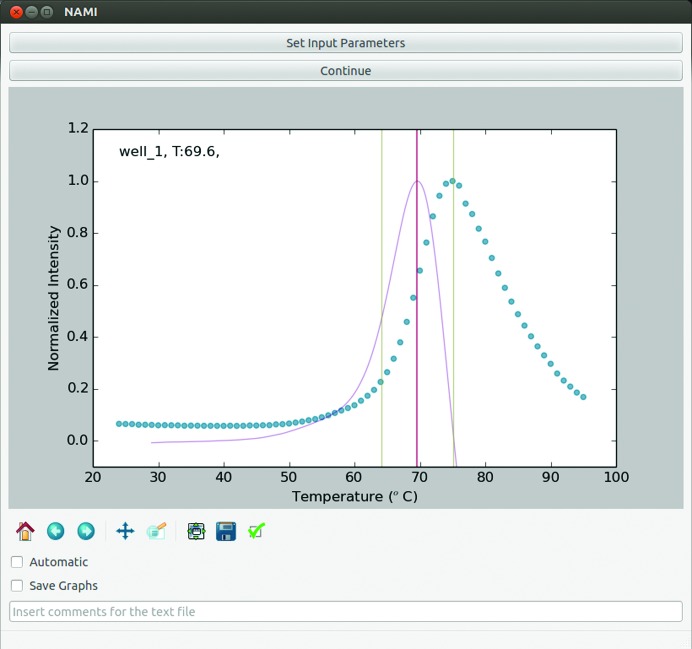
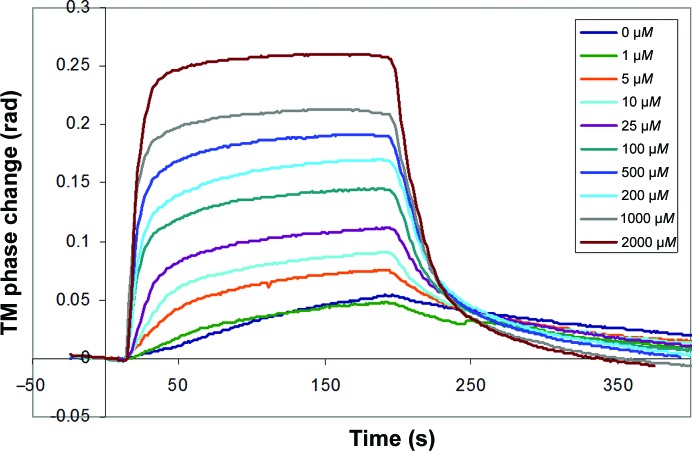
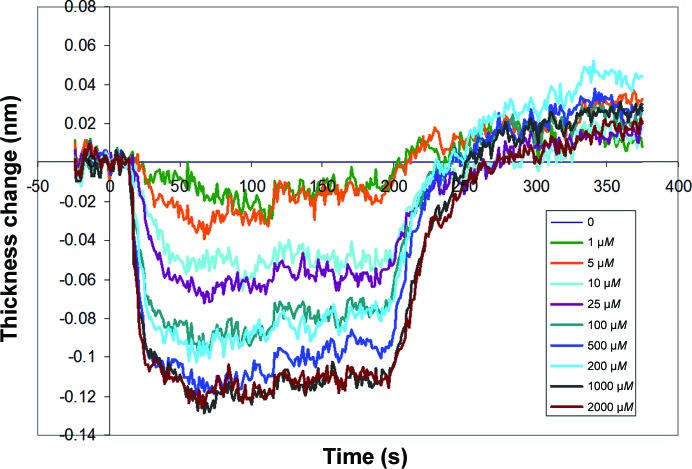
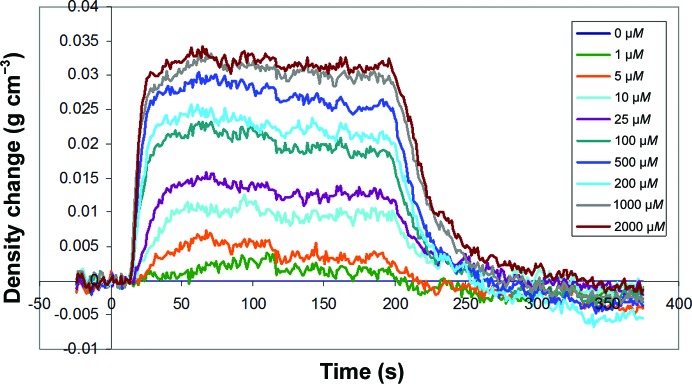
Over the last decades, a wide range of biophysical techniques investigating protein-ligand interactions have become indispensable tools to complement high-resolution crystal structure determinations. Current approaches in solution range from high-throughput-capable methods such as thermal shift assays (TSA) to highly accurate techniques including microscale thermophoresis (MST) and isothermal titration calorimetry (ITC) that can provide a full thermodynamic description of binding events. Surface-based methods such as surface plasmon resonance (SPR) and dual polarization interferometry (DPI) allow real-time measurements and can provide kinetic parameters as well as binding constants. DPI provides additional spatial information about the binding event. Here, an account is presented of new developments and recent applications of TSA and DPI connected to crystallography.
在过去几十年中,一系列用于研究蛋白质-配体相互作用的生物物理技术已成为补充高分辨率晶体结构测定的不可或缺的工具。目前在溶液中的方法范围广泛,从具有高通量能力的方法如热位移分析(TSA)到高度精确的技术,包括微量热泳动(MST)和等温滴定量热法(ITC),这些技术可以提供结合事件的完整热力学描述。基于表面的方法如表面等离子体共振(SPR)和双偏振干涉测量法(DPI)允许进行实时测量,并能提供动力学参数以及结合常数。DPI提供了关于结合事件的额外空间信息。在此,介绍了与晶体学相关的TSA和DPI的新进展及近期应用。