Egelman E H, Xu C, DiMaio F, Magnotti E, Modlin C, Yu X, Wright E, Baker D, Conticello V P
Department of Biochemistry and Molecular Genetics, University of Virginia, Charlottesville, VA 22908, USA.
Department of Chemistry, Emory University, Atlanta, GA 30322, USA.
Structure. 2015 Feb 3;23(2):280-9. doi: 10.1016/j.str.2014.12.008. Epub 2015 Jan 22.
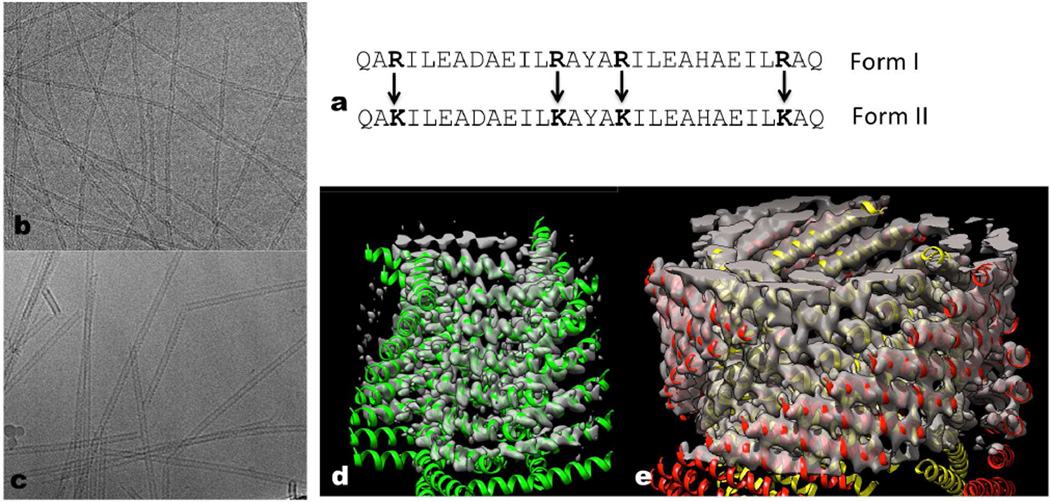
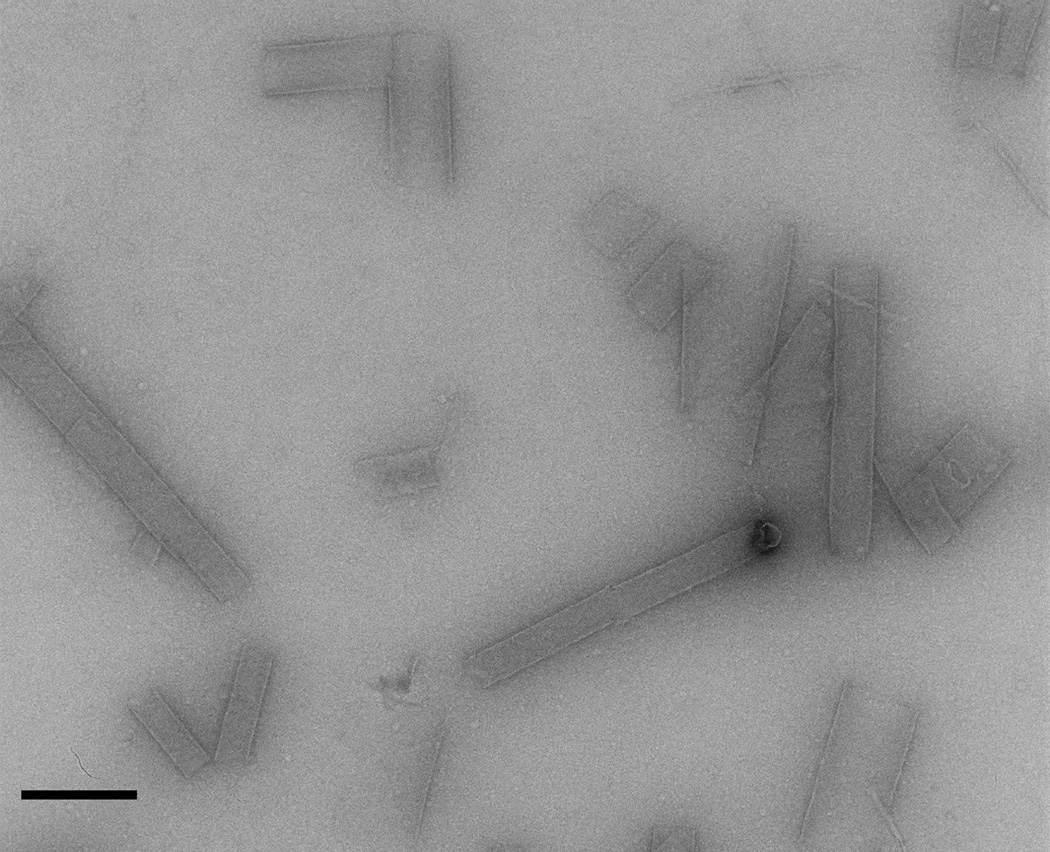
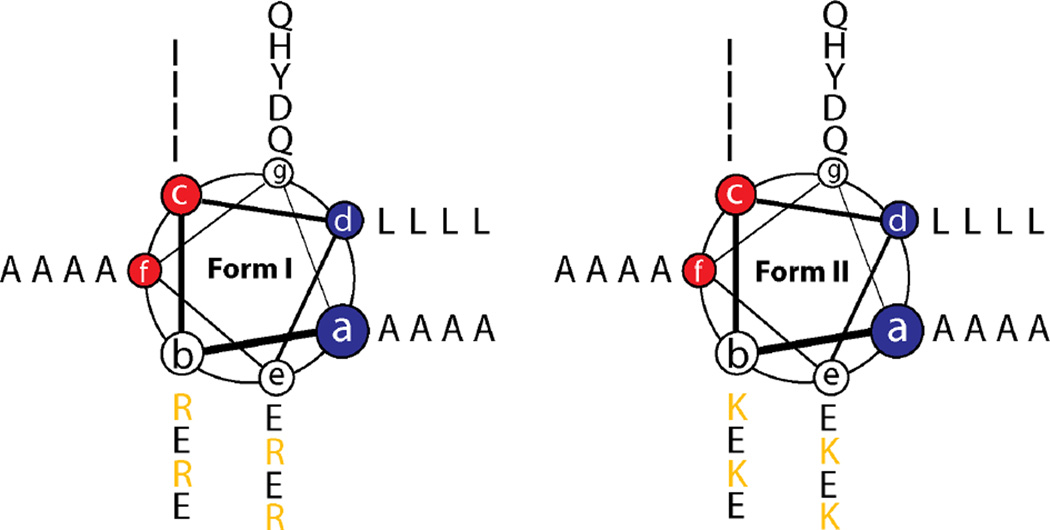
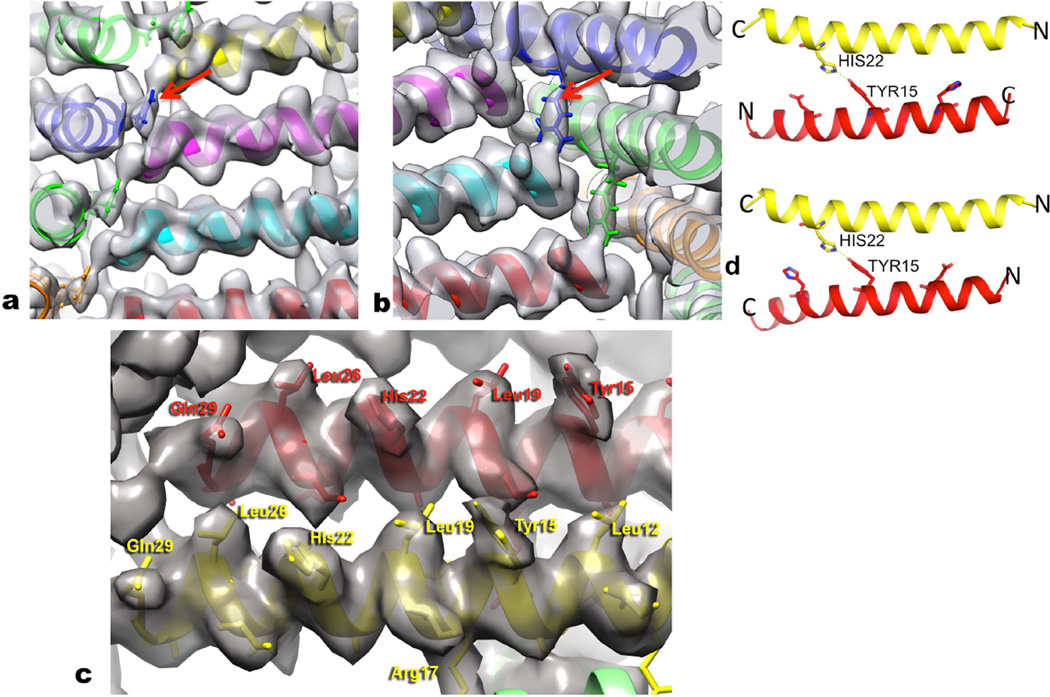
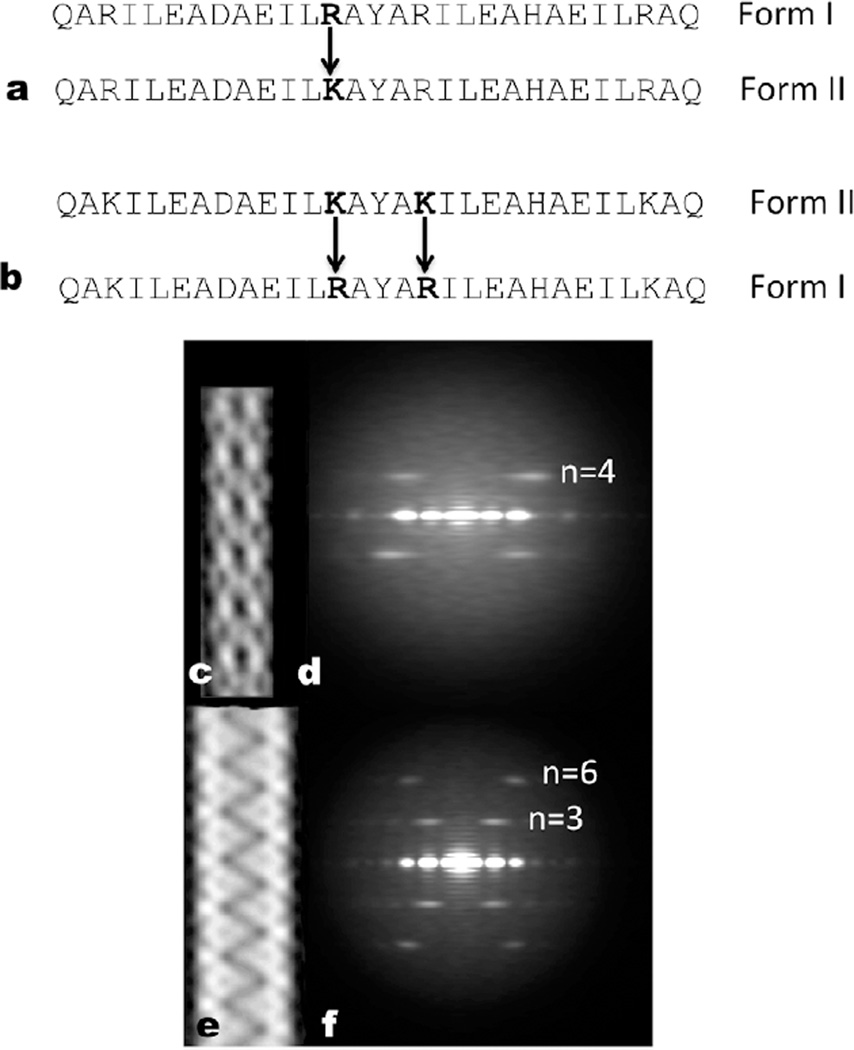
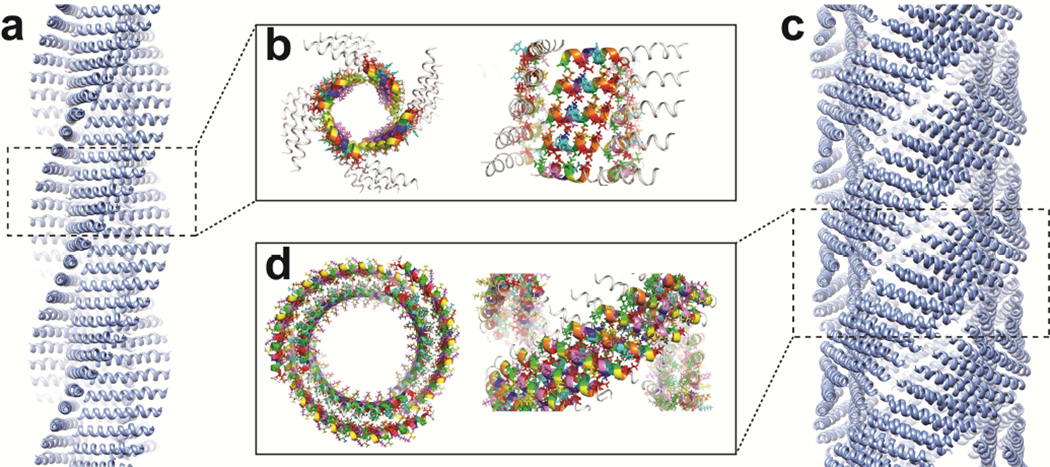
Numerous instances can be seen in evolution in which protein quaternary structures have diverged while the sequences of the building blocks have remained fairly conserved. However, the path through which such divergence has taken place is usually not known. We have designed two synthetic 29-residue α-helical peptides, based on the coiled-coil structural motif, that spontaneously self-assemble into helical nanotubes in vitro. Using electron cryomicroscopy with a newly available direct electron detection capability, we can achieve near-atomic resolution of these thin structures. We show how conservative changes of only one or two amino acids result in dramatic changes in quaternary structure, in which the assemblies can be switched between two very different forms. This system provides a framework for understanding how small sequence changes in evolution can translate into very large changes in supramolecular structure, a phenomenon that may have significant implications for the de novo design of synthetic peptide assemblies.
在进化过程中可以看到许多实例,其中蛋白质四级结构发生了分化,而其组成部分的序列却保持相当保守。然而,这种分化发生的途径通常并不清楚。我们基于卷曲螺旋结构基序设计了两种由29个残基组成的合成α-螺旋肽,它们在体外能自发地自组装成螺旋纳米管。利用具有新获得的直接电子检测能力的电子冷冻显微镜,我们能够实现这些细结构的近原子分辨率。我们展示了仅一两个氨基酸的保守变化如何导致四级结构的巨大变化,其中组装体可以在两种非常不同的形式之间转换。该系统为理解进化中的小序列变化如何转化为超分子结构的巨大变化提供了一个框架,这种现象可能对合成肽组装体的从头设计具有重要意义。