Xu Dongying, Huang Ping, Yu Zhaosheng, Xing Daniel H, Ouyang Shuai, Xing Guoqiang
Faculty of Nursing, Guangxi University of Chinese Medicine , Nanning , China.
Department of Oncology, Huanggang Hospital of Traditional Chinese Medicine , Huanggang , China.
Front Neurol. 2015 Jan 7;5:274. doi: 10.3389/fneur.2014.00274. eCollection 2014.
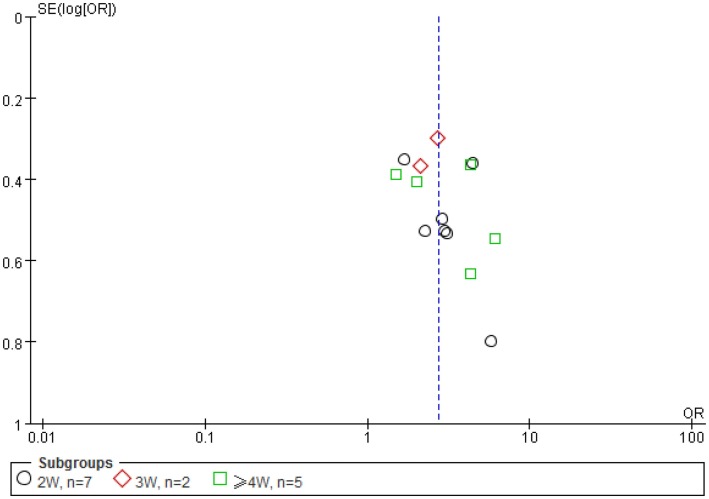
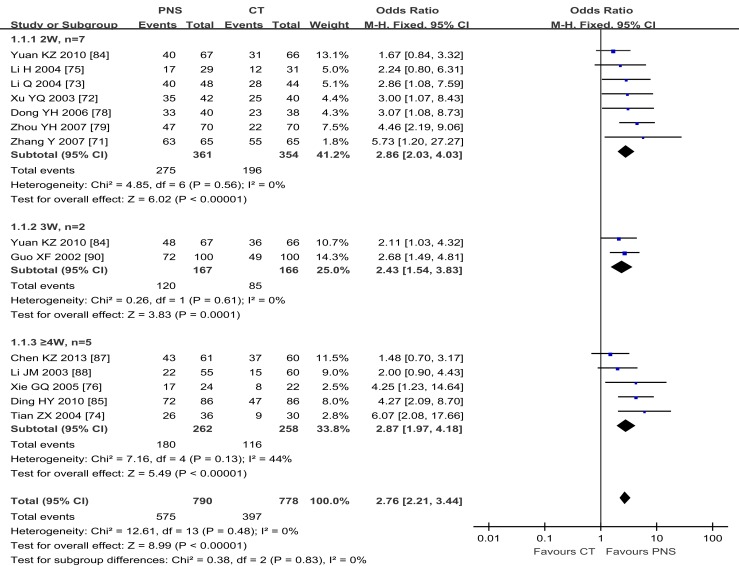
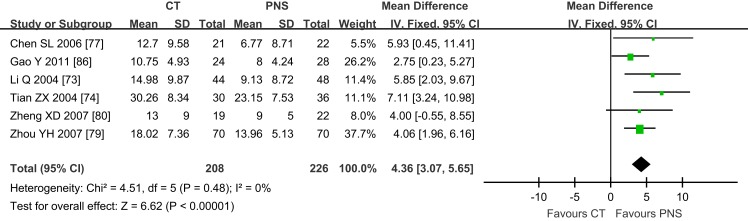
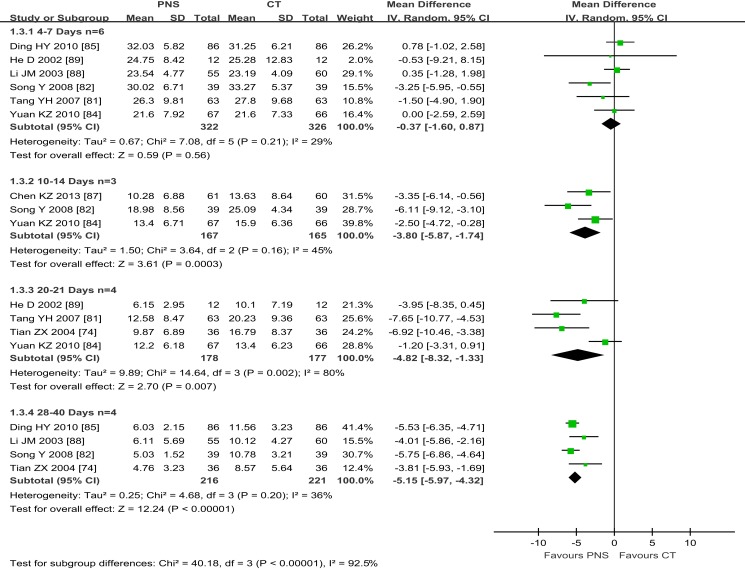
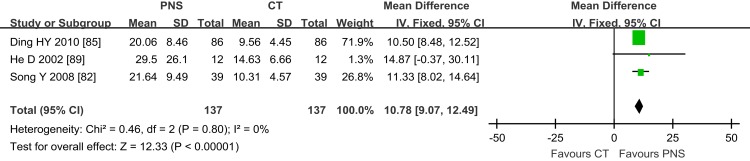
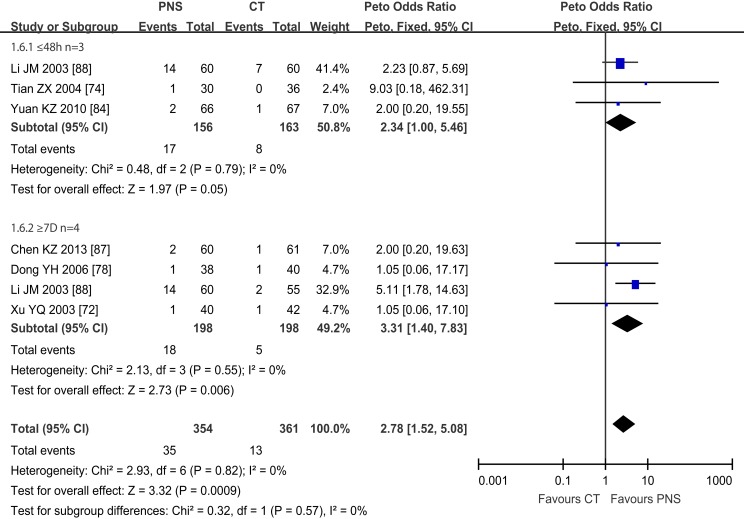
Intracranial/intracerebral hemorrhage (ICH) is a leading cause of death and disability in people with traumatic brain injury (TBI) and stroke. No proven drug is available for ICH. Panax notoginseng (total saponin extraction, PNS) is one of the most valuable herb medicines for stroke and cerebralvascular disorders in China. We searched for randomized controlled clinical trials (RCTs) involving PNS injection to treat cerebral hemorrhage for meta-analysis from various databases including the Chinese Stroke Trials Register, the trials register of the Cochrane Complementary Medicine Field, the Cochrane Central Register of Controlled Trials, MEDLINE, Chinese BioMedical disk, and China Doctorate/Master Dissertations Databases. The quality of the eligible trials was assessed by Jadad's scale. Twenty (20) of the 24 identified randomized controlled trials matched the inclusive criteria including 984 ICH patients with PNS injection and 907 ICH patients with current treatment (CT). Compared to the CT groups, PNS-treated patients showed better outcomes in the effectiveness rate (ER), neurological deficit score, intracranial hematoma volume, intracerebral edema volume, Barthel index, the number of patients died, and incidence of adverse events.
PNS injection is superior to CT for acute ICH. A review of the literature shows that PNS may exert multiple protective mechanisms against ICH-induced brain damage including hemostasis, anti-coagulation, anti-thromboembolism, cerebral vasodilation, invigorated blood dynamics, anti-inflammation, antioxidation, and anti-hyperglycemic effects. Since vitamin C and other brain cell activators (BCA) that are not considered common practice were also used as parts of the CT in several trials, potential PNS and BCA interactions could exist that may have made the effect of PNS therapy less or more impressive than by PNS therapy alone. Future PNS trials with and without the inclusion of such controversial BCAs as part of the CT could clarify the situation. As PNS has a long clinical track record in Asia, it could potentially become a therapy option to treat ICH in the US and Europe. Further clinical trials with better experimental design could determine the long-term effects of PNS treatment for TBI and stroke.
颅内/脑内出血(ICH)是创伤性脑损伤(TBI)和中风患者死亡和致残的主要原因。目前尚无经证实有效的ICH治疗药物。三七总皂苷(PNS)是中国治疗中风和脑血管疾病最有价值的草药之一。我们从多个数据库中检索了涉及PNS注射治疗脑出血的随机对照临床试验(RCT),以进行荟萃分析,这些数据库包括中国中风试验注册库、Cochrane补充医学领域试验注册库、Cochrane对照试验中心注册库、MEDLINE、中国生物医学数据库以及中国博士/硕士学位论文数据库。采用Jadad量表评估纳入试验的质量。24项已识别的随机对照试验中有20项符合纳入标准,包括984例接受PNS注射的ICH患者和907例接受当前治疗(CT)的ICH患者。与CT组相比,接受PNS治疗的患者在有效率(ER)、神经功能缺损评分、颅内血肿体积、脑水肿体积、Barthel指数、死亡患者数量以及不良事件发生率方面表现出更好的结果。
PNS注射治疗急性ICH优于CT。文献综述表明,PNS可能对ICH引起的脑损伤发挥多种保护机制,包括止血、抗凝、抗血栓栓塞、脑血管扩张、改善血液动力学、抗炎、抗氧化和抗高血糖作用。由于在一些试验中,维生素C和其他不被视为常规治疗的脑细胞激活剂(BCA)也被用作CT的一部分,因此可能存在潜在 的PNS与BCA相互作用,这可能使PNS治疗的效果比单独使用PNS治疗时更不明显或更显著。未来在CT中纳入或不纳入此类有争议的BCA的PNS试验可能会澄清这种情况。由于PNS在亚洲有很长的临床应用记录,它有可能成为美国和欧洲治疗ICH的一种治疗选择。设计更好的进一步临床试验可以确定PNS治疗TBI和中风的长期效果。