Marsolier J, Perichon M, DeBarry J D, Villoutreix B O, Chluba J, Lopez T, Garrido C, Zhou X Z, Lu K P, Fritsch L, Ait-Si-Ali S, Mhadhbi M, Medjkane S, Weitzman J B
Université Paris Diderot, Sorbonne Paris Cité, Epigenetics and Cell Fate, UMR 7216 CNRS, 75013 Paris, France.
Center for Tropical and Emerging Global Diseases, University of Georgia, Athens, Georgia 30602, USA.
Nature. 2015 Apr 16;520(7547):378-82. doi: 10.1038/nature14044. Epub 2015 Jan 26.
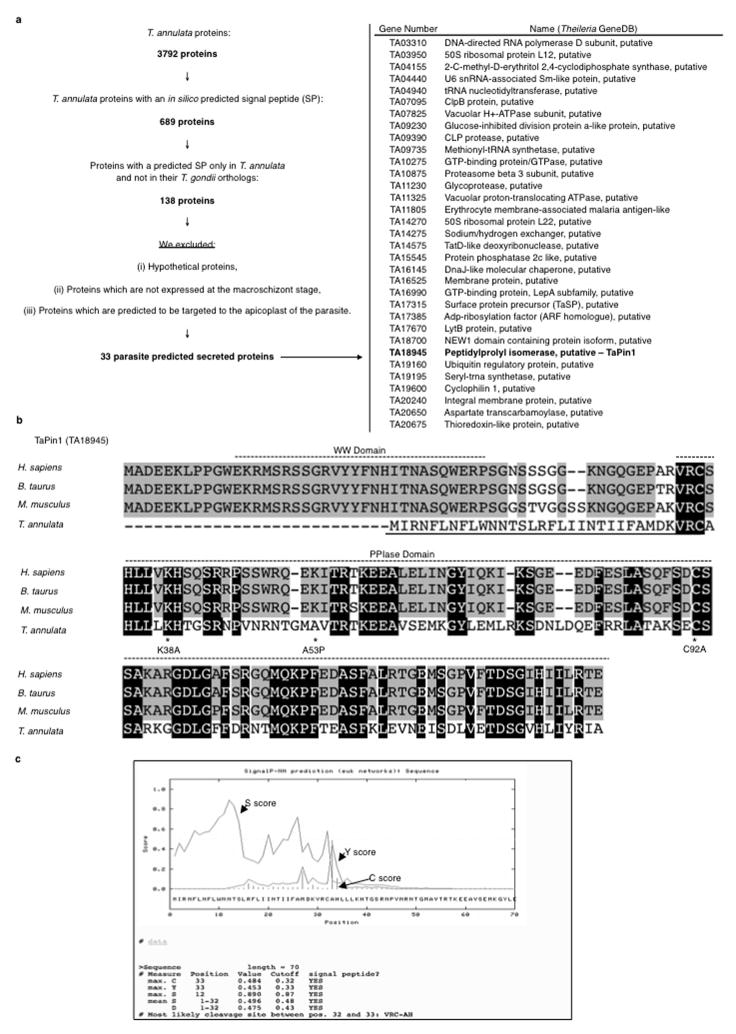
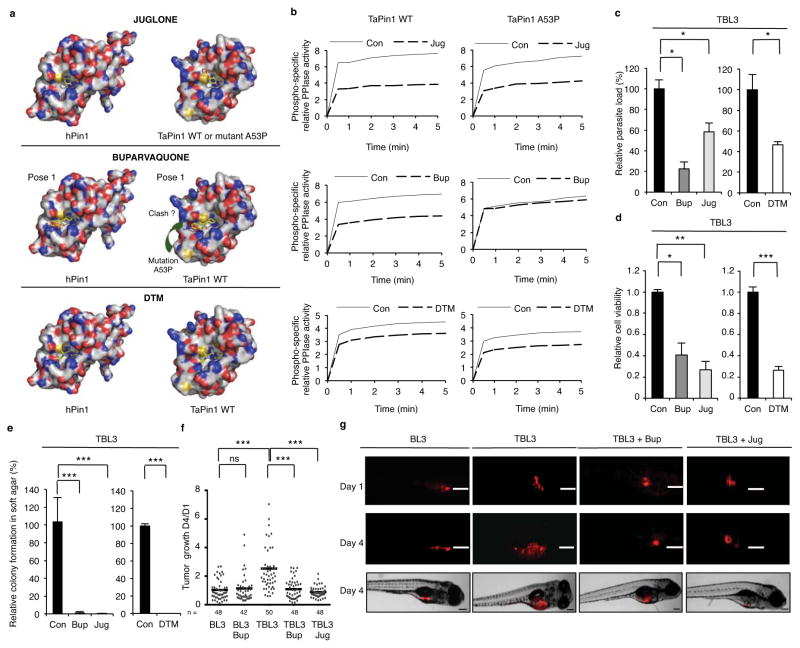
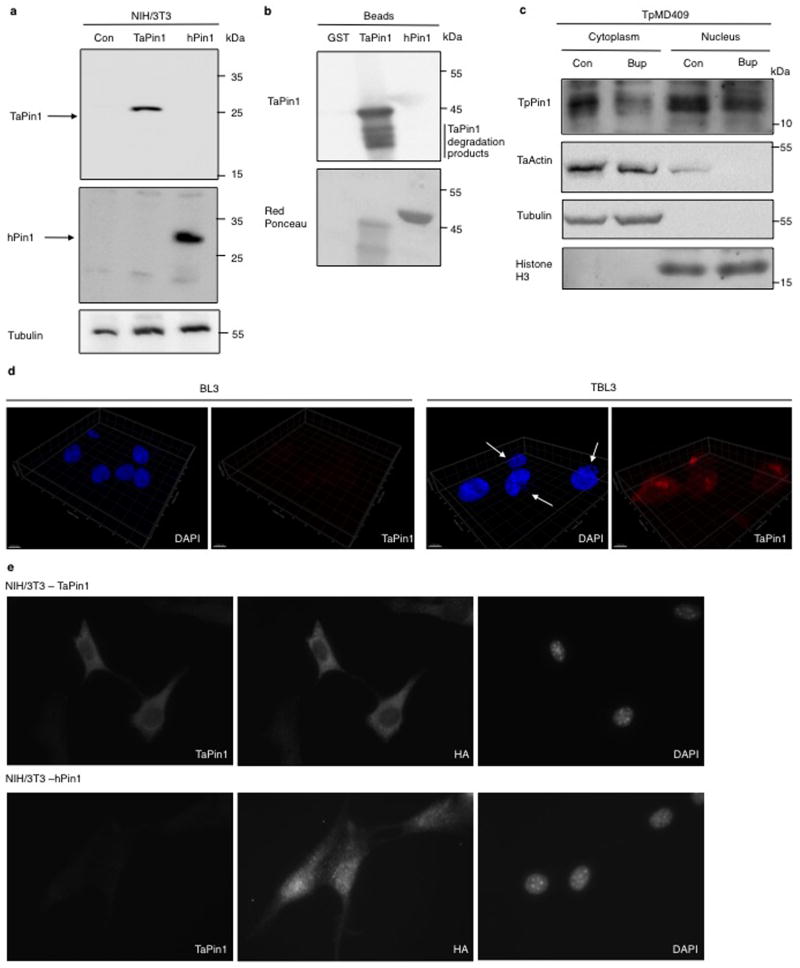
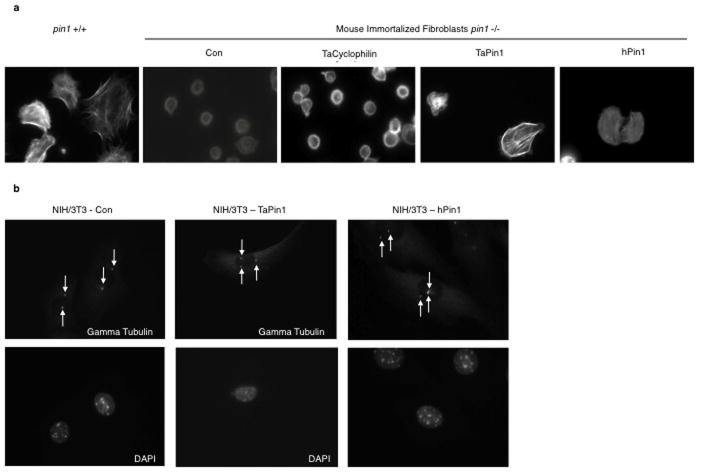
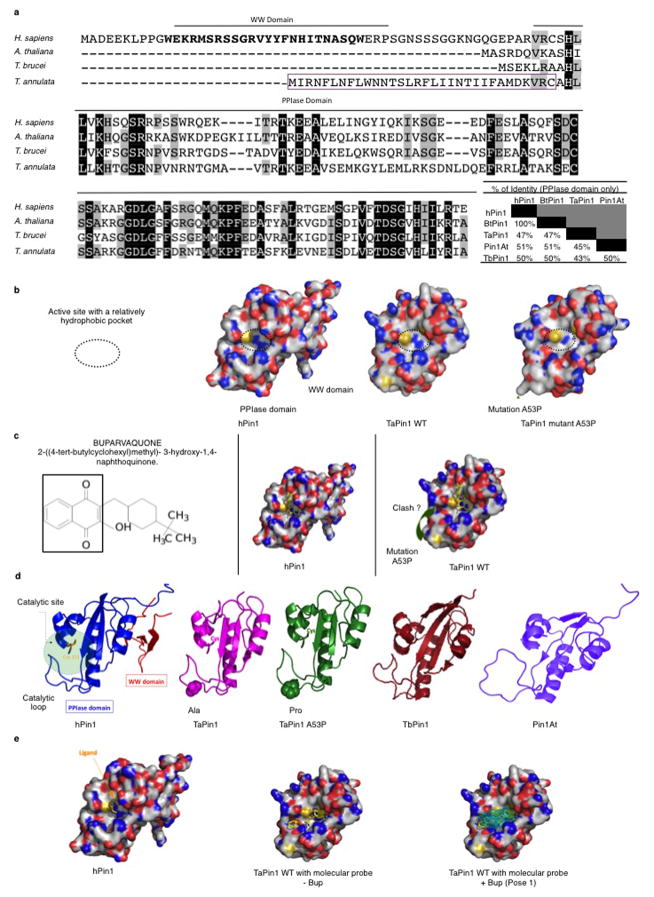
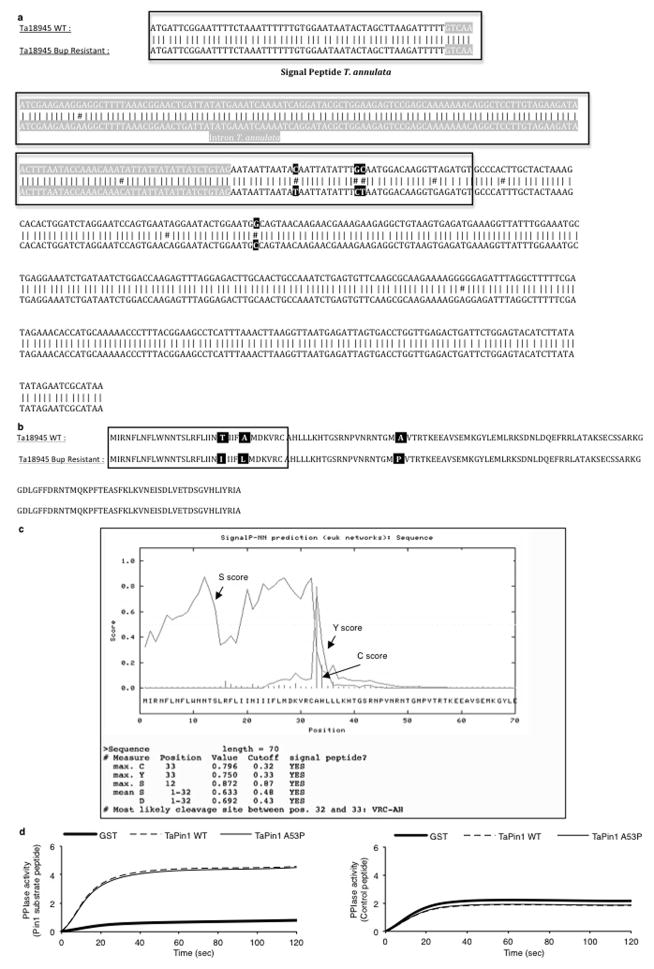
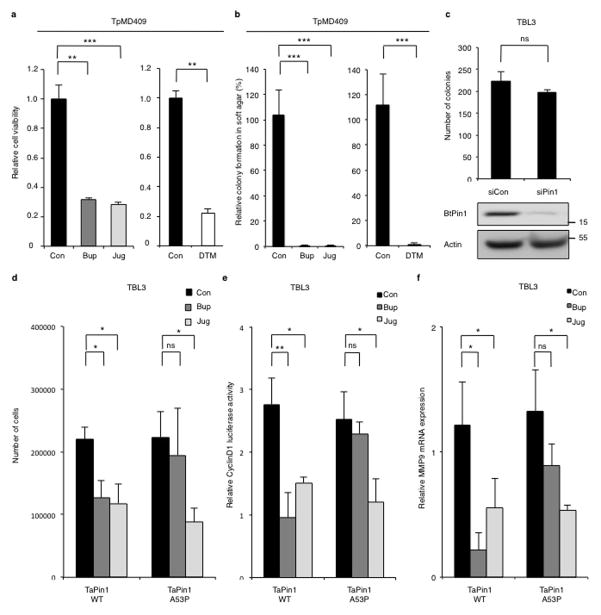
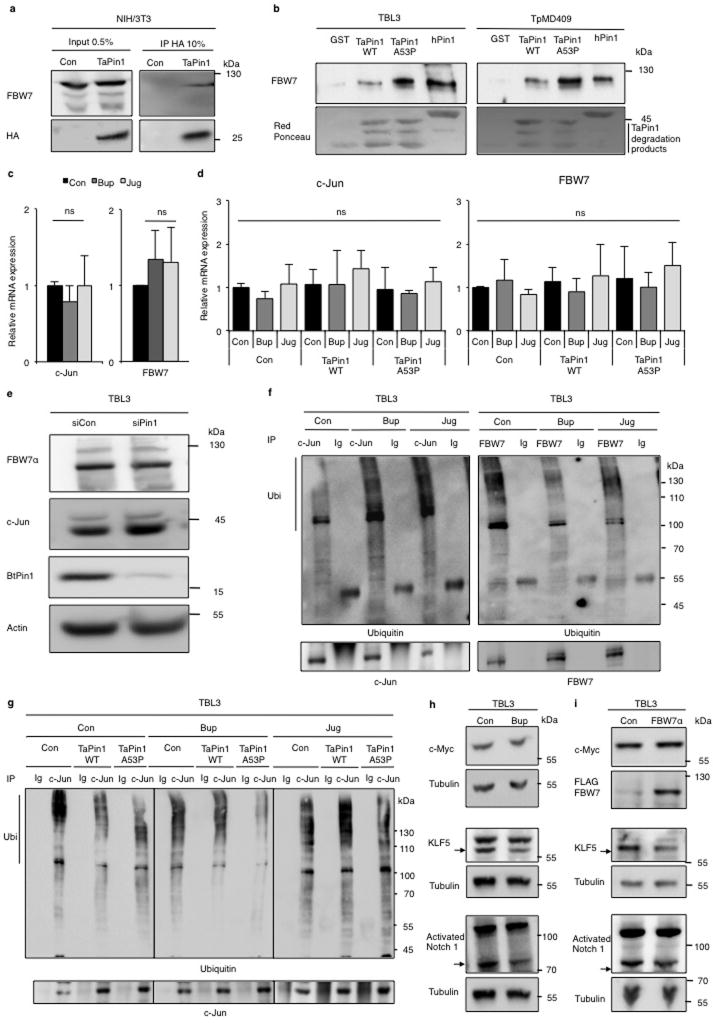
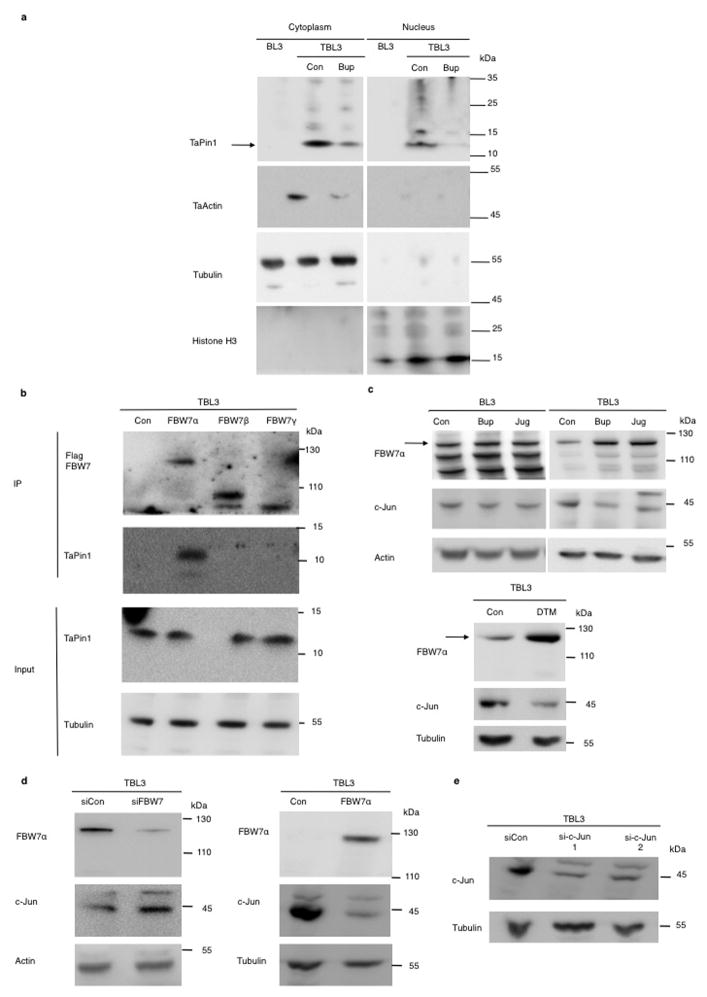
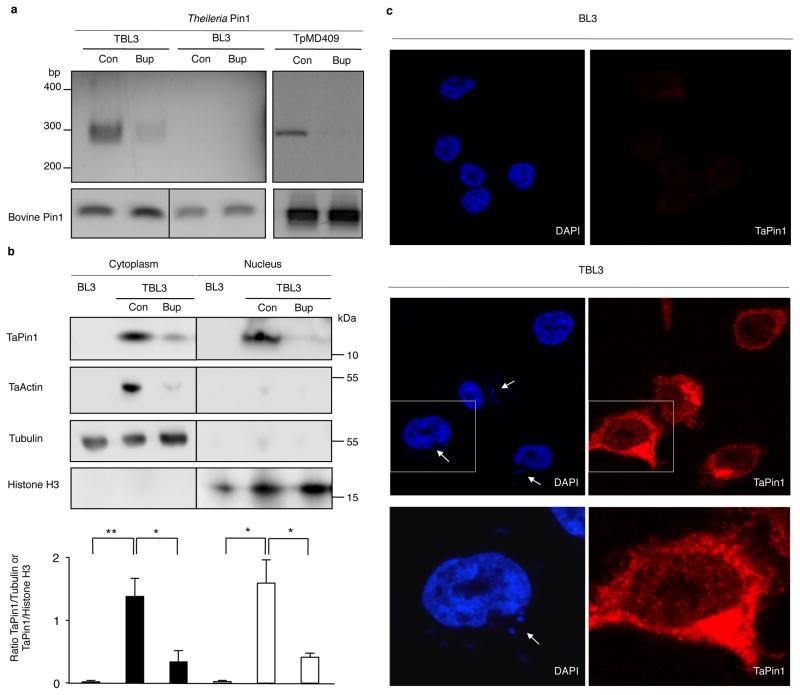
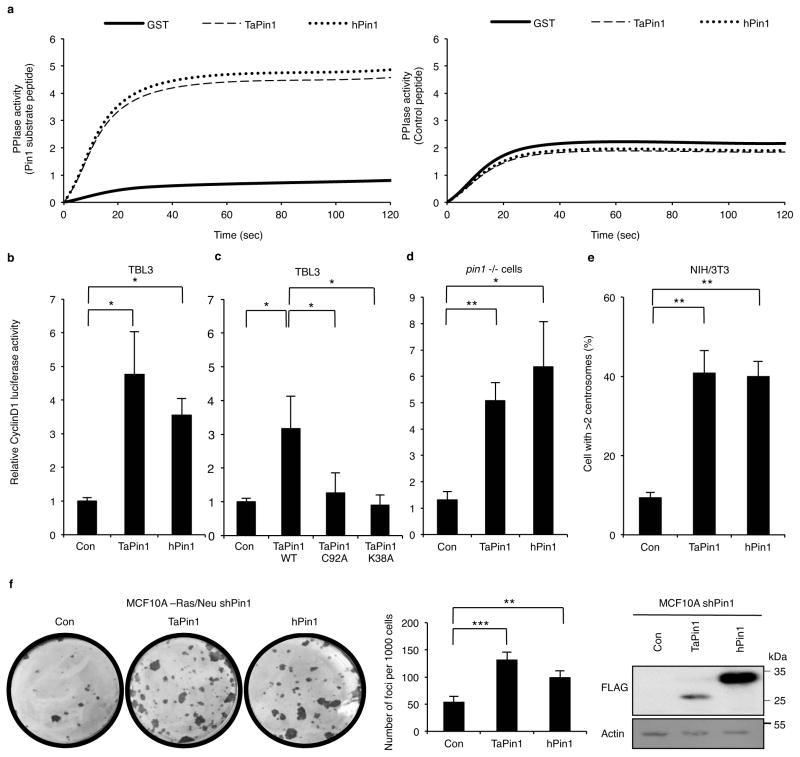
Infectious agents develop intricate mechanisms to interact with host cell pathways and hijack their genetic and epigenetic machinery to change host cell phenotypic states. Among the Apicomplexa phylum of obligate intracellular parasites, which cause veterinary and human diseases, Theileria is the only genus that transforms its mammalian host cells. Theileria infection of bovine leukocytes induces proliferative and invasive phenotypes associated with activated signalling pathways, notably JNK and AP-1 (ref. 2). The transformed phenotypes are reversed by treatment with the theilericidal drug buparvaquone. We used comparative genomics to identify a homologue of the peptidyl-prolyl isomerase PIN1 in T. annulata (TaPIN1) that is secreted into the host cell and modulates oncogenic signalling pathways. Here we show that TaPIN1 is a bona fide prolyl isomerase and that it interacts with the host ubiquitin ligase FBW7, leading to its degradation and subsequent stabilization of c-JUN, which promotes transformation. We performed in vitro and in silico analysis and in vivo zebrafish xenograft experiments to demonstrate that TaPIN1 is directly inhibited by the anti-parasite drug buparvaquone (and other known PIN1 inhibitors) and is mutated in a drug-resistant strain. Prolyl isomerization is thus a conserved mechanism that is important in cancer and is used by Theileria parasites to manipulate host oncogenic signalling.
感染因子会形成复杂的机制来与宿主细胞通路相互作用,并劫持其遗传和表观遗传机制以改变宿主细胞的表型状态。在导致兽医和人类疾病的专性细胞内寄生虫顶复门中,泰勒虫属是唯一能转化其哺乳动物宿主细胞的属。牛白细胞感染泰勒虫会诱导与激活的信号通路相关的增殖和侵袭表型,特别是JNK和AP-1(参考文献2)。用杀泰勒虫药物丁萘脒治疗可逆转这些转化表型。我们利用比较基因组学在环形泰勒虫中鉴定出肽基脯氨酰异构酶PIN1的一个同源物(TaPIN1),它被分泌到宿主细胞中并调节致癌信号通路。在此我们表明TaPIN1是一种真正的脯氨酰异构酶,它与宿主泛素连接酶FBW7相互作用,导致其降解以及随后c-JUN的稳定,从而促进细胞转化。我们进行了体外和计算机模拟分析以及体内斑马鱼异种移植实验,以证明TaPIN1被抗寄生虫药物丁萘脒(以及其他已知的PIN1抑制剂)直接抑制,并且在一个耐药菌株中发生了突变。因此,脯氨酰异构化是一种在癌症中很重要的保守机制,泰勒虫寄生虫利用它来操纵宿主致癌信号。