Université Paris Diderot, Sorbonne Paris Cité, Epigenetics and Cell Fate, UMR 7216 CNRS, Paris, France.
PLoS Pathog. 2013;9(4):e1003222. doi: 10.1371/journal.ppat.1003222. Epub 2013 Apr 18.
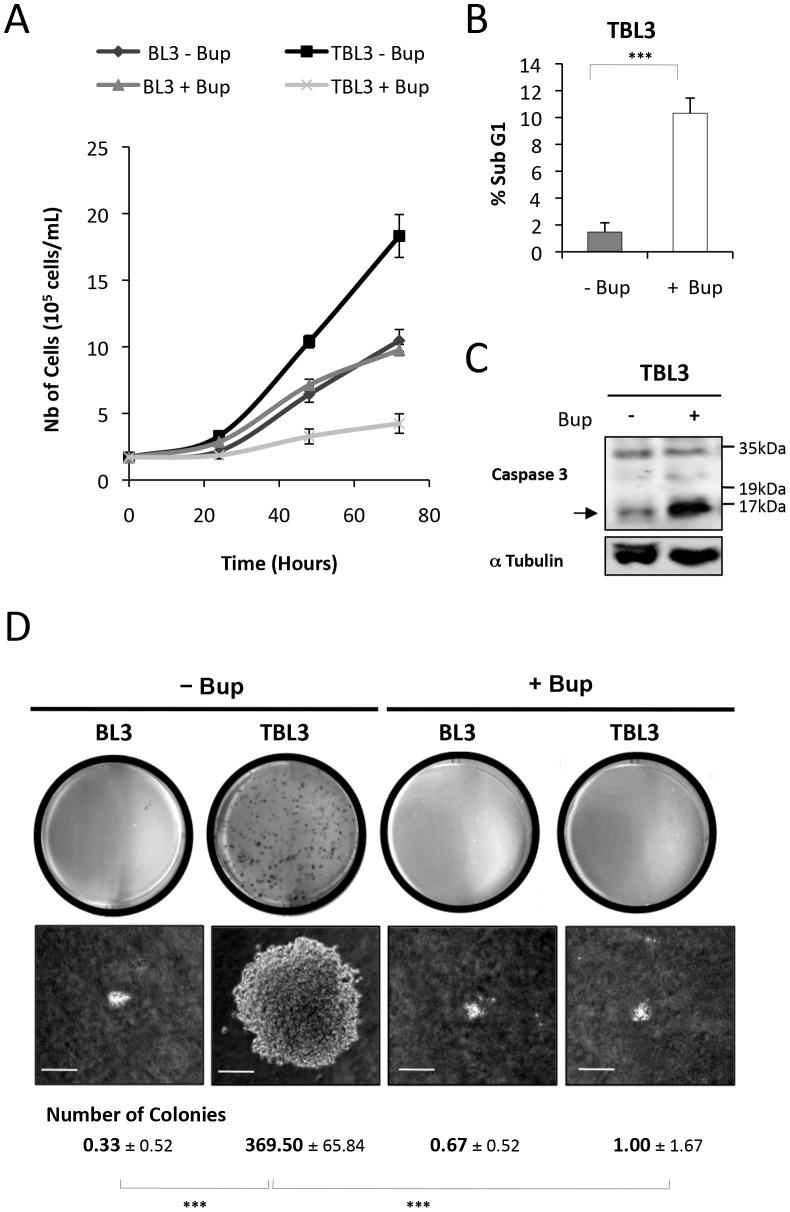
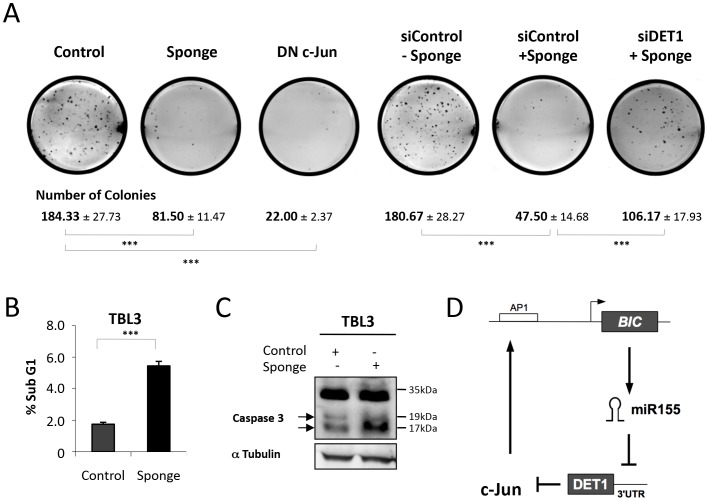
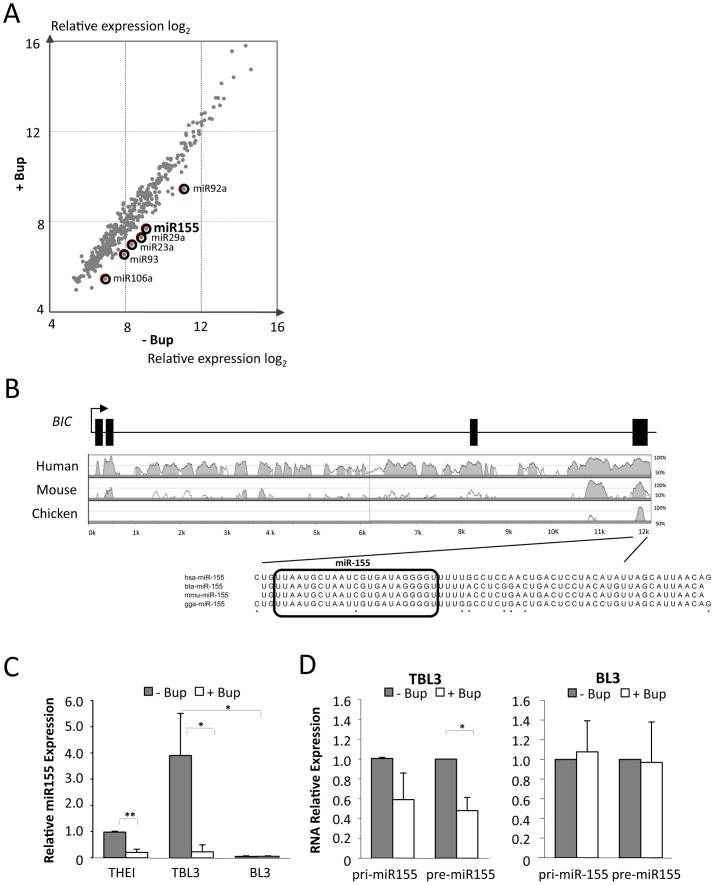
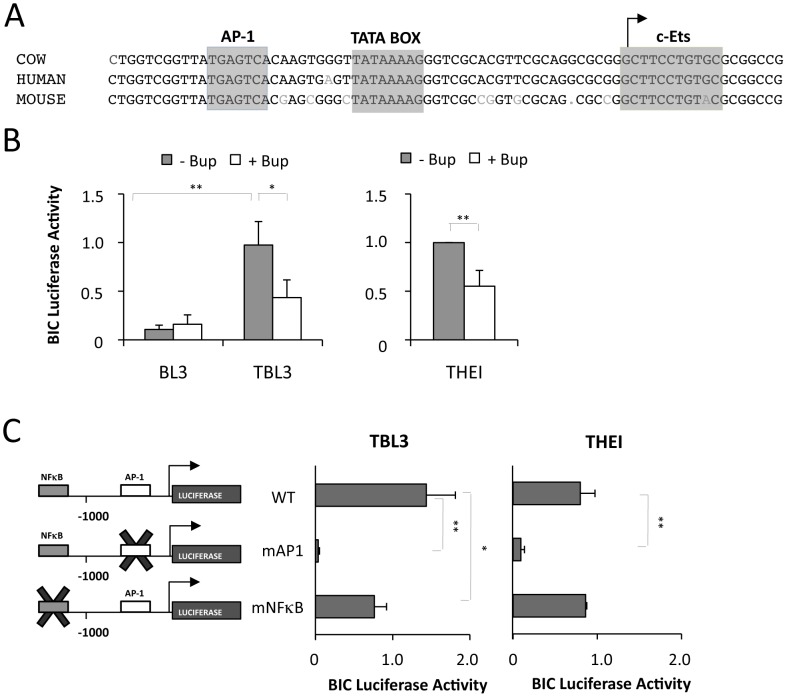
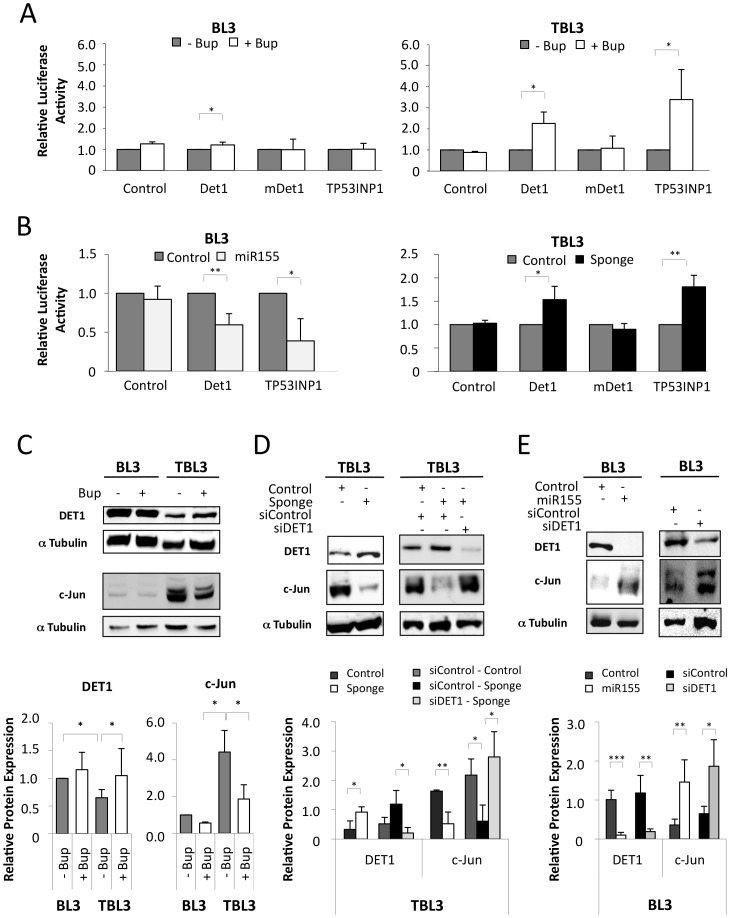
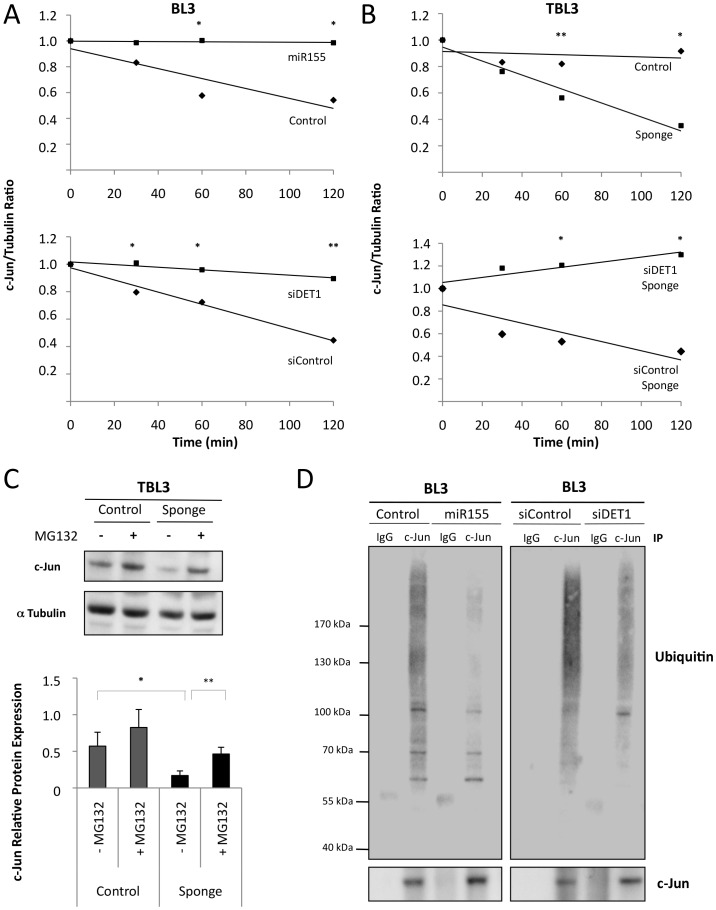
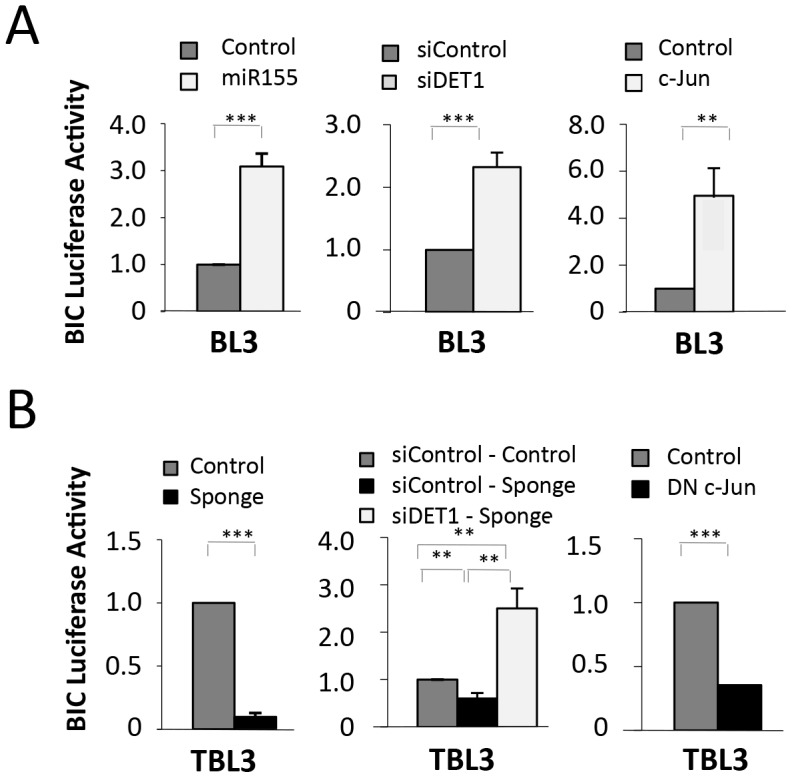
The intracellular parasite Theileria is the only eukaryote known to transform its mammalian host cells. We investigated the host mechanisms involved in parasite-induced transformation phenotypes. Tumour progression is a multistep process, yet 'oncogene addiction' implies that cancer cell growth and survival can be impaired by inactivating a single gene, offering a rationale for targeted molecular therapies. Furthermore, feedback loops often act as key regulatory hubs in tumorigenesis. We searched for microRNAs involved in addiction to regulatory loops in leukocytes infected with Theileria parasites. We show that Theileria transformation involves induction of the host bovine oncomiR miR-155, via the c-Jun transcription factor and AP-1 activity. We identified a novel miR-155 target, DET1, an evolutionarily-conserved factor involved in c-Jun ubiquitination. We show that miR-155 expression led to repression of DET1 protein, causing stabilization of c-Jun and driving the promoter activity of the BIC transcript containing miR-155. This positive feedback loop is critical to maintain the growth and survival of Theileria-infected leukocytes; transformation is reversed by inhibiting AP-1 activity or miR-155 expression. This is the first demonstration that Theileria parasites induce the expression of host non-coding RNAs and highlights the importance of a novel feedback loop in maintaining the proliferative phenotypes induced upon parasite infection. Hence, parasite infection drives epigenetic rewiring of the regulatory circuitry of host leukocytes, placing miR-155 at the crossroads between infection, regulatory circuits and transformation.
细胞内寄生虫泰勒虫是已知唯一能够转化其哺乳动物宿主细胞的真核生物。我们研究了宿主参与寄生虫诱导的转化表型的机制。肿瘤进展是一个多步骤的过程,但“癌基因成瘾”意味着,通过失活单个基因可以损害癌细胞的生长和存活,为靶向分子治疗提供了理论依据。此外,反馈回路通常作为肿瘤发生的关键调节枢纽。我们搜索了感染泰勒虫的白细胞中与成瘾性调节回路相关的 microRNAs。我们表明,通过 c-Jun 转录因子和 AP-1 活性,泰勒虫转化涉及宿主牛致癌 microRNA miR-155 的诱导。我们确定了一个新的 miR-155 靶标 DET1,它是一种参与 c-Jun 泛素化的进化保守因子。我们表明,miR-155 的表达导致 DET1 蛋白的抑制,导致 c-Jun 的稳定,并驱动包含 miR-155 的 BIC 转录物的启动子活性。这个正反馈回路对于维持感染的白细胞的生长和存活至关重要;通过抑制 AP-1 活性或 miR-155 的表达来逆转转化。这是第一个证明泰勒虫寄生虫诱导宿主非编码 RNA 表达的例子,并强调了在维持寄生虫感染诱导的增殖表型中新型反馈回路的重要性。因此,寄生虫感染导致宿主白细胞的调节电路的表观遗传重排,使 miR-155 处于感染、调节电路和转化的交汇点。