Sharpe Melissa J, Killcross Simon
School of Psychology, University of New South Wales Sydney, NSW, Australia.
Front Syst Neurosci. 2015 Jan 12;8:235. doi: 10.3389/fnsys.2014.00235. eCollection 2014.
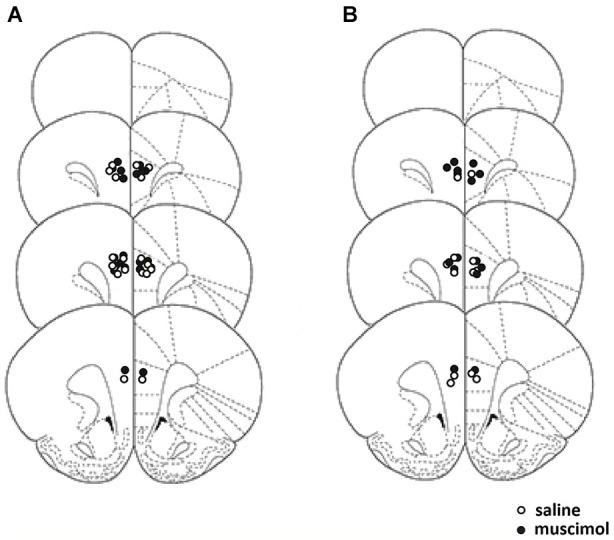
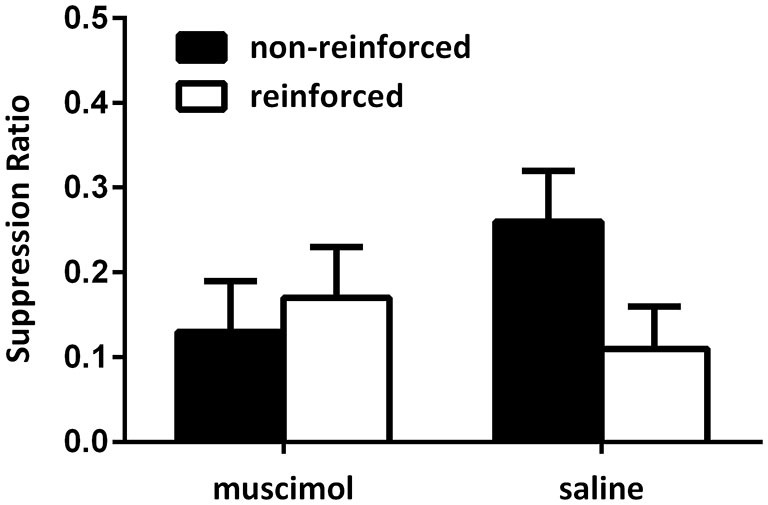
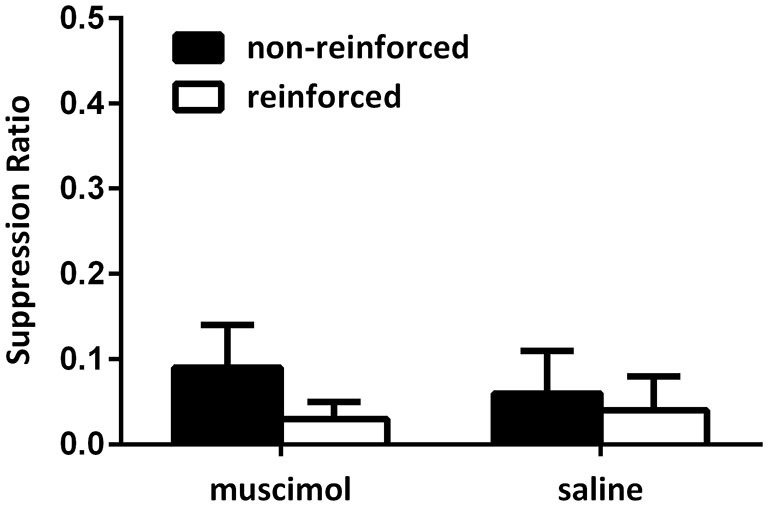
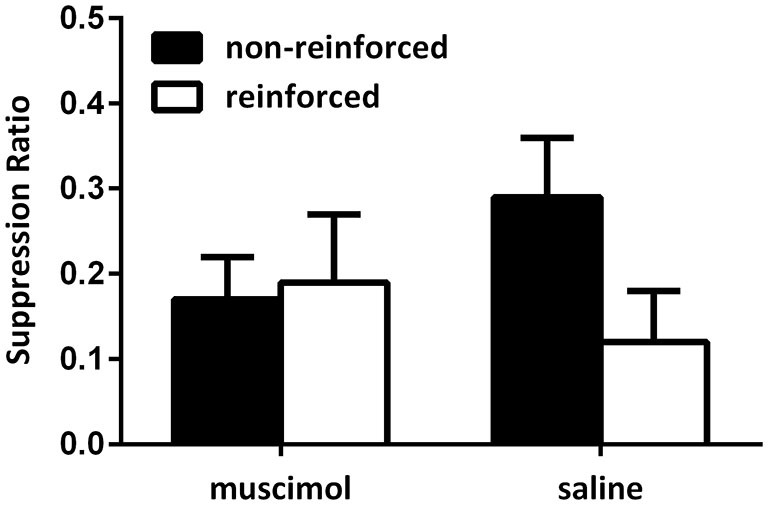
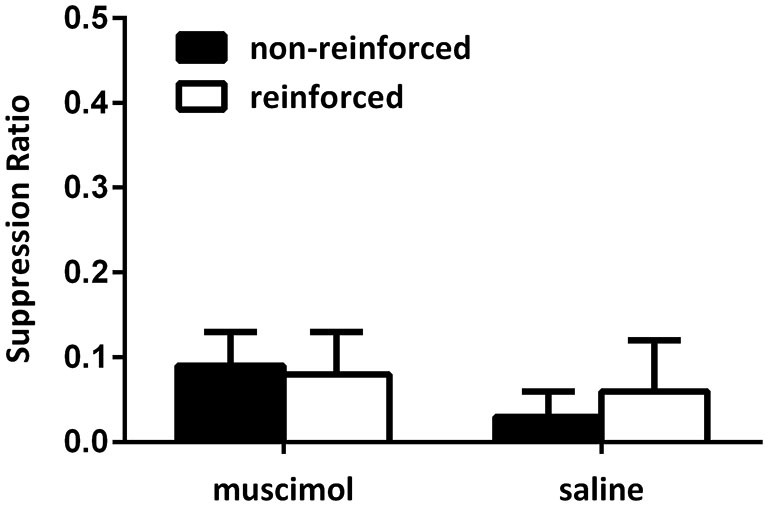
The prelimbic (PL) cortex allows rodents to adapt their responding under changing experimental circumstances. In line with this, the PL cortex has been implicated in strategy set shifting, attentional set shifting, the resolution of response conflict, and the modulation of attention towards predictive stimuli. One interpretation of this research is that the PL cortex is involved in using information garnered from higher-order cues in the environment to modulate how an animal responds to environmental stimuli. However, data supporting this view of PL function in the aversive domain are lacking. In the following experiments, we attempted to answer two questions. Firstly, we wanted to investigate whether the role of the PL cortex in using higher-order cues to influence responding generalizes across appetitive and aversive domains. Secondly, as much of the research has focused on a role for the PL cortex in performance, we wanted to assess whether this region is also involved in the acquisition of hierarchal associations which facilitate an ability to use higher-order cues to modulate responding. In order to answer these questions, we assessed the impact of PL inactivation during both the acquisition and expression of a contextual bi-conditional discrimination. A contextual bi-conditional discrimination involves presenting two stimuli. In one context, one stimulus is paired with shock while the other is presented without shock. In another context, these contingencies are reversed. Thus, animals have to use the present contextual cues to disambiguate the significance of the stimulus and respond appropriately. We found that PL inactivation disrupted both the encoding and expression of these context-dependent associations. This supports a role for the PL cortex in allowing higher-order cues to modulate both learning about, and responding towards, different cues. We discuss these findings in the broader context of functioning in the medial prefrontal cortex (PFC).
前边缘(PL)皮质使啮齿动物能够在不断变化的实验环境中调整它们的反应。与此一致的是,PL皮质与策略转换、注意力转换、反应冲突的解决以及对预测性刺激的注意力调节有关。对这项研究的一种解释是,PL皮质参与利用从环境中的高阶线索获取的信息来调节动物对环境刺激的反应方式。然而,缺乏支持这种关于PL皮质在厌恶领域功能观点的数据。在以下实验中,我们试图回答两个问题。首先,我们想研究PL皮质在利用高阶线索影响反应方面的作用是否在奖赏性和厌恶领域中具有普遍性。其次,由于许多研究都集中在PL皮质在行为表现中的作用,我们想评估这个区域是否也参与了层次关联的习得,这种关联有助于利用高阶线索来调节反应的能力。为了回答这些问题,我们评估了在情境双条件辨别学习的习得和表达过程中PL失活的影响。情境双条件辨别涉及呈现两种刺激。在一种情境中,一种刺激与电击配对,而另一种刺激不伴随电击呈现。在另一种情境中,这些条件反过来。因此,动物必须利用当前的情境线索来消除刺激意义的歧义并做出适当反应。我们发现PL失活破坏了这些依赖情境的关联的编码和表达。这支持了PL皮质在允许高阶线索调节对不同线索的学习和反应方面的作用。我们将在更广泛的内侧前额叶皮质(PFC)功能背景下讨论这些发现。