von Rossum Anna, Laher Ismail, Choy Jonathan C
Department of Molecular Biology and Biochemistry, Simon Fraser University , Burnaby, BC , Canada.
Department of Anaesthesiology, Pharmacology and Therapeutics, University of British Columbia , Vancouver, BC , Canada.
Front Immunol. 2015 Jan 12;5:684. doi: 10.3389/fimmu.2014.00684. eCollection 2014.
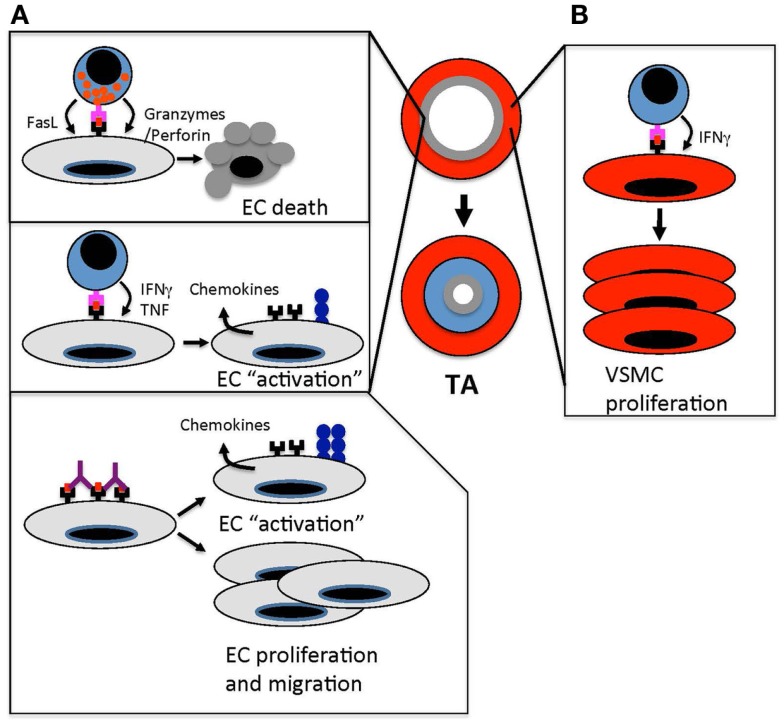
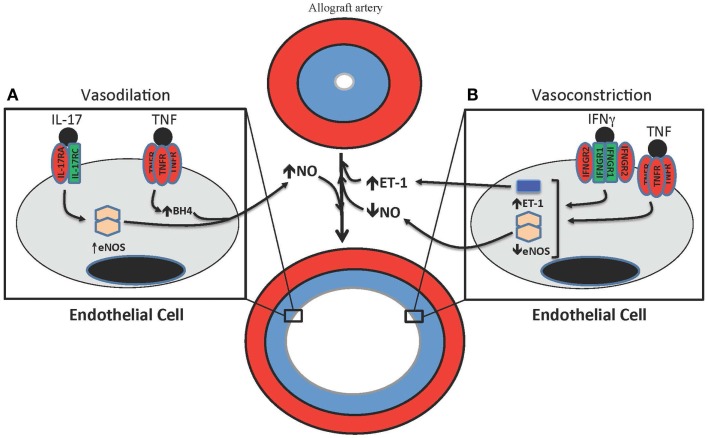
Solid organ transplantation is the only treatment for end-stage organ failure but this life-saving procedure is limited by immune-mediated rejection of most grafts. Blood vessels within transplanted organs are targeted by the immune system and the resultant vascular damage is a main contributor to acute and chronic graft failure. The vasculature is a unique tissue with specific immunological properties. This review discusses the interactions of the immune system with blood vessels in transplanted organs and how these interactions lead to the development of transplant arteriosclerosis, a leading cause of heart transplant failure.
实体器官移植是终末期器官衰竭的唯一治疗方法,但这种挽救生命的手术受到大多数移植物免疫介导排斥反应的限制。移植器官内的血管是免疫系统的攻击目标,由此产生的血管损伤是急性和慢性移植物衰竭的主要原因。脉管系统是一种具有特定免疫学特性的独特组织。本文综述了免疫系统与移植器官血管之间的相互作用,以及这些相互作用如何导致移植动脉硬化的发生,而移植动脉硬化是心脏移植失败的主要原因。