Weinbuch Daniel, Cheung Jason K, Ketelaars Jurgen, Filipe Vasco, Hawe Andrea, den Engelsman John, Jiskoot Wim
Coriolis Pharma, Am Klopferspitz 19, 82152, Martinsried-Munich, Germany.
Pharm Res. 2015 Jul;32(7):2419-27. doi: 10.1007/s11095-015-1634-1. Epub 2015 Jan 30.
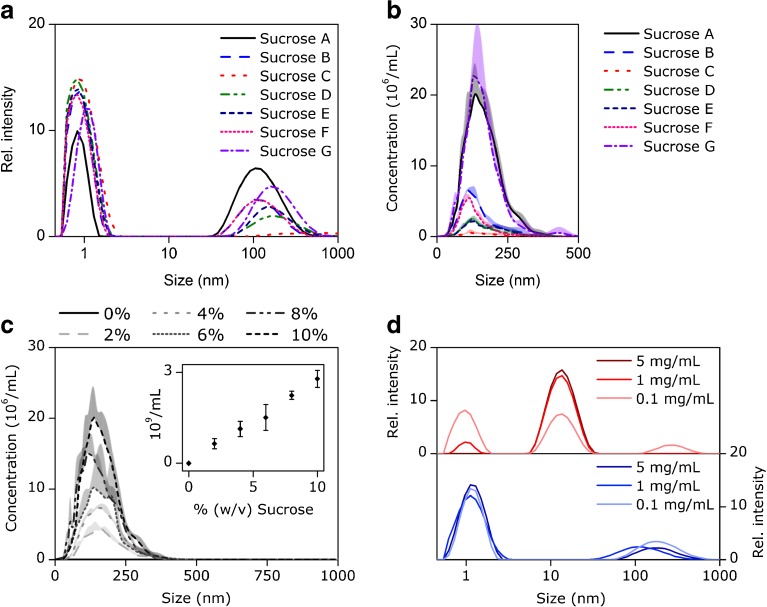
In the present study we investigated the root-cause of an interference signal (100-200 nm) of sugar-containing solutions in dynamic light scattering (DLS) and nanoparticle tracking analysis (NTA) and its consequences for the analysis of particles in biopharmaceutical drug products.
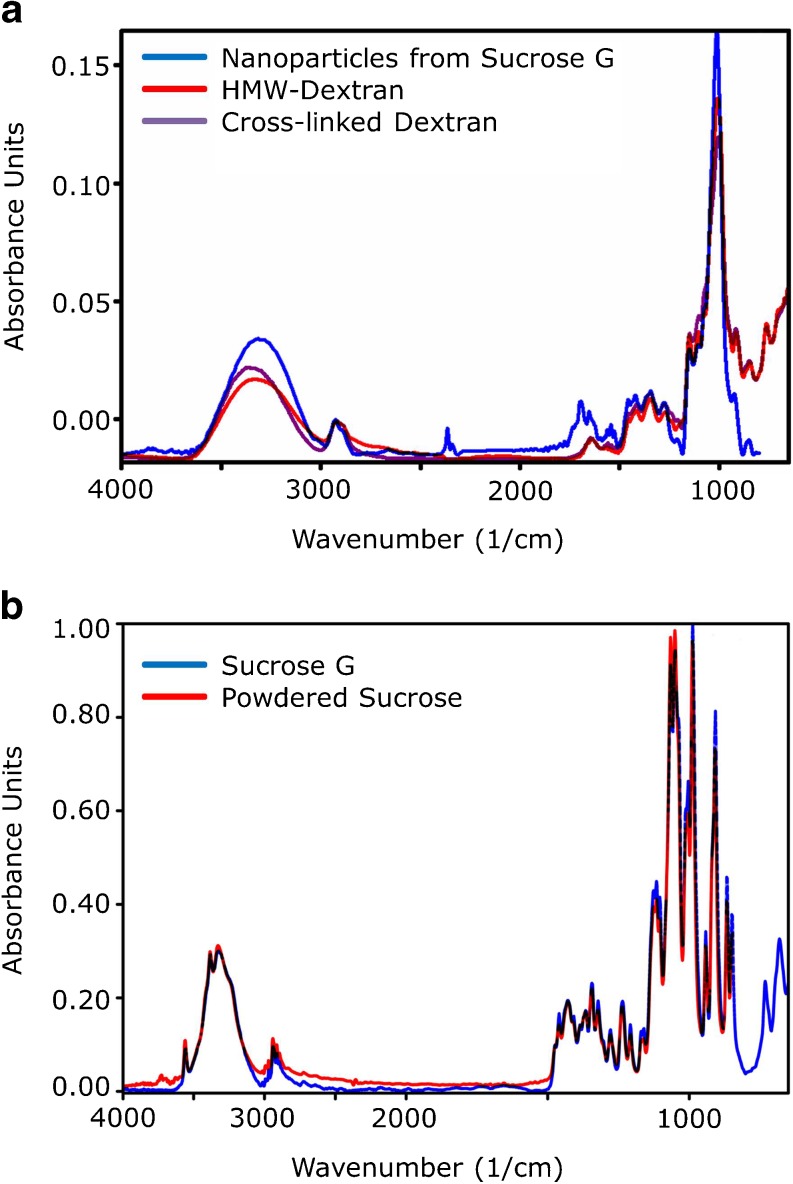
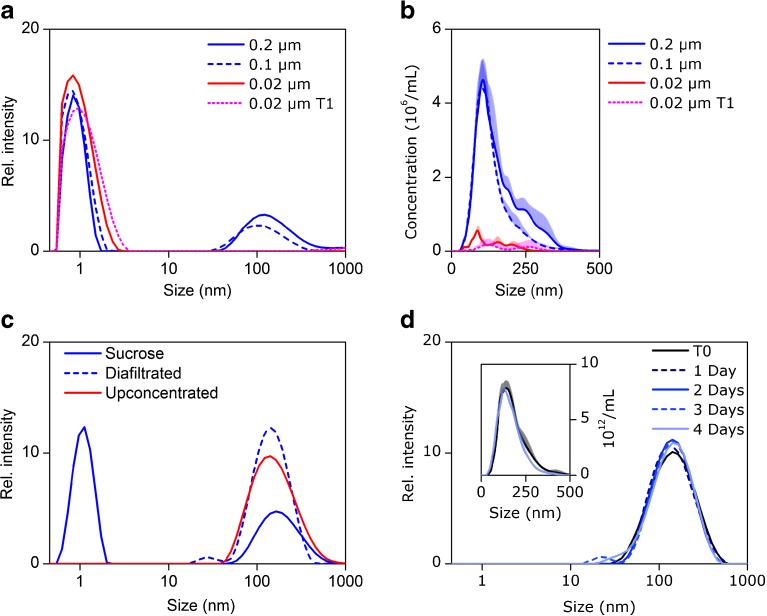
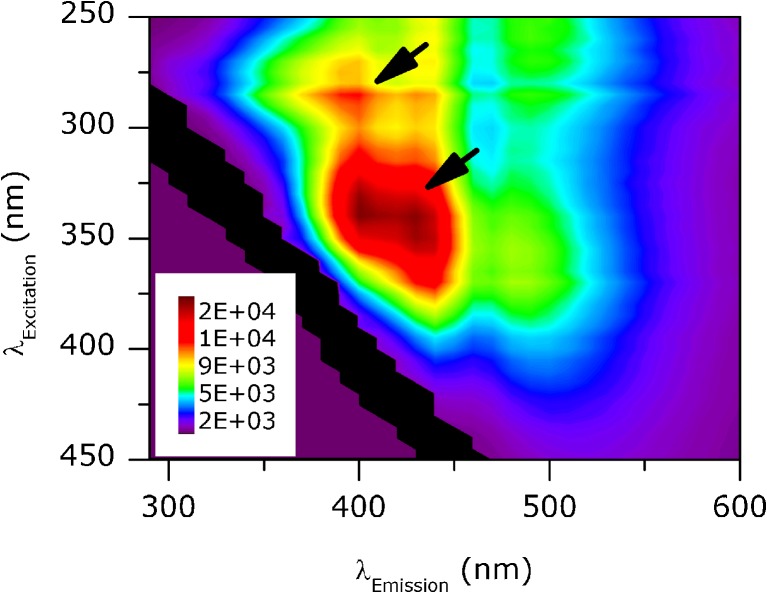
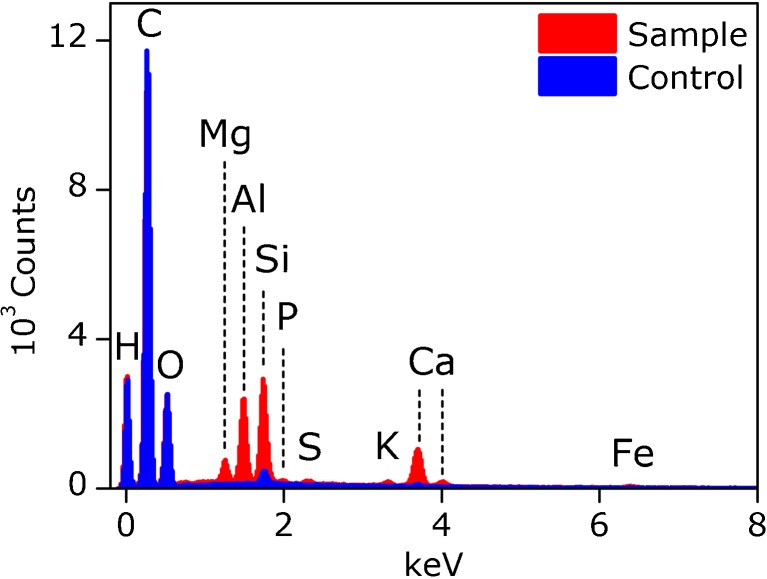
Different sugars as well as sucrose of various purity grades, suppliers and lots were analyzed by DLS and NTA before and (only for sucrose) after treatment by ultrafiltration and diafiltration. Furthermore, Fourier transform infrared (FTIR) microscopy, scanning electron microscopy coupled energy-dispersive X-ray spectroscopy (SEM-EDX), and fluorescence spectroscopy were employed.
The intensity of the interference signal differed between sugar types, sucrose of various purity grades, suppliers, and batches of the same supplier. The interference signal could be successfully eliminated from a sucrose solution by ultrafiltration (0.02 μm pore size). Nanoparticles, apparently composed of dextrans, ash components and aromatic colorants that were not completely removed during the sugar refinement process, were found responsible for the interference and were successfully purified from sucrose solutions.
The interference signal of sugar-containing solutions in DLS and NTA is due to the presence of nanoparticulate impurities. The nanoparticles present in sucrose were identified as agglomerates of various impurities originating from raw materials.
在本研究中,我们调查了含糖溶液在动态光散射(DLS)和纳米颗粒跟踪分析(NTA)中产生干扰信号(100 - 200纳米)的根本原因及其对生物制药产品中颗粒分析的影响。
通过DLS和NTA对不同糖类以及不同纯度等级、供应商和批次的蔗糖进行分析,在超滤和渗滤处理之前(仅对蔗糖进行处理之后)进行分析。此外,还采用了傅里叶变换红外(FTIR)显微镜、扫描电子显微镜联用能量色散X射线光谱仪(SEM - EDX)和荧光光谱法。
干扰信号的强度在不同糖类、不同纯度等级的蔗糖、不同供应商以及同一供应商的不同批次之间存在差异。通过超滤(孔径0.02μm)可以成功地从蔗糖溶液中消除干扰信号。发现纳米颗粒显然由葡聚糖、灰分成分和在糖精制过程中未完全去除的芳香族色素组成,这些纳米颗粒是干扰的原因,并已成功地从蔗糖溶液中纯化出来。
含糖溶液在DLS和NTA中的干扰信号是由于存在纳米颗粒杂质。蔗糖中存在的纳米颗粒被鉴定为源自原材料的各种杂质的聚集体。