Strating Jeroen R P M, van der Linden Lonneke, Albulescu Lucian, Bigay Joëlle, Arita Minetaro, Delang Leen, Leyssen Pieter, van der Schaar Hilde M, Lanke Kjerstin H W, Thibaut Hendrik Jan, Ulferts Rachel, Drin Guillaume, Schlinck Nina, Wubbolts Richard W, Sever Navdar, Head Sarah A, Liu Jun O, Beachy Philip A, De Matteis Maria A, Shair Matthew D, Olkkonen Vesa M, Neyts Johan, van Kuppeveld Frank J M
Virology Division, Department of Infectious Diseases and Immunology, Faculty of Veterinary Medicine, Utrecht University, 3584CL Utrecht, the Netherlands; Department of Medical Microbiology, Radboud University Nijmegen Medical Centre, 6525GA Nijmegen, the Netherlands.
Department of Medical Microbiology, Radboud University Nijmegen Medical Centre, 6525GA Nijmegen, the Netherlands; Laboratory of Virology and Chemotherapy, Rega Institute for Medical Research, University of Leuven, 3000 Leuven, Belgium.
Cell Rep. 2015 Feb 3;10(4):600-15. doi: 10.1016/j.celrep.2014.12.054. Epub 2015 Jan 29.
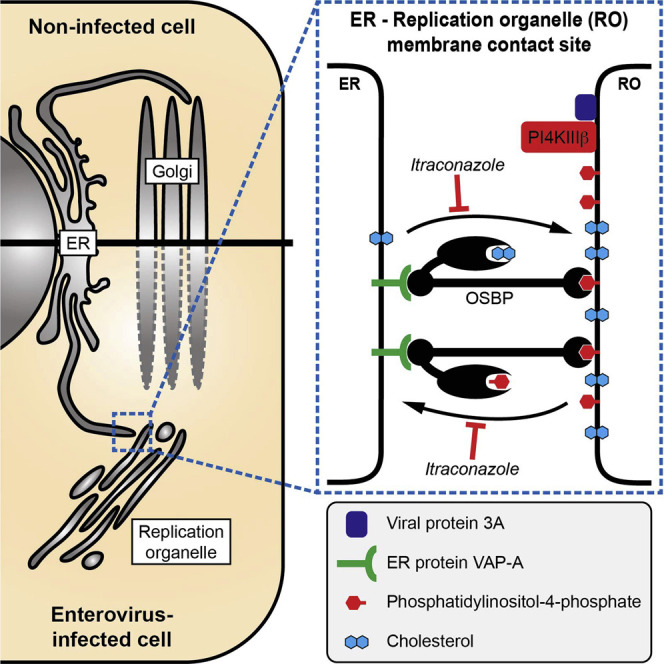
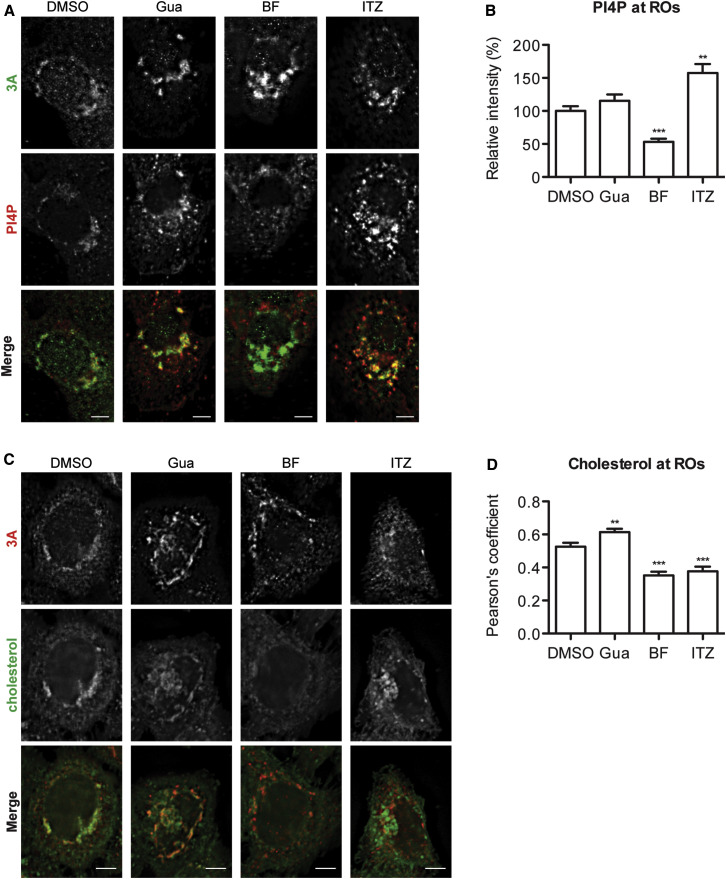
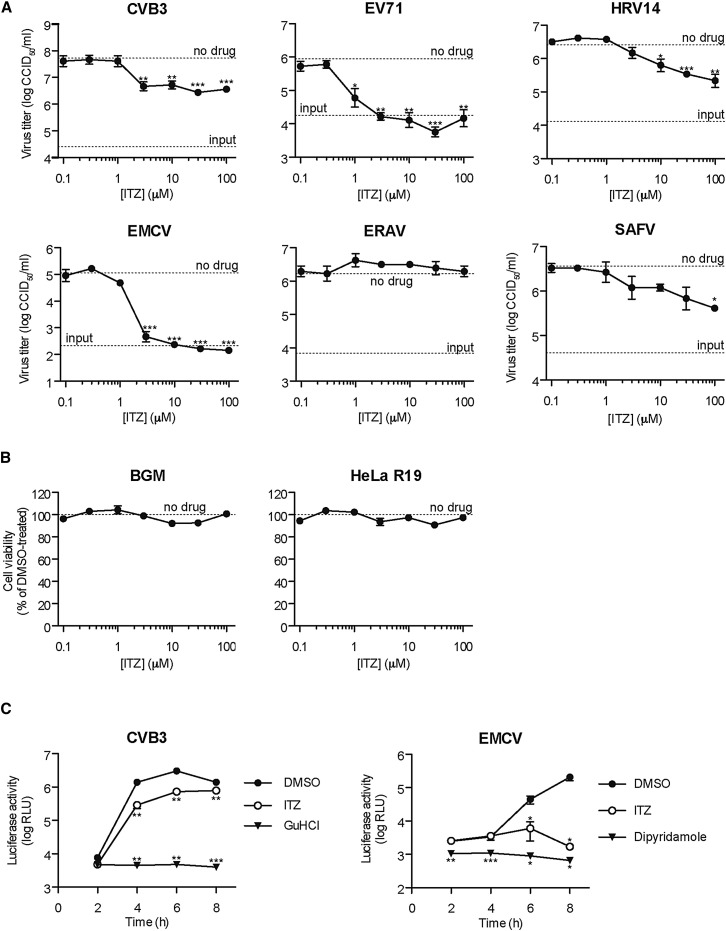
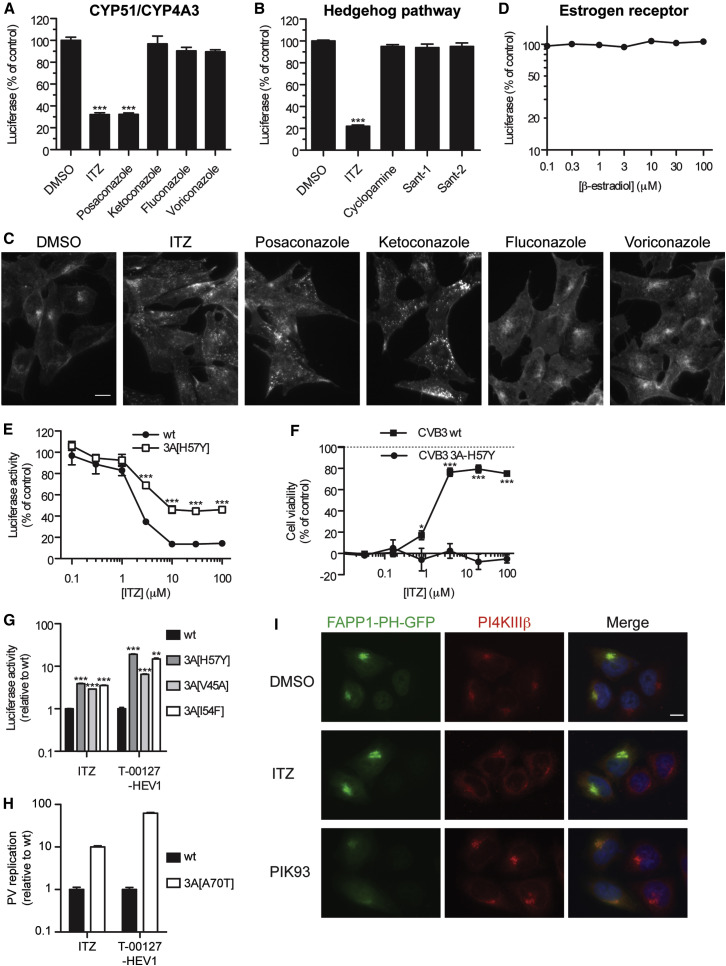
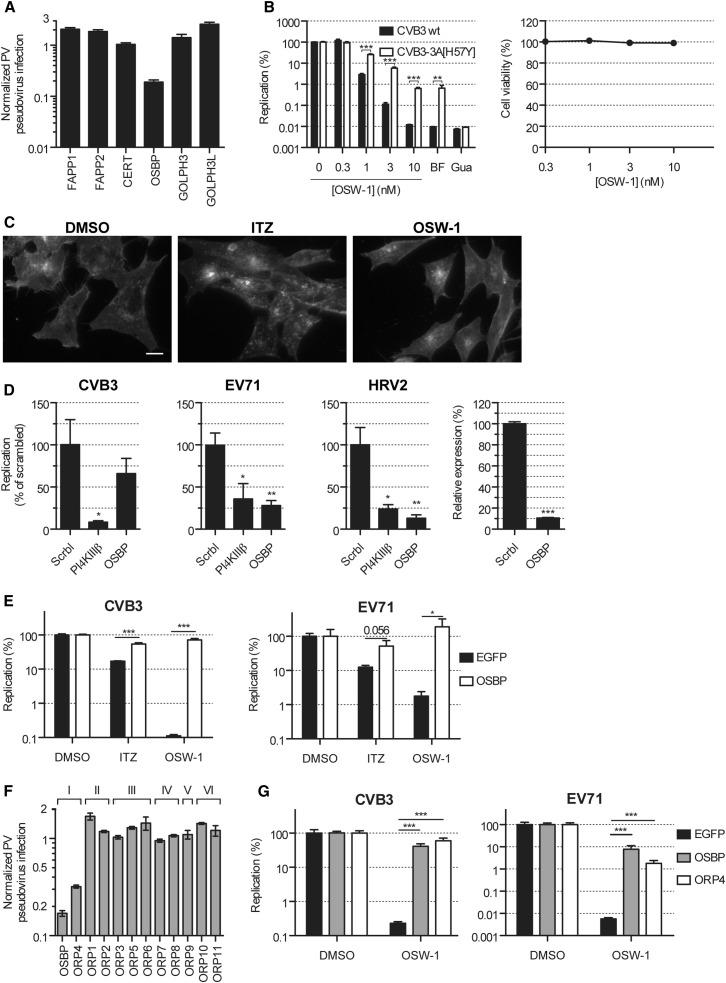
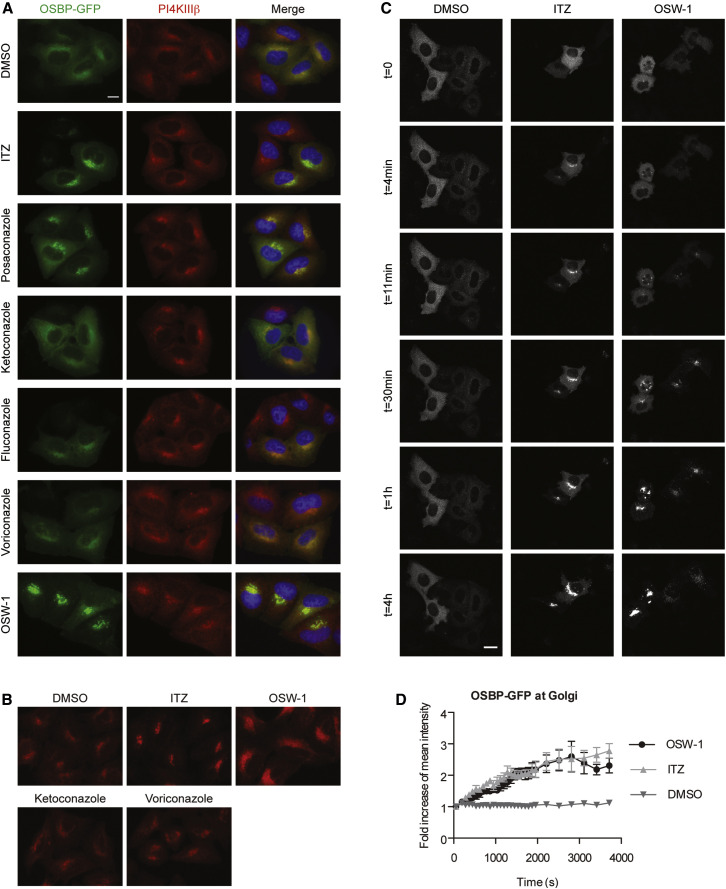
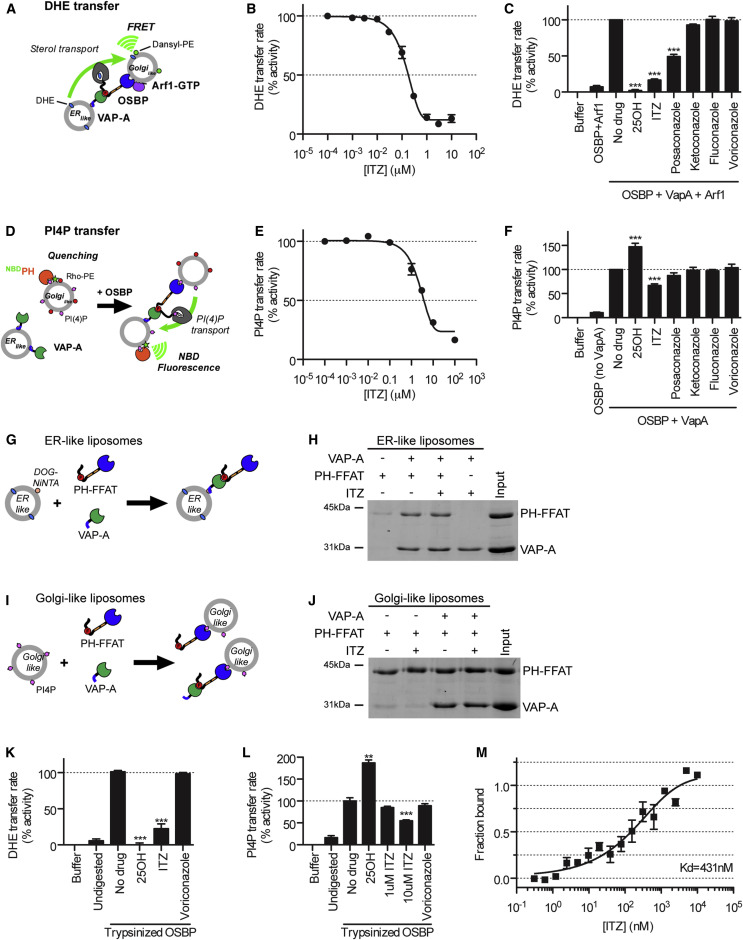
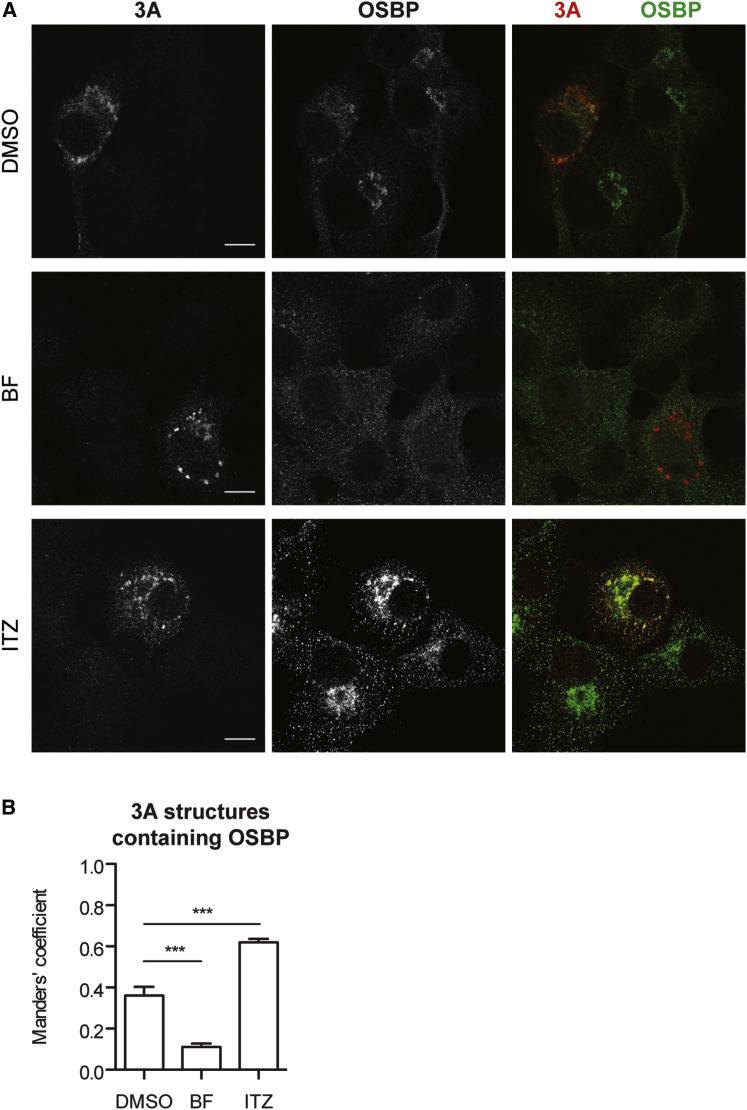
Itraconazole (ITZ) is a well-known antifungal agent that also has anticancer activity. In this study, we identify ITZ as a broad-spectrum inhibitor of enteroviruses (e.g., poliovirus, coxsackievirus, enterovirus-71, rhinovirus). We demonstrate that ITZ inhibits viral RNA replication by targeting oxysterol-binding protein (OSBP) and OSBP-related protein 4 (ORP4). Consistently, OSW-1, a specific OSBP/ORP4 antagonist, also inhibits enterovirus replication. Knockdown of OSBP inhibits virus replication, whereas overexpression of OSBP or ORP4 counteracts the antiviral effects of ITZ and OSW-1. ITZ binds OSBP and inhibits its function, i.e., shuttling of cholesterol and phosphatidylinositol-4-phosphate between membranes, thereby likely perturbing the virus-induced membrane alterations essential for viral replication organelle formation. ITZ also inhibits hepatitis C virus replication, which also relies on OSBP. Together, these data implicate OSBP/ORP4 as molecular targets of ITZ and point to an essential role of OSBP/ORP4-mediated lipid exchange in virus replication that can be targeted by antiviral drugs.
伊曲康唑(ITZ)是一种著名的抗真菌药物,同时也具有抗癌活性。在本研究中,我们确定ITZ为肠道病毒(如脊髓灰质炎病毒、柯萨奇病毒、肠道病毒71型、鼻病毒)的广谱抑制剂。我们证明ITZ通过靶向氧化甾醇结合蛋白(OSBP)和OSBP相关蛋白4(ORP4)来抑制病毒RNA复制。同样,OSW-1,一种特异性的OSBP/ORP4拮抗剂,也能抑制肠道病毒复制。敲低OSBP可抑制病毒复制,而OSBP或ORP4的过表达则可抵消ITZ和OSW-1的抗病毒作用。ITZ与OSBP结合并抑制其功能,即胆固醇和磷脂酰肌醇-4-磷酸在膜之间的穿梭,从而可能扰乱病毒复制细胞器形成所必需的病毒诱导的膜改变。ITZ还抑制丙型肝炎病毒复制,丙型肝炎病毒复制也依赖于OSBP。总之,这些数据表明OSBP/ORP4是ITZ的分子靶点,并指出OSBP/ORP4介导的脂质交换在病毒复制中起关键作用,可被抗病毒药物靶向。