Halvorsen Peter, Sharma Hari Shanker, Basu Samar, Wiklund Lars
Department of Surgical Sciences/Anesthesiology and Intensive Care Medicine, Uppsala University , SE-751 85 Uppsala , Sweden.
Ups J Med Sci. 2015 Mar;120(1):11-9. doi: 10.3109/03009734.2015.1010665. Epub 2015 Feb 3.
Our aim was to investigate cerebral and cardiac tissue injury subsequent to use of vasopressin and adrenaline in combination compared with vasopressin alone during cardiopulmonary resuscitation (CPR).
In a randomized, prospective, laboratory animal study 28 anesthetized piglets were subject to a 12-min untreated cardiac arrest and subsequent CPR. After 1 min of CPR, 10 of the piglets received 0.4 U/kg of arg(8)-vasopressin (V group), and 10 piglets received 0.4 U/kg of arg(8)-vasopressin, 1 min later followed by 20 µg/kg body weight of adrenaline, and another 1 min later continuous administration (10 µg/kg/min) of adrenaline (VA group). After 8 min of CPR, the piglets were defibrillated and monitored for another 3 h. Then they were killed and the brain immediately removed pending histological analysis.
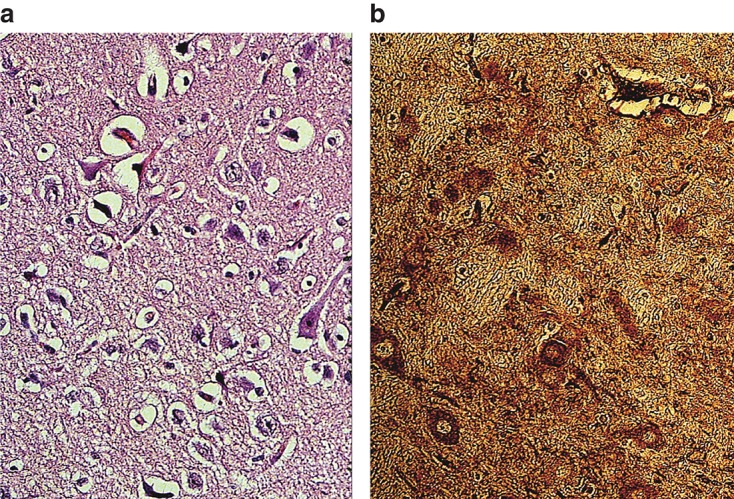
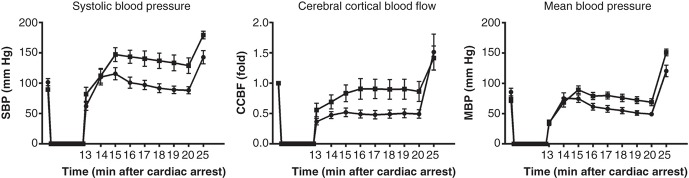
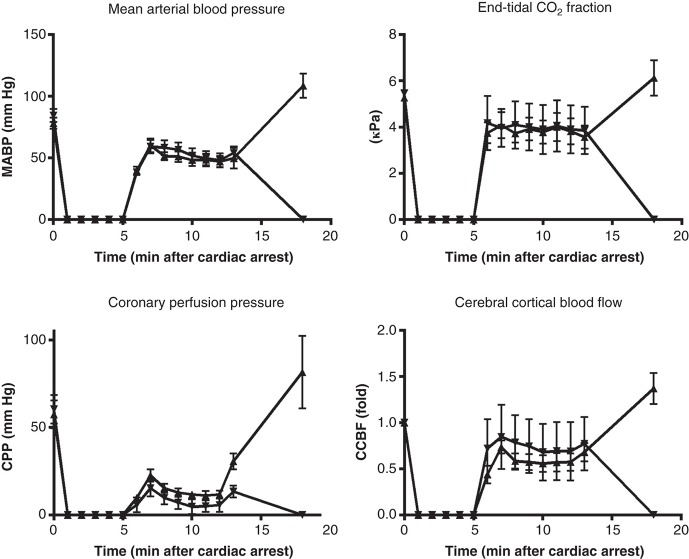
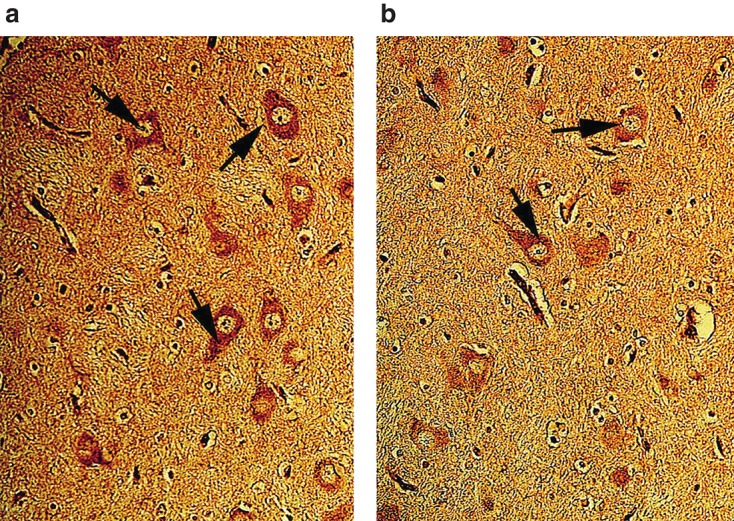
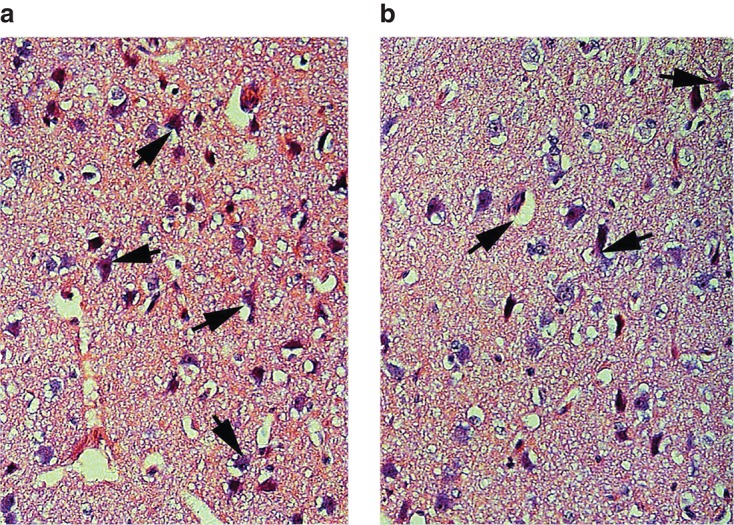
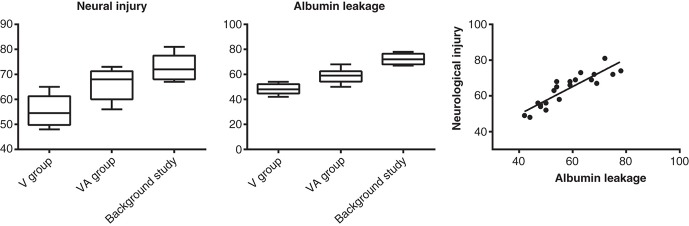
During CPR, the VA group had higher mean blood pressure and cerebral cortical blood flow (CCBF) but similar coronary perfusion pressure. After restoration of spontaneous circulation there was no difference in the pressure variables, but CCBF tended to be (36% ± 16%) higher in the V group. Neuronal injury and signs of a disrupted blood-brain barrier (BBB) were greater, 20% ± 4% and 21% ± 4%, respectively, in the VA group. In a background study of repeated single doses of adrenaline every third minute after 5 min arrest but otherwise the same protocol, histological measurements showed even worse neural injury and disruption of the BBB.
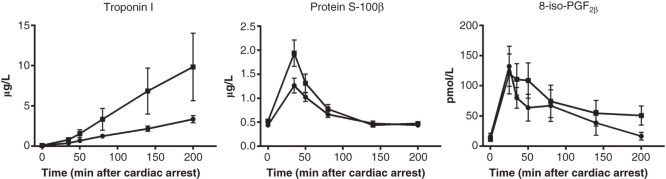
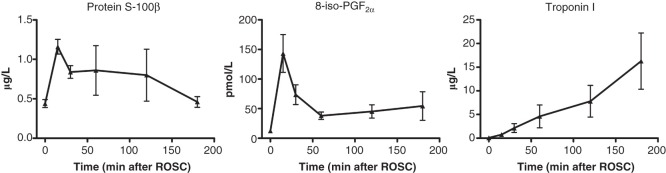
Combined use of vasopressin and adrenaline caused greater signs of cerebral and cardiac injury than use of vasopressin alone during experimental cardiopulmonary resuscitation.
我们的目的是研究在心肺复苏(CPR)期间,与单独使用血管加压素相比,联合使用血管加压素和肾上腺素后对脑和心脏组织的损伤情况。
在一项随机、前瞻性的实验室动物研究中,28只麻醉的仔猪经历了12分钟未经处理的心脏骤停及随后的CPR。CPR 1分钟后,10只仔猪接受0.4 U/kg的精氨酸加压素(V组),另外10只仔猪接受0.4 U/kg的精氨酸加压素,1分钟后给予20 μg/kg体重的肾上腺素,再过1分钟后持续输注(10 μg/kg/min)肾上腺素(VA组)。CPR 8分钟后,对仔猪进行除颤并再监测3小时。然后将它们处死,立即取出大脑以待组织学分析。
在CPR期间,VA组的平均血压和大脑皮质血流量(CCBF)较高,但冠状动脉灌注压相似。自主循环恢复后,压力变量无差异,但V组的CCBF倾向于高(36%±16%)。VA组的神经元损伤和血脑屏障(BBB)破坏迹象更严重,分别为20%±4%和21%±4%。在一项背景研究中,心脏骤停5分钟后每三分钟重复单次给予肾上腺素,其他方案相同,组织学测量显示神经损伤和BBB破坏更严重。
在实验性心肺复苏期间,联合使用血管加压素和肾上腺素比单独使用血管加压素导致更明显的脑和心脏损伤迹象。