Li Jiong-Tang, Hou Guang-Yuan, Kong Xiang-Fei, Li Chun-Yan, Zeng Jian-Ming, Li Heng-De, Xiao Gui-Bao, Li Xiao-Min, Sun Xiao-Wen
CAFS Key Laboratory of Aquatic Genomics and Beijing Key Laboratory of Fishery Biotechnology, Centre for Applied Aquatic Genomics, Chinese Academy of Fishery Sciences, Beijing, 100141, China.
1] CAFS Key Laboratory of Aquatic Genomics and Beijing Key Laboratory of Fishery Biotechnology, Centre for Applied Aquatic Genomics, Chinese Academy of Fishery Sciences, Beijing, 100141, China [2] College of Fisheries and Life Science, Shanghai Ocean University, Shanghai, 201306, China.
Sci Rep. 2015 Feb 3;5:8199. doi: 10.1038/srep08199.
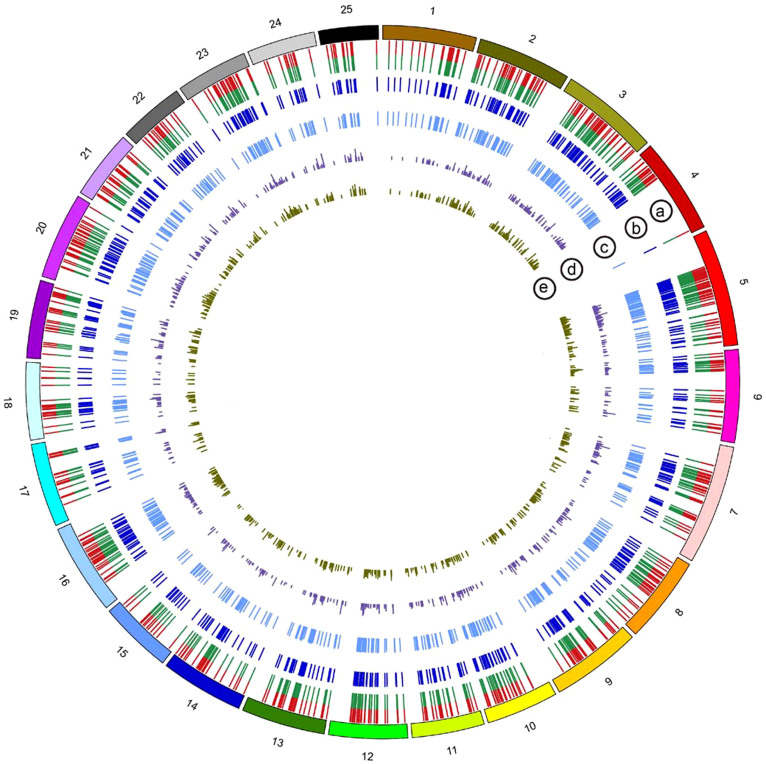
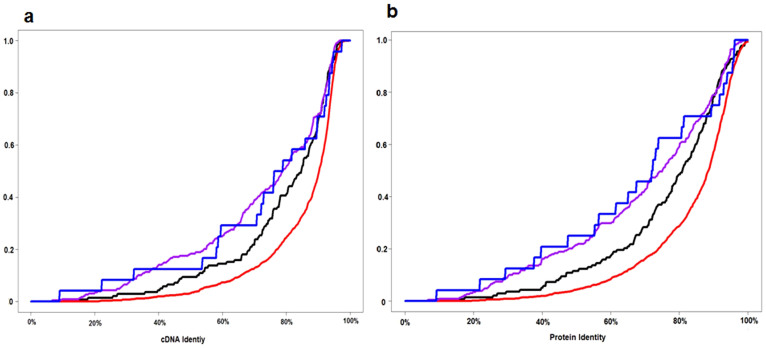
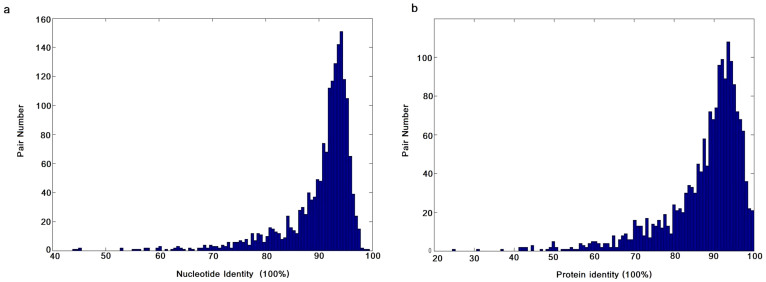
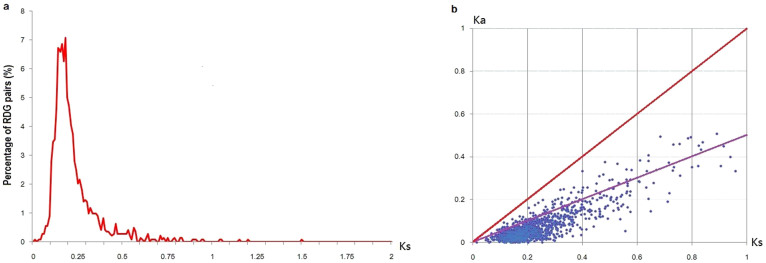
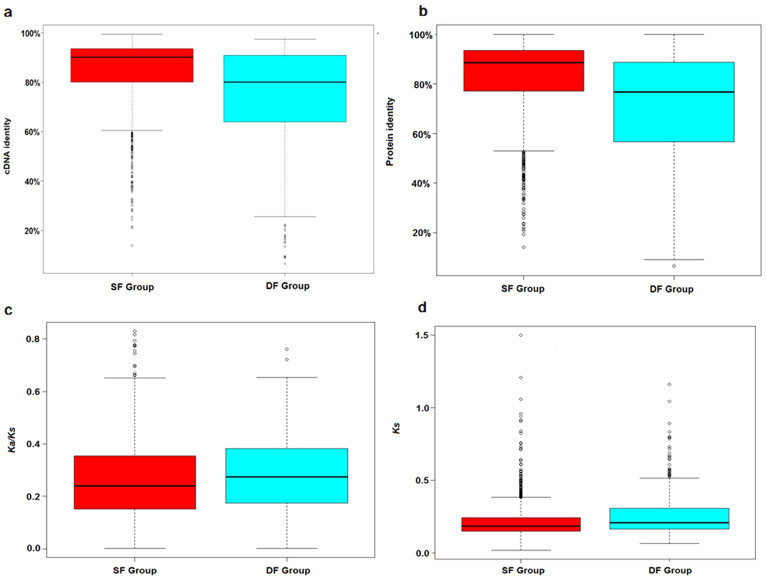
Whole genome duplication (WGD) results in extensive genetic redundancy. In plants and yeast, WGD is followed by rapid gene deletions and intense expression differentiation with slow functional divergence. However, the early evolution of the gene differentiation processes is poorly understood in vertebrates because almost all studied WGDs are extremely ancient, and the genomes have returned to a diploid status. Common carp had a very recent fourth round of WGD dated to 8 million years ago. It therefore constitutes an ideal model to study early-stage functional divergence and expression differentiation in vertebrates. We identified 1,757 pairs of recently duplicated genes (RDGs) originating from this specific WGD and found that most ancestral genes were retained in duplicate. Most RDGs were conserved and under selective pressure. Gene expression analysis across six tissues revealed that 92.5% of RDG pairs were co-expressed in at least one tissue and that the expression of nearly half pairs ceased to be strongly correlated, indicating slow spatial divergence but rapid expression dissociation. Functional comparison revealed that 25% of pairs had functional divergence, of which neo- and sub-functionalization were the main outcomes. Our analysis revealed slow gene loss but rapid and intense expression and function differentiation after WGD.
全基因组复制(WGD)会导致广泛的基因冗余。在植物和酵母中,WGD之后会迅速发生基因缺失以及强烈的表达分化,而功能分化则较为缓慢。然而,在脊椎动物中,由于几乎所有已研究的WGD都极为古老,且基因组已恢复到二倍体状态,因此对基因分化过程的早期进化了解甚少。鲤鱼在距今800万年前经历了最近一次的第四轮WGD。因此,它构成了研究脊椎动物早期功能分化和表达分化的理想模型。我们鉴定出了1757对源自这一特定WGD的近期复制基因(RDG),并发现大多数祖先基因都以重复形式保留了下来。大多数RDG都得到了保守且处于选择压力之下。对六个组织进行的基因表达分析表明,92.5%的RDG对在至少一个组织中是共表达的,并且近一半的基因对表达不再高度相关,这表明空间分化缓慢但表达解离迅速。功能比较显示,25%的基因对存在功能分化,其中新功能化和亚功能化是主要结果。我们的分析揭示了WGD后基因丢失缓慢,但表达和功能迅速且强烈地分化。