Sato Tomohito, Kinoshita Manabu, Yamamoto Tetsuo, Ito Masataka, Nishida Takafumi, Takeuchi Masaru, Saitoh Daizoh, Seki Shuhji, Mukai Yasuo
Military Medicine Research Unit, Test and Evaluation Command, Ground Self-Defense Force, Setagaya, Tokyo, Japan.
Department of Immunology and Microbiology, National Defense Medical College, Tokorozawa, Saitama, Japan.
PLoS One. 2015 Feb 4;10(2):e0117020. doi: 10.1371/journal.pone.0117020. eCollection 2015.
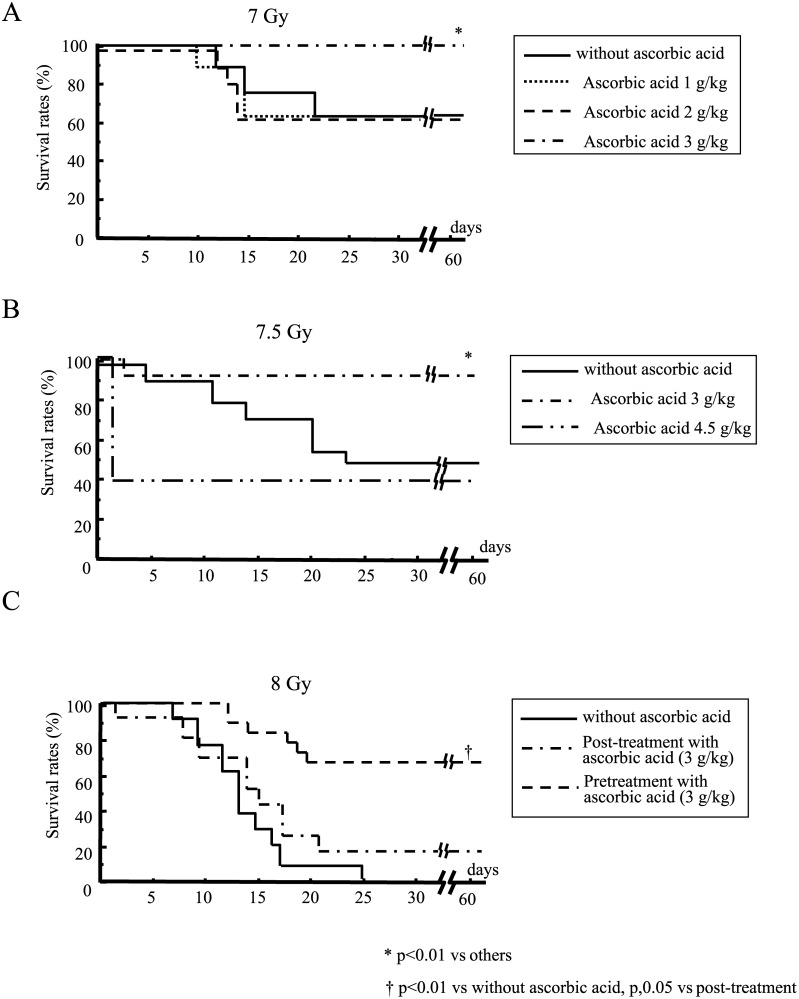
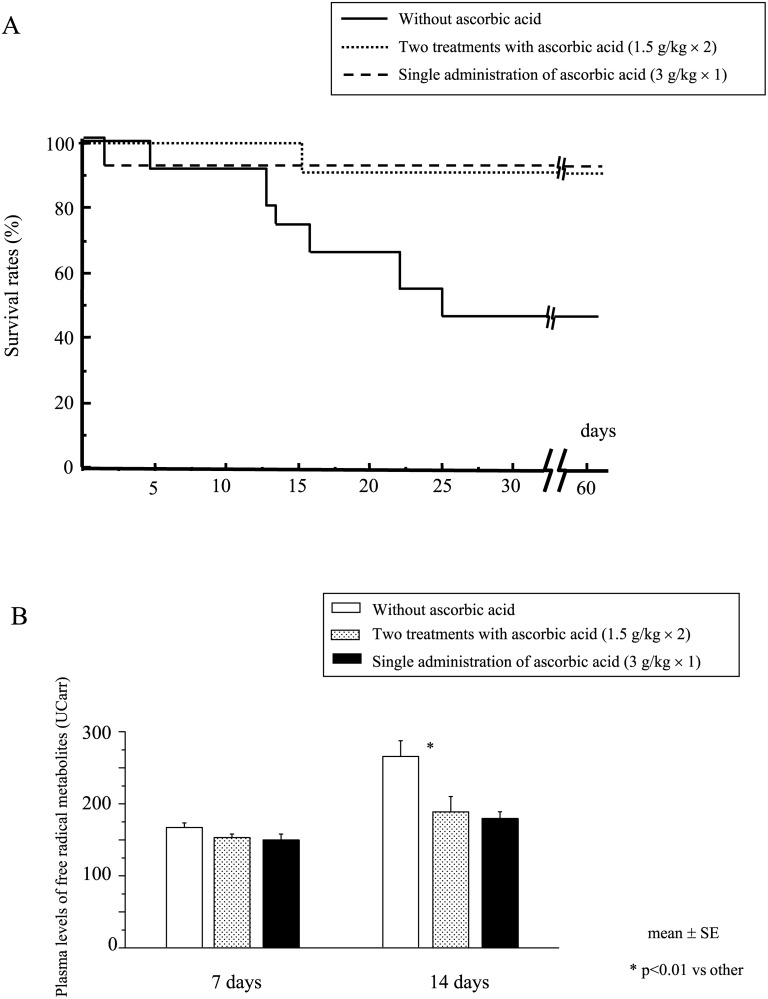
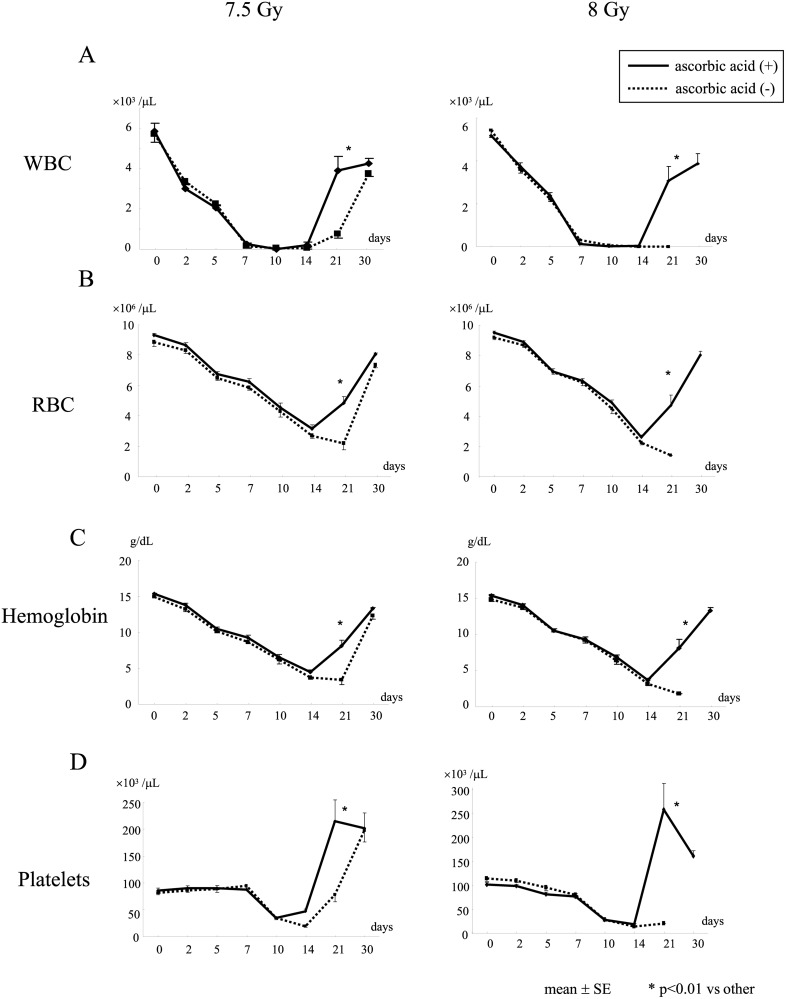
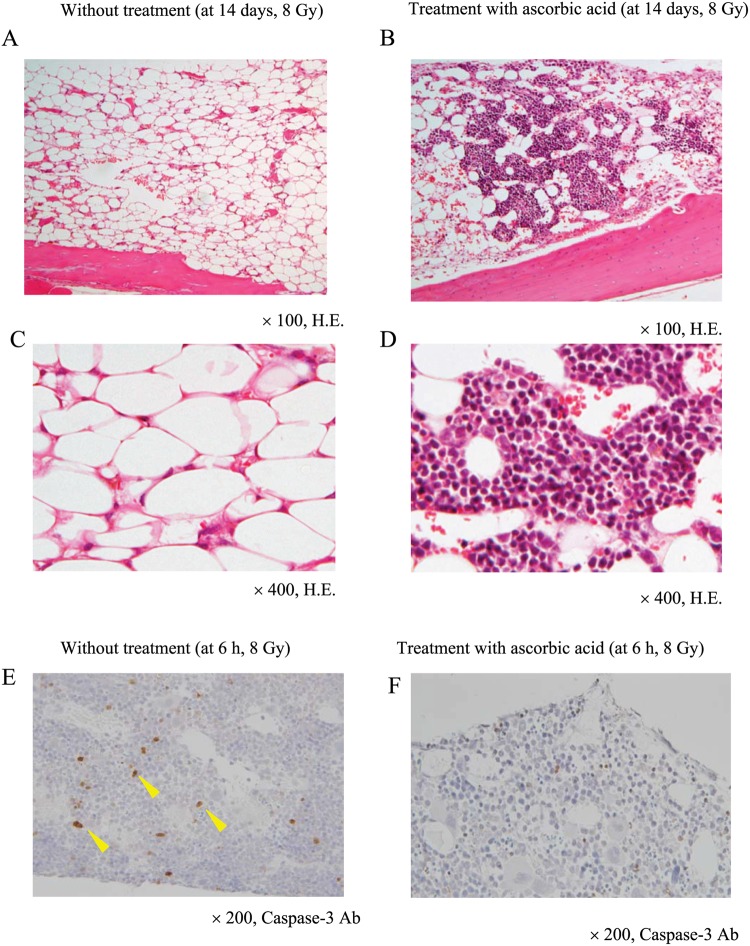
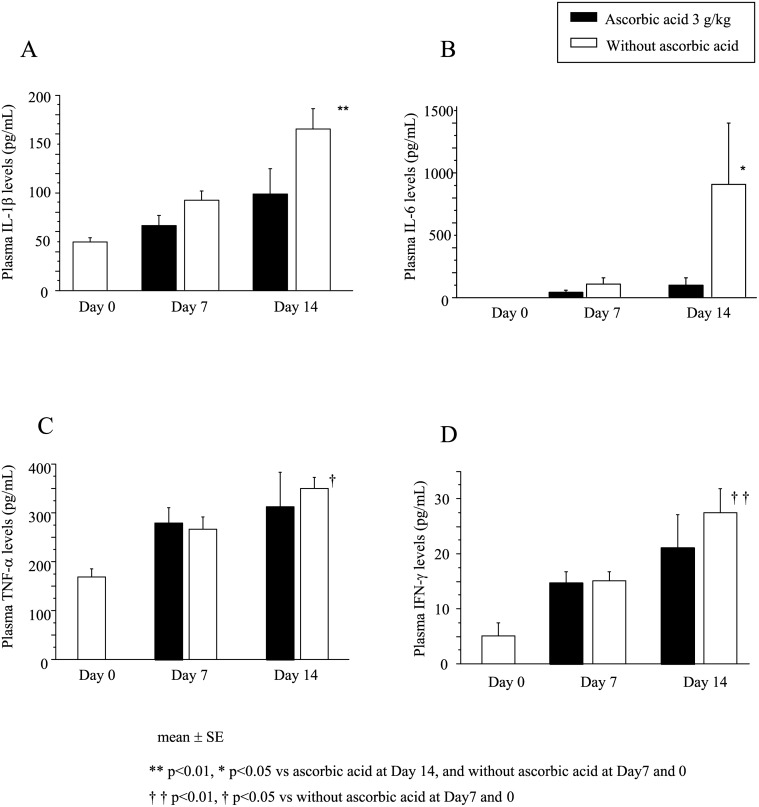
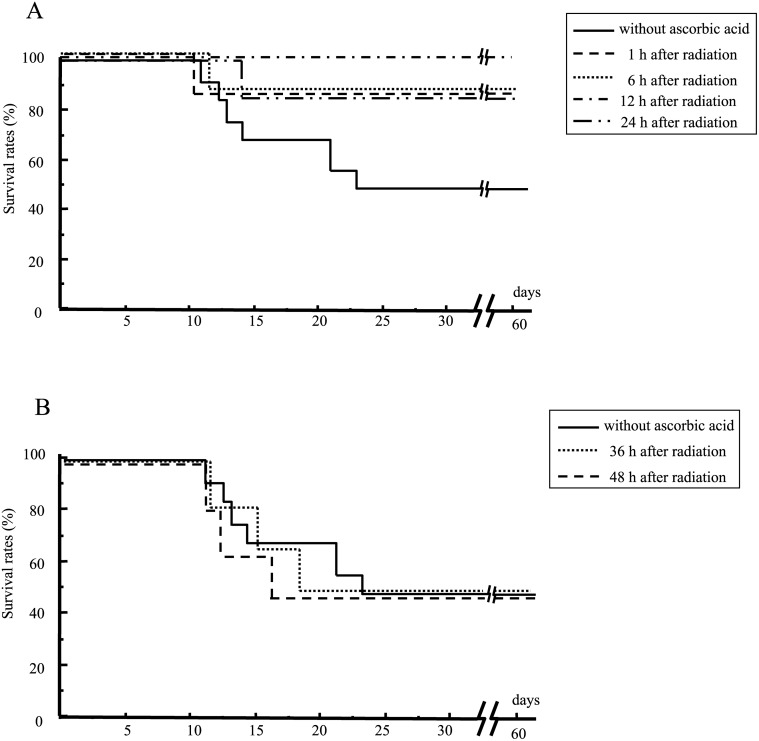
Ascorbic acid is an effective antioxidant and free radical scavenger. Therefore, it is expected that ascorbic acid should act as a radioprotectant. We investigated the effects of post-radiation treatment with ascorbic acid on mouse survival. Mice received whole body irradiation (WBI) followed by intraperitoneal administration of ascorbic acid. Administration of 3 g/kg of ascorbic acid immediately after exposure significantly increased mouse survival after WBI at 7 to 8 Gy. However, administration of less than 3 g/kg of ascorbic acid was ineffective, and 4 or more g/kg was harmful to the mice. Post-exposure treatment with 3 g/kg of ascorbic acid reduced radiation-induced apoptosis in bone marrow cells and restored hematopoietic function. Treatment with ascorbic acid (3 g/kg) up to 24 h (1, 6, 12, or 24 h) after WBI at 7.5 Gy effectively improved mouse survival; however, treatments beyond 36 h were ineffective. Two treatments with ascorbic acid (1.5 g/kg × 2, immediately and 24 h after radiation, 3 g/kg in total) also improved mouse survival after WBI at 7.5 Gy, accompanied with suppression of radiation-induced free radical metabolites. In conclusion, administration of high-dose ascorbic acid might reduce radiation lethality in mice even after exposure.
抗坏血酸是一种有效的抗氧化剂和自由基清除剂。因此,预计抗坏血酸应具有辐射防护作用。我们研究了辐射后用抗坏血酸治疗对小鼠存活率的影响。小鼠接受全身照射(WBI),随后腹腔注射抗坏血酸。在暴露后立即给予3 g/kg的抗坏血酸可显著提高7至8 Gy全身照射后小鼠的存活率。然而,给予低于3 g/kg的抗坏血酸无效,而4 g/kg或更高剂量对小鼠有害。用3 g/kg的抗坏血酸进行暴露后治疗可减少骨髓细胞中辐射诱导的细胞凋亡并恢复造血功能。在7.5 Gy全身照射后,在24小时内(1、6、12或24小时)用抗坏血酸(3 g/kg)治疗可有效提高小鼠存活率;然而,超过36小时的治疗无效。两次给予抗坏血酸(1.5 g/kg×2,分别在辐射后立即和24小时给予,共3 g/kg)也可提高7.5 Gy全身照射后小鼠的存活率,并伴有对辐射诱导的自由基代谢产物的抑制作用。总之,即使在暴露后给予高剂量抗坏血酸也可能降低小鼠的辐射致死率。