Gulati Vandana, Gulati Pankaj, Harding Ian H, Palombo Enzo A
Department of Chemistry and Biotechnology, Faculty of Science, Engineering and Technology, Swinburne University of Technology, John Street, PO Box 218, Hawthorn, 3122, Victoria, Australia.
BMC Complement Altern Med. 2015 Feb 5;15:8. doi: 10.1186/s12906-015-0524-8.
Plant-derived compounds have been used clinically to treat type 2 diabetes for many years as they also exert additional beneficial effects on various other disorders. The aim of the present study was to investigate the possible mechanism of anti-diabetic activity of twelve (seven Australian Aboriginal and five Indian Ayurvedic) plant extracts.
The ethanolic plant extracts were investigated for glucose uptake and adipogenesis in murine 3T3-L1 adipocytes. Cytotoxicity studies were also carried out against two cancerous cell lines, HeLa and A549, to investigate the potential anti-cancer activities of the extracts.
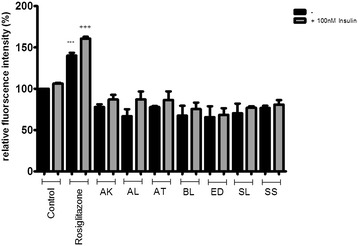
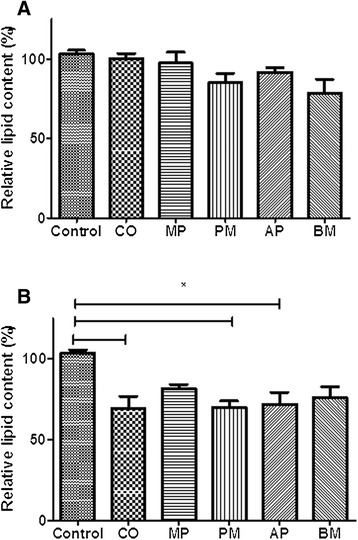
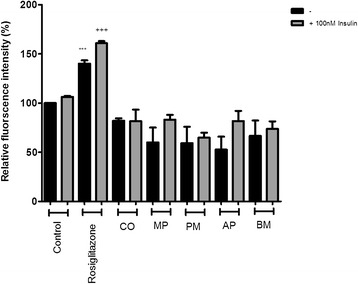
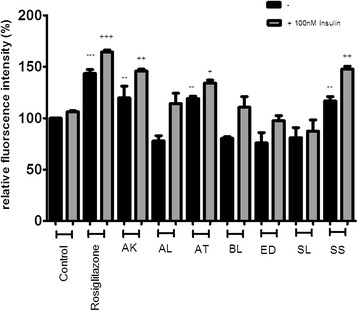
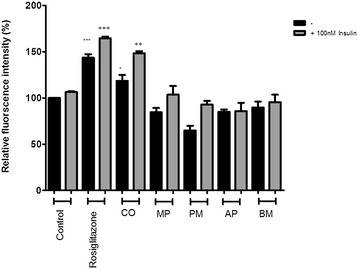
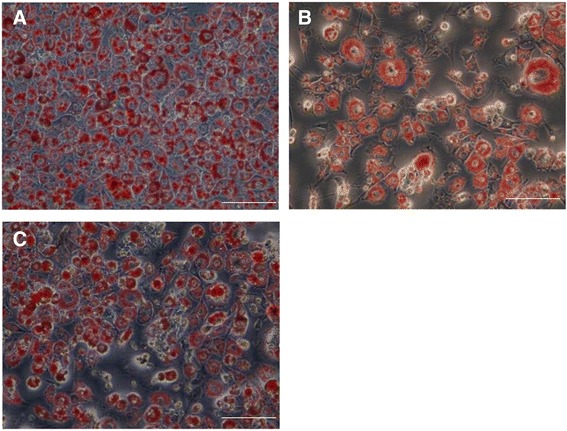
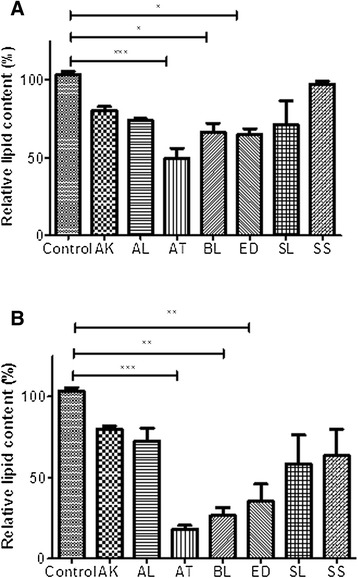
Of the seven Australian Aboriginal plant extracts tested, only Acacia kempeana and Santalum spicatum stimulated glucose uptake in adipocytes. Among the five Indian Ayurvedic plant extracts, only Curculigo orchioides enhanced glucose uptake. With respect to adipogenesis, the Australian plants Acacia tetragonophylla, Beyeria leshnaultii and Euphorbia drumondii and the Indian plants Pterocarpus marsupium, Andrographis paniculata and Curculigo orchioides reduced lipid accumulation in differentiated adipocytes. Extracts of Acacia kempeana and Acacia tetragonophylla showed potent and specific activity against HeLa cells.
The findings suggest that the plant extracts exert their anti-diabetic properties by different mechanisms, including the stimulation of glucose uptake in adipocytes, inhibition of adipogenesis or both. Apart from their anti-diabetic activities, some of the extracts have potential for the development of chemotherapeutic agents for the treatment of cervical cancer.
植物来源的化合物多年来一直被临床用于治疗2型糖尿病,因为它们对各种其他疾病也有额外的有益作用。本研究的目的是调查十二种(七种澳大利亚原住民植物和五种印度阿育吠陀植物)植物提取物抗糖尿病活性的可能机制。
研究了乙醇提取物对小鼠3T3-L1脂肪细胞葡萄糖摄取和脂肪生成的影响。还对两种癌细胞系HeLa和A549进行了细胞毒性研究,以调查提取物的潜在抗癌活性。
在测试的七种澳大利亚原住民植物提取物中,只有金合欢和檀香刺激了脂肪细胞的葡萄糖摄取。在五种印度阿育吠陀植物提取物中,只有仙茅增强了葡萄糖摄取。关于脂肪生成,澳大利亚植物四棱金合欢、贝耶里木和鼓槌大戟以及印度植物紫檀、穿心莲和仙茅减少了分化脂肪细胞中的脂质积累。金合欢和四棱金合欢的提取物对HeLa细胞显示出强效和特异性活性。
研究结果表明,植物提取物通过不同机制发挥其抗糖尿病特性,包括刺激脂肪细胞的葡萄糖摄取、抑制脂肪生成或两者兼而有之。除了抗糖尿病活性外,一些提取物还具有开发治疗宫颈癌化疗药物的潜力。