Markey Cancer Center, The University of Kentucky, Lexington, KY, USA.
1] Markey Cancer Center, The University of Kentucky, Lexington, KY, USA [2] Department of Surgery, The University of Kentucky, Lexington, KY, USA.
Cell Death Dis. 2015 Feb 5;6(2):e1631. doi: 10.1038/cddis.2014.588.
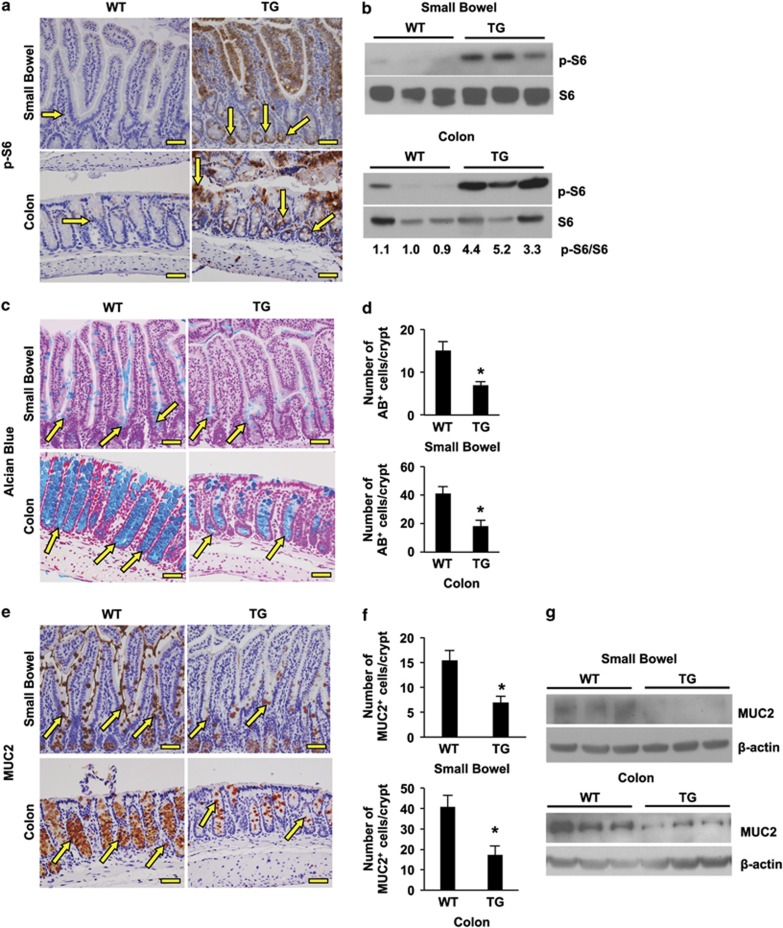
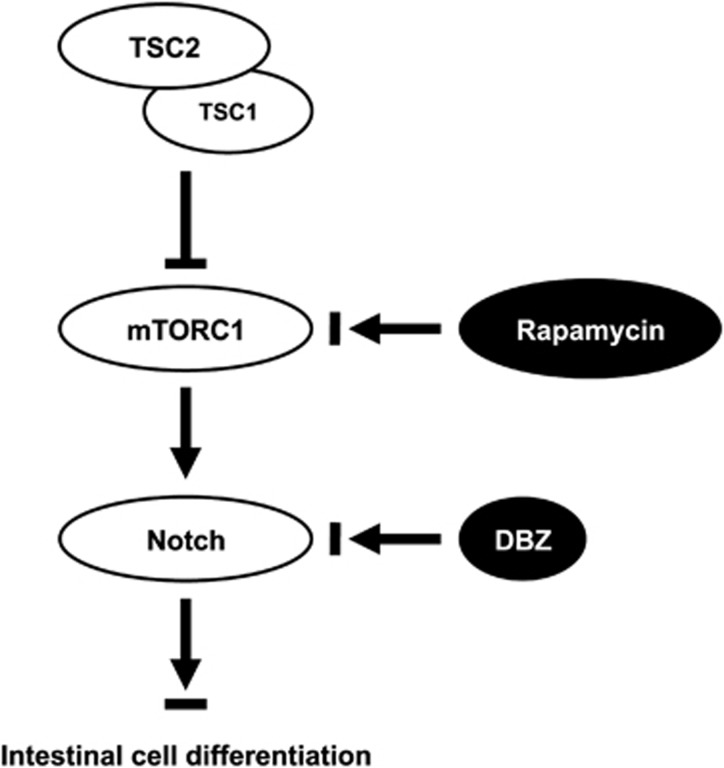
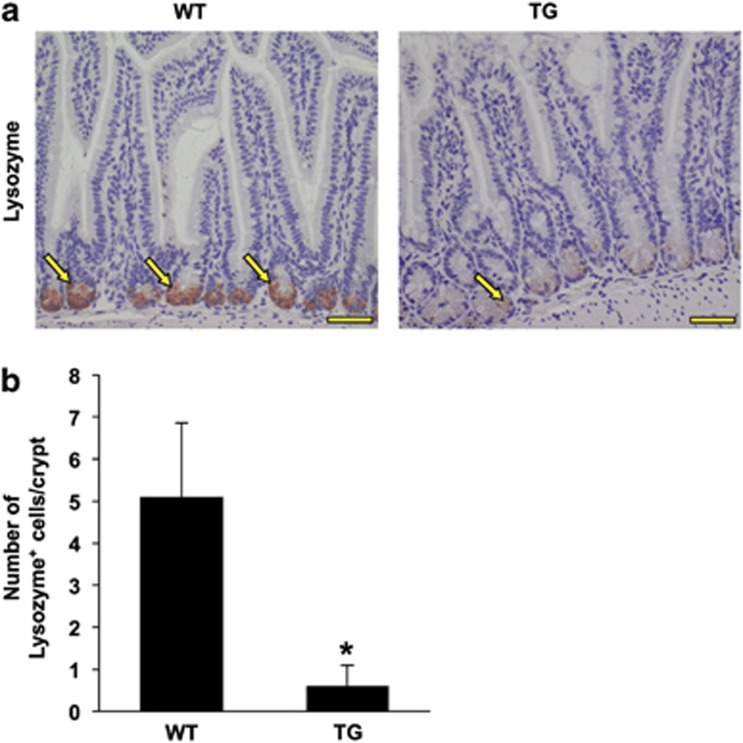
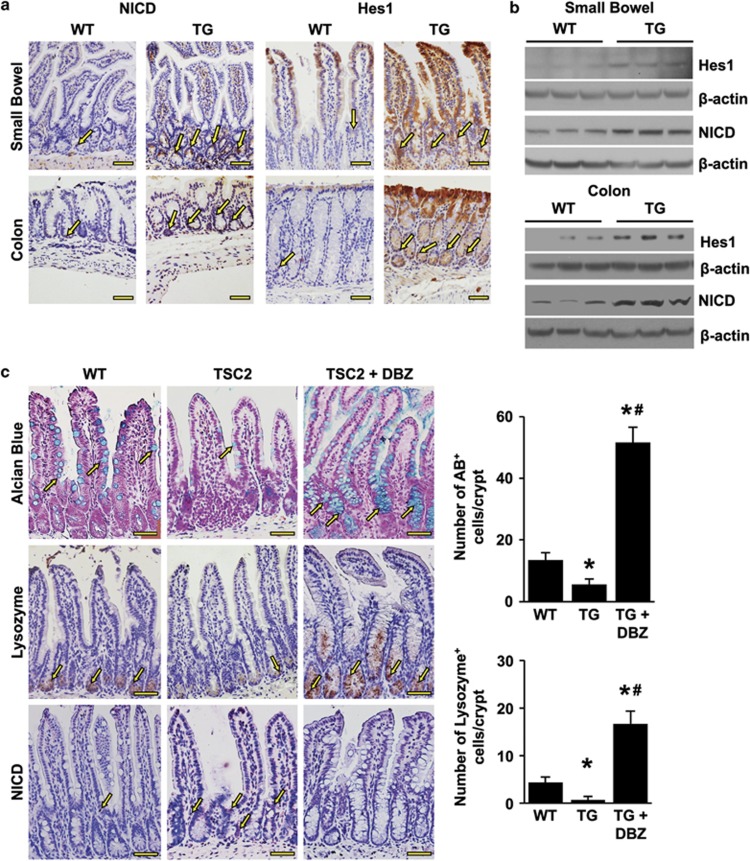
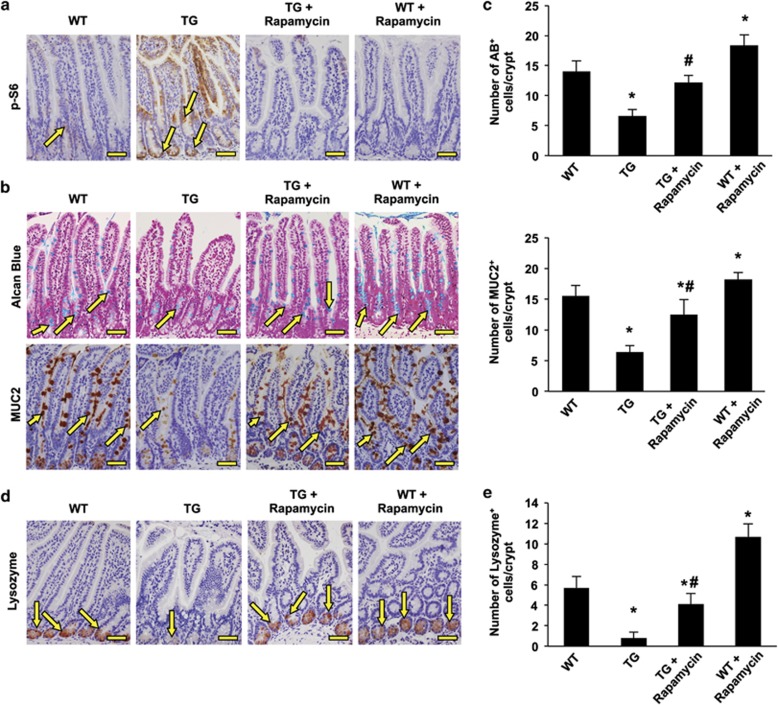
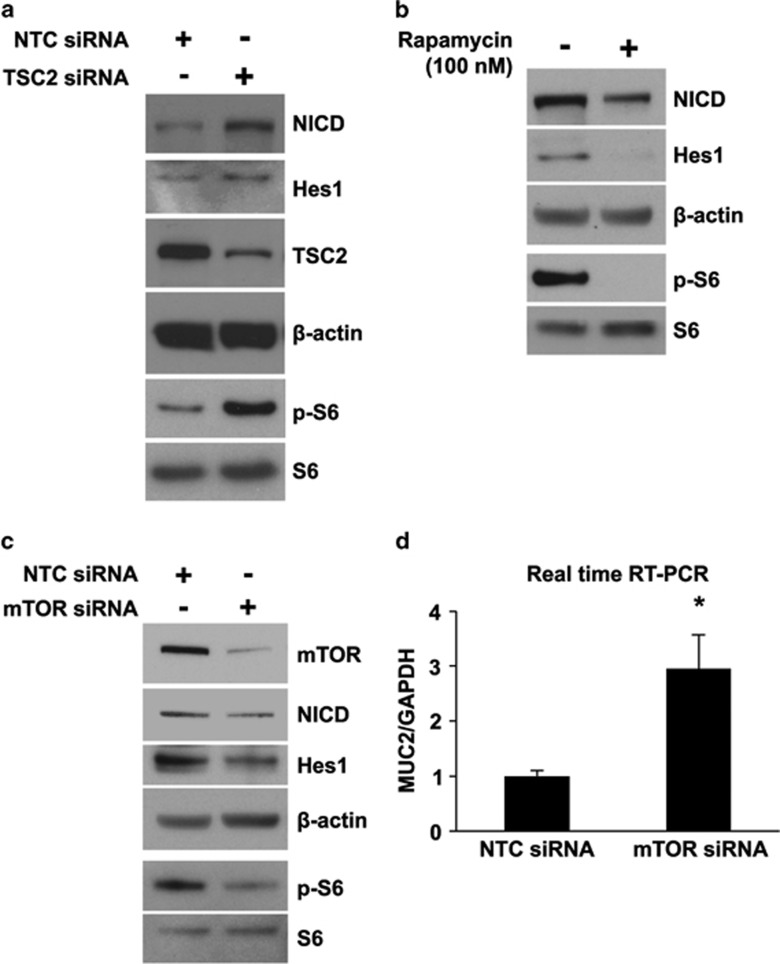
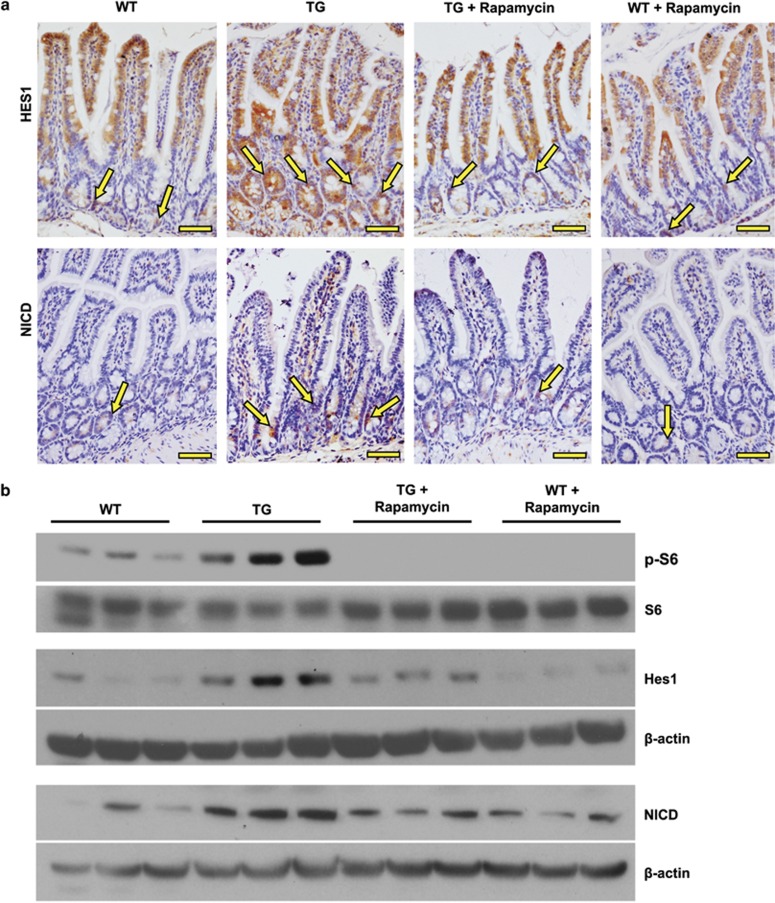
The intestinal mucosa undergoes a continual process of proliferation, differentiation and apoptosis, which is regulated by multiple signaling pathways. Notch signaling is critical for the control of intestinal stem cell maintenance and differentiation. However, the precise mechanisms involved in the regulation of differentiation are not fully understood. Previously, we have shown that tuberous sclerosis 2 (TSC2) positively regulates the expression of the goblet cell differentiation marker, MUC2, in intestinal cells. Using transgenic mice constitutively expressing a dominant negative TSC2 allele, we observed that TSC2 inactivation increased mTORC1 and Notch activities, and altered differentiation throughout the intestinal epithelium, with a marked decrease in the goblet and Paneth cell lineages. Conversely, treatment of mice with either Notch inhibitor dibenzazepine (DBZ) or mTORC1 inhibitor rapamycin significantly attenuated the reduction of goblet and Paneth cells. Accordingly, knockdown of TSC2 activated, whereas knockdown of mTOR or treatment with rapamycin decreased, the activity of Notch signaling in the intestinal cell line LS174T. Importantly, our findings demonstrate that TSC2/mTORC1 signaling contributes to the maintenance of intestinal epithelium homeostasis by regulating Notch activity.
肠黏膜经历持续的增殖、分化和凋亡过程,这一过程受到多种信号通路的调节。Notch 信号通路对于控制肠干细胞的维持和分化至关重要。然而,调节分化的确切机制尚未完全阐明。先前,我们已经表明,结节性硬化症 2(TSC2)正向调节肠细胞中杯状细胞分化标志物 MUC2 的表达。我们使用持续表达显性负性 TSC2 等位基因的转基因小鼠进行观察,发现 TSC2 失活增加了 mTORC1 和 Notch 的活性,并改变了整个肠上皮的分化,杯状细胞和潘氏细胞谱系明显减少。相反,用 Notch 抑制剂二苯并氮杂卓(DBZ)或 mTORC1 抑制剂雷帕霉素处理小鼠,显著减轻了杯状细胞和潘氏细胞的减少。因此,TSC2 的敲低激活了 Notch 信号通路,而 mTOR 的敲低或雷帕霉素的处理降低了 LS174T 肠细胞系中 Notch 信号通路的活性。重要的是,我们的研究结果表明,TSC2/mTORC1 信号通路通过调节 Notch 活性来维持肠上皮细胞的内稳态。