
双侧上颌恒牙尖牙先天性缺失:文献综述
Bilateral agenesis of maxillary permanent canines: Review of the literature.
作者信息
Borzabadi-Farahani Ali
机构信息
Warwick Dentistry, Warwick Medical School, University of Warwick, Coventry, United Kingdom.
出版信息
J Orthod Sci. 2015 Jan-Mar;4(1):26-9. doi: 10.4103/2278-0203.149614.
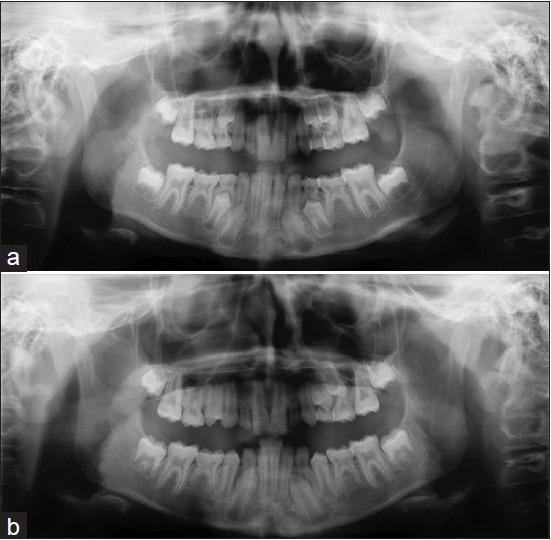
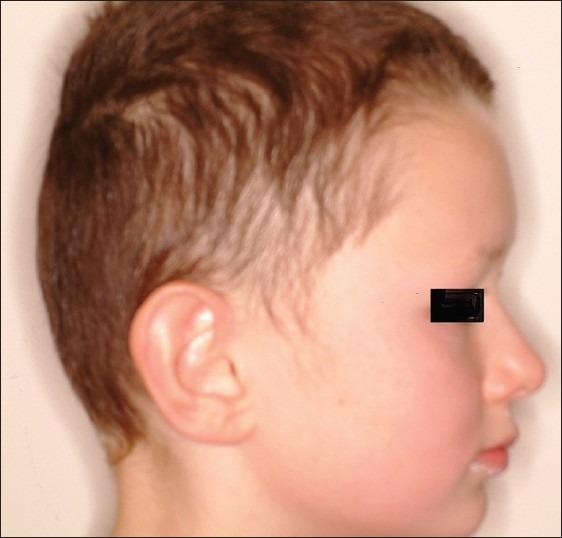
Oligodontia, or agenesis of six or more teeth, excluding third molars, which involves canine agenesis is rare, and restorative management can be challenging. Bilateral agenesis of a permanent canine in the general population often indicates a several missing adult teeth. The most common sign of it is the primary canine retention beyond its exfoliation age. The multistage restorative management includes the early diagnosis, excluding associated medical problems as well as assessment of patient's malocclusion and facial skeletal pattern, life span of deciduous teeth, possibility of premolar substitution, minimum required number of prosthetic units, patient's preferences, and the cost of treatment. A 10-year-old boy with bilateral agenesis of maxillary permanent canines is described. Some thoughts on the multidisciplinary restorative management of this case are discussed.
少牙症,即除第三磨牙外六个或更多牙齿的先天性缺失,其中涉及尖牙缺失的情况较为罕见,修复治疗具有挑战性。一般人群中双侧恒牙尖牙缺失通常意味着有几颗恒牙缺失。其最常见的迹象是乳牙在脱落年龄后仍滞留。多阶段修复治疗包括早期诊断,排除相关的医疗问题以及评估患者的错颌畸形和面部骨骼形态、乳牙的存留时间、前磨牙替代的可能性、所需修复单位的最少数量、患者的偏好以及治疗费用。本文描述了一名患有双侧上颌恒牙尖牙缺失的10岁男孩。并讨论了对此病例多学科修复治疗的一些想法。

 Zotero 插件