Chen Yongzhu, Tang Chengkang, Zhang Jie, Gong Meng, Su Bo, Qiu Feng
Periodical Press, Sichuan University, Chengdu, People's Republic of China.
Core Facility of West China Hospital, Sichuan University, Chengdu, People's Republic of China.
Int J Nanomedicine. 2015 Jan 23;10:847-58. doi: 10.2147/IJN.S71696. eCollection 2015.
Finding a suitable delivery system to improve the water solubility of hydrophobic drugs is a critical challenge in the development of effective formulations. In this study, we used A6K, a self-assembling surfactant-like peptide, as a carrier to encapsulate and deliver hydrophobic pyrene.
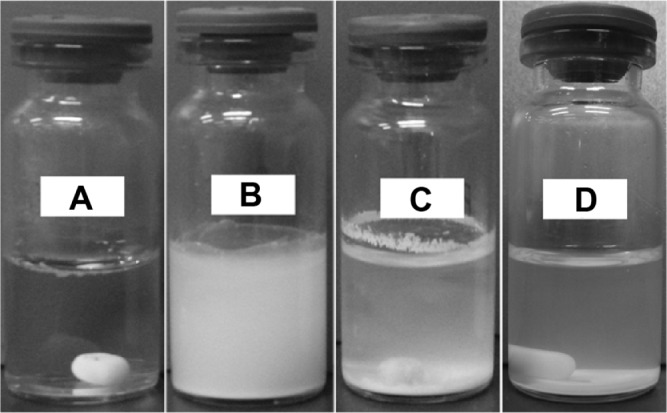
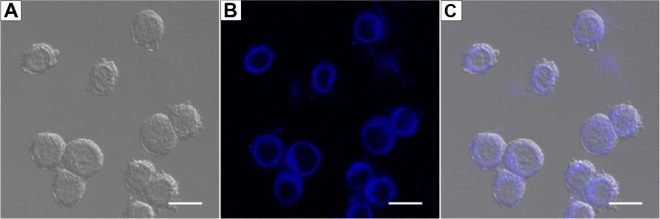
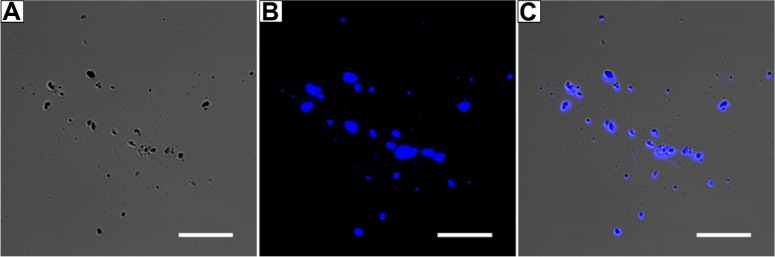
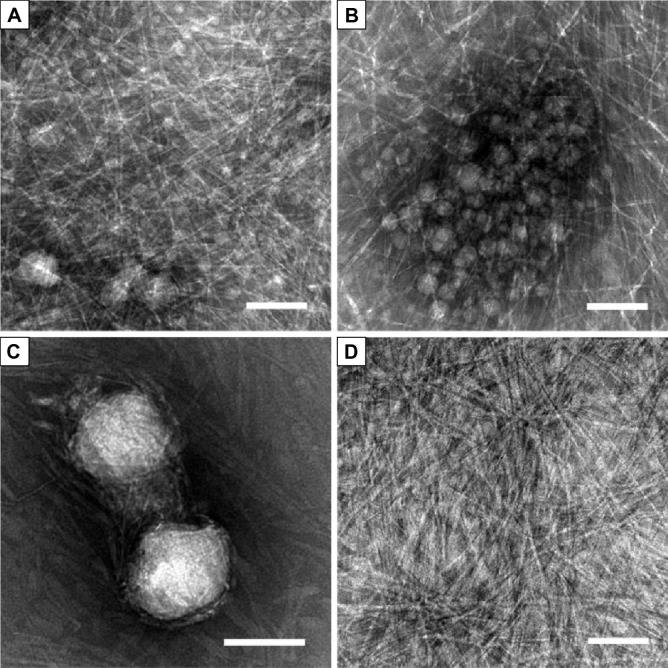
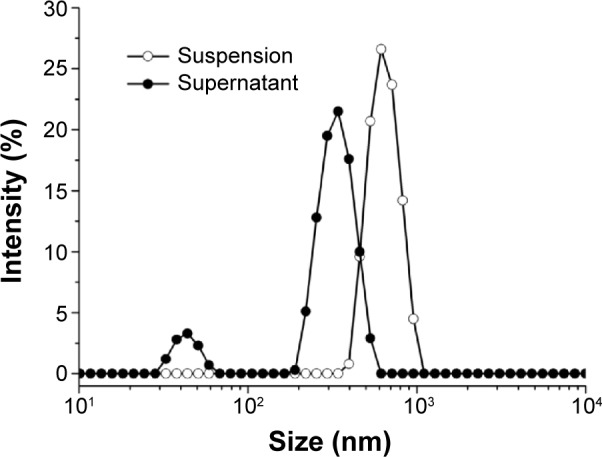
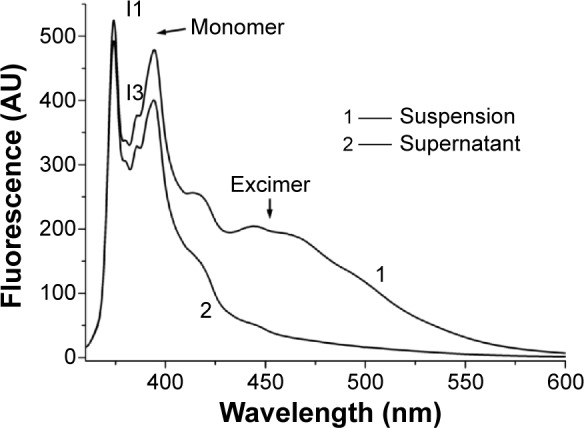
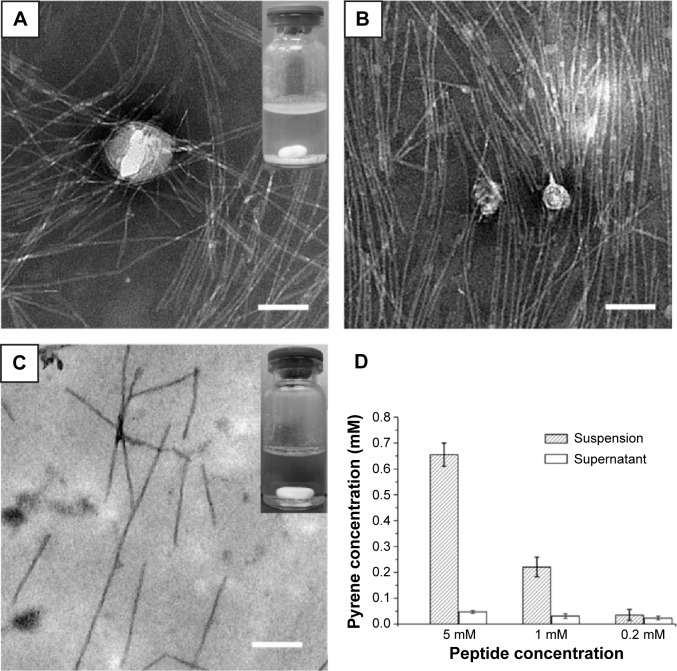
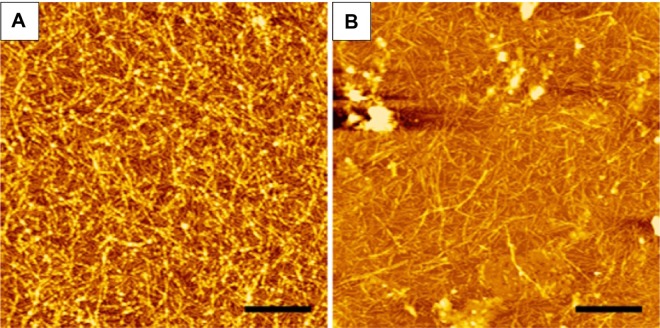
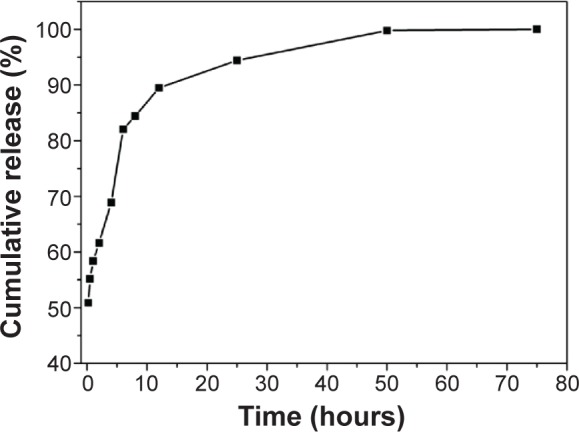
Pyrene was mixed with A6K by magnetic stirring to form a suspension. Confocal laser scanning microscopy, transmission electron microscopy, dynamic light scattering, atomic force microscopy, fluorescence, and cell uptake measurements were carried out to study the features and stability of the nanostructures, the state and content of pyrene, as well as the pyrene release profile.
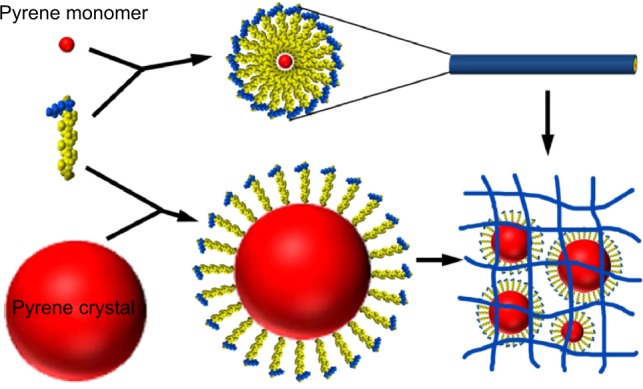
The suspension formed contained pyrene monomers trapped in the hydrophobic cores of the micellar nanofibers formed by A6K, as well as nanosized pyrene crystals wrapped up and stabilized by the nanofibers. The two different encapsulation methods greatly increased the concentration of pyrene in the suspension, and formation of pyrene crystals wrapped up by A6K nanofibers might be the major contributor to this effect. Furthermore, the suspension system could readily release and transfer pyrene into living cells.
A6K could be further exploited as a promising delivery system for hydrophobic drugs.
寻找合适的给药系统以提高疏水性药物的水溶性是有效制剂开发中的一项关键挑战。在本研究中,我们使用一种自组装的类表面活性剂肽A6K作为载体来包封和递送疏水性芘。
通过磁力搅拌将芘与A6K混合以形成悬浮液。进行共聚焦激光扫描显微镜、透射电子显微镜、动态光散射、原子力显微镜、荧光和细胞摄取测量,以研究纳米结构的特征和稳定性、芘的状态和含量以及芘的释放曲线。
形成的悬浮液包含被困在由A6K形成的胶束纳米纤维疏水核心中的芘单体,以及被纳米纤维包裹并稳定的纳米级芘晶体。两种不同的包封方法极大地提高了悬浮液中芘的浓度,并且由A6K纳米纤维包裹的芘晶体的形成可能是造成这种效果的主要原因。此外,该悬浮系统能够轻易地将芘释放并转移到活细胞中。
A6K可进一步开发成为一种有前景的疏水性药物递送系统。