Kowczyk-Sadowy Małgorzata, Świsłocka Renata, Lewandowska Hanna, Piekut Jolanta, Lewandowski Włodzimierz
Division of Chemistry, Bialystok University of Technology, Wiejska 45E, Bialystok 15-351, Poland.
Institute of Nuclear Chemistry and Technology, 16 Dorodna St., Warsaw 03-195, Poland.
Molecules. 2015 Feb 13;20(2):3146-69. doi: 10.3390/molecules20023146.
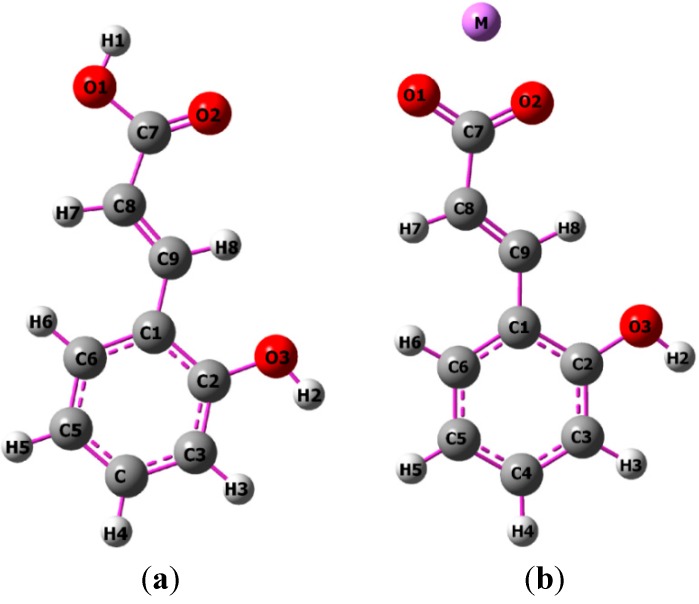
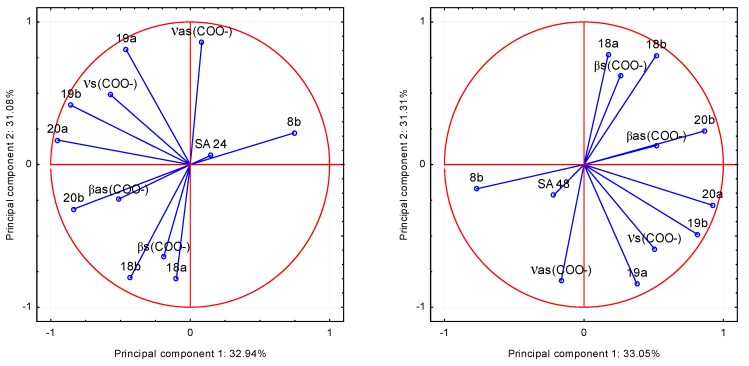
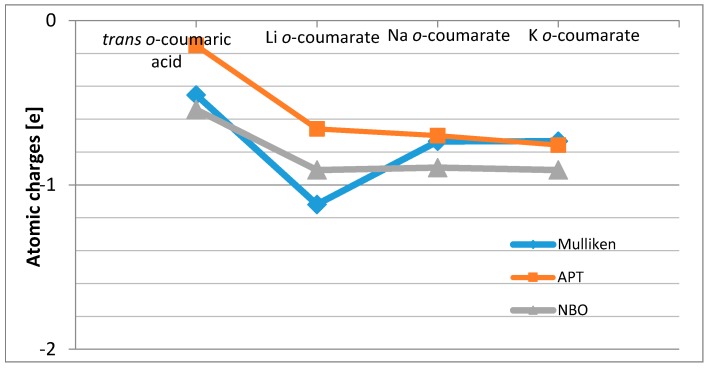
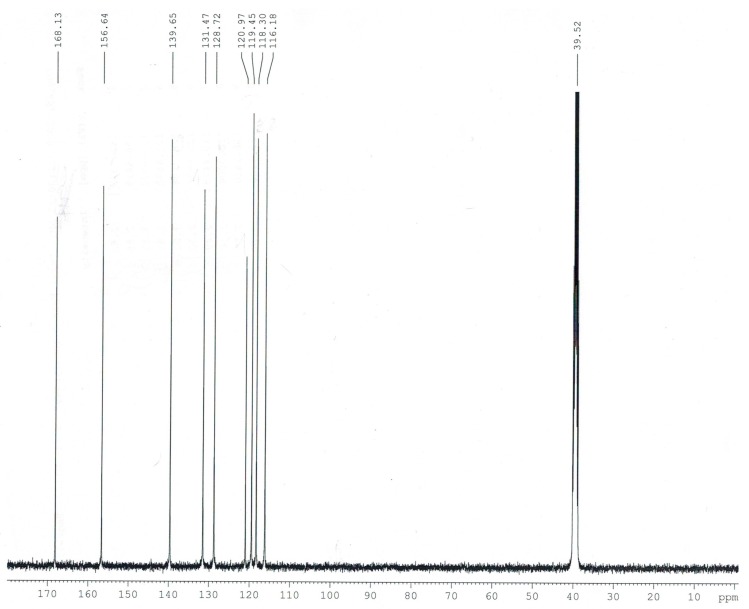
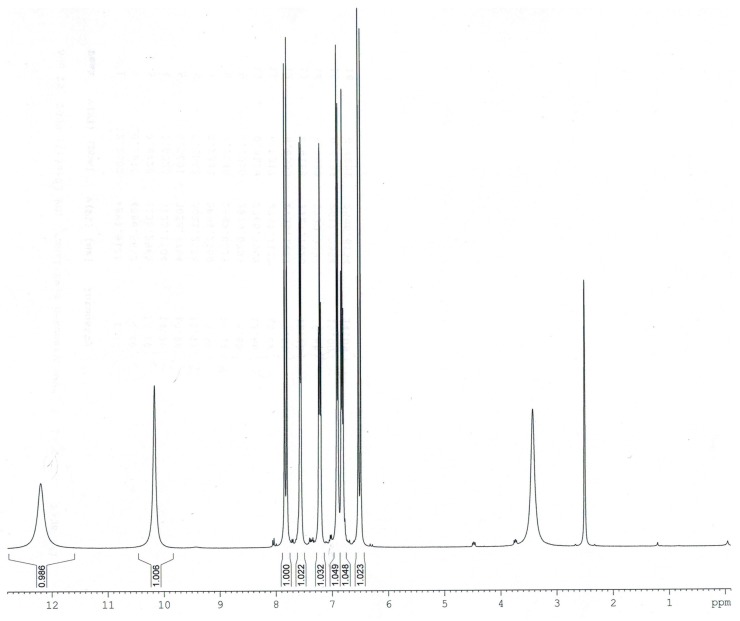
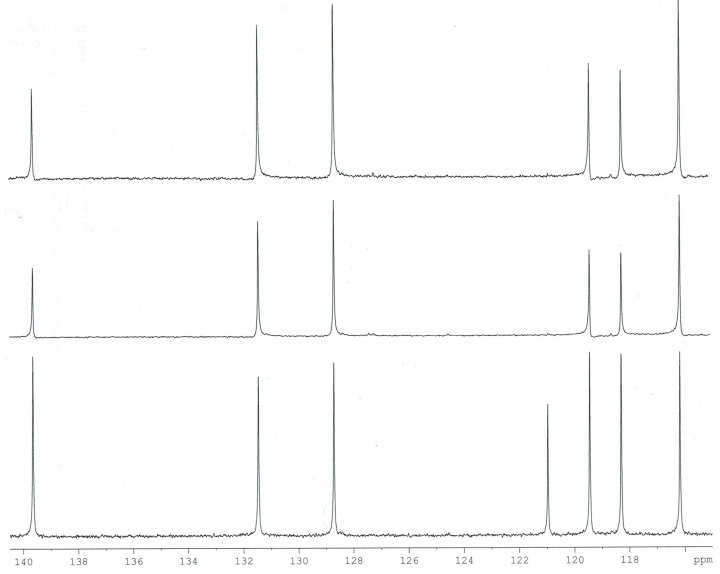
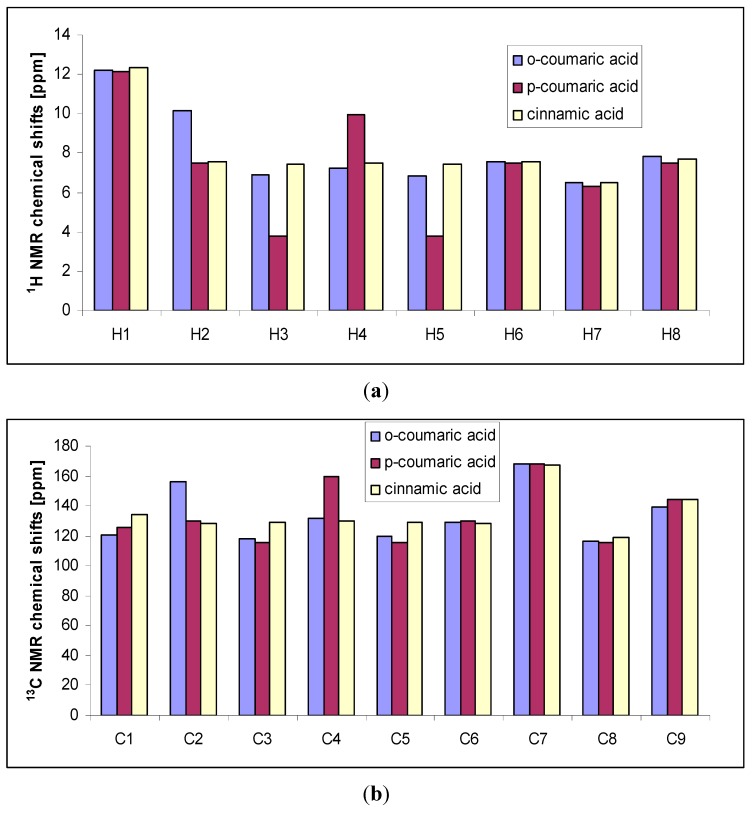
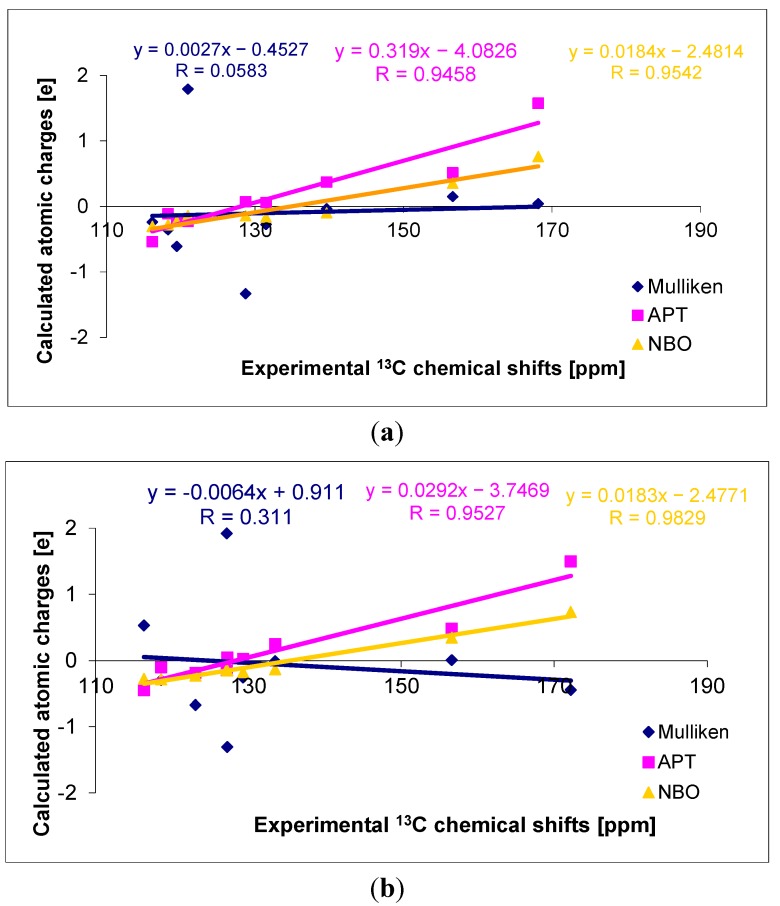
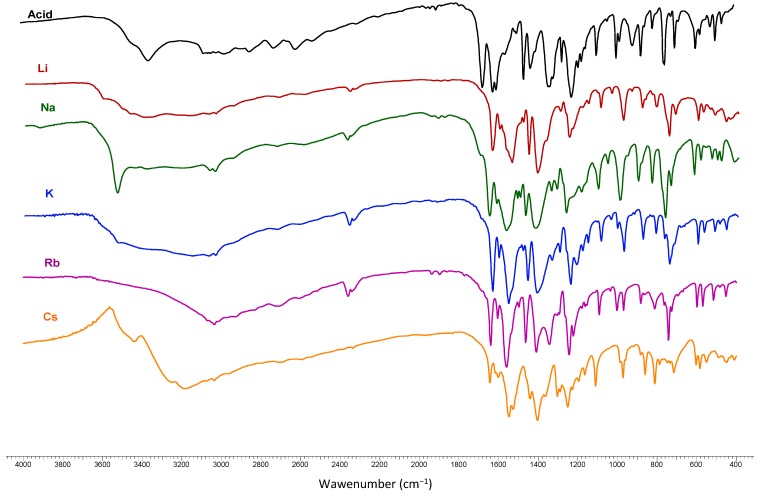
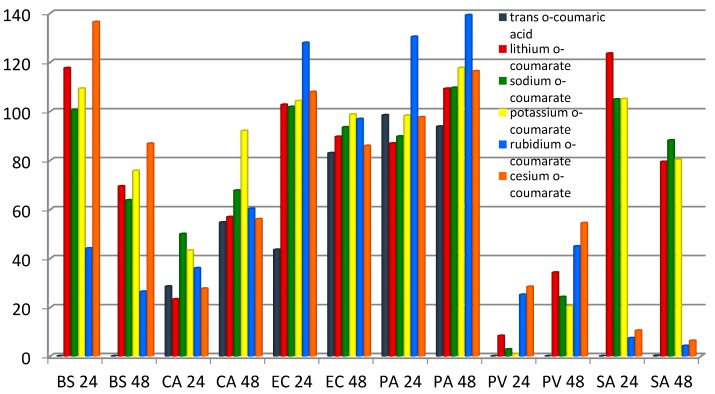
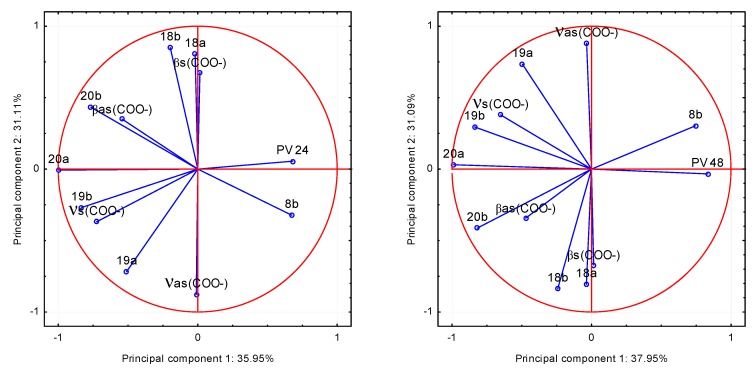
This work is a continuation of research on a correlation between the molecular structure and electronic charge distribution of phenolic compounds and their biological activity. The influence of lithium, sodium, potassium, rubidium and cesium cations on the electronic system of trans o-coumaric (2-hydroxy-cinnamic) acid was studied. We investigated the relationship between the molecular structure of the tested compounds and their antimicrobial activity. Complementary molecular spectroscopic techniques such as infrared (FT-IR), Raman (FT-Raman), ultraviolet-visible (UV-VIS) and nuclear magnetic resonance (1H- and 13C-NMR) were applied. Structures of the molecules were optimized and their structural characteristics were calculated by the density functional theory (DFT) using the B3LYP method with 6-311++G** as a basis set. Geometric and magnetic aromaticity indices, atomic charges, dipole moments and energies were also calculated. Theoretical parameters were compared to the experimental characteristics of investigated compounds. Correlations between certain vibrational bands and some metal parameters, such as electronegativity, ionization energy, atomic and ionic radius, were found. The microbial activity of studied compounds was tested against Escherichia coli, Bacillus subtilis, Pseudomonas aeruginosa, Staphylococcus aureus, Proteus vulgaris and Candida albicans.
这项工作是关于酚类化合物的分子结构与电子电荷分布及其生物活性之间相关性研究的延续。研究了锂、钠、钾、铷和铯阳离子对反式邻香豆酸(2-羟基肉桂酸)电子系统的影响。我们研究了受试化合物的分子结构与其抗菌活性之间的关系。应用了红外(FT-IR)、拉曼(FT-拉曼)、紫外可见(UV-VIS)和核磁共振(1H-和13C-NMR)等互补分子光谱技术。使用密度泛函理论(DFT),以6-311++G**为基组,采用B3LYP方法对分子结构进行了优化,并计算了其结构特征。还计算了几何和磁芳香性指数、原子电荷、偶极矩和能量。将理论参数与所研究化合物的实验特征进行了比较。发现了某些振动带与一些金属参数(如电负性、电离能、原子和离子半径)之间的相关性。测试了所研究化合物对大肠杆菌、枯草芽孢杆菌、铜绿假单胞菌、金黄色葡萄球菌、普通变形杆菌和白色念珠菌的微生物活性。