Wang Liying, Ding Long, Wang Ying, Zhang Yan, Liu Jingbo
Laboratory of Nutrition and Functional Food, Jilin University, Changchun 130062, China.
College of Biological and Agricultural Engineering, Jilin University, Changchun 130062, China.
Molecules. 2015 Feb 16;20(2):3221-37. doi: 10.3390/molecules20023221.
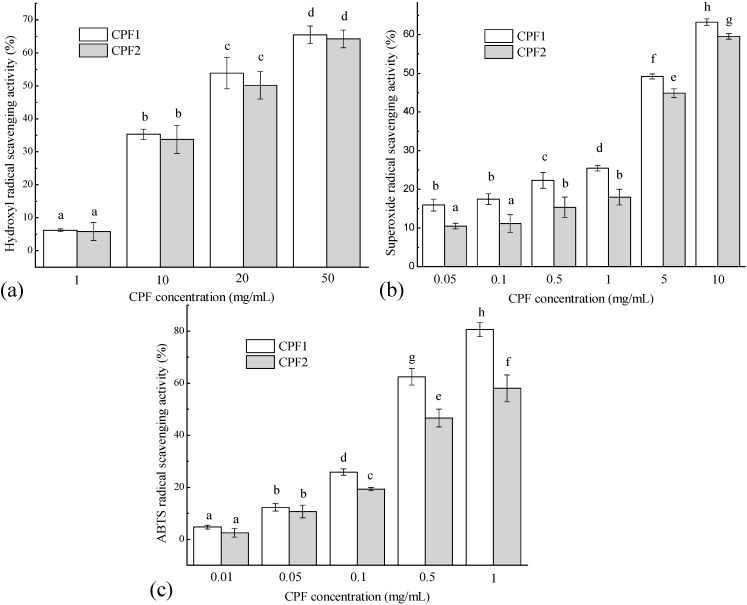
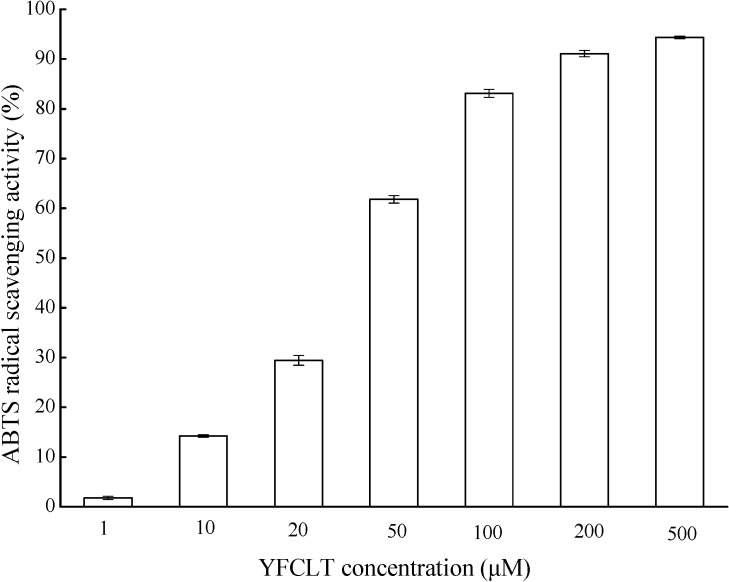
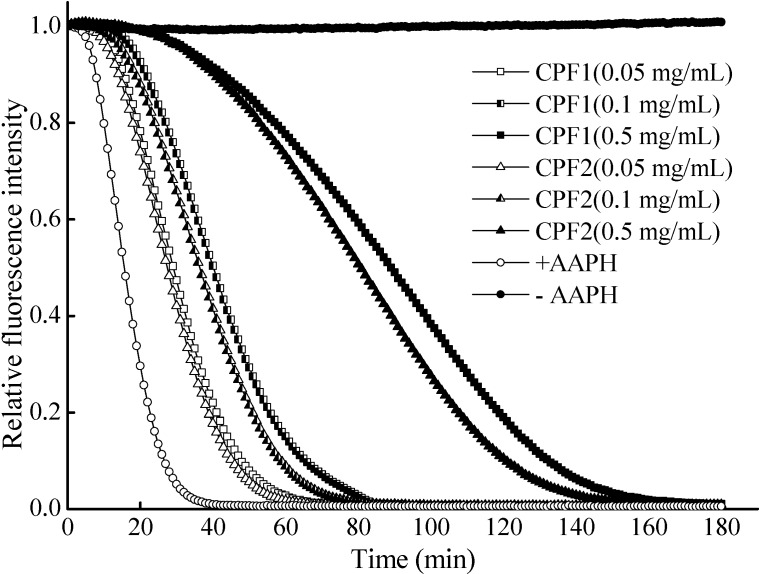
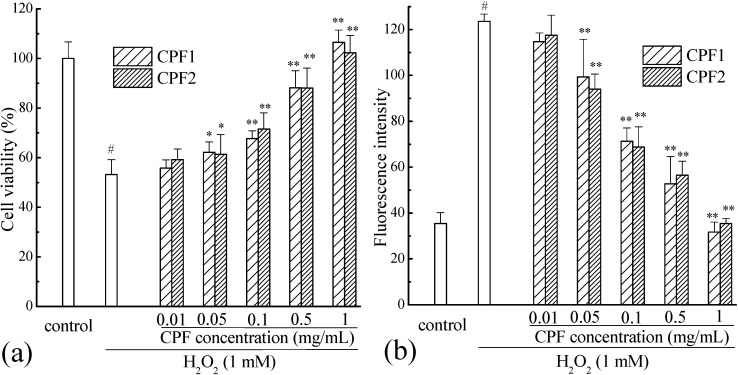
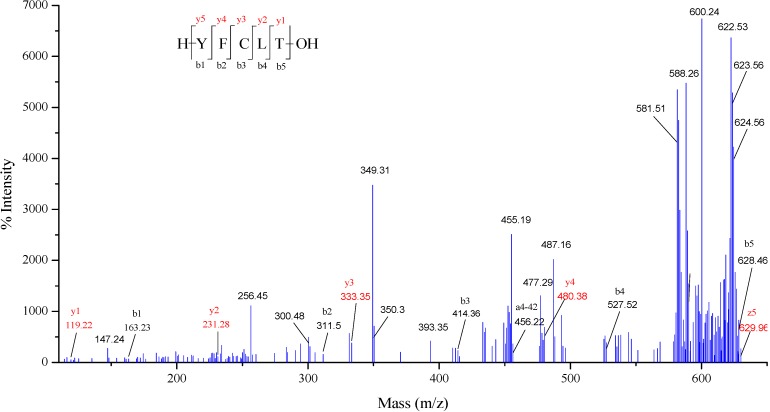
Corn gluten meal, a corn processing industry by-product, is a good source for the preparation of bioactive peptides due to its special amino acid composition. In the present study, the in vitro and cellular free radical scavenging activities of corn peptide fractions (CPFs) were investigated. Results indicated that CPF1 (molecular weight less than 1 kDa) and CPF2 (molecular weight between 1 and 3 kDa) exhibited good hydroxyl radical, superoxide anion radical and 2,2'-azino-bis (3-ethylbenzothiazoline-6-sulphonicacid) diammonium salt (ABTS) radical scavenging activity and oxygen radical absorbance capacity (ORAC). Meanwhile, the in vitro radical scavenging activity of CPF1 was slightly higher than that of CPF2. Both CPF1 and CPF2 also exhibited significant cytoprotective effects and intracellular reactive oxygen species scavenging activity in Caco-2 cells exposed to hydrogen peroxide (H2O2). The amino acid composition analysis revealed that the CPF were rich in hydrophobic amino acids, which comprised of more than 45% of total amino acids. An antioxidant peptide sequence of Tyr-Phe-Cys-Leu-Thr (YFCLT) was identified from CPF1 using matrix-assisted laser desorption/ionization time-of-flight/time-of-flight mass spectrometry (MALDI TOF/TOF MS). The YFCLT exhibited excellent ABTS radical scavenging activity with a 50% effective concentration (EC50) value of 37.63 µM, which was much lower than that of Trolox. In conclusion, corn gluten meal might be a good source to prepare antioxidant peptides.
玉米蛋白粉是玉米加工行业的一种副产品,由于其特殊的氨基酸组成,是制备生物活性肽的良好来源。在本研究中,对玉米肽组分(CPFs)的体外和细胞自由基清除活性进行了研究。结果表明,CPF1(分子量小于1 kDa)和CPF2(分子量在1至3 kDa之间)表现出良好的羟自由基、超氧阴离子自由基和2,2'-偶氮双(3-乙基苯并噻唑啉-6-磺酸)二铵盐(ABTS)自由基清除活性以及氧自由基吸收能力(ORAC)。同时,CPF1的体外自由基清除活性略高于CPF2。在暴露于过氧化氢(H2O2)的Caco-2细胞中,CPF1和CPF2均表现出显著的细胞保护作用和细胞内活性氧清除活性。氨基酸组成分析表明,CPF富含疏水氨基酸,其占总氨基酸的比例超过45%。使用基质辅助激光解吸/电离飞行时间/飞行时间质谱(MALDI TOF/TOF MS)从CPF1中鉴定出抗氧化肽序列Tyr-Phe-Cys-Leu-Thr(YFCLT)。YFCLT表现出优异的ABTS自由基清除活性,其50%有效浓度(EC50)值为37.63 µM,远低于Trolox。总之,玉米蛋白粉可能是制备抗氧化肽的良好来源。