Siiskonen Hanna, Oikari Sanna, Pasonen-Seppänen Sanna, Rilla Kirsi
Department of Dermatology, Kuopio University Hospital, University of Eastern Finland , Kuopio , Finland.
Institute of Biomedicine, University of Eastern Finland , Kuopio , Finland.
Front Immunol. 2015 Feb 5;6:43. doi: 10.3389/fimmu.2015.00043. eCollection 2015.
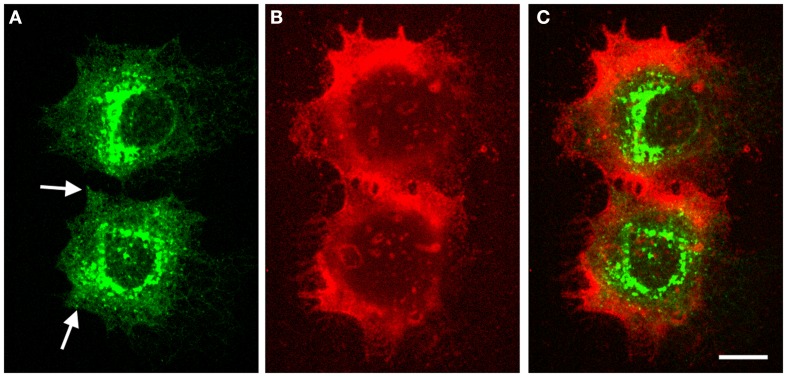
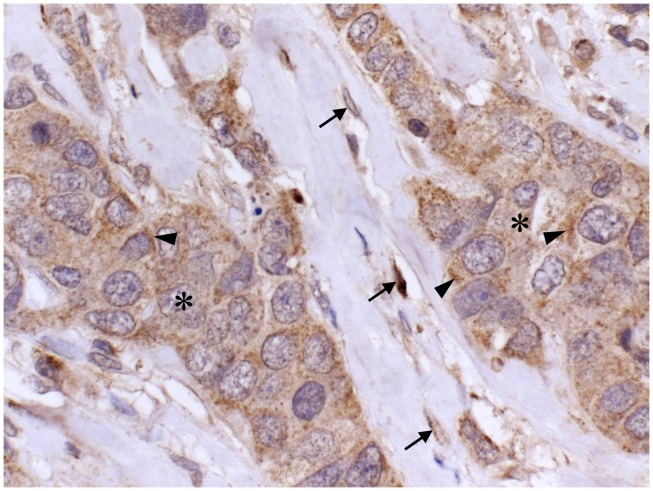
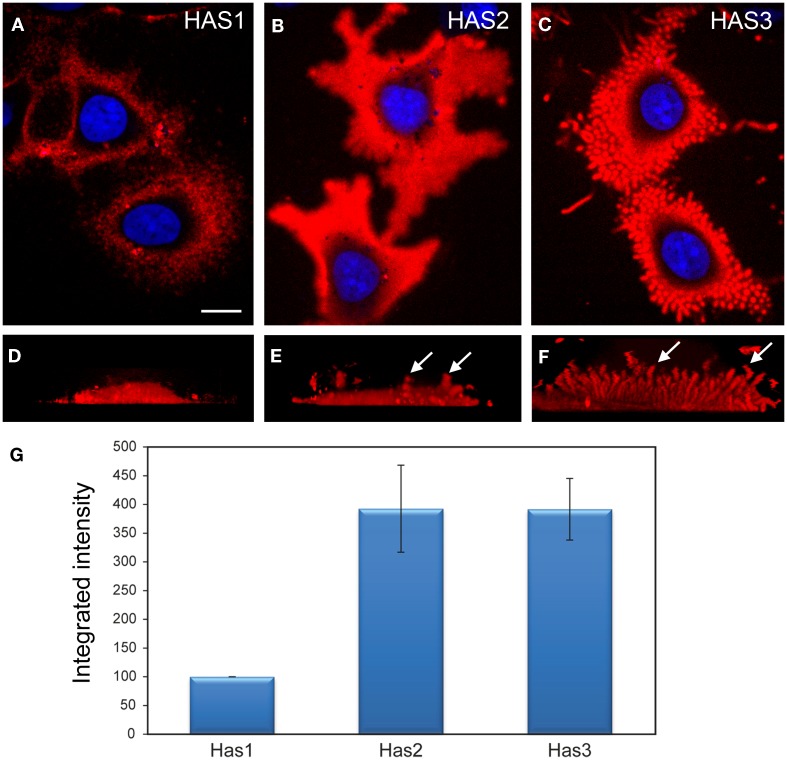
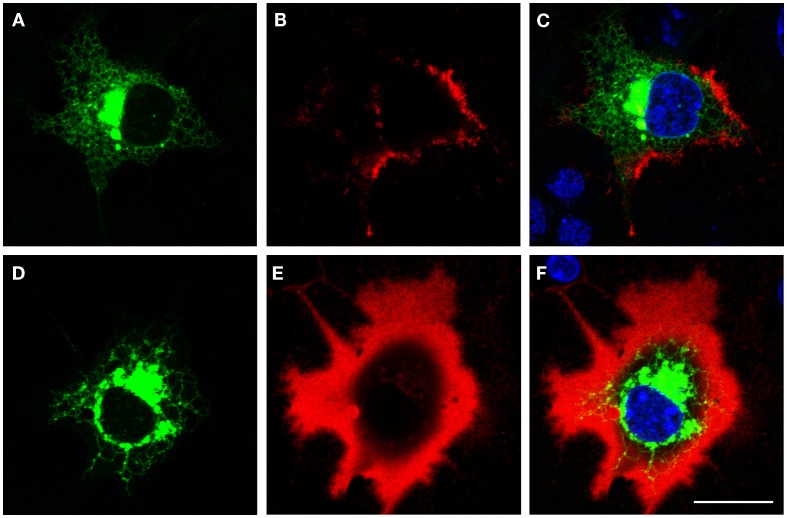
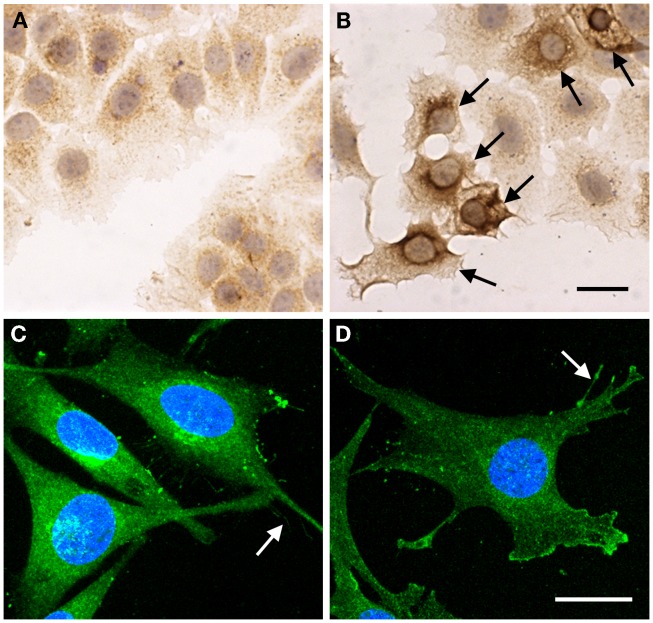
Hyaluronan synthase 1 (HAS1) is one of three isoenzymes responsible for cellular hyaluronan synthesis. Interest in HAS1 has been limited because its role in hyaluronan production seems to be insignificant compared to the two other isoenzymes, HAS2 and HAS3, which have higher enzymatic activity. Furthermore, in most cell types studied so far, the expression of its gene is low and the enzyme requires high concentrations of sugar precursors for hyaluronan synthesis, even when overexpressed in cell cultures. Both expression and activity of HAS1 are induced by pro-inflammatory factors like interleukins and cytokines, suggesting its involvement in inflammatory conditions. Has1 is upregulated in states associated with inflammation, like atherosclerosis, osteoarthritis, and infectious lung disease. In addition, both full length and splice variants of HAS1 are expressed in malignancies like bladder and prostate cancers, multiple myeloma, and malignant mesothelioma. Interestingly, immunostainings of tissue sections have demonstrated the role of HAS1 as a poor predictor in breast cancer, and is correlated with high relapse rate and short overall survival. Utilization of fluorescently tagged proteins has revealed the intracellular distribution pattern of HAS1, distinct from other isoenzymes. In all cell types studied so far, a high proportion of HAS1 is accumulated intracellularly, with a faint signal detected on the plasma membrane and its protrusions. Furthermore, the pericellular hyaluronan coat produced by HAS1 is usually thin without induction by inflammatory agents or glycemic stress and depends on CD44-HA interactions. These specific interactions regulate the organization of hyaluronan into a leukocyte recruiting matrix during inflammatory responses. Despite the apparently minor enzymatic activity of HAS1 under normal conditions, it may be an important factor under conditions associated with glycemic stress like metabolic syndrome, inflammation, and cancer.
透明质酸合酶1(HAS1)是负责细胞透明质酸合成的三种同工酶之一。由于与另外两种具有较高酶活性的同工酶HAS2和HAS3相比,其在透明质酸产生中的作用似乎微不足道,因此对HAS1的关注有限。此外,在迄今为止研究的大多数细胞类型中,其基因表达较低,并且即使在细胞培养中过表达,该酶也需要高浓度的糖前体来合成透明质酸。HAS1的表达和活性均由白细胞介素和细胞因子等促炎因子诱导,表明其参与炎症状态。在与炎症相关的状态下,如动脉粥样硬化、骨关节炎和感染性肺病中,Has1会上调。此外,HAS1的全长和剪接变体在膀胱癌、前列腺癌、多发性骨髓瘤和恶性间皮瘤等恶性肿瘤中均有表达。有趣的是,组织切片的免疫染色已证明HAS1在乳腺癌中是一个不良预测指标,并且与高复发率和短总生存期相关。利用荧光标记蛋白揭示了HAS1的细胞内分布模式,与其他同工酶不同。在迄今为止研究的所有细胞类型中,很大一部分HAS1在细胞内积累,在质膜及其突起上检测到微弱信号。此外,由HAS1产生的细胞周围透明质酸包被通常很薄,无需炎症因子或血糖应激诱导,并且依赖于CD44-HA相互作用。这些特定相互作用在炎症反应期间调节透明质酸组织成白细胞募集基质。尽管在正常条件下HAS1的酶活性明显较低,但在与血糖应激相关的条件下,如代谢综合征、炎症和癌症中,它可能是一个重要因素。