Bălăşoiu Maria, Bălăşoiu A T, Mănescu Rodica, Avramescu Carmen, Ionete Oana
Department of Bacteriology, Virusology, Parasitology, UMF of Craiova.
Clinic of Ophthalmology, Emergency County Hospital of Craiova.
Curr Health Sci J. 2014 Apr-Jun;40(2):85-92. doi: 10.12865/CHSJ.40.02.01. Epub 2014 Mar 29.
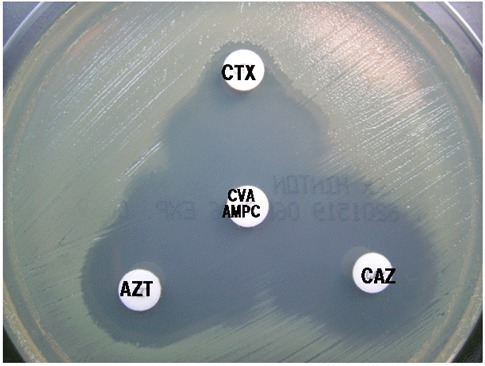
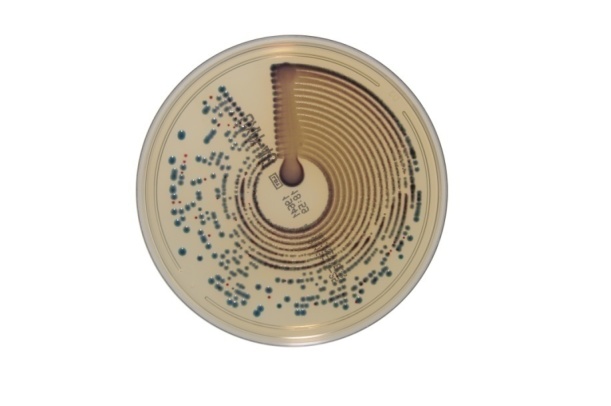
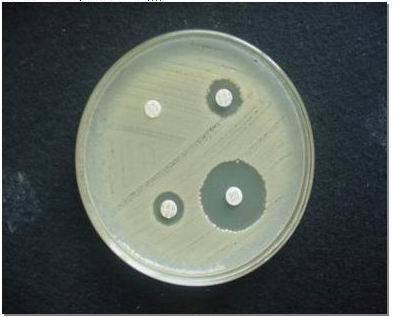
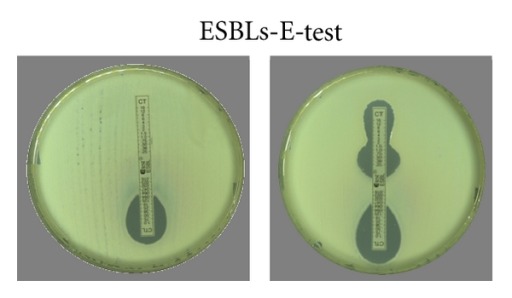
Pseudomonas aeruginosa genus bacteria are well known for their increased drug resistance (phenotypic ang genotypic resistance). The most important resistance mechanisms are: enzyme production, reduction of pore expression, reduction of the external membrane proteins expression, efflux systems, topoisomerase mutations. These mechanisms often accumulate and lead to multidrug ressitance strains emergence. The most frequent acquired resistance mechanisms are betalactamase-type enzyme production (ESBLs, AmpC, carbapenemases), which determine variable phenotypes of betalactamines resistance, phenotypes which are associated with aminoglycosides and quinolones resistance. The nonenzymatic drug resistance mechanisms are caused by efflux systems, pore reduction and penicillin-binding proteins (PBP) modification, which are often associated to other resistance mechanisms. Phenotypic methods used for testing these mechanisms are based on highlighting these phenotypes using Kirby Bauer antibiogram, clinical breakpoints, and "cut off" values recommended by EUCAST 2013 standard, version 3.1.
铜绿假单胞菌属细菌以其日益增强的耐药性(表型和基因型耐药)而闻名。最重要的耐药机制包括:酶的产生、孔道表达减少、外膜蛋白表达减少、外排系统、拓扑异构酶突变。这些机制常常相互累积,导致多重耐药菌株的出现。最常见的获得性耐药机制是β-内酰胺酶类酶的产生(超广谱β-内酰胺酶、AmpC酶、碳青霉烯酶),这决定了β-内酰胺类抗生素耐药的不同表型,这些表型与氨基糖苷类和喹诺酮类抗生素耐药相关。非酶促耐药机制由外排系统、孔道减少和青霉素结合蛋白(PBP)修饰引起,这些机制通常与其他耐药机制相关。用于检测这些机制的表型方法是基于使用Kirby Bauer药敏试验、临床断点以及欧盟药敏试验委员会(EUCAST)2013标准第3.1版推荐的“临界值”来突出这些表型。