Erickson Priscilla A, Cleves Phillip A, Ellis Nicholas A, Schwalbach Kevin T, Hart James C, Miller Craig T
Department of Molecular and Cell Biology, University of California, Berkeley, CA 94720, United States.
Department of Molecular and Cell Biology, University of California, Berkeley, CA 94720, United States.
Dev Biol. 2015 May 15;401(2):310-23. doi: 10.1016/j.ydbio.2015.02.006. Epub 2015 Feb 27.
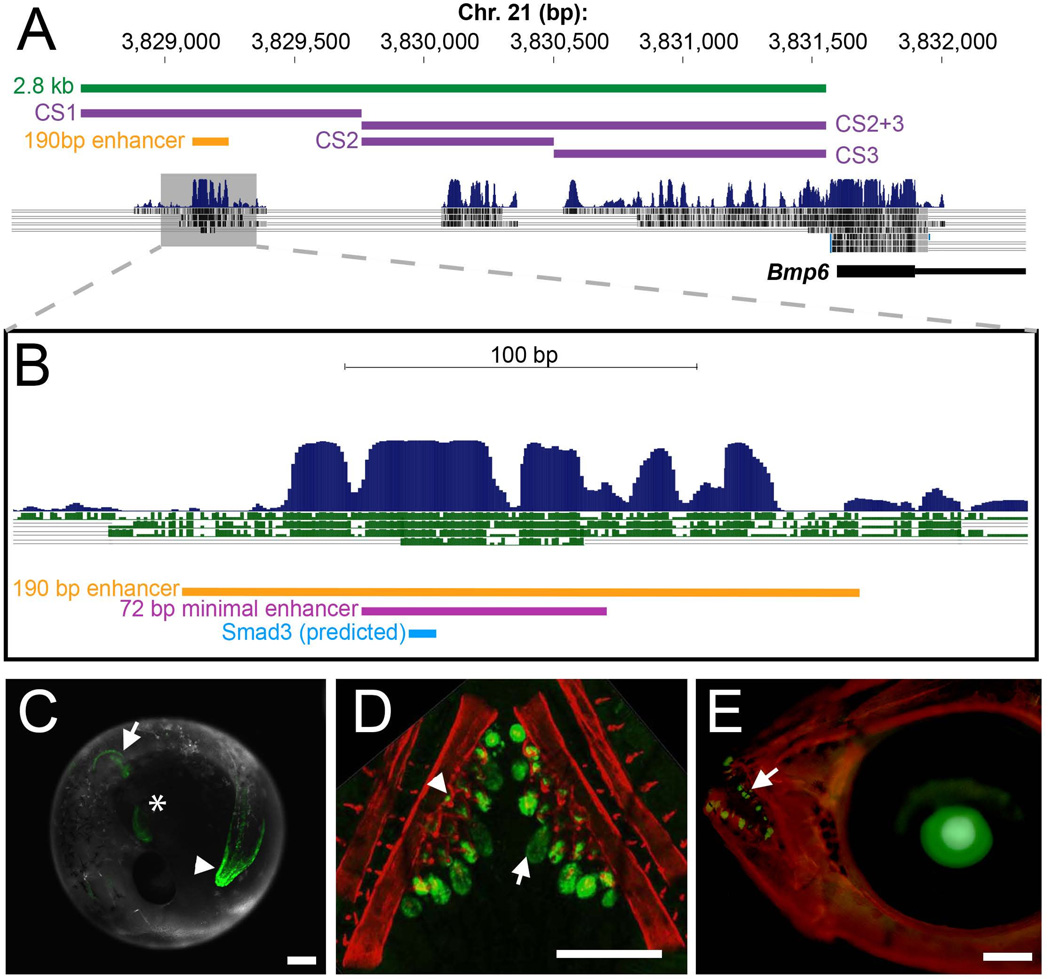
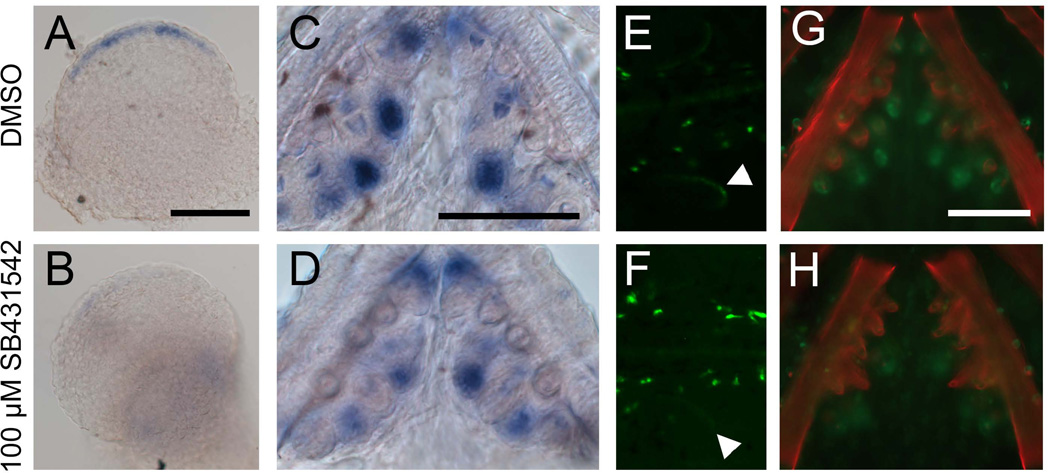
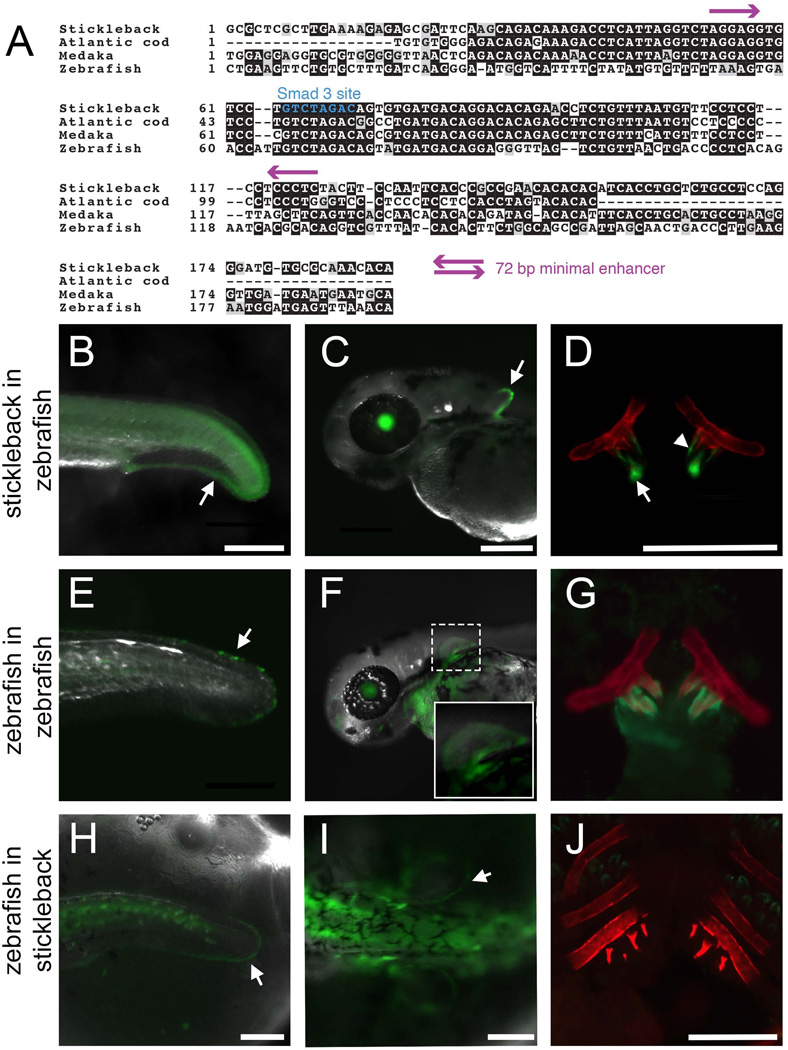
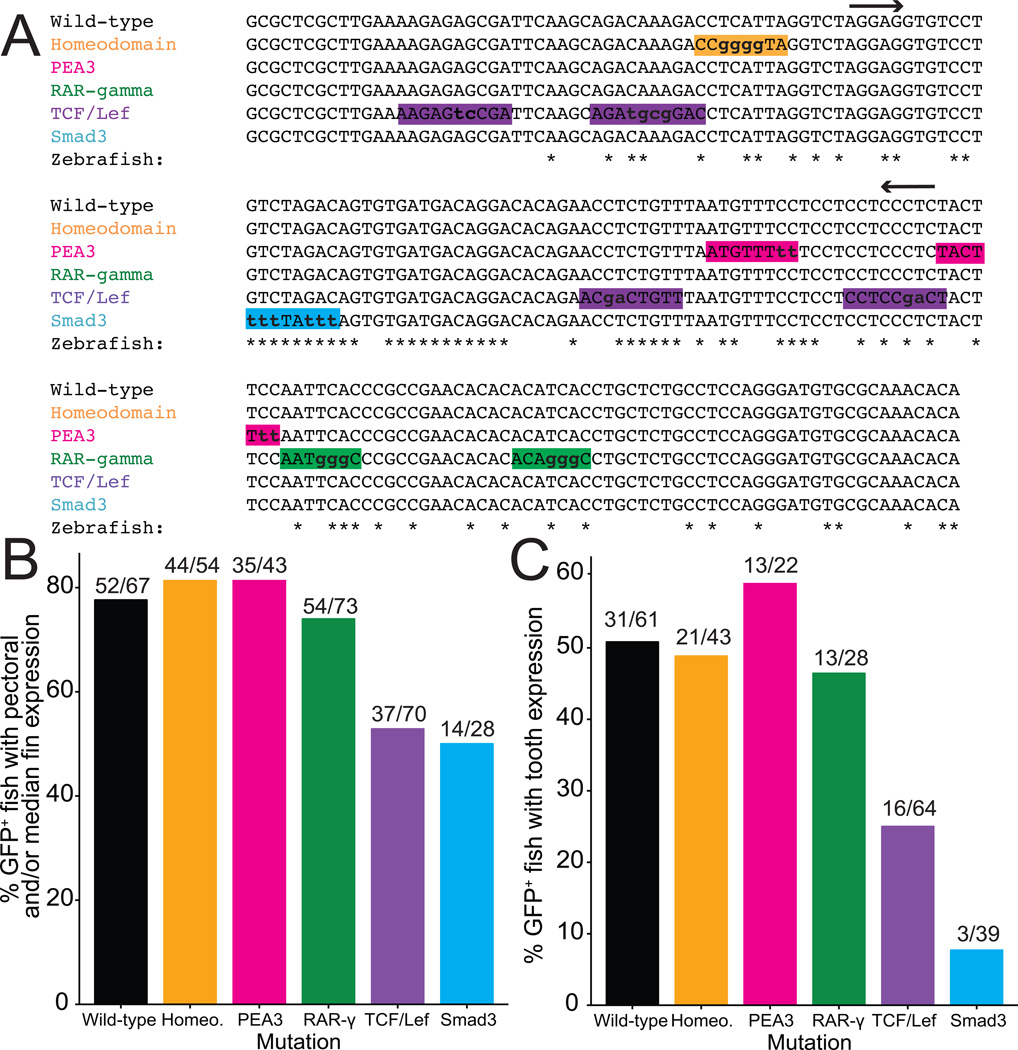
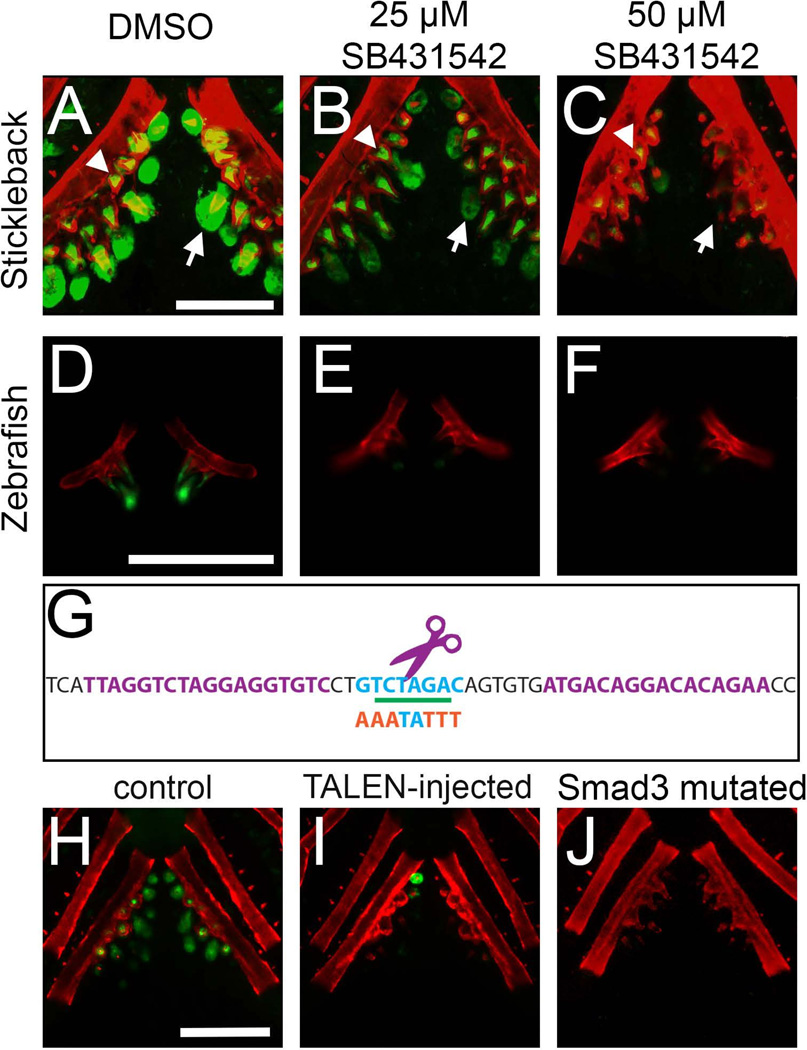
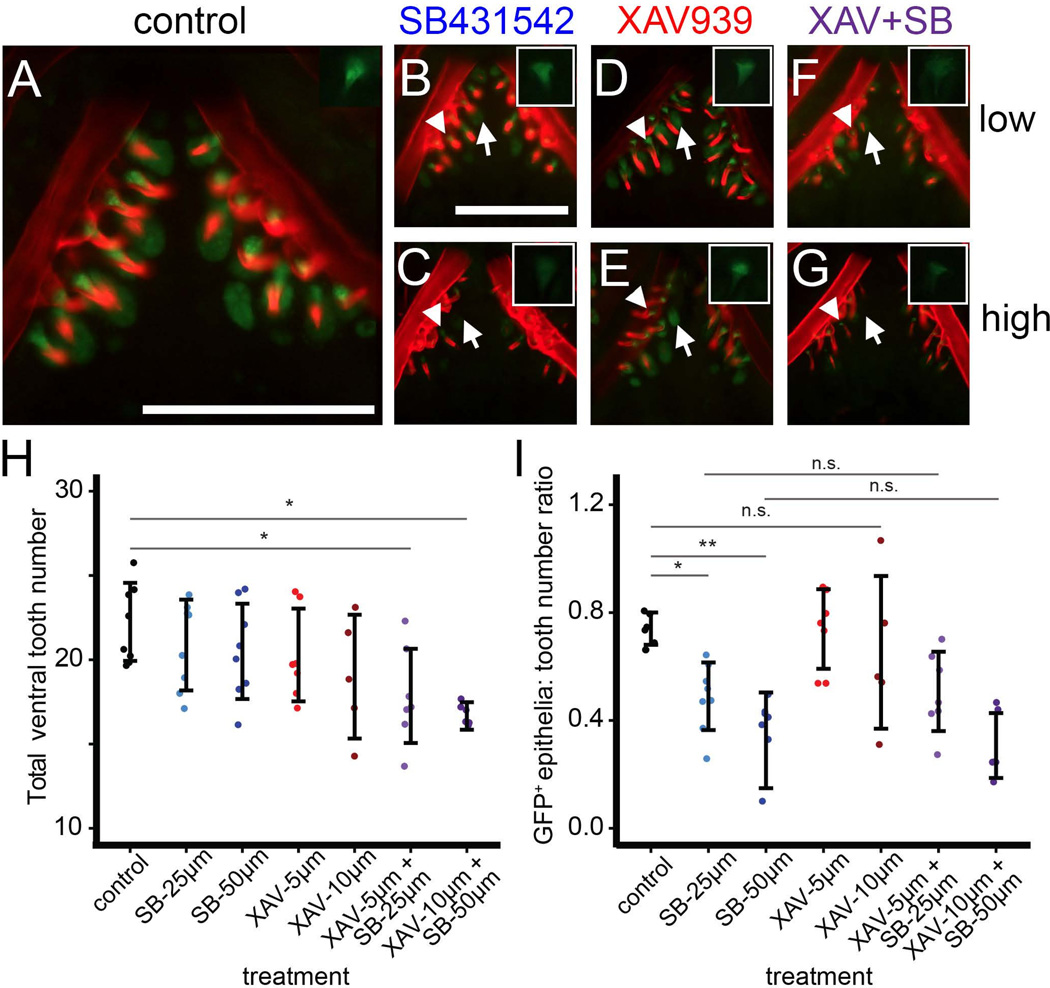
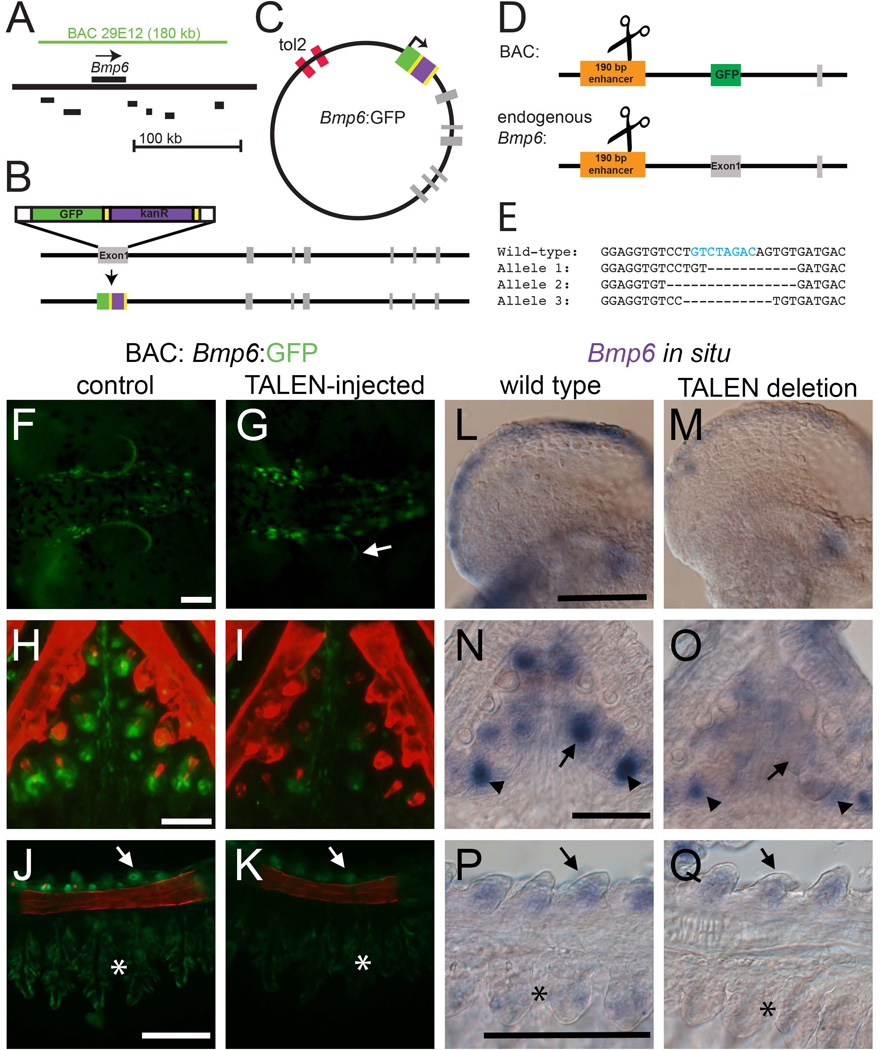
The ligands of the Bone Morphogenetic Protein (BMP) family of developmental signaling molecules are often under the control of complex cis-regulatory modules and play diverse roles in vertebrate development and evolution. Here, we investigated the cis-regulatory control of stickleback Bmp6. We identified a 190bp enhancer ~2.5 kilobases 5' of the Bmp6 gene that recapitulates expression in developing teeth and fins, with a core 72bp sequence that is sufficient for both domains. By testing orthologous enhancers with varying degrees of sequence conservation from outgroup teleosts in transgenic reporter gene assays in sticklebacks and zebrafish, we found that the function of this regulatory element appears to have been conserved for over 250 million years of teleost evolution. We show that a predicted binding site for the TGFβ effector Smad3 in this enhancer is required for enhancer function and that pharmacological inhibition of TGFβ signaling abolishes enhancer activity and severely reduces endogenous Bmp6 expression. Finally, we used TALENs to disrupt the enhancer in vivo and find that Bmp6 expression is dramatically reduced in teeth and fins, suggesting this enhancer is necessary for expression of the Bmp6 locus. This work identifies a relatively short regulatory sequence that is required for expression in multiple tissues and, combined with previous work, suggests that shared regulatory networks control limb and tooth development.
作为发育信号分子的骨形态发生蛋白(BMP)家族的配体,通常受复杂的顺式调控模块控制,并在脊椎动物的发育和进化中发挥多种作用。在此,我们研究了棘鱼Bmp6的顺式调控。我们在Bmp6基因5'端约2.5千碱基处鉴定出一个190bp的增强子,它在发育中的牙齿和鳍中重现表达,其核心72bp序列对这两个区域均足够。通过在棘鱼和斑马鱼的转基因报告基因检测中测试来自外群硬骨鱼的具有不同程度序列保守性的直系同源增强子,我们发现这个调控元件的功能在超过2.5亿年的硬骨鱼进化过程中似乎一直保守。我们表明,该增强子中一个预测的TGFβ效应因子Smad3结合位点是增强子功能所必需的,并且TGFβ信号的药理学抑制消除了增强子活性并严重降低了内源性Bmp6表达。最后,我们使用TALENs在体内破坏该增强子,发现牙齿和鳍中的Bmp6表达显著降低,表明该增强子是Bmp6基因座表达所必需的。这项工作鉴定出一个在多个组织中表达所需的相对较短的调控序列,并且结合先前的工作表明,共享的调控网络控制肢体和牙齿的发育。