Guimaraes Marcos Duarte, Schuch Alice, Hochhegger Bruno, Gross Jefferson Luiz, Chojniak Rubens, Marchiori Edson
MSc and PhD Fellow, MD, Radiologist, Specialist in Chest and Oncological Imaging, Hospital Heliópolis and A.C.Camargo Cancer Center, São Paulo, SP, Brazil.
MD, Radiologist, Full Member of Colégio Brasileiro de Radiologia e Diagnóstico por Imagem (CBR), Specialist in Oncological Imaging, MD, Hospital Moinhos de Vento, Porto Alegre, RS, Brazil.
Radiol Bras. 2014 Mar-Apr;47(2):101-11. doi: 10.1590/S0100-39842014000200013.
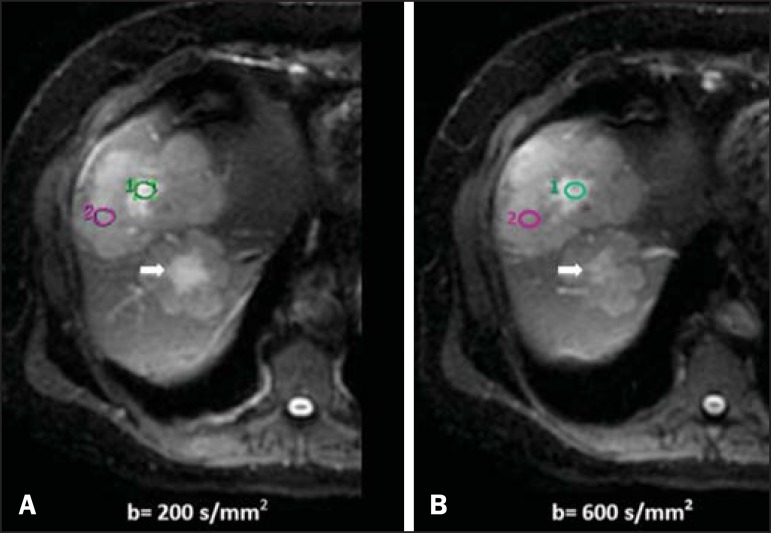
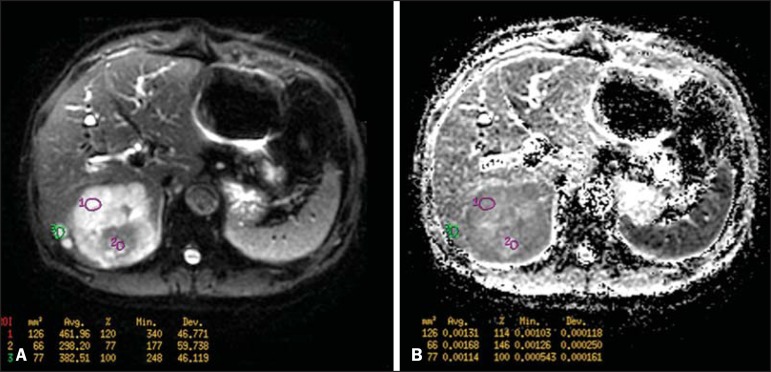
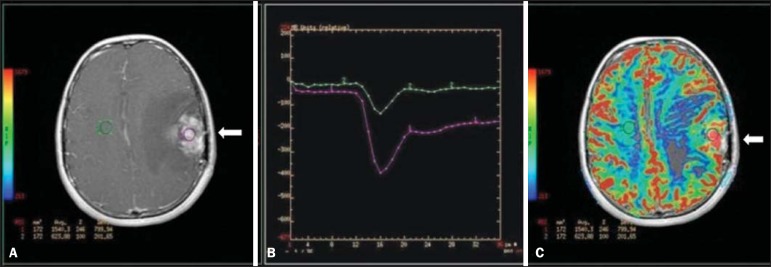
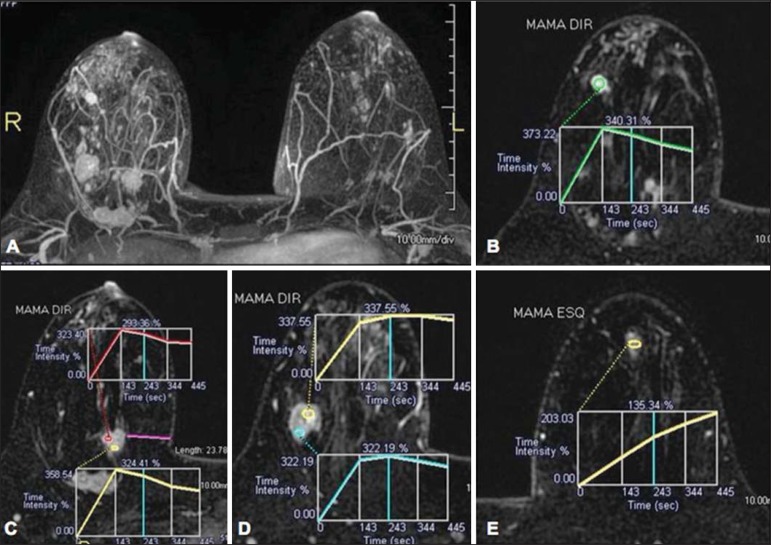
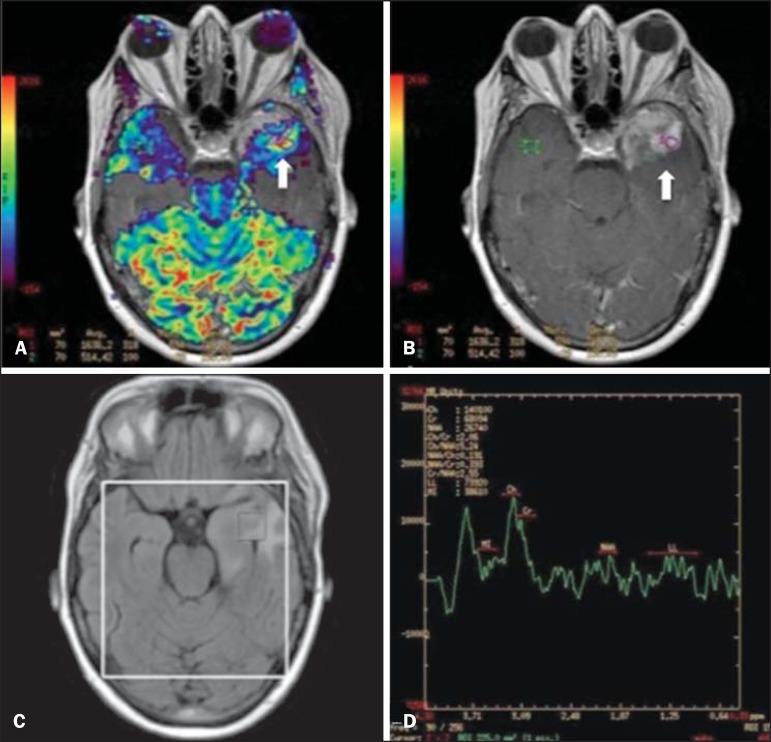
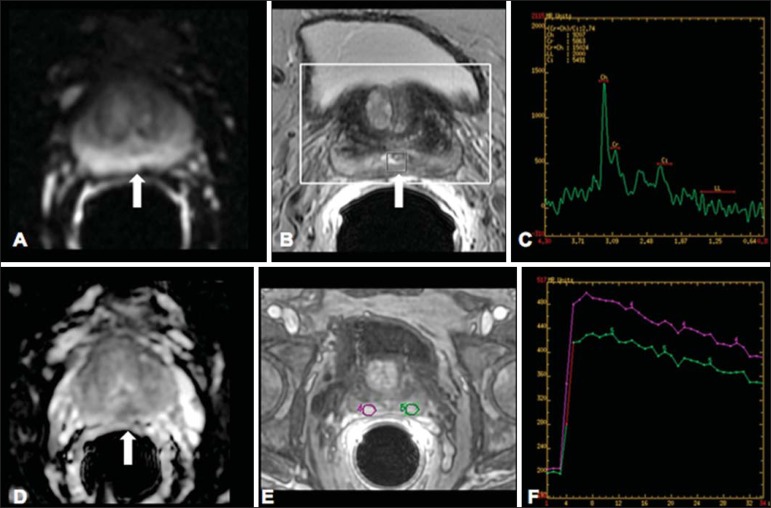
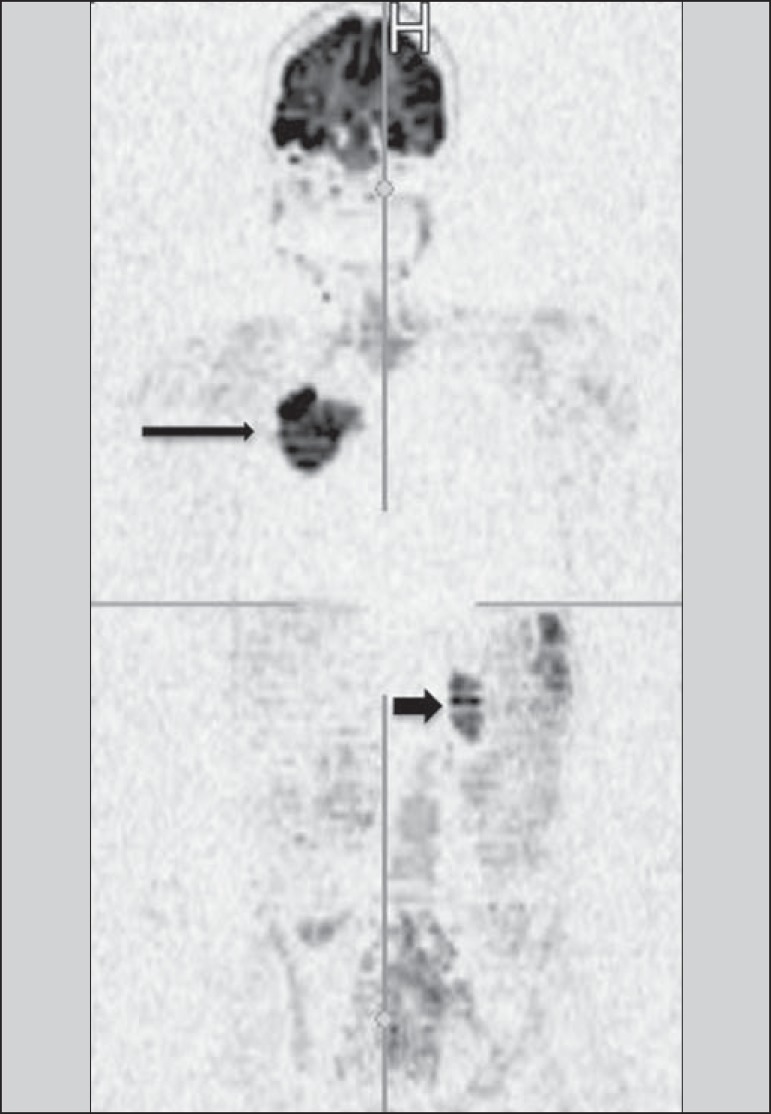
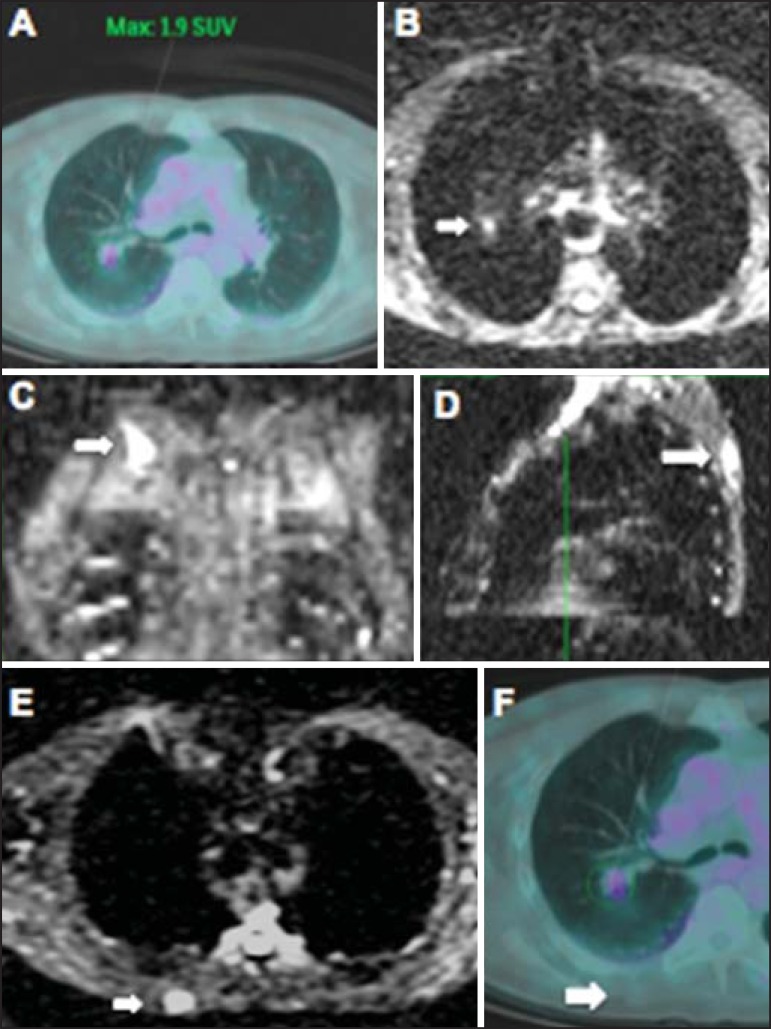
In the investigation of tumors with conventional magnetic resonance imaging, both quantitative characteristics, such as size, edema, necrosis, and presence of metastases, and qualitative characteristics, such as contrast enhancement degree, are taken into consideration. However, changes in cell metabolism and tissue physiology which precede morphological changes cannot be detected by the conventional technique. The development of new magnetic resonance imaging techniques has enabled the functional assessment of the structures in order to obtain information on the different physiological processes of the tumor microenvironment, such as oxygenation levels, cellularity and vascularity. The detailed morphological study in association with the new functional imaging techniques allows for an appropriate approach to cancer patients, including the phases of diagnosis, staging, response evaluation and follow-up, with a positive impact on their quality of life and survival rate.
在利用传统磁共振成像对肿瘤进行检查时,既要考虑大小、水肿、坏死及转移灶存在等定量特征,也要考虑对比增强程度等定性特征。然而,传统技术无法检测到形态学变化之前的细胞代谢和组织生理学变化。新磁共振成像技术的发展使得对结构进行功能评估成为可能,以便获取有关肿瘤微环境不同生理过程的信息,如氧合水平、细胞密度和血管分布。将详细的形态学研究与新的功能成像技术相结合,有助于对癌症患者采取恰当的诊疗方法,包括诊断、分期、疗效评估和随访阶段,对患者的生活质量和生存率产生积极影响。