Mulrennan Siobhain, Baltic Svetlana, Aggarwal Shashi, Wood Jamie, Miranda Alina, Frost Felicity, Kaye Joey, Thompson Philip J
1] Department of Respiratory Medicine, Sir Charles Gairdner Hospital, Nedlands, Western Australia [2] Lung Institute of Western Australia, Nedlands, Western Australia [3] Centre for Asthma, Allergy and Respiratory Research, School of Medicine and Pharmacology, University of Western Australia, Western Australia.
1] Lung Institute of Western Australia, Nedlands, Western Australia [2] Centre for Asthma, Allergy and Respiratory Research, School of Medicine and Pharmacology, University of Western Australia, Western Australia.
Sci Rep. 2015 Mar 10;5:8931. doi: 10.1038/srep08931.
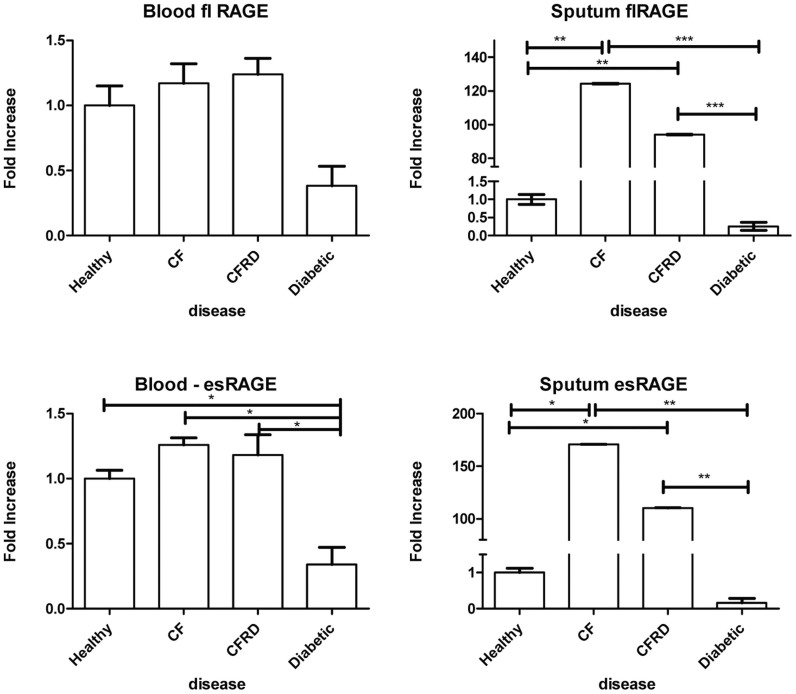
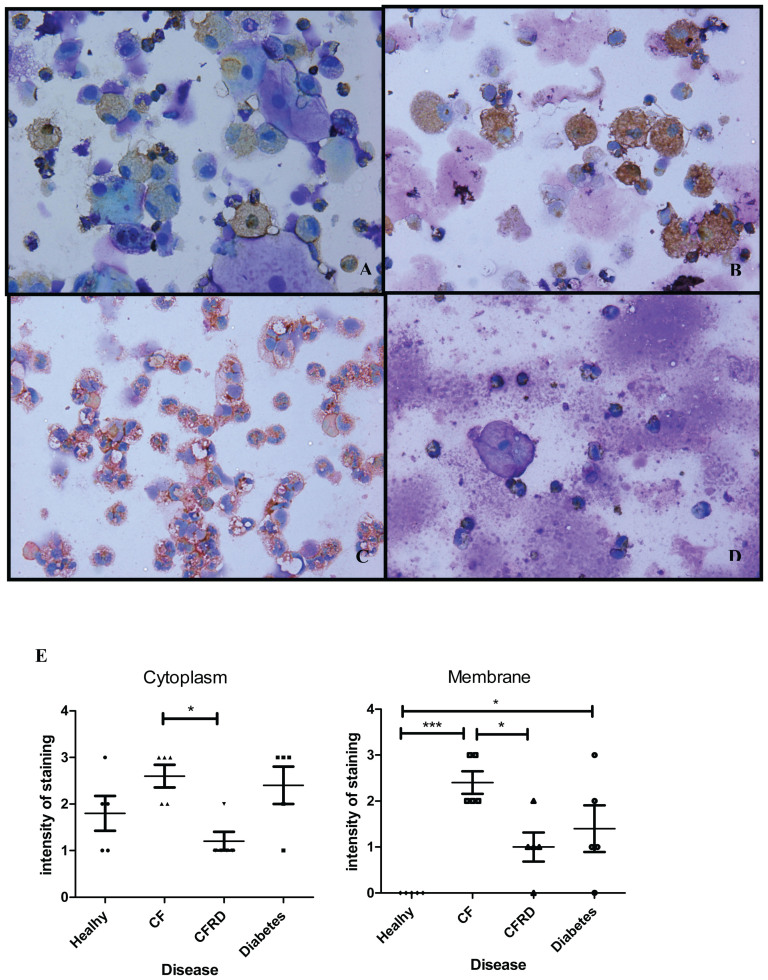
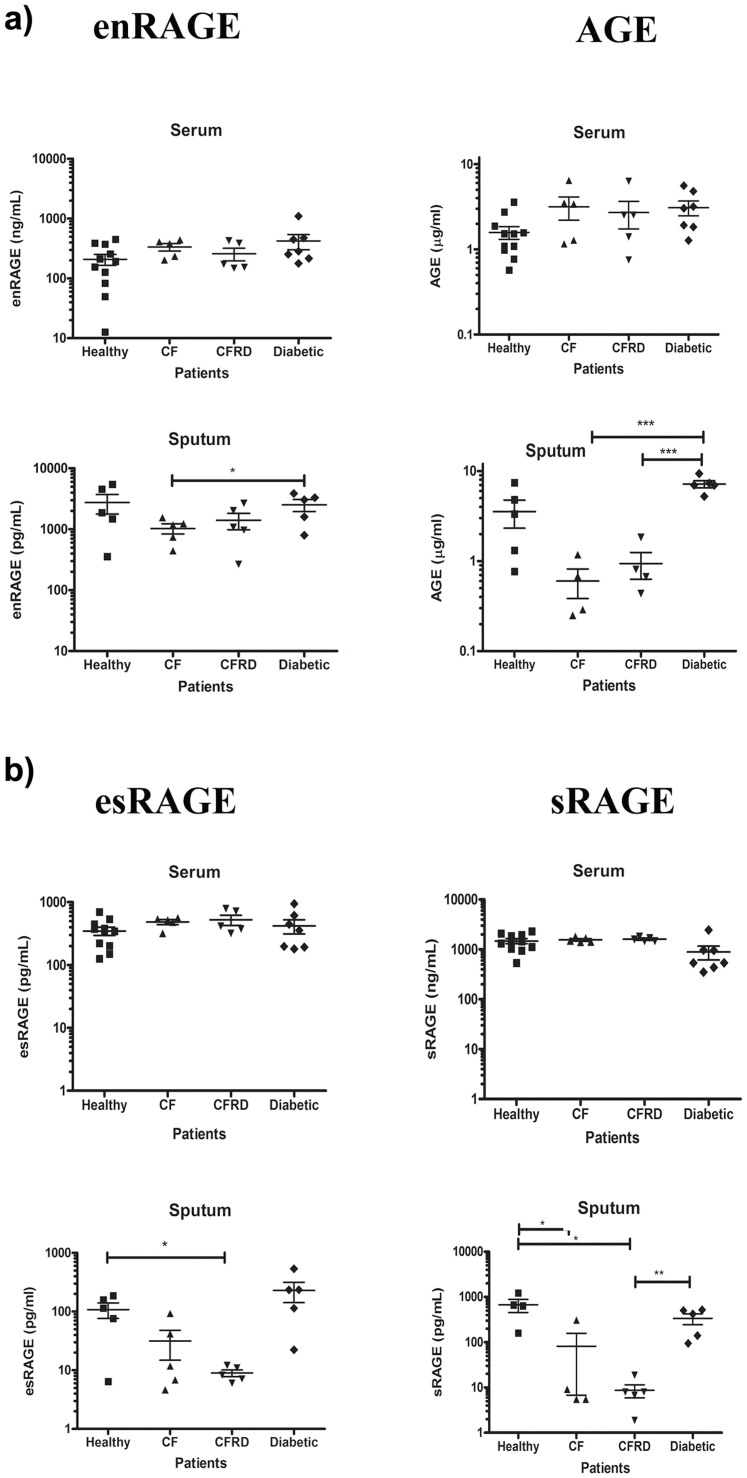
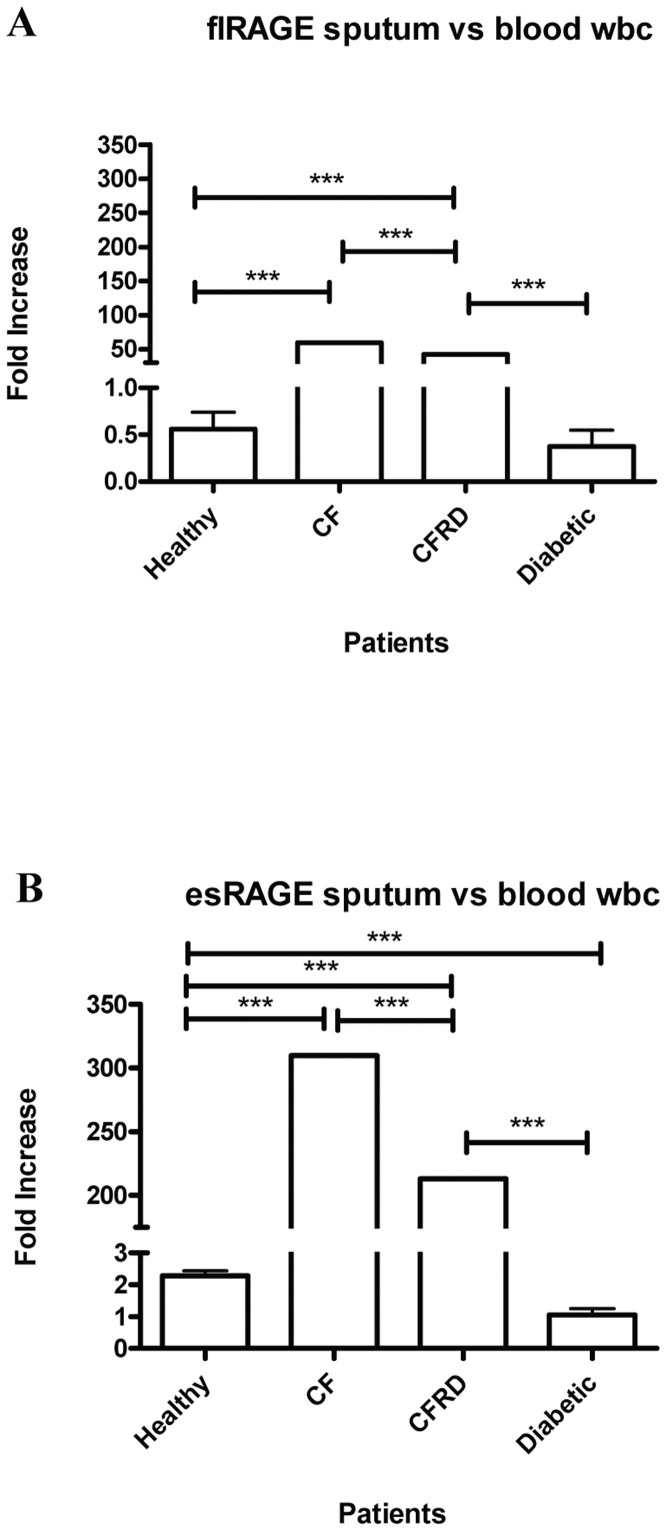
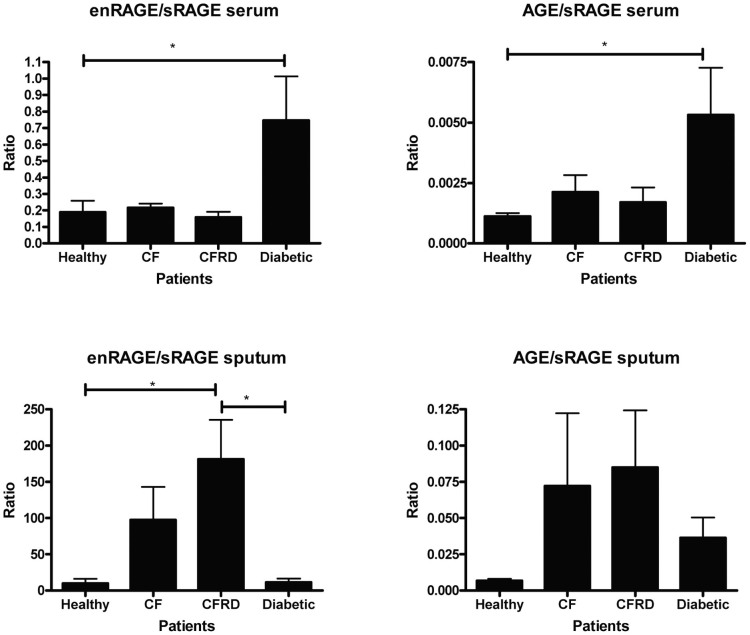
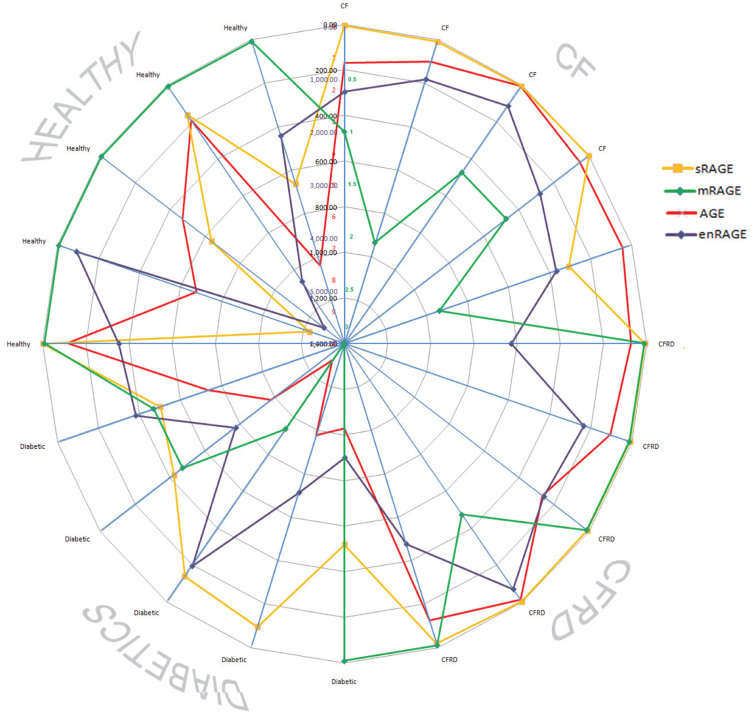
Cystic Fibrosis (CF) is often accompanied by diabetes leading to worsening lung function, the reason for which is unclear. The receptor for advanced-glycation-end-products (RAGE) regulates immune responses and inflammation and has been linked to diabetes and possibly CF. We performed a pilot study to determine if CF and CF-related diabetes (CFRD) are associated with enhanced RAGE expression. Full length (fl)RAGE, soluble (s)RAGE, endogenous soluble (es)RAGE, S100A12 (enRAGE) and advanced-glycation-end-products (AGE) expression was assessed in serum, white blood cells and sputum of patients with CF; diabetes; CFRD and healthy subjects. Sputum enRAGE/sRAGE ratios were high in CF but particularly in CFRD which negatively correlated with % predicted FEV1. Serum AGE and AGE/sRAGE ratios were high in diabetics but not in CF. A complex, multifaceted approach was used to assess the role of RAGE and its ligands which is fundamental to determining their impact on airway inflammation. There is a clear association between RAGE activity in the airways of CF and CFRD patients that is not evident in the vascular compartment and correlates with lung function, in contrast to diabetes. This strongly suggests a role for RAGE in contributing to the inflammatory overdrive seen in CF and to a greater extent in CFRD.
囊性纤维化(CF)常伴有糖尿病,导致肺功能恶化,其原因尚不清楚。晚期糖基化终产物受体(RAGE)调节免疫反应和炎症,与糖尿病以及可能与CF有关。我们进行了一项初步研究,以确定CF和CF相关糖尿病(CFRD)是否与RAGE表达增强有关。在CF患者、糖尿病患者、CFRD患者和健康受试者的血清、白细胞和痰液中评估全长(fl)RAGE、可溶性(s)RAGE、内源性可溶性(es)RAGE、S100A12(enRAGE)和晚期糖基化终产物(AGE)的表达。CF患者痰液中的enRAGE/sRAGE比值较高,但CFRD患者尤其高,且与预计FEV1百分比呈负相关。糖尿病患者血清AGE和AGE/sRAGE比值较高,但CF患者不高。我们采用了一种复杂的多方面方法来评估RAGE及其配体的作用,这对于确定它们对气道炎症的影响至关重要。与糖尿病不同,CF和CFRD患者气道中的RAGE活性之间存在明显关联,而在血管腔中不明显,且与肺功能相关。这强烈表明RAGE在导致CF中所见的炎症过度驱动以及在更大程度上导致CFRD中发挥作用。