Departments of Pathology, Columbia University Medical Center New York, NY, USA.
Departments of Neurology, Columbia University Medical Center New York, NY, USA.
Front Neuroanat. 2015 Feb 23;9:17. doi: 10.3389/fnana.2015.00017. eCollection 2015.
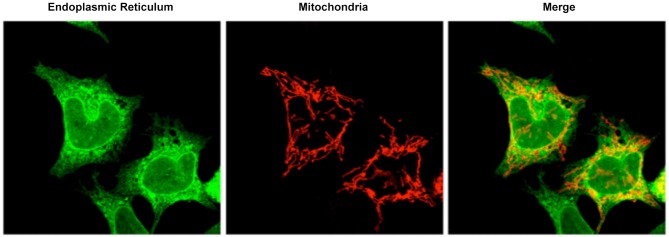
α-synuclein (α-syn) is one of the genes that when mutated or overexpressed causes Parkinson's Disease (PD). Initially, it was described as a synaptic terminal protein and later was found to be localized at mitochondria. Mitochondria-associated membranes (MAM) have emerged as a central endoplasmic reticulum (ER) subcellular compartments where key functions of the cell occur. These domains, enriched in cholesterol and anionic phospholipids, are where calcium homeostasis, lipid transfer, and cholesterol metabolism are regulated. Some proteins, related to mitochondrial dynamics and function, are also localized to this area. Several neurodegenerative diseases have shown alterations in MAM functions and resident proteins, including Charcot Marie-Tooth and Alzheimer's disease (AD). We have recently reported that MAM function is downregulated in cell and mouse models of PD expressing pathogenic mutations of α-syn. This review focuses on the possible role of α-syn in these cellular domains and the early pathogenic features of PD that could be explained by α-syn-MAM disturbances.
α-突触核蛋白(α-syn)是一种基因突变或过度表达会导致帕金森病(PD)的基因。最初,它被描述为一种突触末端蛋白,后来被发现在线粒体中定位。线粒体相关膜(MAM)已成为中央内质网(ER)亚细胞区室,细胞的关键功能在此发生。这些富含胆固醇和阴离子磷脂的区域调节钙稳态、脂质转移和胆固醇代谢。一些与线粒体动力学和功能相关的蛋白质也定位于该区域。几种神经退行性疾病的 MAM 功能和驻留蛋白发生改变,包括 Charcot-Marie-Tooth 和阿尔茨海默病(AD)。我们最近报道,在表达致病性 α-syn 突变的 PD 细胞和小鼠模型中,MAM 功能下调。本综述重点介绍了 α-syn 在这些细胞区室中的可能作用,以及可能由 α-syn-MAM 紊乱解释的 PD 的早期发病特征。