Choi Kang-Ho, Park Man-Seok, Kim Hyung-Seok, Kim Kyung-Tae, Kim Hyeon-Sik, Kim Joon-Tae, Kim Byeong-Chae, Kim Myeong-Kyu, Park Jong-Tae, Cho Ki-Hyun
Department of Neurology, Chonnam National University Hwasun Hospital, Hwasun, Korea.
Department of Neurology, Chonnam National University Medical School, 8 Hak-dong, Dong-gu, Gwangju, 501-757, Korea.
Mol Brain. 2015 Feb 11;8:9. doi: 10.1186/s13041-015-0101-6.
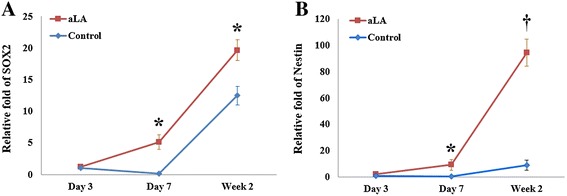
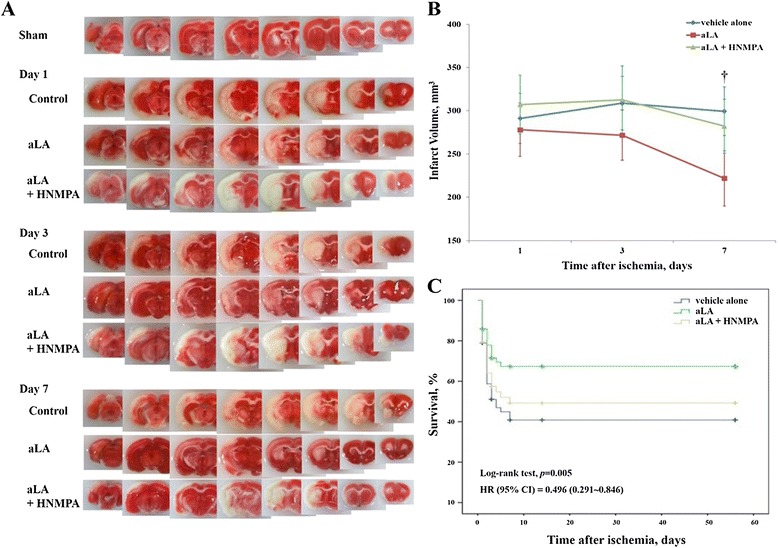
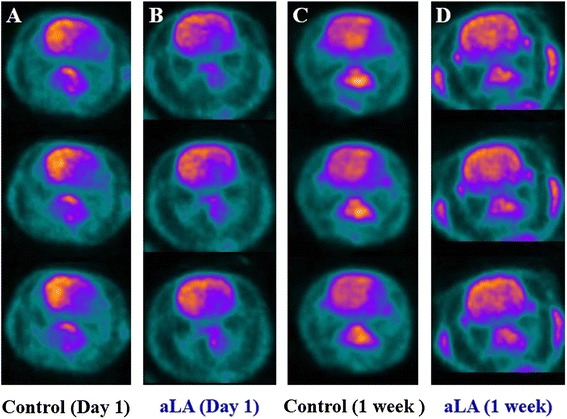
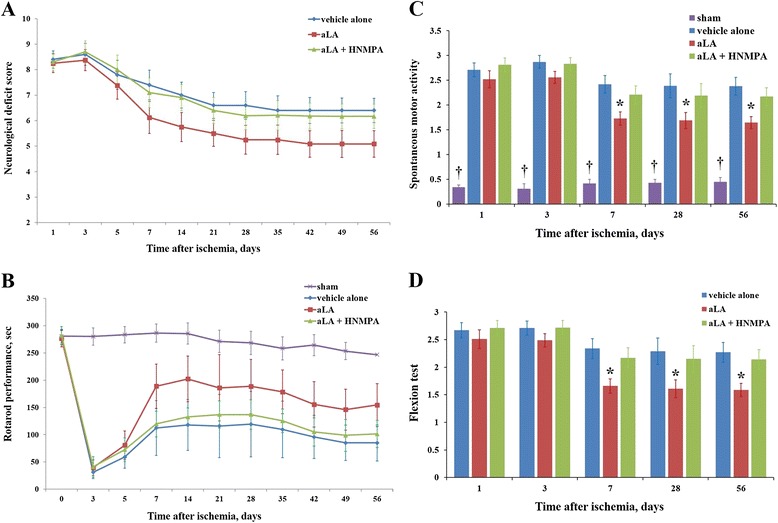
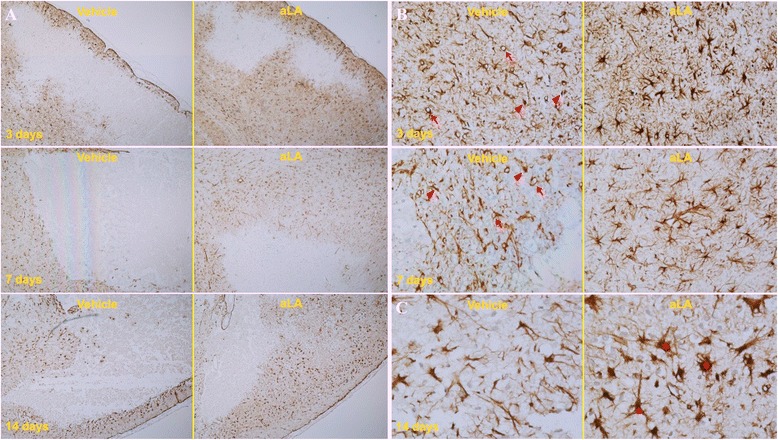
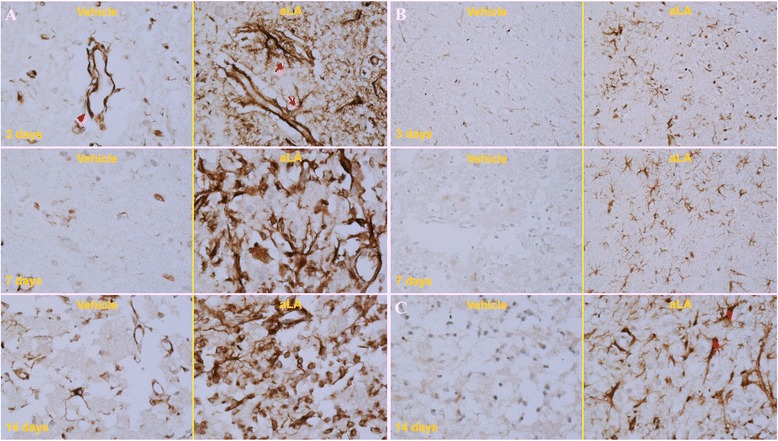
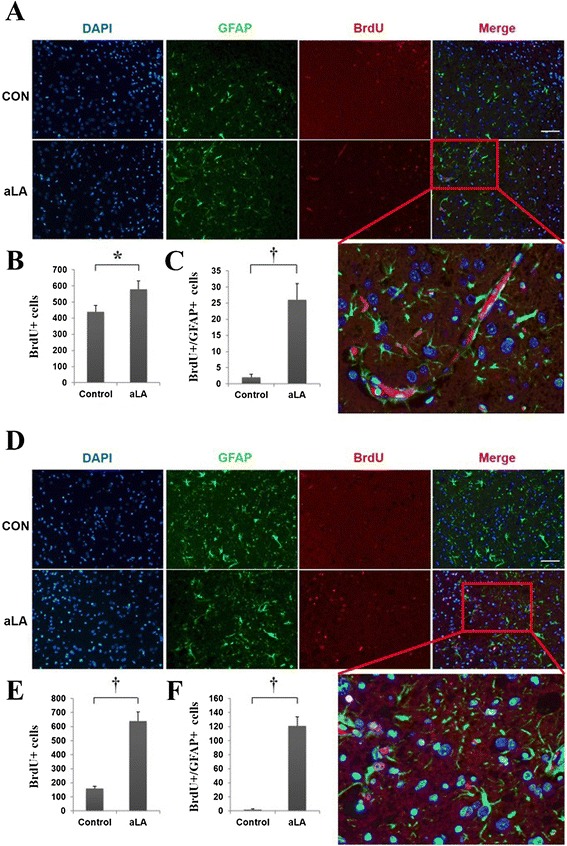
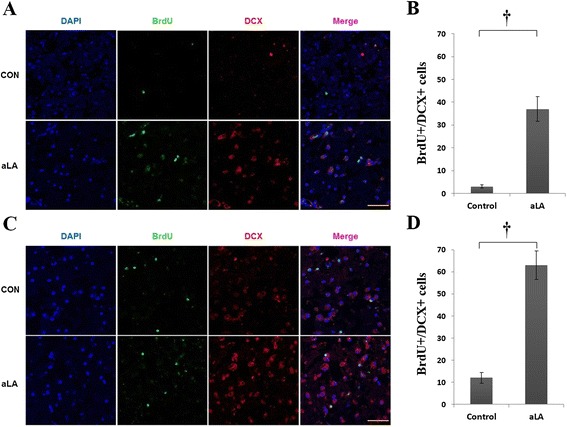
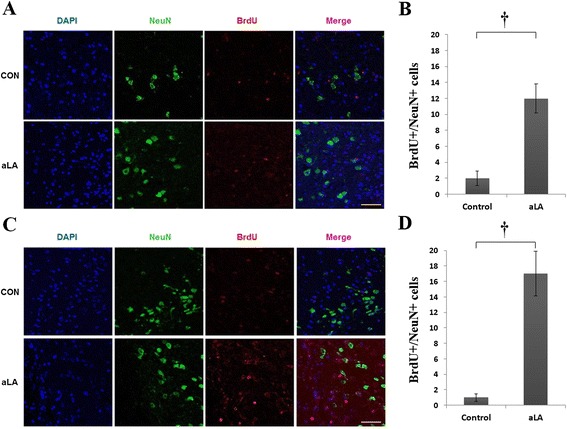
The antioxidant properties of alpha-lipoic acid (aLA) correlate with its ability to promote neuroproliferation. However, there have been no comprehensive studies examining the neurorestorative effects of aLA administration after the onset of ischemia. The middle cerebral artery (MCA) of adult rats was occluded for 2 hours and then reperfused. aLA (20 mg/kg) was administered in 71 animals (aLA group) through the left external jugular vein immediately after reperfusion. An equivalent volume of vehicle was administered to 71 animals (control group). Functional outcome, levels of endogenous neural precursors with neurogenesis, glial cell activation, and brain metabolism were evaluated. Immediate aLA administration after reperfusion resulted in significantly reduced mortality, infarct size, and neurological deficit score (NDS) in the test group compared to the control group. Long-term functional outcomes, measured by the rotarod test, were markedly improved by aLA treatment. There was a significant increase in the number of cells expressing nestin and GFAP in the boundary zone and infarct core regions after aLA treatment. Furthermore, significantly more BrdU/GFAP, BrdU/DCX, and BrdU/NeuN double-labeled cells were observed along the boundary zone of the aLA group on days 7, 14, and 28 days, respectively. And brain metabolism using (18)F-FDG microPET imaging was markedly improved in aLA group. The effects of aLA was blocked by insulin receptor inhibitor, HNMPA (AM)3. These results indicate that immediate treatment with aLA after ischemic injury may have significant neurorestorative effects mediated at least partially via insulin receptor activation. Thus, aLA may be useful for the treatment of acute ischemic stroke.
α-硫辛酸(aLA)的抗氧化特性与其促进神经增殖的能力相关。然而,尚无全面研究考察缺血发作后给予aLA的神经修复作用。将成年大鼠的大脑中动脉(MCA)闭塞2小时后再灌注。71只动物(aLA组)在再灌注后立即通过左颈外静脉给予aLA(20mg/kg)。给71只动物(对照组)给予等量的赋形剂。评估功能结局、具有神经发生的内源性神经前体细胞水平、胶质细胞活化和脑代谢。与对照组相比,再灌注后立即给予aLA可使试验组的死亡率、梗死面积和神经功能缺损评分(NDS)显著降低。通过转棒试验测量的长期功能结局经aLA治疗后明显改善。aLA治疗后,边界区和梗死核心区中表达巢蛋白和胶质纤维酸性蛋白(GFAP)的细胞数量显著增加。此外,在第7天、14天和28天,分别在aLA组的边界区观察到显著更多的5-溴脱氧尿苷(BrdU)/GFAP、BrdU/双皮质素(DCX)和BrdU/神经元核抗原(NeuN)双标细胞。并且使用(18)F-氟代脱氧葡萄糖(FDG)微型正电子发射断层扫描(microPET)成像的脑代谢在aLA组中明显改善。aLA的作用被胰岛素受体抑制剂HNMPA(AM)3阻断。这些结果表明,缺血性损伤后立即用aLA治疗可能具有显著的神经修复作用,至少部分是通过胰岛素受体激活介导的。因此,aLA可能对急性缺血性中风的治疗有用。