Adeoye Peter Oladapo, Kadri Dotun Musiliu, Bello Jibril Oyekunle, Ofoegbu Chima Kingsley Pascal, Abdur-Rahman Lukman Olajide, Adekanye Adedeji Olugbenga, Solagberu Babatunde Akeeb
Centre for Injury Research and Safety Promotion (CIRASP), Department of Surgery, University of Ilorin Teaching Hospital, Ilorin, Kwara State, Nigeria.
Department of Surgery, Federal Medical Centre, Keffi, Nasarawa State, Nigeria.
Pan Afr Med J. 2014 Oct 16;19:159. doi: 10.11604/pamj.2014.19.159.5017. eCollection 2014.
Road traffic injury (RTI) has assumed major public health importance world-wide and the burden is heavier on the health-care infrastructure of countries in Sub-Saharan Africa. In Nigeria, RTI is the leading cause of trauma related morbidity and mortality. While there are some published epidemiological reports on RTI in the region, studies on the mechanism of causation of road traffic crashes (RTC) are not available.
Over a 9-month period, we prospectively captured the 571 victims of RTC presenting to a single tertiary health care center in Nigeria. Data collected include demographic data, Mechanism of causation of RTC, Injuries sustained and outcomes.
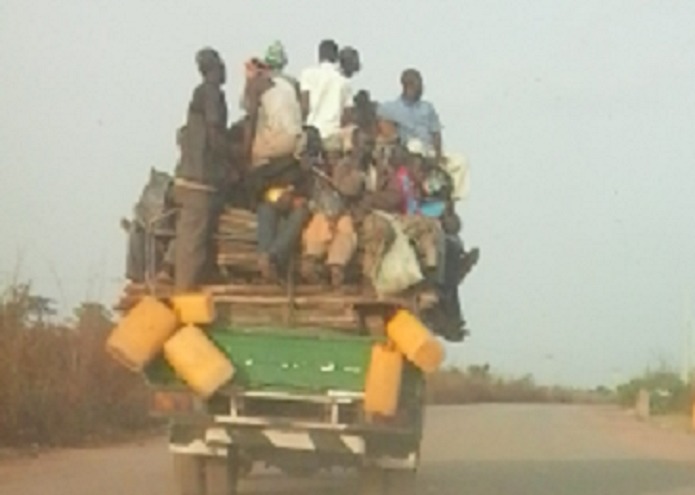
Over three-quarters of the victims are young people and half were either traders (27.5%) or students (20%). Pedestrians, motorcycle riders and open truck occupants (people sitting at the rear loading compartment of trucks) often had fatal injuries. Analysis of collision patterns showed that lone crashes were the most frequent though car-to-motorcycle crashes caused a quarter of the deaths. Host factors (over-speeding driver, driver misjudgment, sleeping driver etc.) were responsible for four-fifths of the crashes while vehicular and environmental factors accounted for the remaining. On binary regression analysis, head injured victims had higher odds of dying than the non-head injured (Odds ratio = 6.5).
This paper elucidates the mechanisms of causation of and types of injuries sustained following RTC in Nigeria and thus provide opportunities for prevention and control of this unacceptable situation.
道路交通伤害(RTI)在全球范围内已成为重大的公共卫生问题,对撒哈拉以南非洲国家的卫生保健基础设施造成的负担更为沉重。在尼日利亚,道路交通伤害是创伤相关发病和死亡的主要原因。虽然该地区有一些关于道路交通伤害的已发表流行病学报告,但关于道路交通事故(RTC)因果机制的研究却未见报道。
在9个月的时间里,我们前瞻性地收集了前往尼日利亚一家单一三级医疗中心就诊的571名道路交通事故受害者的数据。收集的数据包括人口统计学数据、道路交通事故的因果机制、所受伤害及后果。
超过四分之三的受害者为年轻人,其中一半是商人(27.5%)或学生(20%)。行人、摩托车骑手和敞篷卡车乘客(坐在卡车后部装载区的人)经常受到致命伤害。碰撞模式分析表明,单车事故最为常见,不过汽车与摩托车相撞导致了四分之一的死亡。人为因素(超速驾驶、驾驶员判断失误、疲劳驾驶等)导致了五分之四的事故,而车辆和环境因素占其余部分。二元回归分析显示,头部受伤的受害者死亡几率高于未头部受伤者(比值比=6.5)。
本文阐明了尼日利亚道路交通事故的因果机制及所受伤害类型,从而为预防和控制这种不可接受的状况提供了机会。