Bhutani Isha, Loharch Saurabh, Gupta Pawan, Madathil Rethi, Parkesh Raman
Institute of Microbial Technology, Council of Scientific and Industrial Research, Chandigarh 160036, India.
PLoS One. 2015 Mar 19;10(3):e0119771. doi: 10.1371/journal.pone.0119771. eCollection 2015.
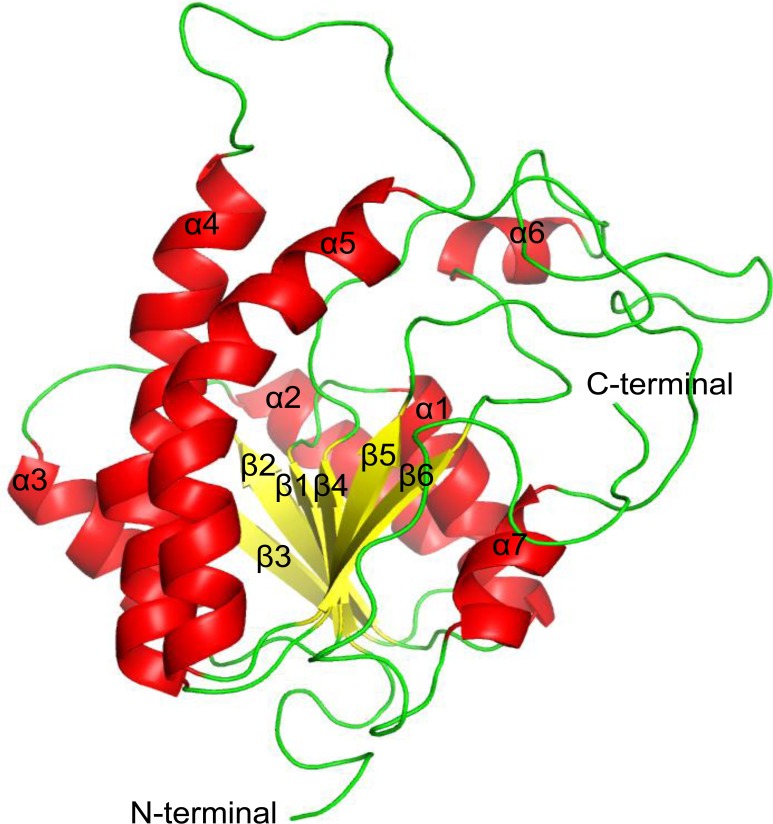
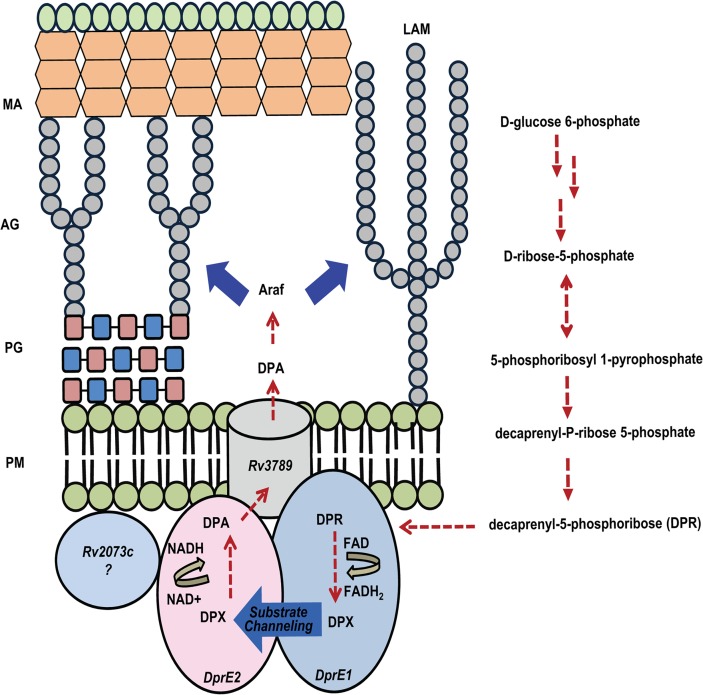
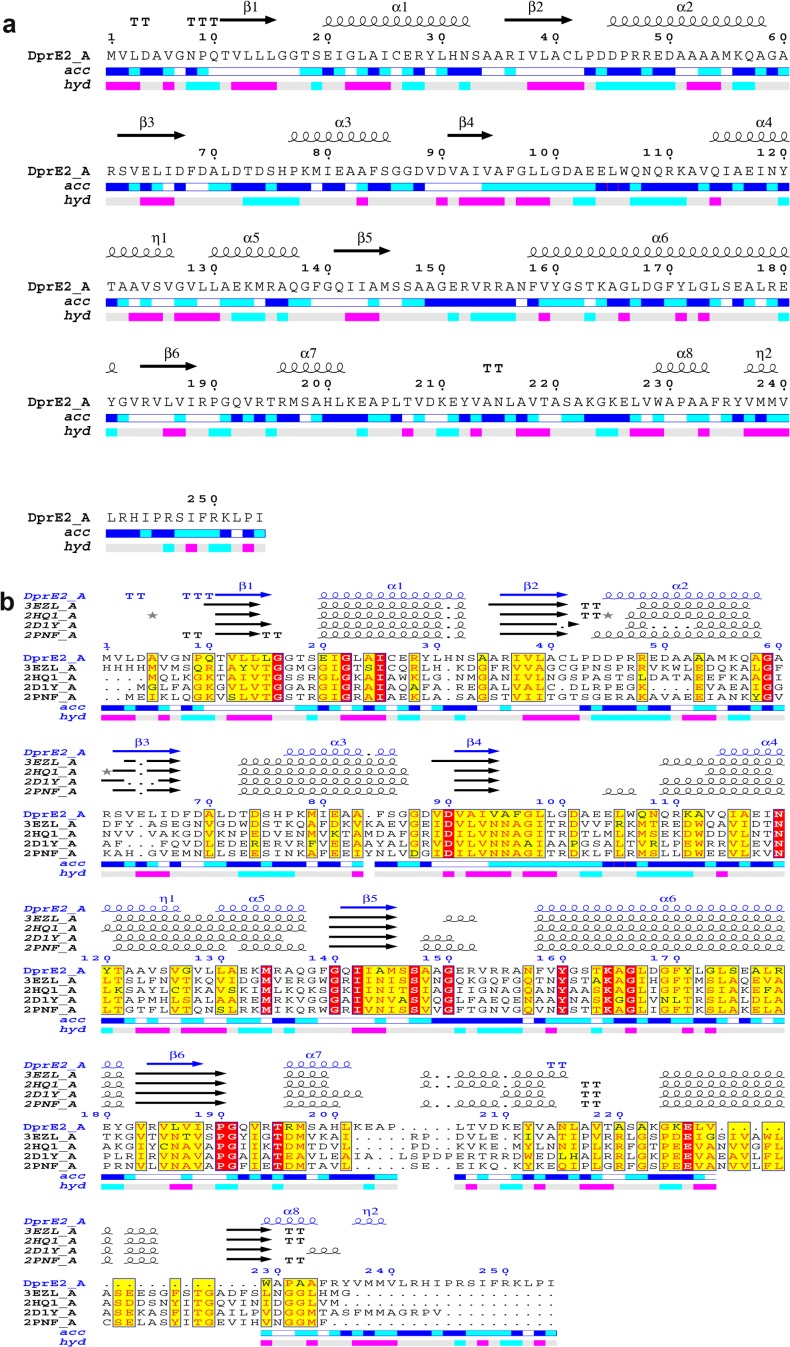
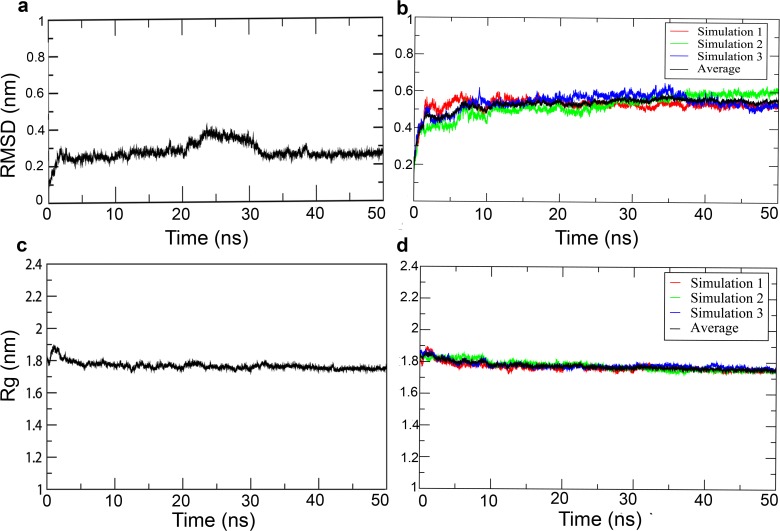
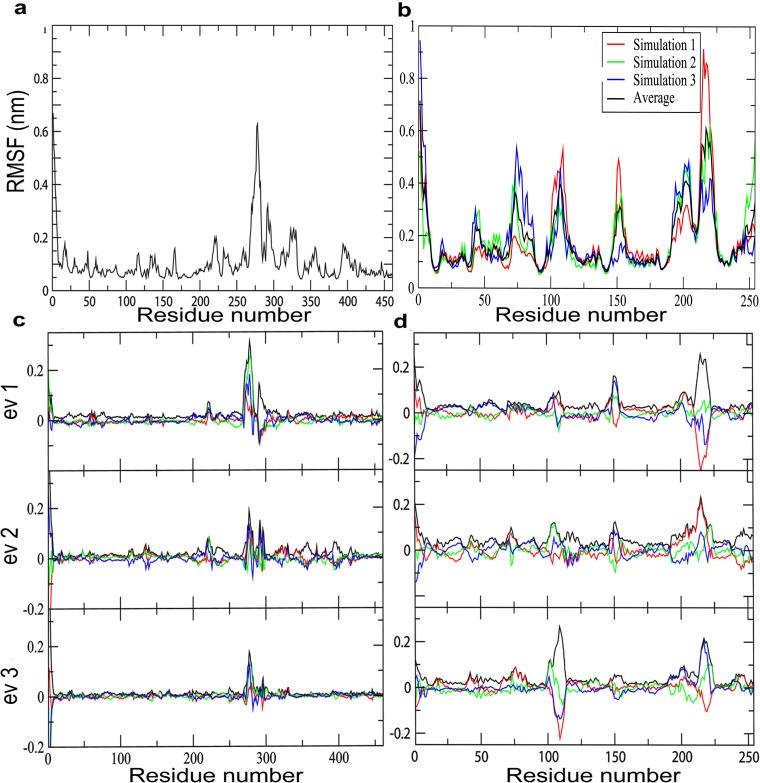
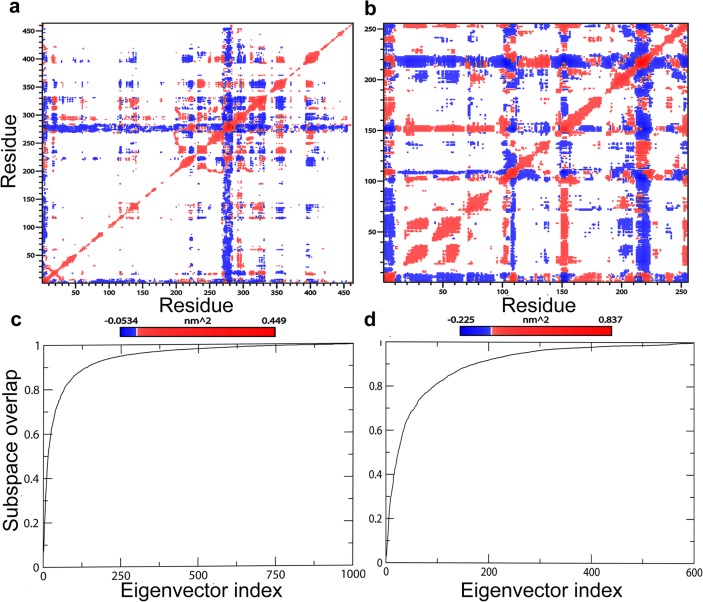
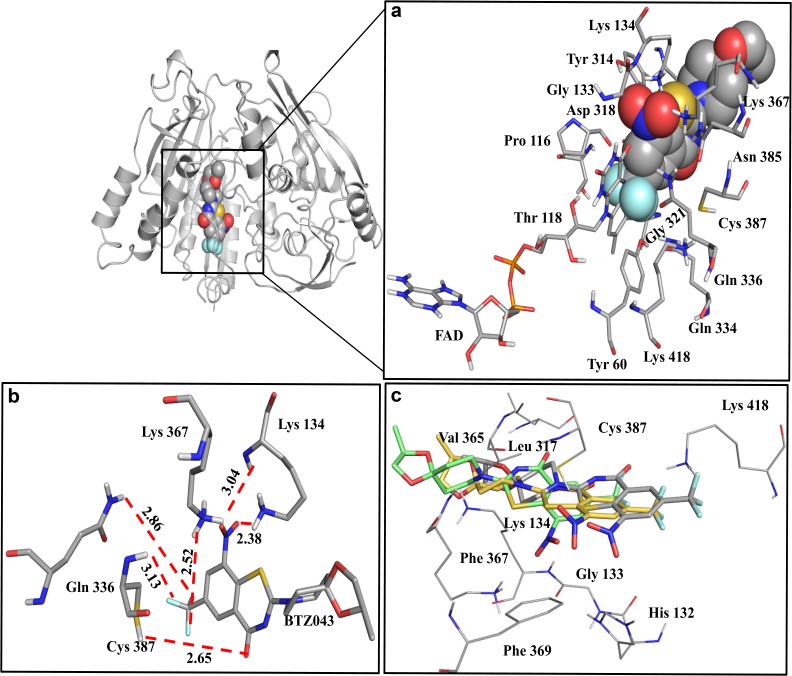
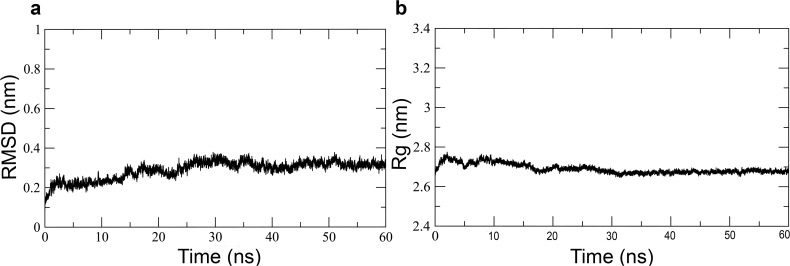
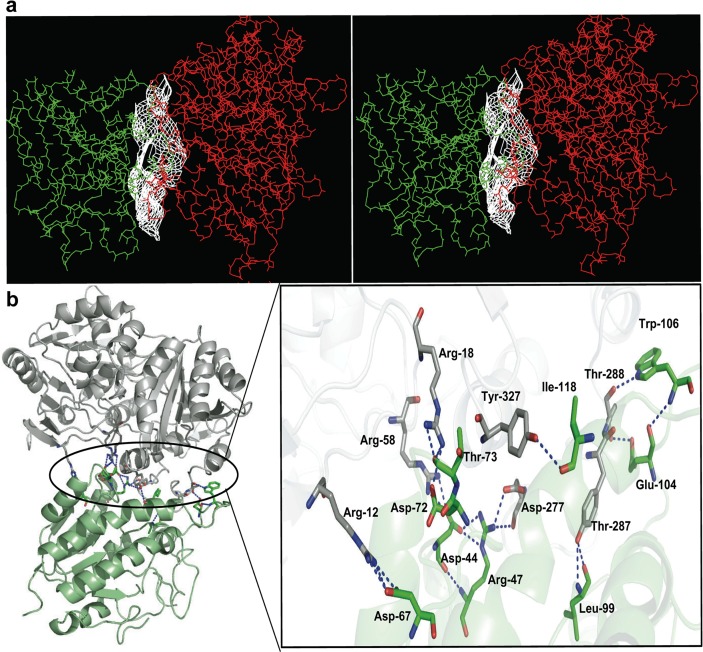
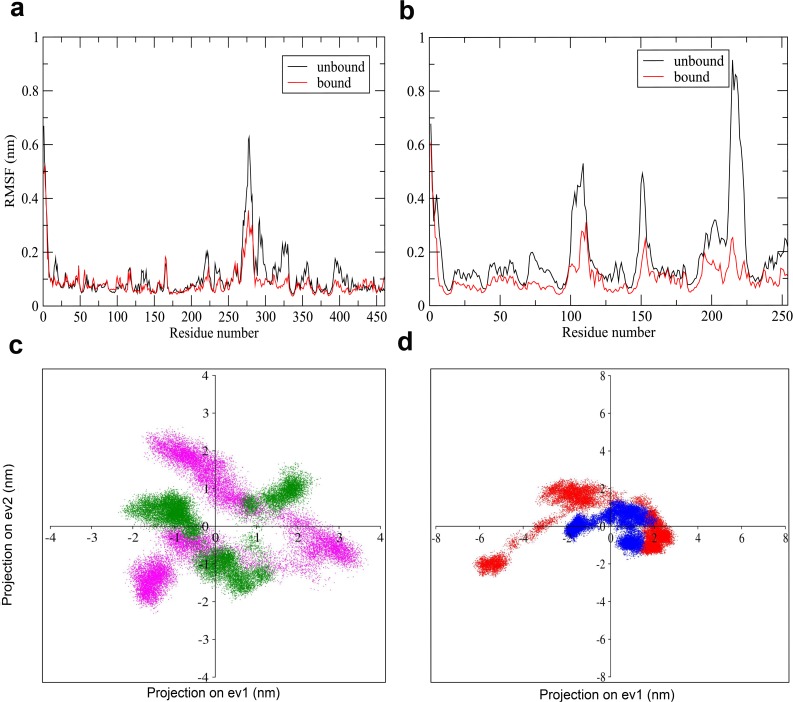
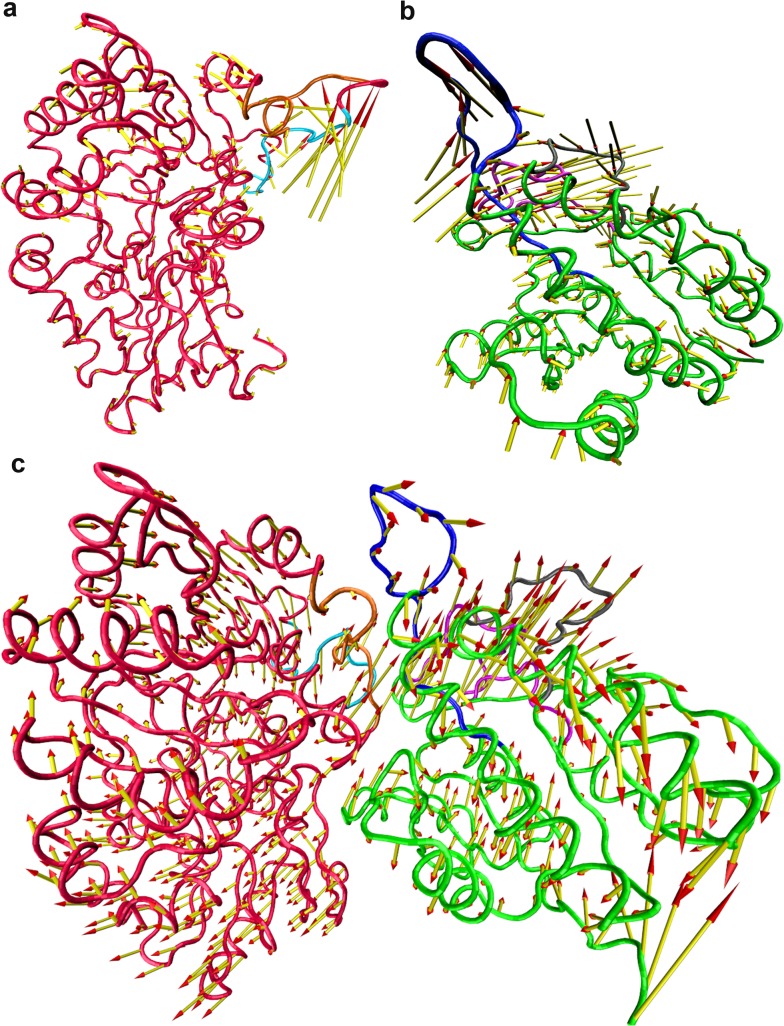
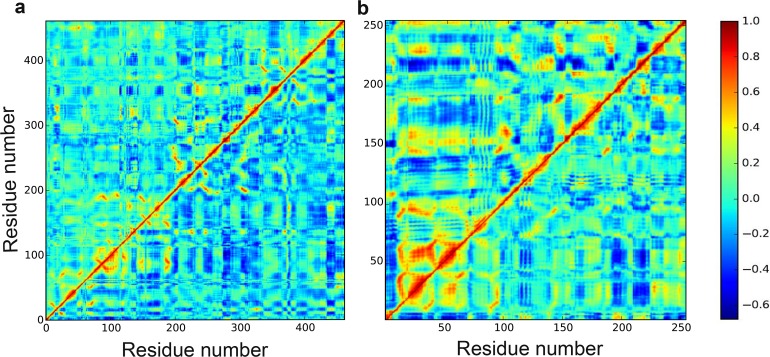
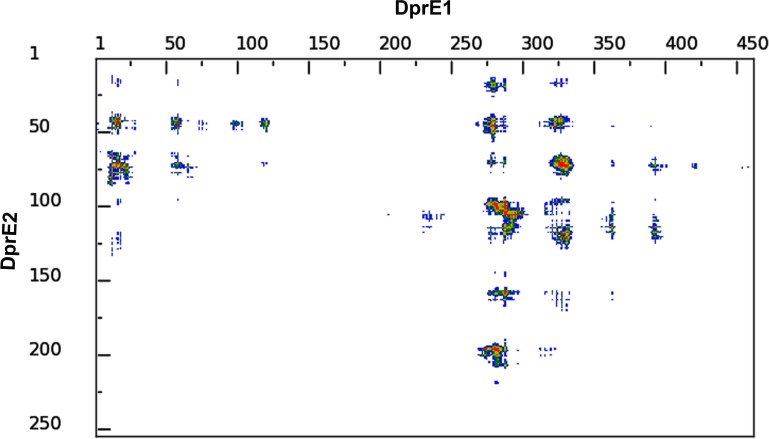
The enzymes decaprenylphosphoryl-β-D-ribose oxidase (DprE1) and decaprenylphosphoryl-β-D-ribose-2-epimerase (DprE2) catalyze epimerization of decaprenylphosporyl ribose (DPR) todecaprenylphosporyl arabinose (DPA) and are critical for the survival of Mtb. Crystal structures of DprE1 so far reported display significant disordered regions and no structural information is known for DprE2. We used homology modeling, protein threading, molecular docking and dynamics studies to investigate the structural and dynamic features of Mtb DprE1 and DprE2 and DprE1-DprE2 complex. A three-dimensional model for DprE2 was generated using the threading approach coupled with ab initio modeling. A 50 ns simulation of DprE1 and DprE2 revealed the overall stability of the structures. Principal Component Analysis (PCA) demonstrated the convergence of sampling in both DprE1 and DprE2. In DprE1, residues in the 269-330 area showed considerable fluctuation in agreement with the regions of disorder observed in the reported crystal structures. In DprE2, large fluctuations were detected in residues 95-113, 146-157, and 197-226. The study combined docking and MD simulation studies to map and characterize the key residues involved in DprE1-DprE2 interaction. A 60 ns MD simulation for DprE1-DprE2 complex was also performed. Analysis of data revealed that the docked complex is stabilized by H-bonding, hydrophobic and ionic interactions. The key residues of DprE1 involved in DprE1-DprE2 interactions belong to the disordered region. We also examined the docked complex of DprE1-BTZ043 to investigate the binding pocket of DprE1 and its interactions with the inhibitor BTZ043. In summary, we hypothesize that DprE1-DprE2 interaction is crucial for the synthesis of DPA and DprE1-DprE2 complex may be a new therapeutic target amenable to pharmacological validation. The findings have important implications in tuberculosis (TB) drug discovery and will facilitate drug development efforts against TB.
癸异戊烯基磷酸化-β-D-核糖氧化酶(DprE1)和癸异戊烯基磷酸化-β-D-核糖-2-表异构酶(DprE2)催化癸异戊烯基磷酸核糖(DPR)向癸异戊烯基磷酸阿拉伯糖(DPA)的差向异构化,对结核分枝杆菌(Mtb)的存活至关重要。目前报道的DprE1晶体结构显示出显著的无序区域,且DprE2的结构信息未知。我们使用同源建模、蛋白穿线法、分子对接和动力学研究来探究Mtb DprE1、DprE2以及DprE1-DprE2复合物的结构和动力学特征。利用穿线法结合从头建模生成了DprE2的三维模型。对DprE1和DprE2进行了50纳秒的模拟,揭示了结构的整体稳定性。主成分分析(PCA)表明DprE1和DprE2中的采样均收敛。在DprE1中,269-330区域的残基表现出相当大的波动,这与已报道晶体结构中观察到的无序区域一致。在DprE2中,95-113、146-157和197-226残基处检测到较大波动。该研究结合对接和分子动力学模拟研究来定位和表征参与DprE1-DprE2相互作用的关键残基。还对DprE1-DprE2复合物进行了60纳秒的分子动力学模拟。数据分析表明,对接复合物通过氢键、疏水和离子相互作用得以稳定。参与DprE1-DprE2相互作用的DprE1关键残基属于无序区域。我们还研究了DprE1与BTZ043的对接复合物,以探究DprE1的结合口袋及其与抑制剂BTZ043的相互作用。总之,我们推测DprE1-DprE2相互作用对DPA的合成至关重要,且DprE1-DprE2复合物可能是一个适合进行药理学验证的新治疗靶点。这些发现对结核病(TB)药物研发具有重要意义,并将推动抗结核药物开发工作。