Khanna Maneesh, Ramanathan Subramaniyan, Fasih Najla, Schieda Nicola, Virmani Vivek, McInnes Matthew D F
Department of Diagnostic Imaging, The Ottawa Hospital, University of Ottawa, Ontario, Canada.
Insights Imaging. 2015 Jun;6(3):347-62. doi: 10.1007/s13244-015-0399-8. Epub 2015 Mar 20.
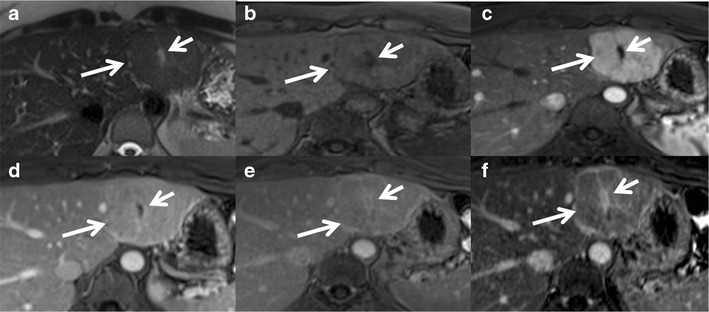
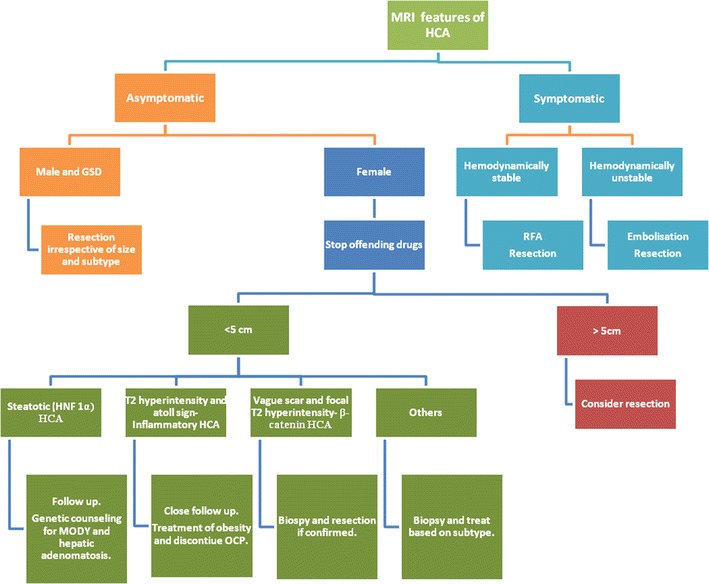
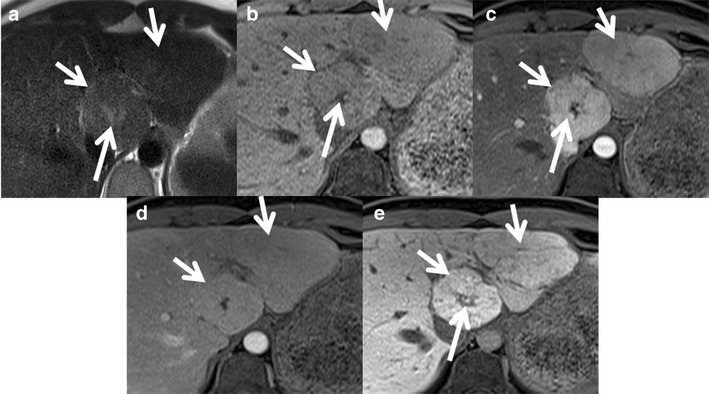
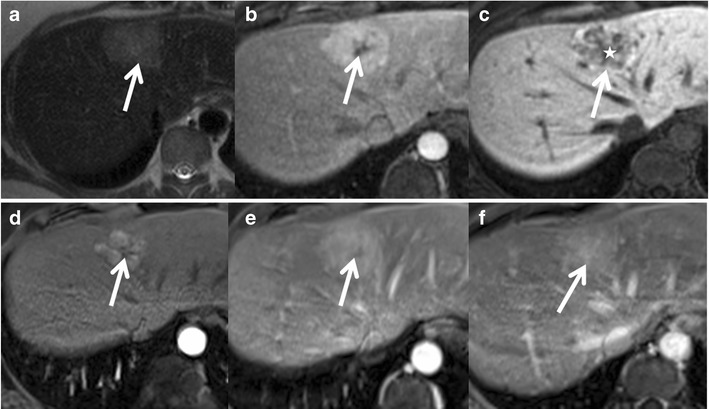
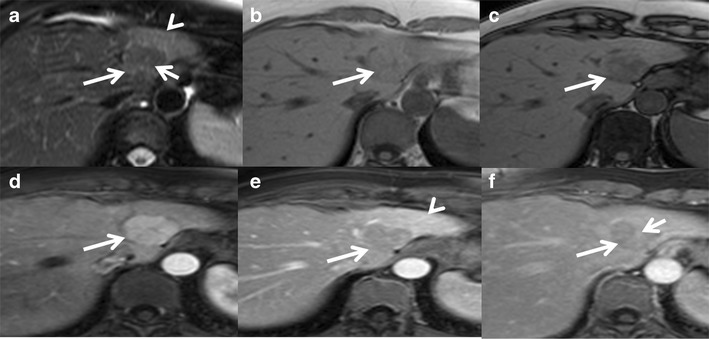
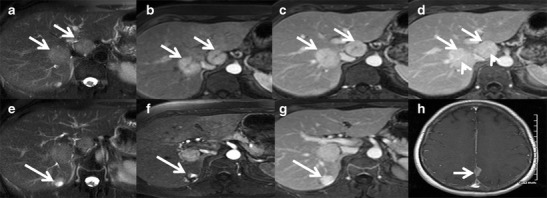
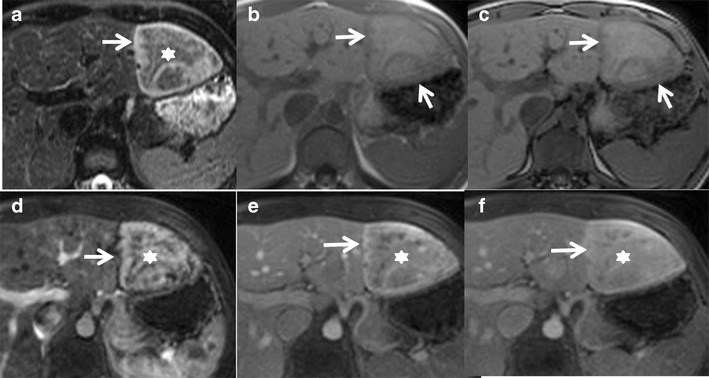
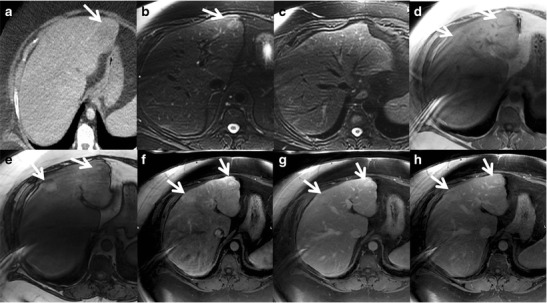
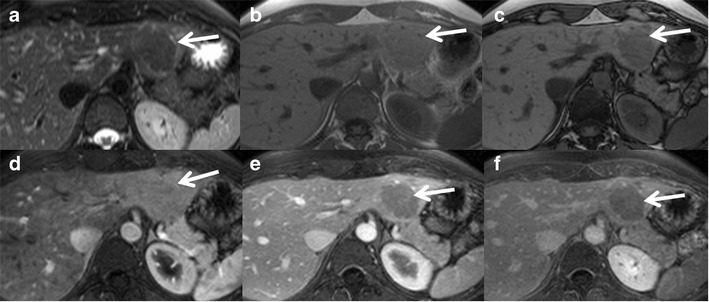
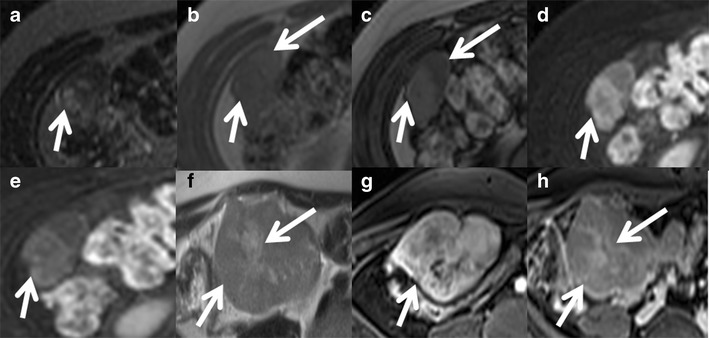
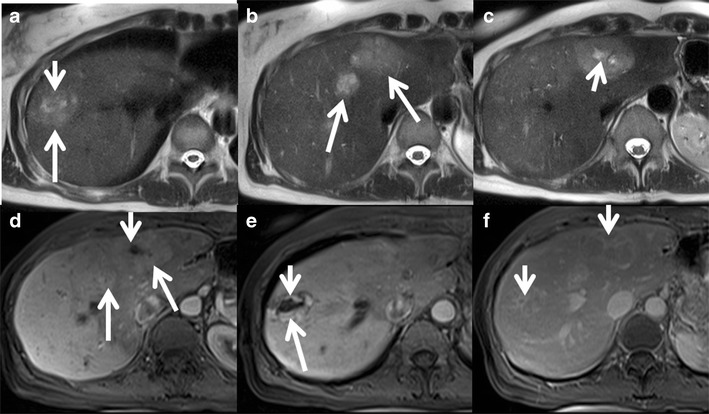
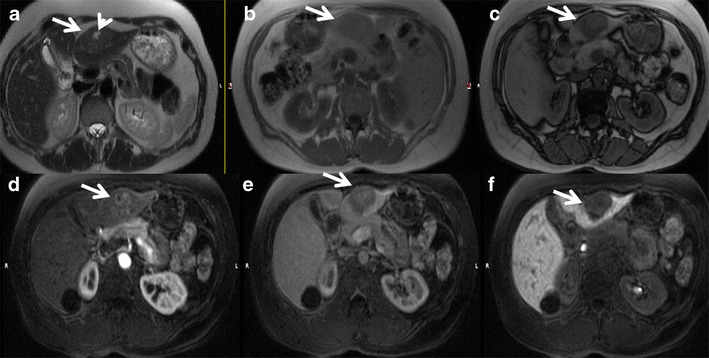
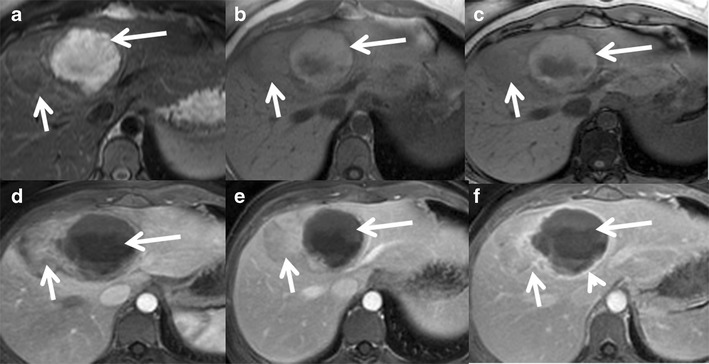
Focal nodular hyperplasia (FNH) and hepatocellular adenomas (HCAs) constitute benign hepatic neoplasms in adults. HCAs are monoclonal neoplasms characterised by an increased predilection to haemorrhage and also malignant transformation. On the other hand, FNH is a polyclonal tumour-like lesion that occurs in response to increased perfusion and has an uneventful clinical course. Recent advances in molecular genetics and genotype-phenotype correlation in these hepatocellular neoplasms have enabled a new classification system. FNHs are classified into the typical and atypical types based on histomorphological and imaging features. HCAs have been categorised into four subtypes: (1) HCAs with HNF-1α mutations are diffusely steatotic, do not undergo malignant transformation, and are associated with familial diabetes or adenomatosis. (2) Inflammatory HCAs are hypervascular with marked peliosis and a tendency to bleed. They are associated with obesity, alcohol and hepatic steatosis. (3) HCAs with β-catenin mutations are associated with male hormone administration and glycogen storage disease, frequently undergo malignant transformation and may simulate hepatocellular carcinoma on imaging. (4) The final type is unclassified HCAs. Each of these except the unclassified subtype has a few distinct imaging features, often enabling reasonably accurate diagnosis. Biopsy with immunohistochemical analysis is helpful in difficult cases and has strong implications for patient management.
• FNHs are benign polyclonal neoplasms with no risk of haemorrhage or malignancy. • HCAs are benign monoclonal neoplasms classified into four subtypes based on immunohistochemistry. • Inflammatory HCAs show an atoll sign with a risk of bleeding and malignant transformation. • HNF-1α HCAs are steatotic HCAs with minimal complications and the best prognosis. • β-Catenin HCA shows variable MRI features and a high risk of malignancy.
局灶性结节性增生(FNH)和肝细胞腺瘤(HCA)是成人肝脏的良性肿瘤。HCA是单克隆肿瘤,其特点是出血倾向增加,也有恶变倾向。另一方面,FNH是一种多克隆肿瘤样病变,由灌注增加引起,临床过程平稳。这些肝细胞肿瘤在分子遗传学和基因型-表型相关性方面的最新进展促成了一种新的分类系统。FNH根据组织形态学和影像学特征分为典型和非典型类型。HCA已被分为四种亚型:(1)具有HNF-1α突变的HCA弥漫性脂肪变性,不会发生恶变,与家族性糖尿病或腺瘤病相关。(2)炎症性HCA血管丰富,有明显的血囊肿形成且有出血倾向。它们与肥胖、酒精和肝脂肪变性有关。(3)具有β-连环蛋白突变的HCA与雄激素给药和糖原贮积病有关,经常发生恶变,在影像学上可能类似肝细胞癌。(4)最后一种类型是未分类的HCA。除未分类亚型外,每种亚型都有一些独特的影像学特征,通常能够进行合理准确的诊断。免疫组织化学分析活检对疑难病例有帮助,对患者管理有重要意义。
•FNH是良性多克隆肿瘤,无出血或恶变风险。•HCA是良性单克隆肿瘤,根据免疫组织化学分为四种亚型。•炎症性HCA显示环礁征,有出血和恶变风险。•HNF-1α HCA是脂肪变性的HCA,并发症最少,预后最佳。•β-连环蛋白HCA显示MRI特征多样,恶变风险高。