Kreiseder Birgit, Holper-Schichl Yvonne M, Muellauer Barbara, Jacobi Nico, Pretsch Alexander, Schmid Johannes A, de Martin Rainer, Hundsberger Harald, Eger Andreas, Wiesner Christoph
SeaLife Pharma GmbH, Tulln, Austria.
Department of Vascular Biology and Thrombosis Research, Center for Physiology and Pharmacology, Medical University of Vienna, Vienna, Austria.
PLoS One. 2015 Mar 20;10(3):e0119402. doi: 10.1371/journal.pone.0119402. eCollection 2015.
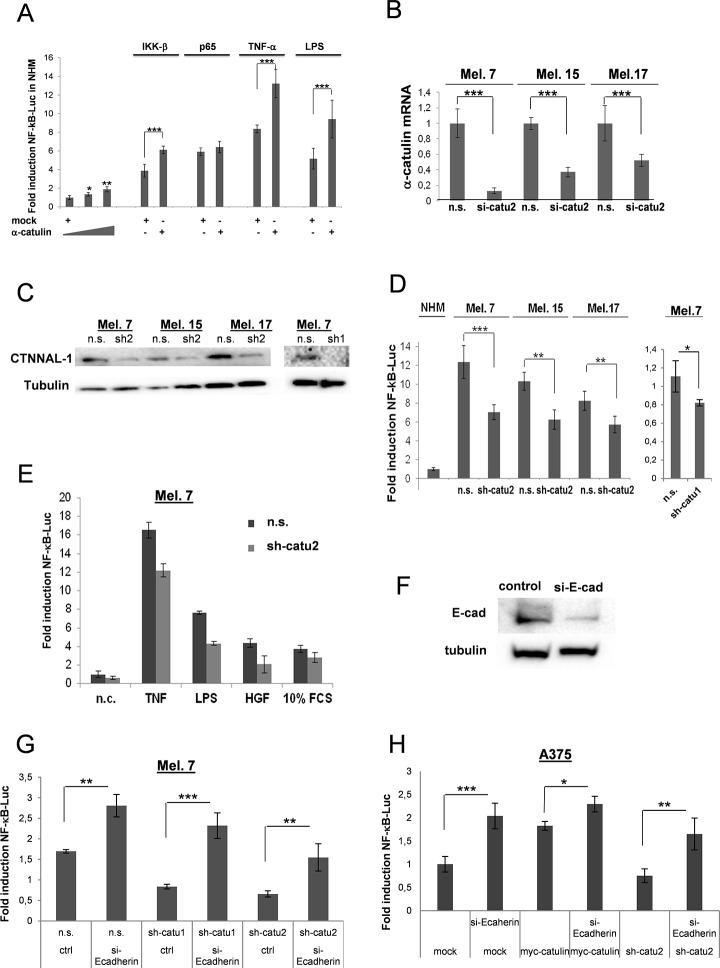
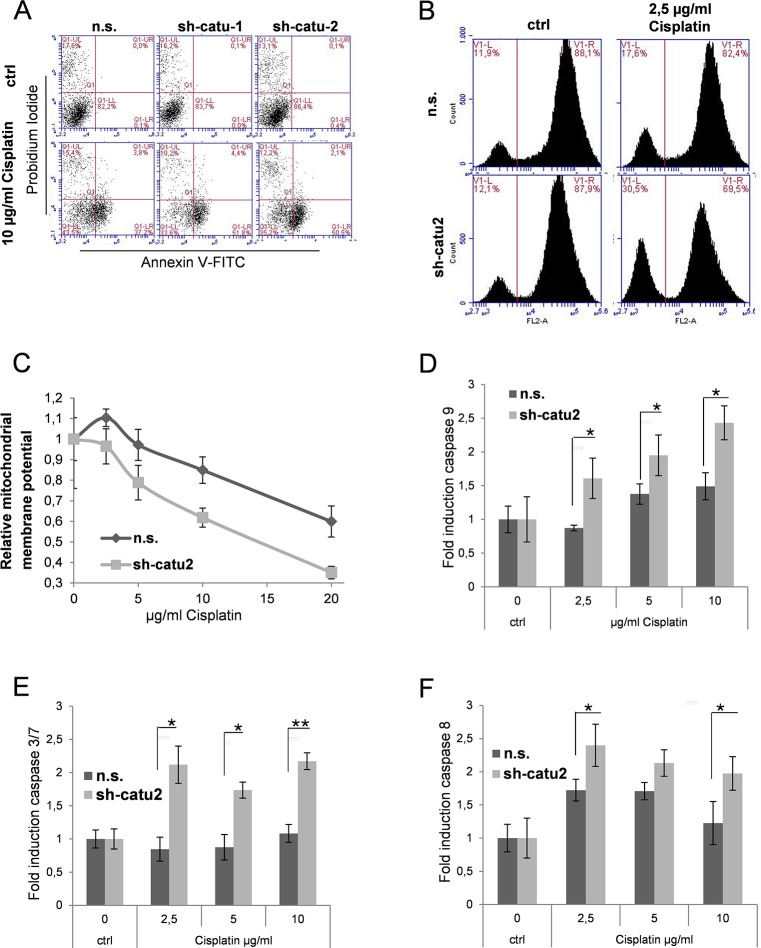
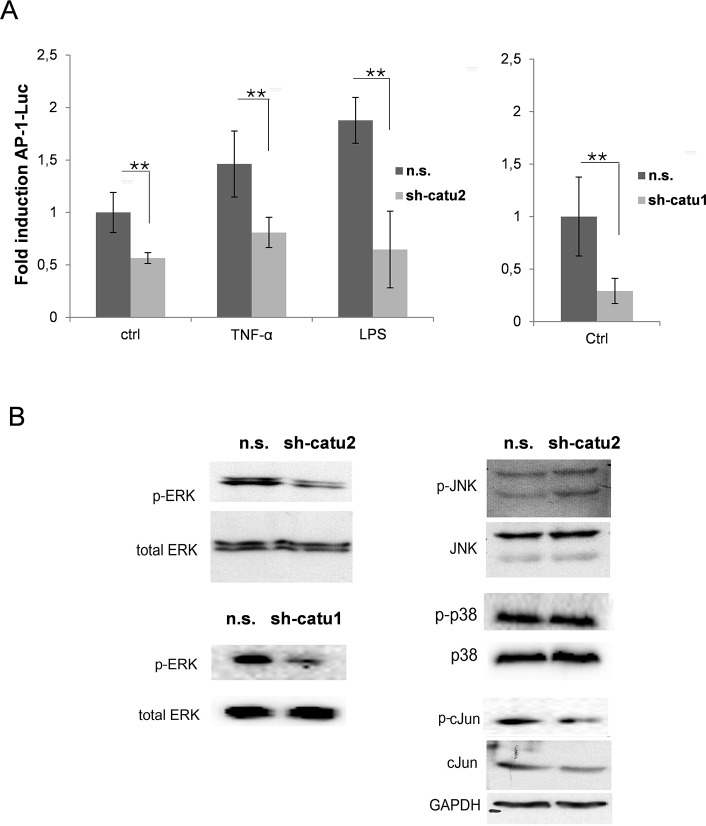
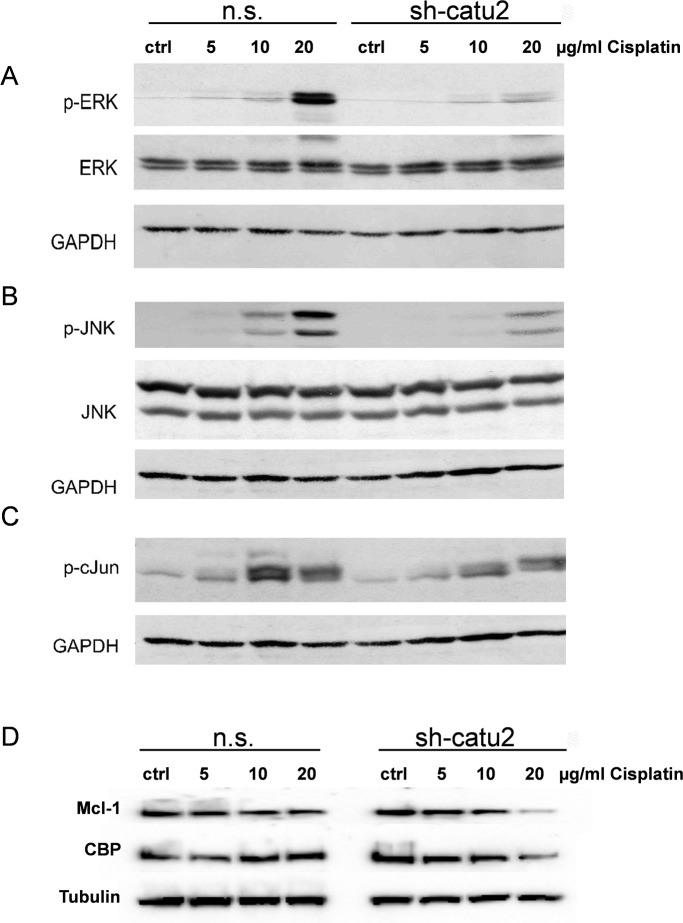
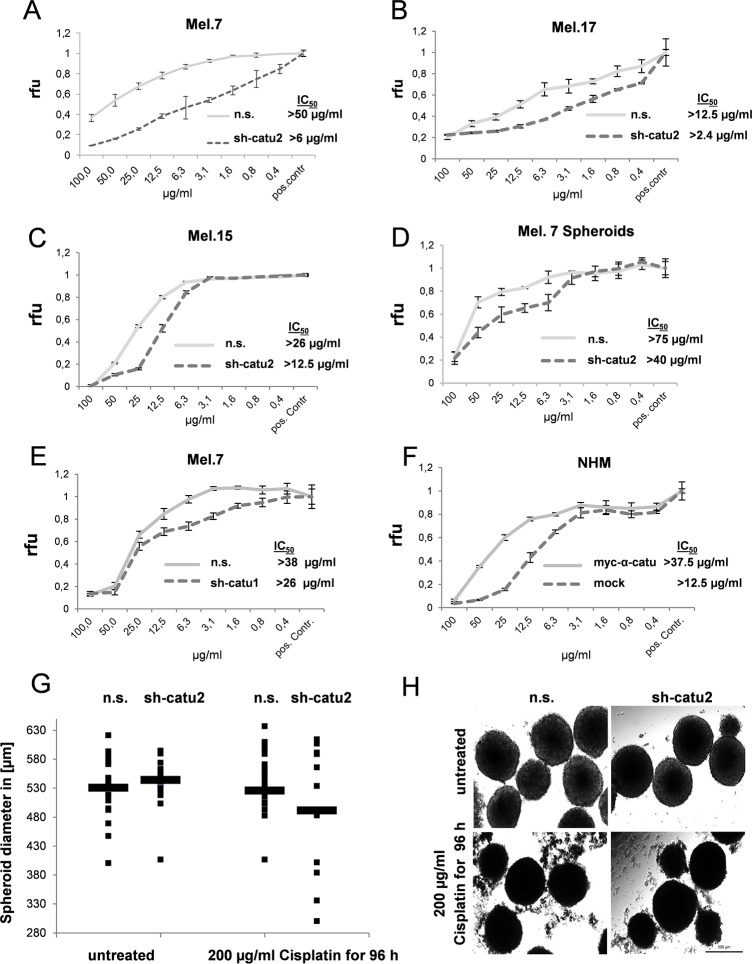
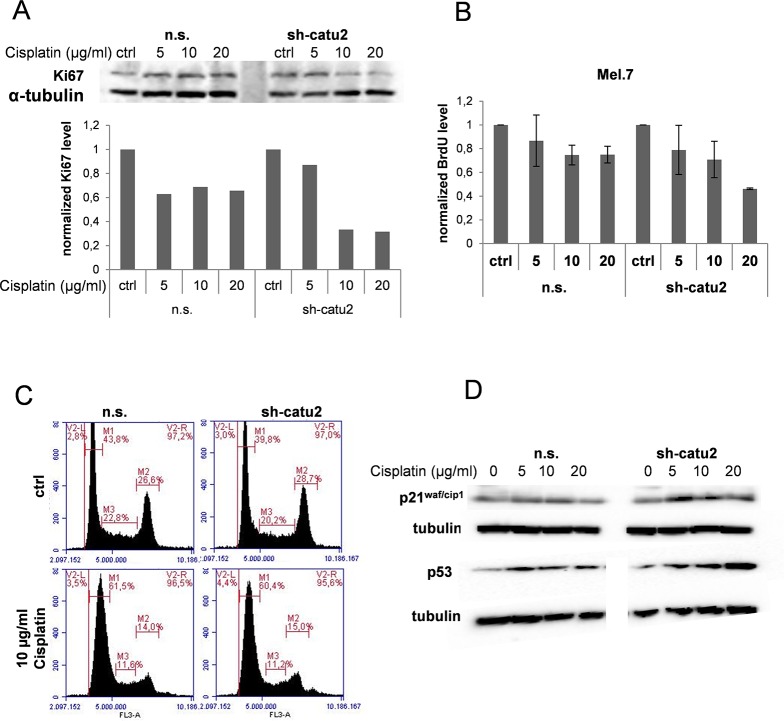
Melanoma is the most dangerous type of skin cancer accounting for 48,000 deaths worldwide each year and an average survival rate of about 6-10 months with conventional treatment. Tumor metastasis and chemoresistance of melanoma cells are reported as the main reasons for the insufficiency of currently available treatments for late stage melanoma. The cytoskeletal linker protein α-catulin (CTNNAL1) has been shown to be important in inflammation, apoptosis and cytoskeletal reorganization. Recently, we found an elevated expression of α-catulin in melanoma cells. Ectopic expression of α-catulin promoted melanoma progression and occurred concomitantly with the downregulation of E-cadherin and the upregulation of mesenchymal genes such as N-cadherin, Snail/Slug and the matrix metalloproteinases 2 and 9. In the current study we showed that α-catulin knockdown reduced NF-κB and AP-1 activity in malignant melanoma cells. Further, downregulation of α-catulin diminished ERK phosphorylation in malignant melanoma cells and sensitized them to treatment with chemotherapeutic drugs. In particular, cisplatin treatment led to decreased ERK-, JNK- and c-Jun phosphorylation in α-catulin knockdown melanoma cells, which was accompanied by enhanced apoptosis compared to control cells. Altogether, these results suggest that targeted inhibition of α-catulin may be used as a viable therapeutic strategy to chemosensitize melanoma cells to cisplatin by down-regulation of NF-κB and MAPK pathways.
黑色素瘤是最危险的皮肤癌类型,每年在全球导致48000人死亡,采用传统治疗方法时平均生存率约为6至10个月。据报道,黑色素瘤细胞的肿瘤转移和化疗耐药性是目前晚期黑色素瘤现有治疗方法效果不佳的主要原因。细胞骨架连接蛋白α - 连环蛋白(CTNNAL1)已被证明在炎症、细胞凋亡和细胞骨架重组中起重要作用。最近,我们发现黑色素瘤细胞中α - 连环蛋白表达升高。α - 连环蛋白的异位表达促进了黑色素瘤的进展,同时伴随着E - 钙黏蛋白的下调以及间充质基因如N - 钙黏蛋白、Snail/Slug和基质金属蛋白酶2和9的上调。在本研究中,我们表明敲低α - 连环蛋白可降低恶性黑色素瘤细胞中的NF - κB和AP - 1活性。此外,α - 连环蛋白的下调减少了恶性黑色素瘤细胞中ERK的磷酸化,并使它们对化疗药物治疗敏感。特别是,顺铂处理导致α - 连环蛋白敲低的黑色素瘤细胞中ERK、JNK和c - Jun的磷酸化减少,与对照细胞相比,这伴随着细胞凋亡的增加。总之,这些结果表明,靶向抑制α - 连环蛋白可能作为一种可行的治疗策略,通过下调NF - κB和MAPK途径使黑色素瘤细胞对顺铂化疗敏感。