Iyer Dharini, Gambardella Laure, Bernard William G, Serrano Felipe, Mascetti Victoria L, Pedersen Roger A, Talasila Amarnath, Sinha Sanjay
Anne McLaren Laboratory for Regenerative Medicine and Wellcome Trust-Medical Research Council, Cambridge Stem Cell Institute, University of Cambridge, West Forvie Site, Robinson Way, Cambridge CB2 0SZ, UK.
Anne McLaren Laboratory for Regenerative Medicine and Wellcome Trust-Medical Research Council, Cambridge Stem Cell Institute, University of Cambridge, West Forvie Site, Robinson Way, Cambridge CB2 0SZ, UK
Development. 2015 Apr 15;142(8):1528-41. doi: 10.1242/dev.119271. Epub 2015 Mar 26.
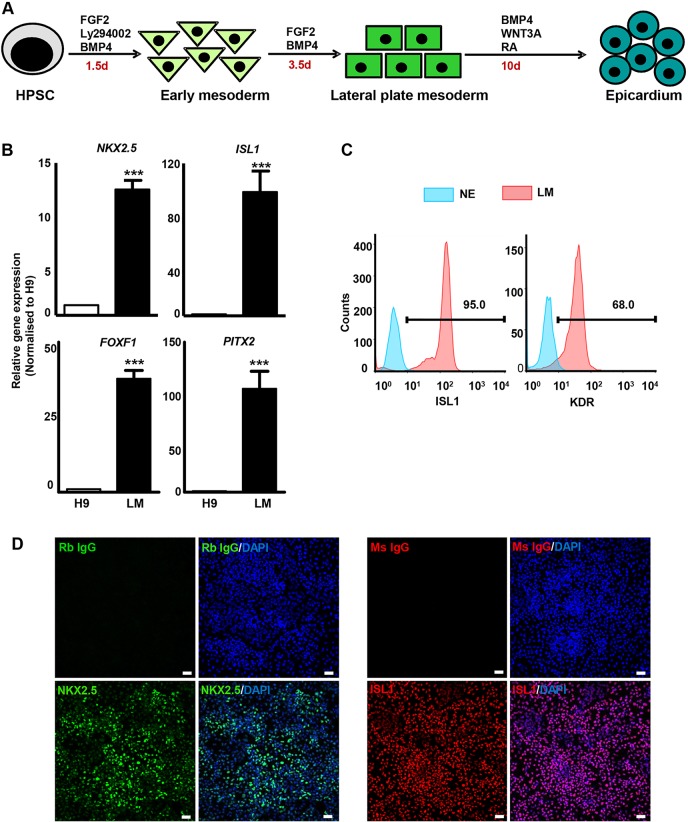
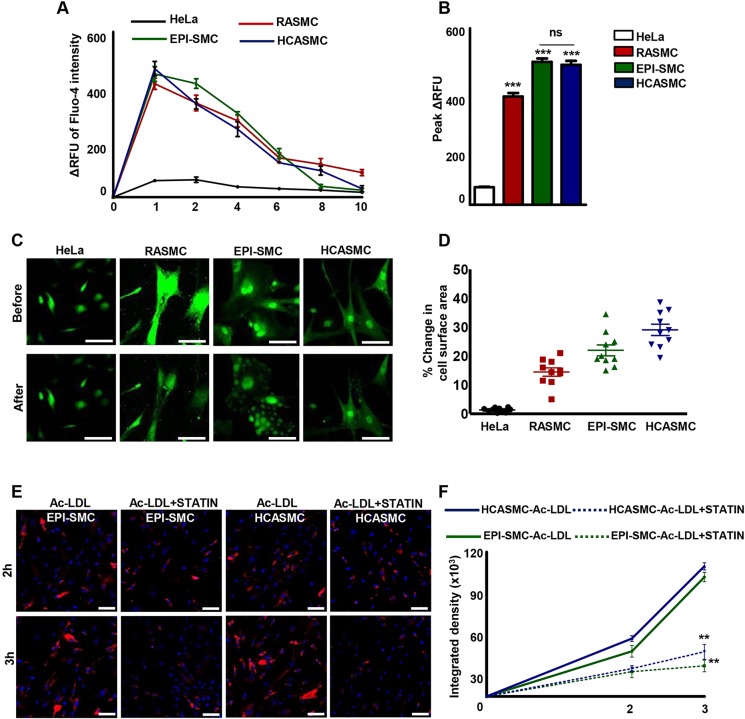
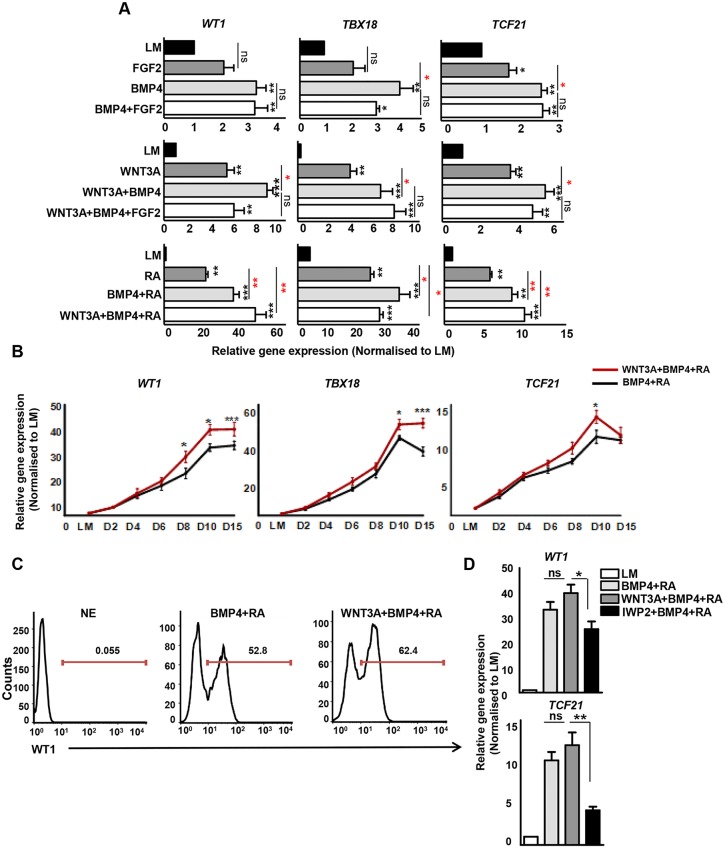
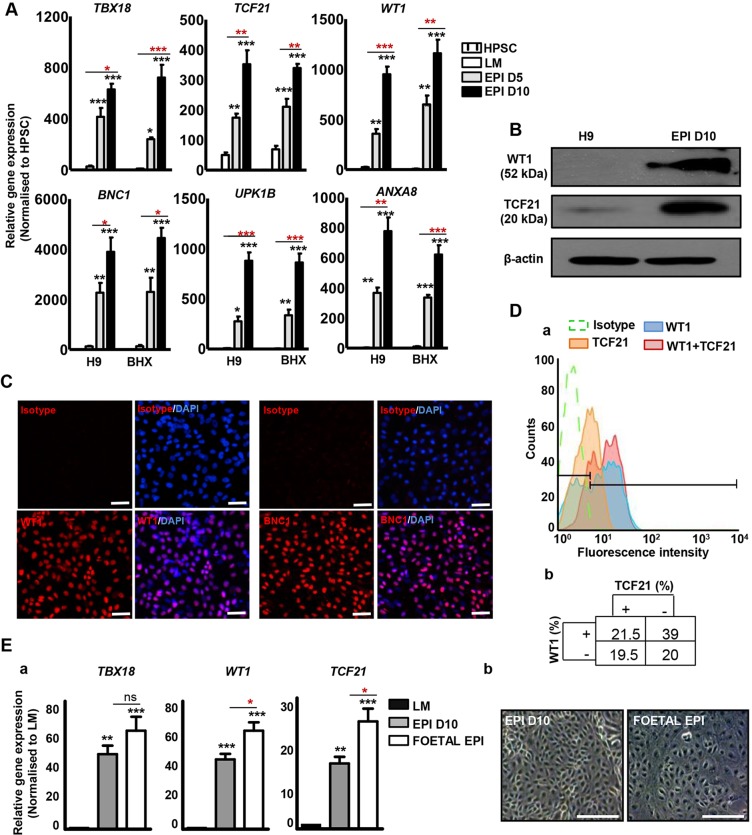
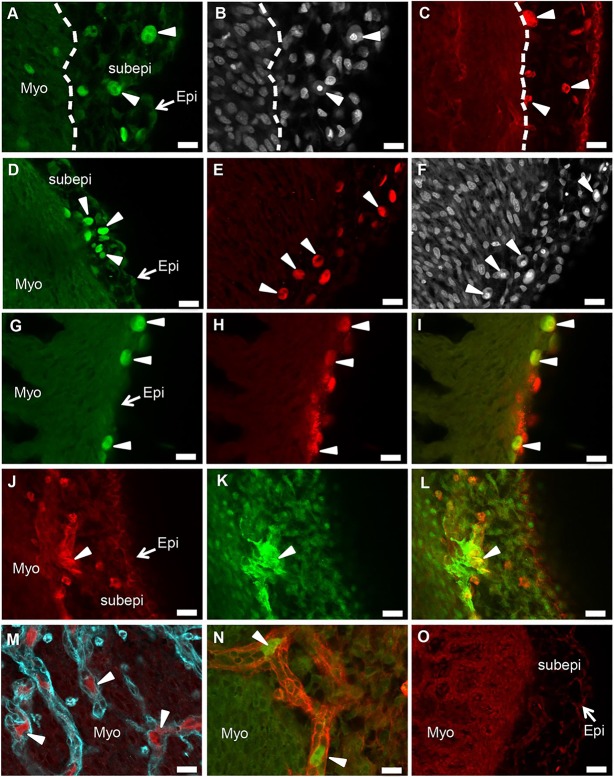
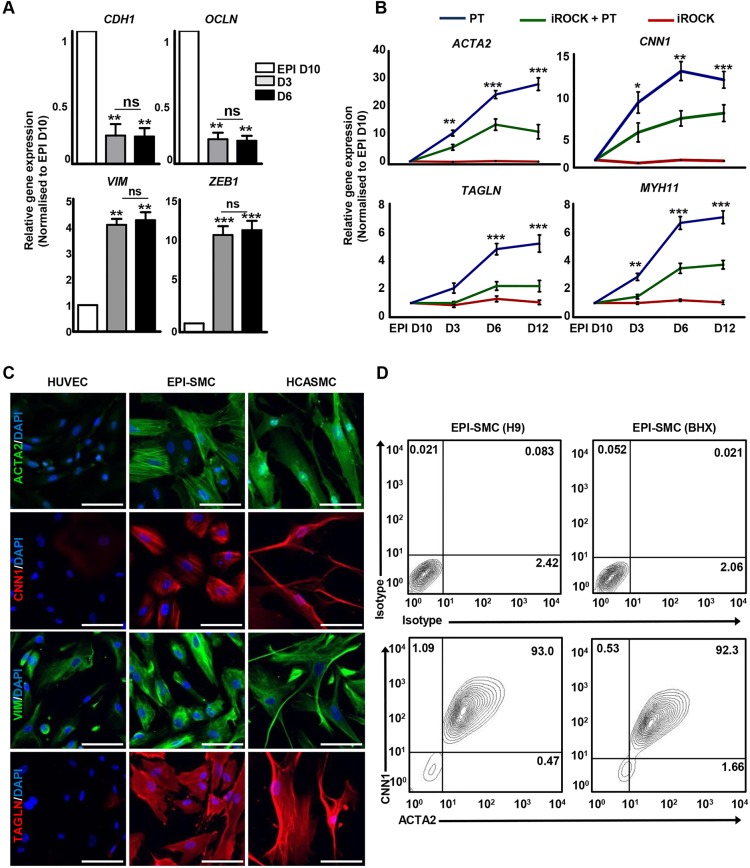
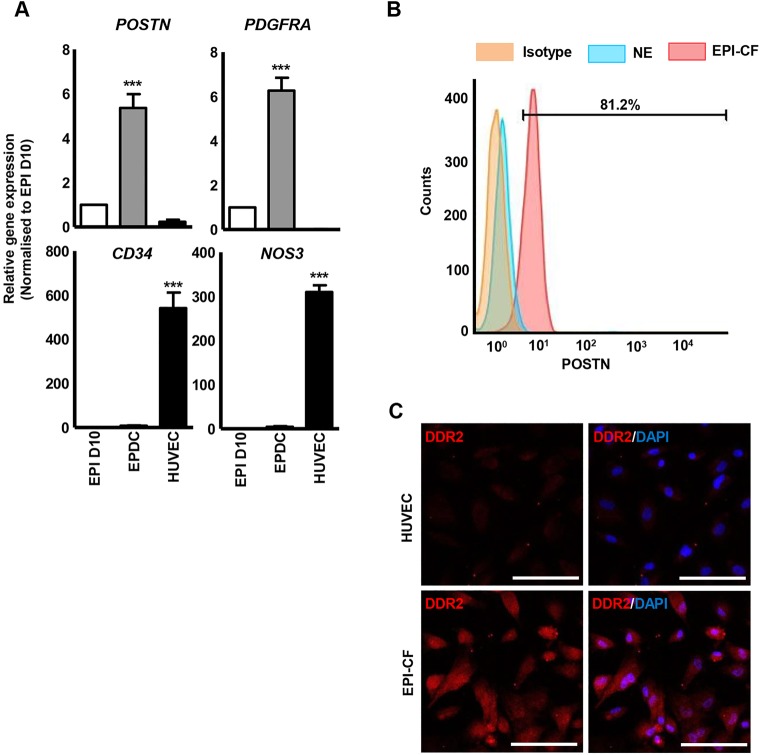
The epicardium has emerged as a multipotent cardiovascular progenitor source with therapeutic potential for coronary smooth muscle cell, cardiac fibroblast (CF) and cardiomyocyte regeneration, owing to its fundamental role in heart development and its potential ability to initiate myocardial repair in injured adult tissues. Here, we describe a chemically defined method for generating epicardium and epicardium-derived smooth muscle cells (EPI-SMCs) and CFs from human pluripotent stem cells (HPSCs) through an intermediate lateral plate mesoderm (LM) stage. HPSCs were initially differentiated to LM in the presence of FGF2 and high levels of BMP4. The LM was robustly differentiated to an epicardial lineage by activation of WNT, BMP and retinoic acid signalling pathways. HPSC-derived epicardium displayed enhanced expression of epithelial- and epicardium-specific markers, exhibited morphological features comparable with human foetal epicardial explants and engrafted in the subepicardial space in vivo. The in vitro-derived epicardial cells underwent an epithelial-to-mesenchymal transition when treated with PDGF-BB and TGFβ1, resulting in vascular SMCs that displayed contractile ability in response to vasoconstrictors. Furthermore, the EPI-SMCs displayed low density lipoprotein uptake and effective lowering of lipoprotein levels upon treatment with statins, similar to primary human coronary artery SMCs. Cumulatively, these findings suggest that HPSC-derived epicardium and EPI-SMCs could serve as important tools for studying human cardiogenesis, and as a platform for vascular disease modelling and drug screening.
由于心外膜在心脏发育中的重要作用及其在损伤的成年组织中启动心肌修复的潜在能力,它已成为一种具有多能性的心血管祖细胞来源,对冠状动脉平滑肌细胞、心脏成纤维细胞(CF)和心肌细胞再生具有治疗潜力。在此,我们描述了一种化学定义的方法,通过中间侧板中胚层(LM)阶段,从人多能干细胞(HPSC)生成心外膜和心外膜衍生的平滑肌细胞(EPI-SMC)及CF。HPSC最初在FGF2和高水平BMP4存在的情况下分化为LM。通过激活WNT、BMP和视黄酸信号通路,LM可有力地分化为心外膜谱系。HPSC衍生的心外膜显示上皮和心外膜特异性标志物的表达增强,表现出与人类胎儿心外膜外植体相当的形态特征,并在体内植入心外膜下间隙。体外衍生的心外膜细胞在用PDGF-BB和TGFβ1处理时经历上皮-间充质转化,产生对血管收缩剂有收缩反应能力的血管平滑肌细胞。此外,EPI-SMC表现出低密度脂蛋白摄取,并且在用他汀类药物处理后有效降低脂蛋白水平,类似于原代人冠状动脉平滑肌细胞。总的来说,这些发现表明HPSC衍生的心外膜和EPI-SMC可作为研究人类心脏发生的重要工具,以及作为血管疾病建模和药物筛选的平台。