Berry Evan, Hernandez-Anzaldo Samuel, Ghomashchi Farideh, Lehner Richard, Murakami Makoto, Gelb Michael H, Kassiri Zamaneh, Wang Xiang, Fernandez-Patron Carlos
Department of Biochemistry, Faculty of Medicine and Dentistry, University of Alberta, Edmonton, Alberta, Canada (E.B., S.H.A., X.W., C.F.P.).
Department of Chemistry, University of Washington, Seattle, WA (F.G., M.H.G.).
J Am Heart Assoc. 2015 Mar 27;4(4):e001868. doi: 10.1161/JAHA.115.001868.
Matrix metalloproteinase (MMP)-2 deficiency makes humans and mice susceptible to inflammation. Here, we reveal an MMP-2-mediated mechanism that modulates the inflammatory response via secretory phospholipase A2 (sPLA2), a phospholipid hydrolase that releases fatty acids, including precursors of eicosanoids.
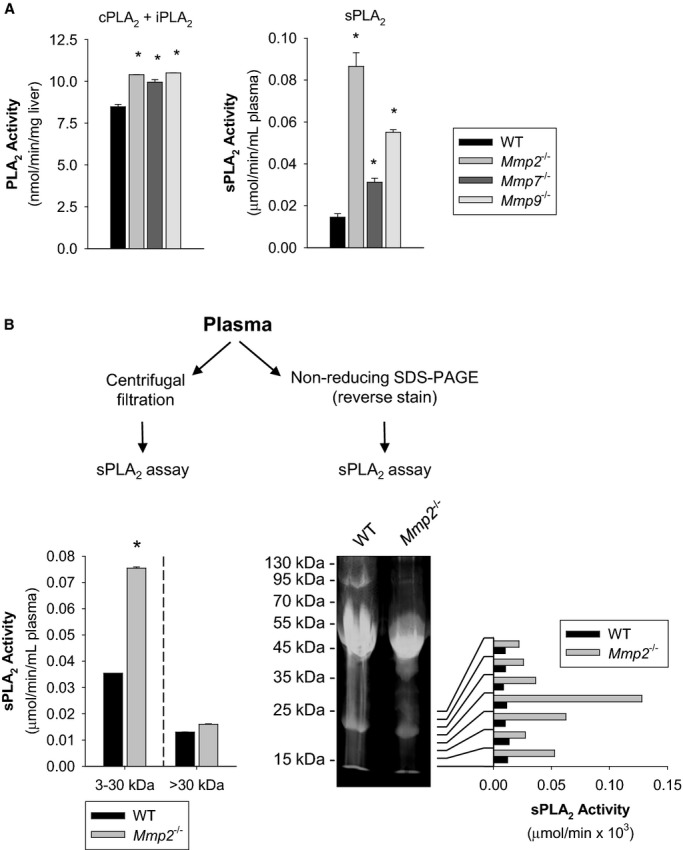
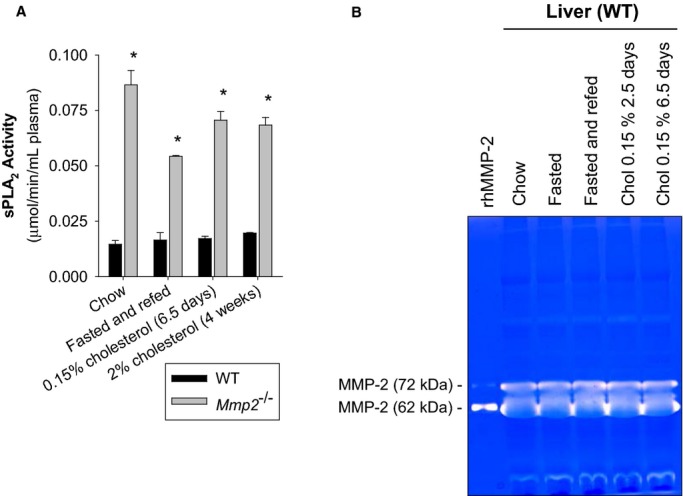
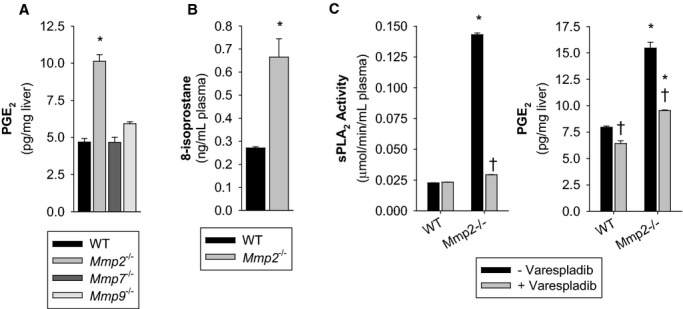
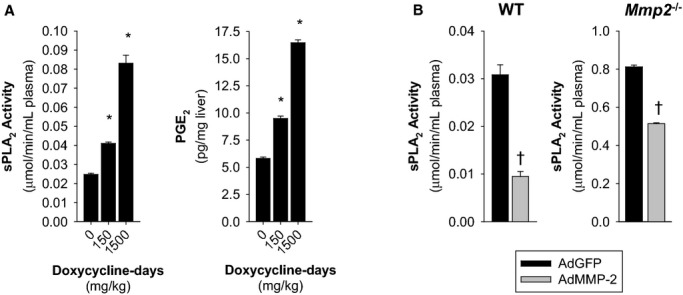
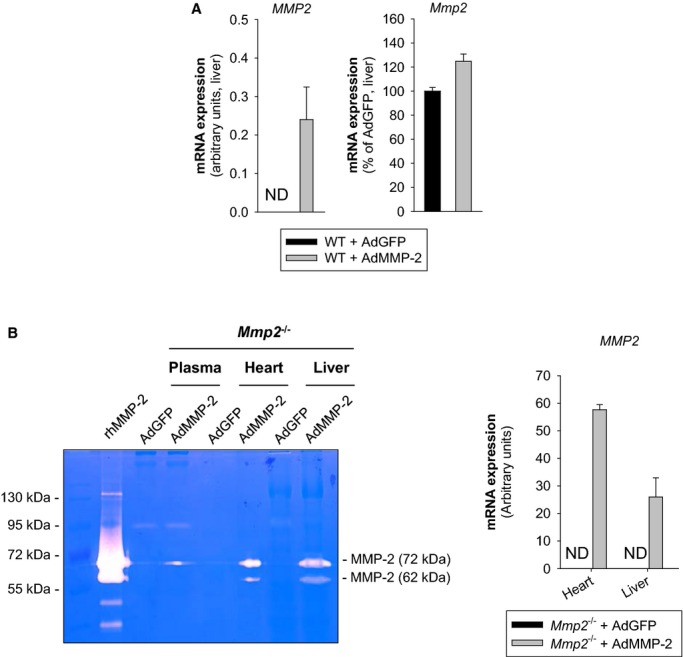
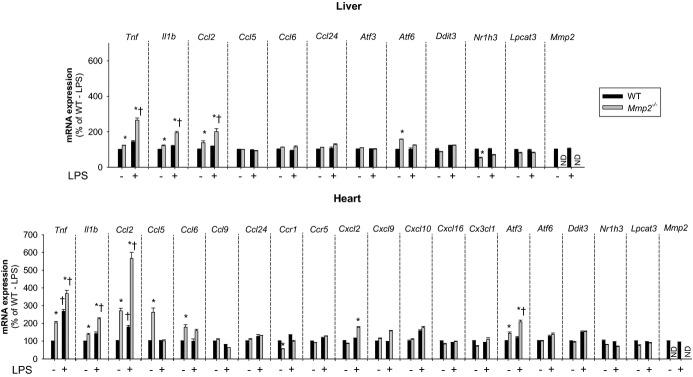
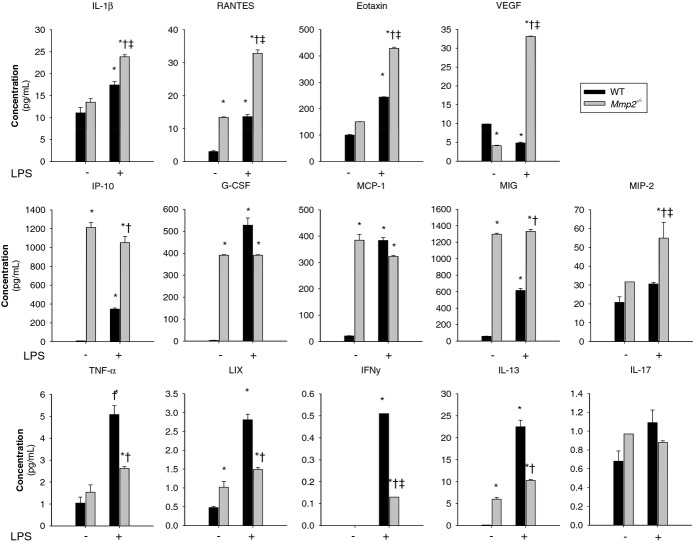
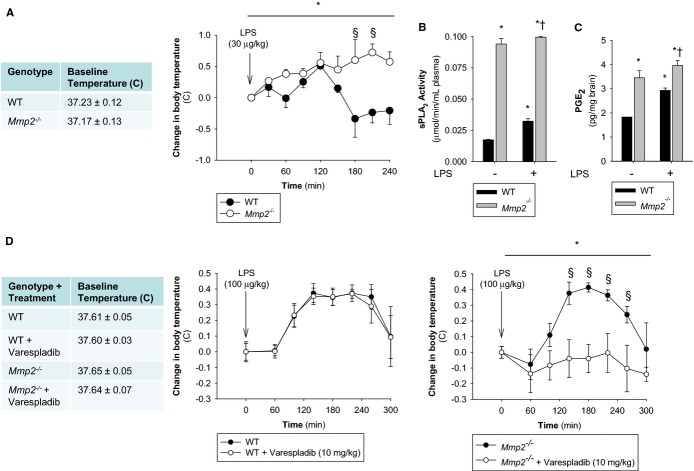
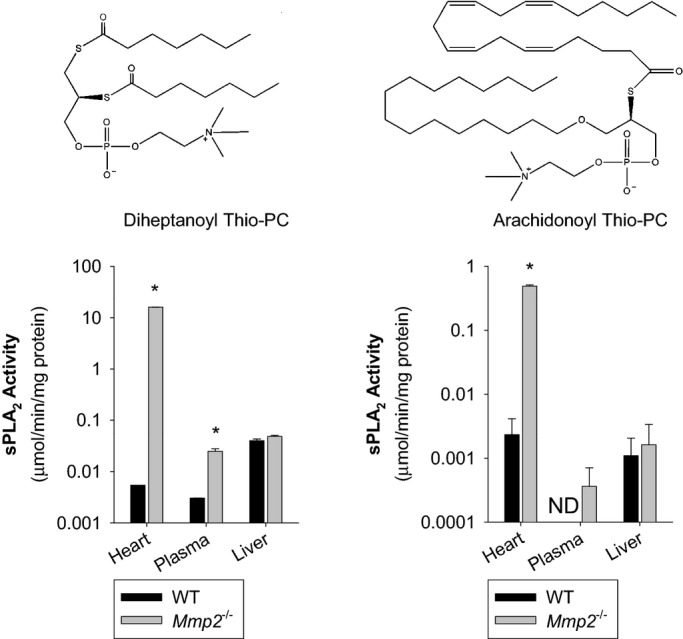
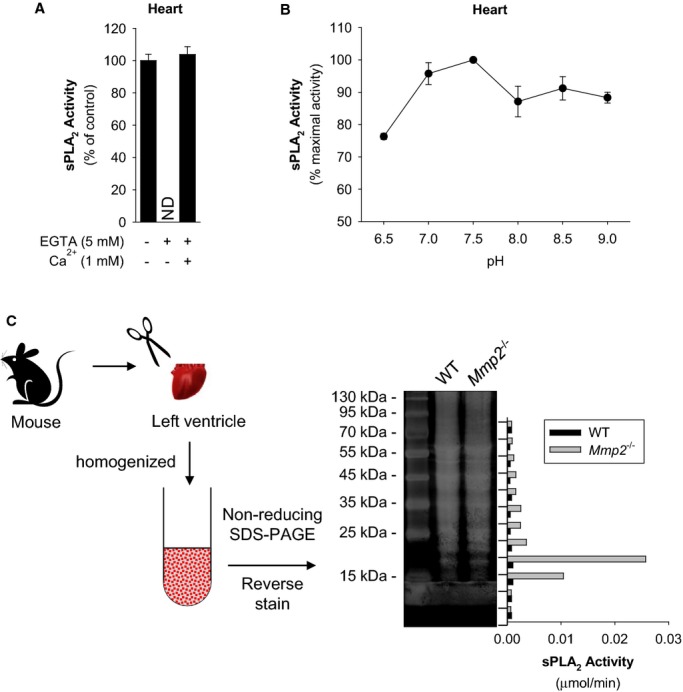
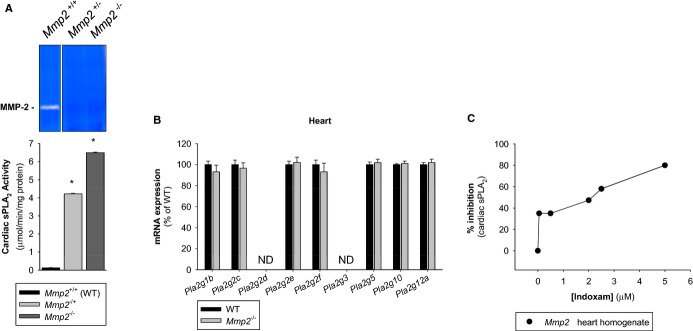
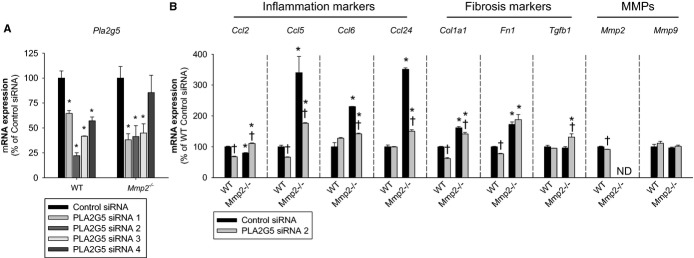
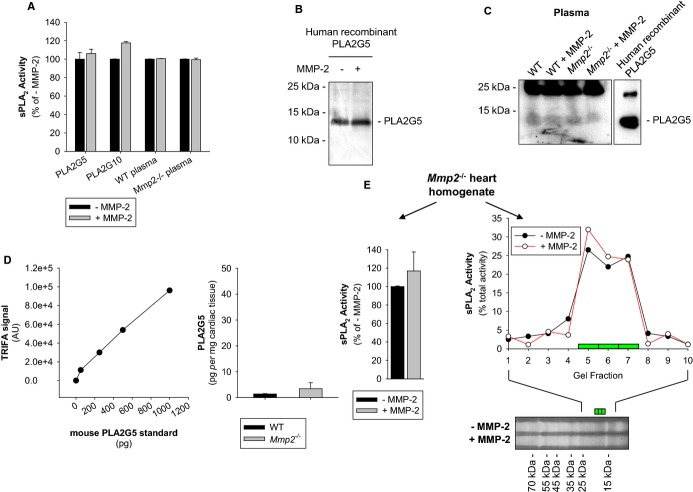
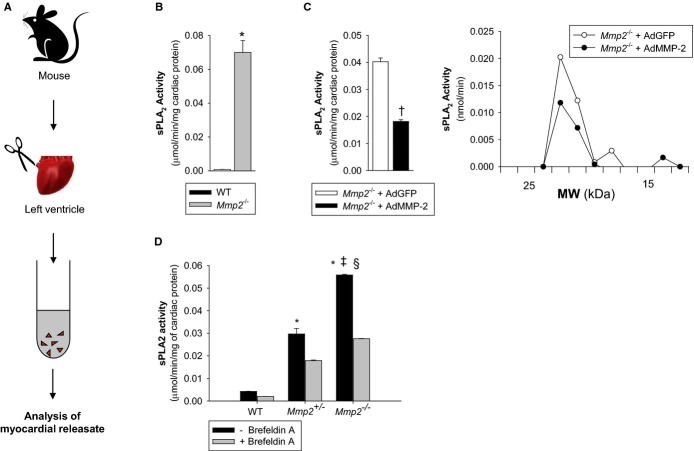
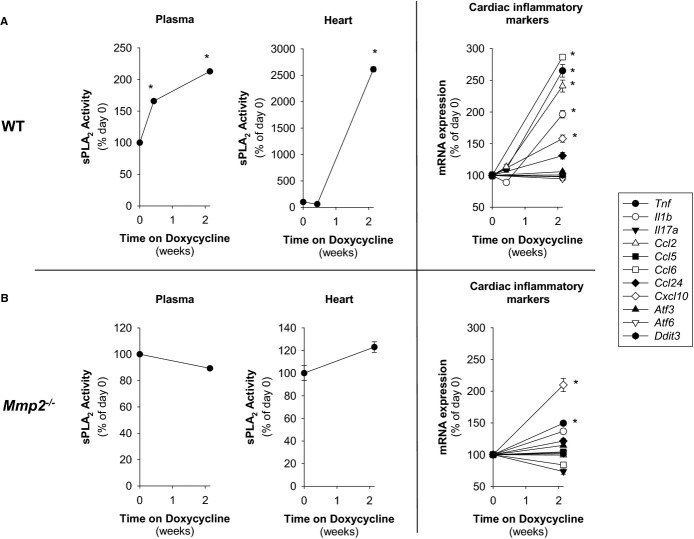
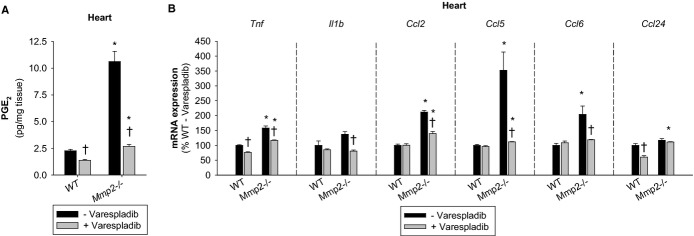
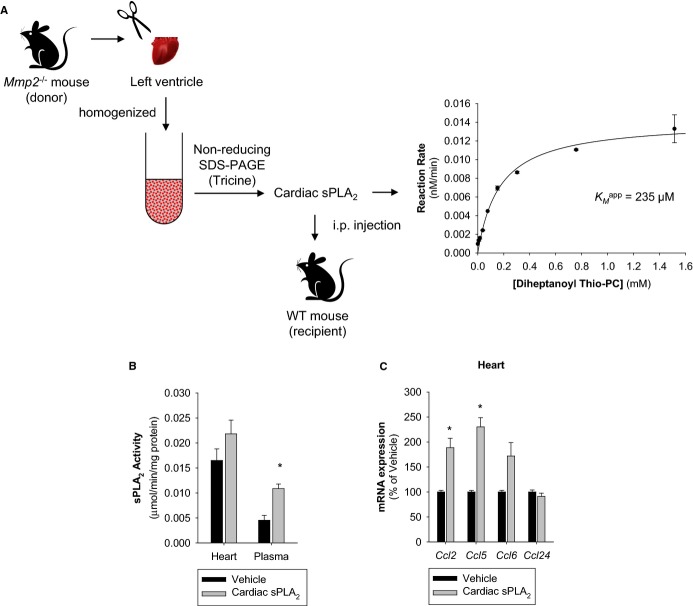
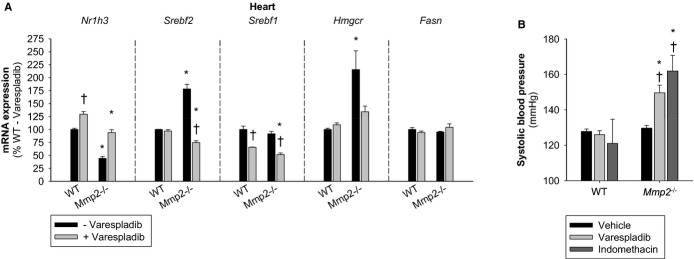
Mmp2(-/-) (and, to a lesser extent, Mmp7(-/-) and Mmp9(-/-)) mice had between 10- and 1000-fold elevated sPLA2 activity in plasma and heart, increased eicosanoids and inflammatory markers (both in the liver and heart), and exacerbated lipopolysaccharide-induced fever, all of which were blunted by adenovirus-mediated MMP-2 overexpression and varespladib (pharmacological sPLA2 inhibitor). Moreover, Mmp2 deficiency caused sPLA2-mediated dysregulation of cardiac lipid metabolic gene expression. Compared with liver, kidney, and skeletal muscle, the heart was the single major source of the Ca(2+)-dependent, ≈20-kDa, varespladib-inhibitable sPLA2 that circulates when MMP-2 is deficient. PLA2G5, which is a major cardiac sPLA2 isoform, was proinflammatory when Mmp2 was deficient. Treatment of wild-type (Mmp2(+/+)) mice with doxycycline (to inhibit MMP-2) recapitulated the Mmp2(-/-) phenotype of increased cardiac sPLA2 activity, prostaglandin E2 levels, and inflammatory gene expression. Treatment with either indomethacin (to inhibit cyclooxygenase-dependent eicosanoid production) or varespladib (which inhibited eicosanoid production) triggered acute hypertension in Mmp2(-/-) mice, revealing their reliance on eicosanoids for blood pressure homeostasis.
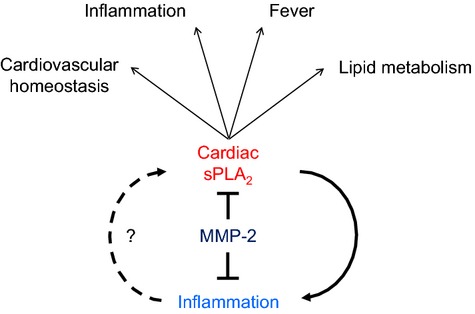
A heart-centric MMP-2/sPLA2 axis may modulate blood pressure homeostasis, inflammatory and metabolic gene expression, and the severity of fever. This discovery helps researchers to understand the cardiovascular and systemic effects of MMP-2 inhibitors and suggests a disease mechanism for human MMP-2 gene deficiency.
基质金属蛋白酶(MMP)-2缺乏会使人类和小鼠易患炎症。在此,我们揭示了一种MMP-2介导的机制,该机制通过分泌型磷脂酶A2(sPLA2)调节炎症反应,sPLA2是一种磷脂水解酶,可释放脂肪酸,包括类花生酸的前体。
Mmp2基因敲除小鼠(以及程度较轻的Mmp7基因敲除和Mmp9基因敲除小鼠)血浆和心脏中的sPLA2活性升高了10至1000倍,类花生酸和炎症标志物(肝脏和心脏中均有)增加,脂多糖诱导的发热加剧,而腺病毒介导的MMP-2过表达和伐地考昔(药理学sPLA2抑制剂)可减轻所有这些症状。此外,Mmp2缺乏导致sPLA2介导的心脏脂质代谢基因表达失调。与肝脏、肾脏和骨骼肌相比,心脏是MMP-2缺乏时循环的钙依赖性、约20 kDa、伐地考昔可抑制的sPLA2的主要单一来源。PLA2G5是心脏主要的sPLA2亚型,在Mmp2缺乏时具有促炎作用。用强力霉素处理野生型(Mmp2基因野生型)小鼠(以抑制MMP-2)重现了Mmp2基因敲除小鼠心脏sPLA2活性增加、前列腺素E2水平升高和炎症基因表达增加的表型。用吲哚美辛(抑制环氧化酶依赖性类花生酸生成)或伐地考昔(抑制类花生酸生成)治疗会引发Mmp2基因敲除小鼠的急性高血压,揭示了它们对类花生酸维持血压稳态的依赖性。
以心脏为中心的MMP-2/sPLA2轴可能调节血压稳态、炎症和代谢基因表达以及发热的严重程度。这一发现有助于研究人员了解MMP-2抑制剂的心血管和全身效应,并提示人类MMP-2基因缺乏的疾病机制。