Paredes Roberto, Ishibashi Shoko, Borrill Roisin, Robert Jacques, Amaya Enrique
Faculty of Life Sciences, University of Manchester, Oxford Road, Manchester M13 9PT, United Kingdom; The Healing Foundation Centre, University of Manchester, Oxford Road, Manchester M13 9PT, United Kingdom.
The Healing Foundation Centre, University of Manchester, Oxford Road, Manchester M13 9PT, United Kingdom.
Dev Biol. 2015 Dec 15;408(2):213-28. doi: 10.1016/j.ydbio.2015.03.008. Epub 2015 Mar 27.
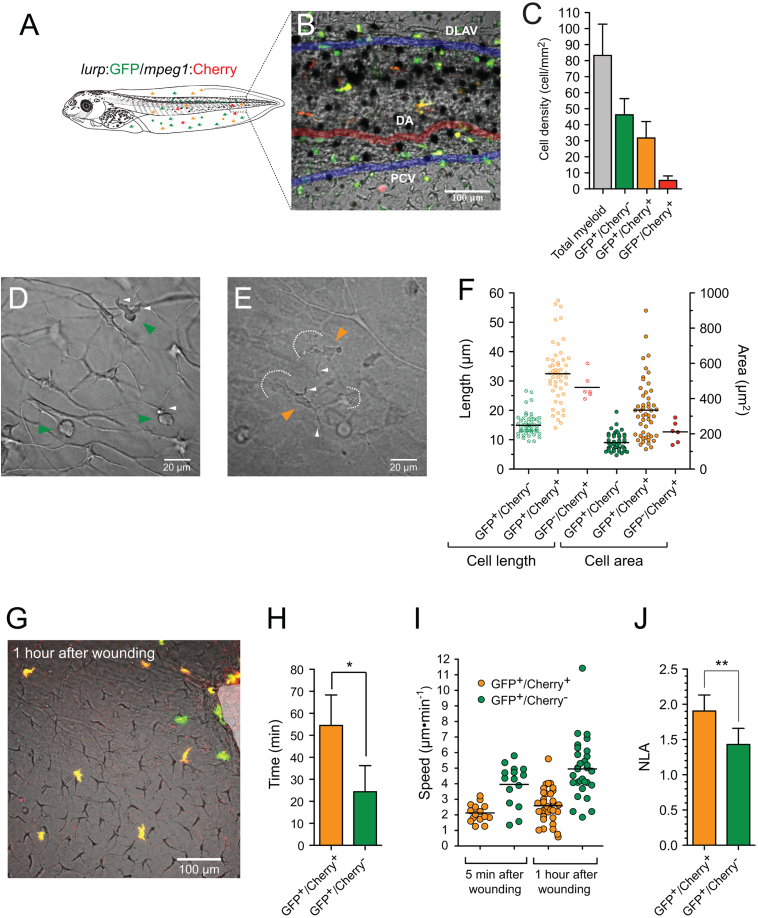
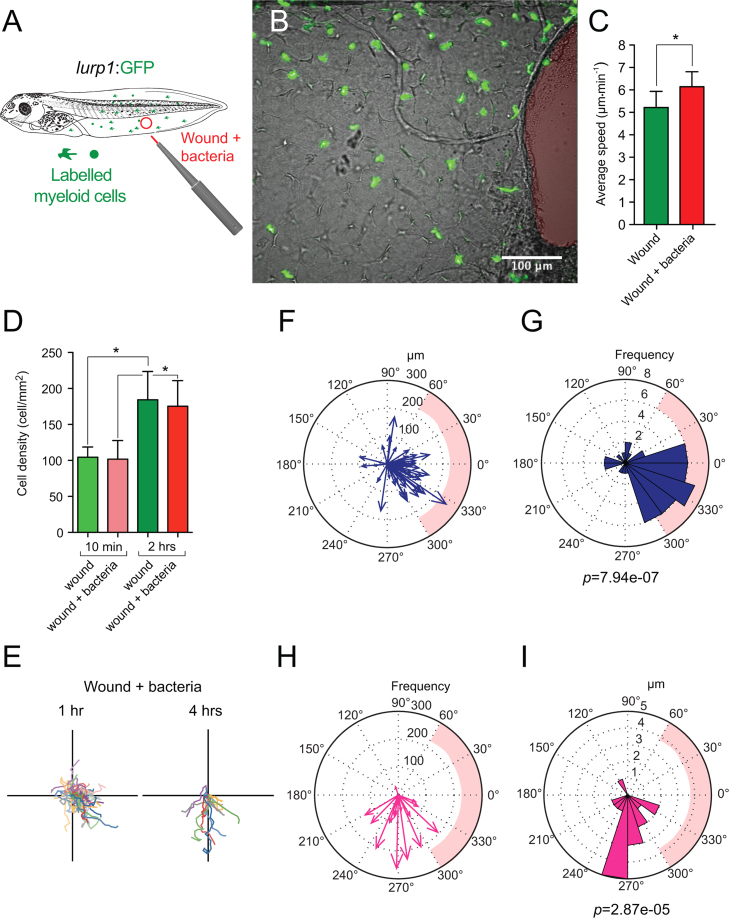
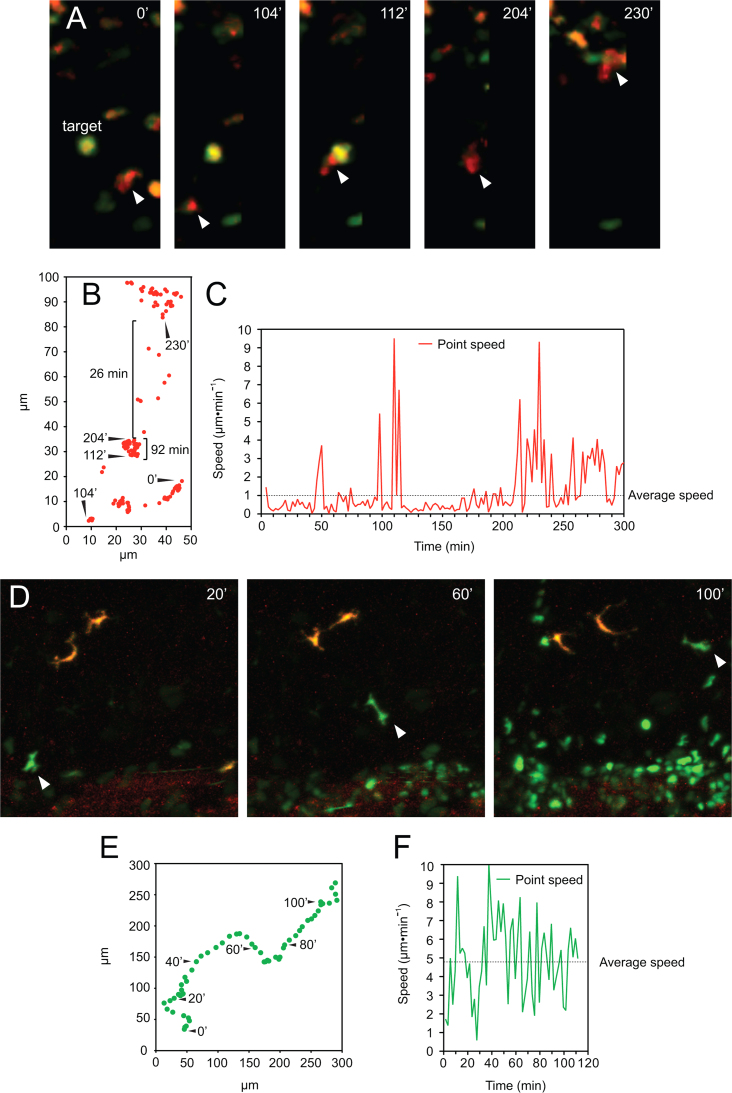
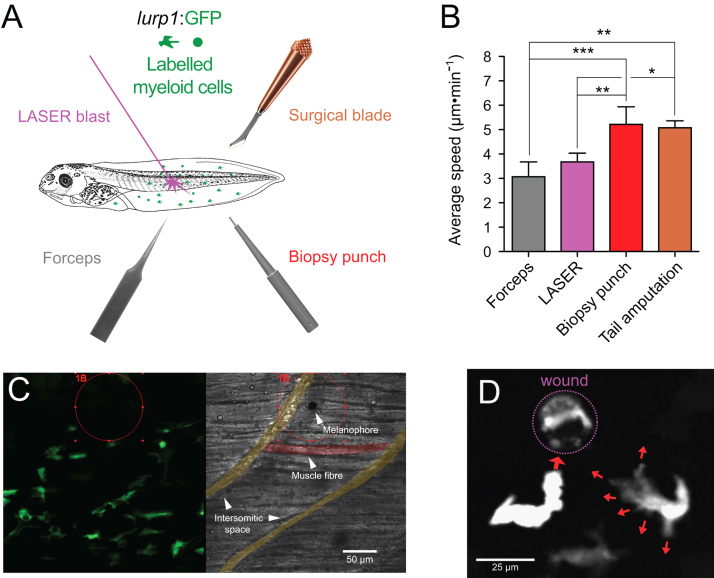
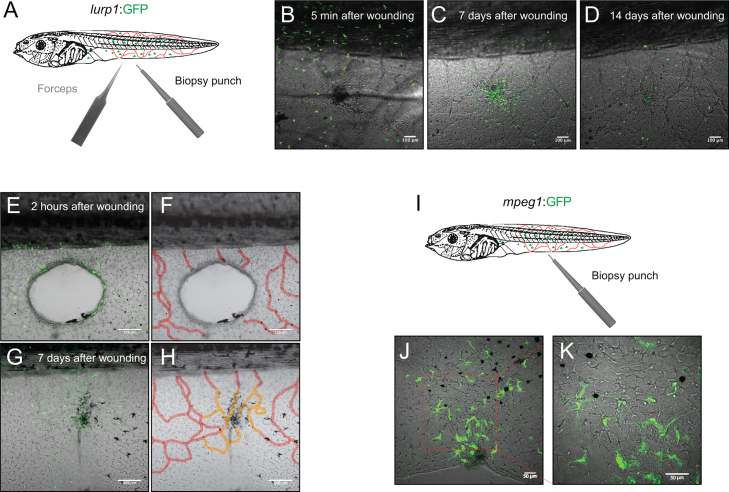
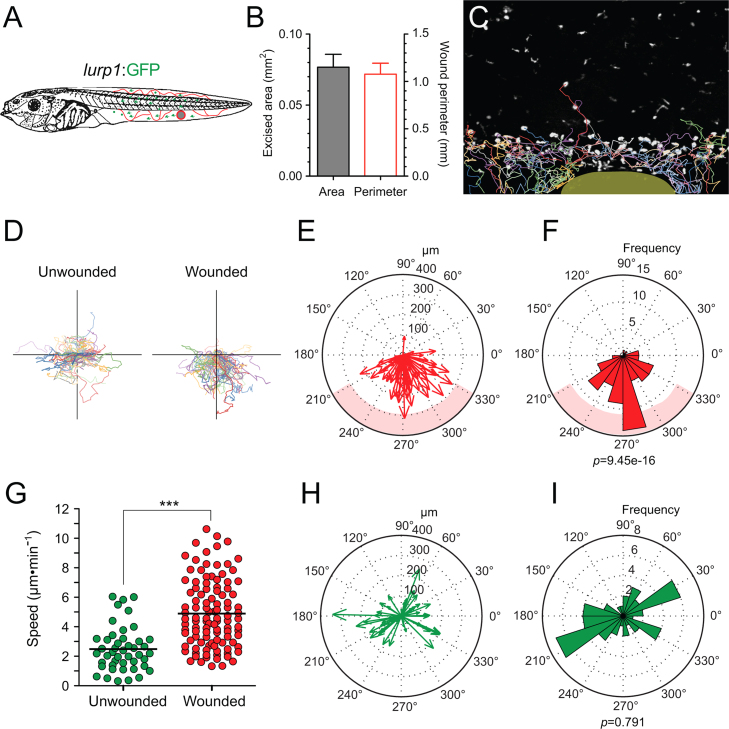
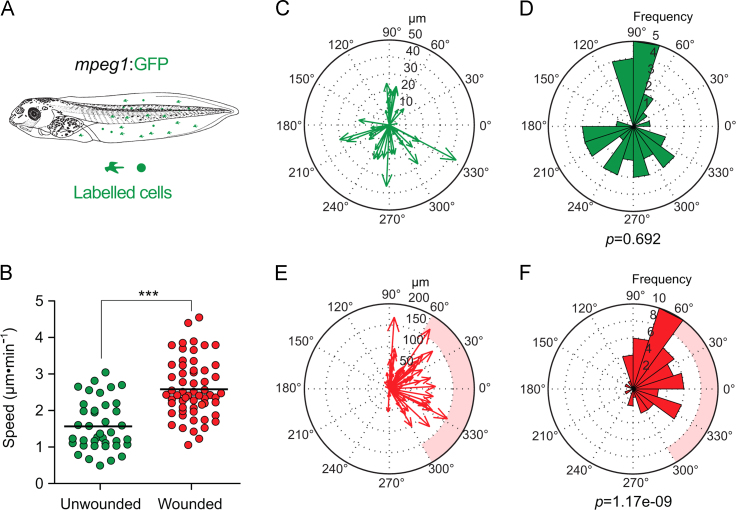
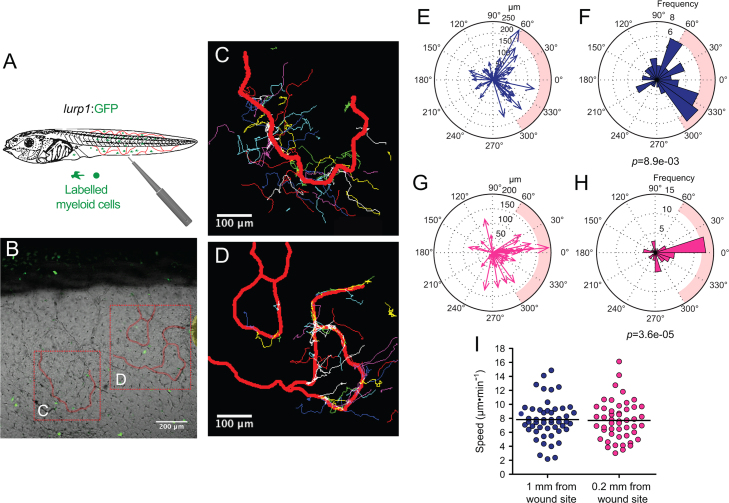
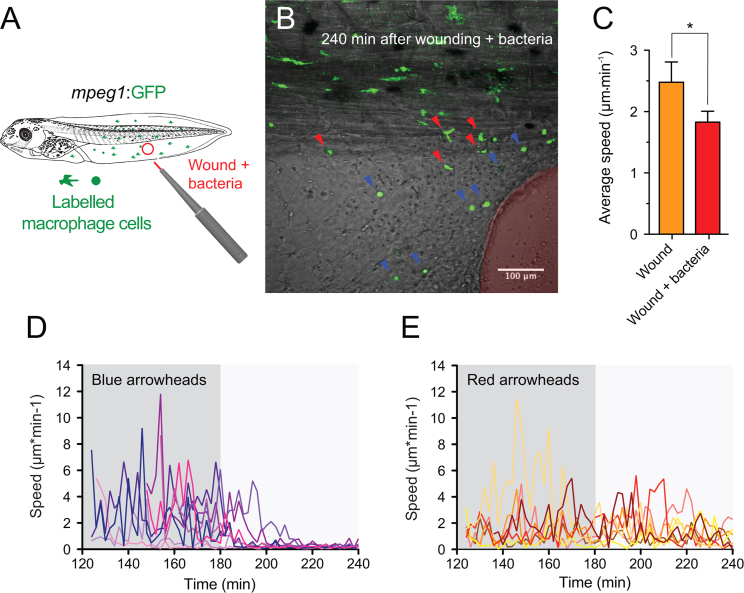
A major goal in regenerative medicine is to identify therapies to facilitate our body׳s innate abilities to repair and regenerate following injury, disease or aging. In the past decade it has become apparent that the innate immune system is able to affect the speed and quality of the regenerative response through mechanisms that are not entirely clear. For this reason there has been a resurgent interest in investigating the role of inflammation during tissue repair and regeneration. Remarkably, there have only been a handful of such studies using organisms with high regenerative capacity. Here we perform a study of the inflammatory response following injury in Xenopus larvae, which are able to achieve scarless wound healing and to regenerate appendages, as a preamble into understanding the role that inflammation plays during tissue repair and regeneration in this organism. We characterized the morphology and migratory behavior of granulocytes and macrophages following sterile and infected wounding regimes, using various transgenic lines that labeled different types of myeloid lineages, including granulocytes and macrophages. Using this approach we found that the inflammatory response following injury and infection in Xenopus larvae is very similar to that seen in humans, suggesting that this model provides an easily tractable and medically relevant system to investigate inflammation following injury and infection in vivo.
再生医学的一个主要目标是确定各种疗法,以促进我们身体在受伤、患病或衰老后进行自我修复和再生的内在能力。在过去十年中,有一点变得很明显,即先天免疫系统能够通过一些尚不完全清楚的机制来影响再生反应的速度和质量。因此,人们对研究炎症在组织修复和再生过程中的作用重新产生了兴趣。值得注意的是,使用具有高再生能力的生物体进行的此类研究仅有少数几项。在此,我们对非洲爪蟾幼体受伤后的炎症反应进行了一项研究,非洲爪蟾幼体能够实现无瘢痕伤口愈合并再生附肢,以此作为理解炎症在该生物体组织修复和再生过程中所起作用的前奏。我们利用标记了不同类型髓系谱系(包括粒细胞和巨噬细胞)的各种转基因品系,对无菌和感染性创伤条件下粒细胞和巨噬细胞的形态及迁移行为进行了表征。通过这种方法,我们发现非洲爪蟾幼体受伤和感染后的炎症反应与人类的炎症反应非常相似,这表明该模型为在体内研究受伤和感染后的炎症提供了一个易于操作且与医学相关的系统。