Saliani Mahsa, Jalal Razieh, Kafshdare Goharshadi Elaheh
Department of Chemistry, Faculty of Sciences, Ferdowsi University of Mashhad, Mashhad, IR Iran.
Department of Chemistry, Faculty of Sciences, Ferdowsi University of Mashhad, Mashhad, IR Iran ; Cell and Molecular Biotechnology Research Group, Institute of Biotechnology, Ferdowsi University of Mashhad, Mashhad, IR Iran.
Jundishapur J Microbiol. 2015 Feb 15;8(2):e17115. doi: 10.5812/jjm.17115. eCollection 2015 Feb.
Zinc oxide nanoparticles (ZnO NPs) are known as one of the important inorganic materials used in research and health-related applications with effective antibacterial activities. Although the toxic effects of ZnO NPs have already been evaluated, more information is required to understand the possible mechanisms.
The aim of the present study was to determine the influences of pH and temperature on antibacterial activity of ZnO NPs against some strains of pathogenic bacteria. Identifying the interrelationship between toxicity and cultural conditions helps us to have a better understanding of the optimum reaction conditions for maximum antimicrobial activity.
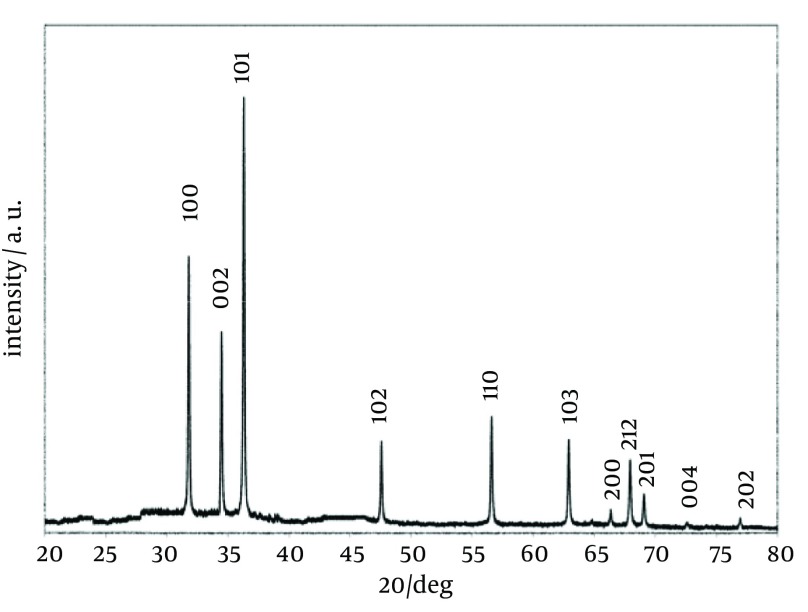
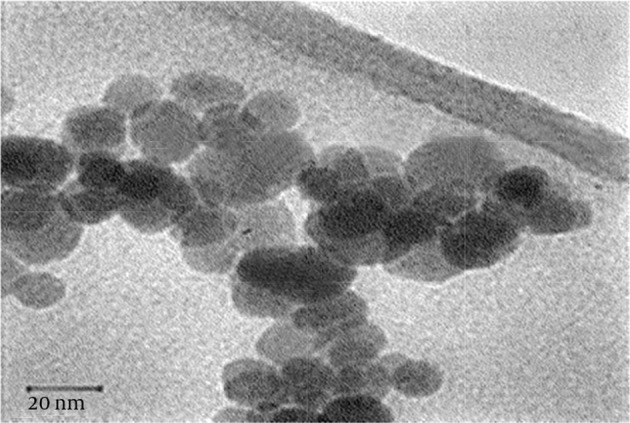
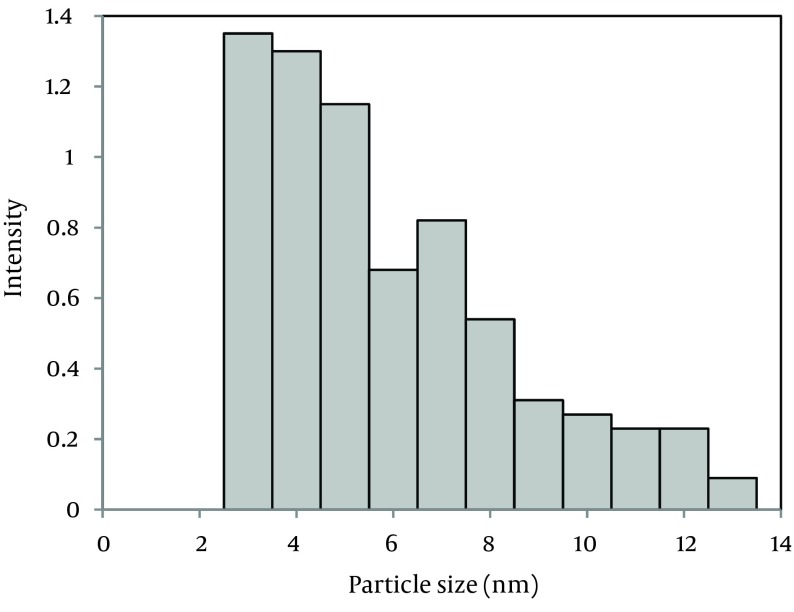
ZnO NPs were prepared and characterized and then dispersed in glycerol with the help of ammonium citrate as the dispersant. The antibacterial tests were performed by measuring the growth of Escherichia coli O157:H7 and Staphylococcus aureus with different concentrations of ZnO NPs in glycerol. All the experiments were conducted at different incubation temperatures (25-42(°)C) and pH levels (4-10 for E. coli O157:H7 and 5-10 for S. aureus).
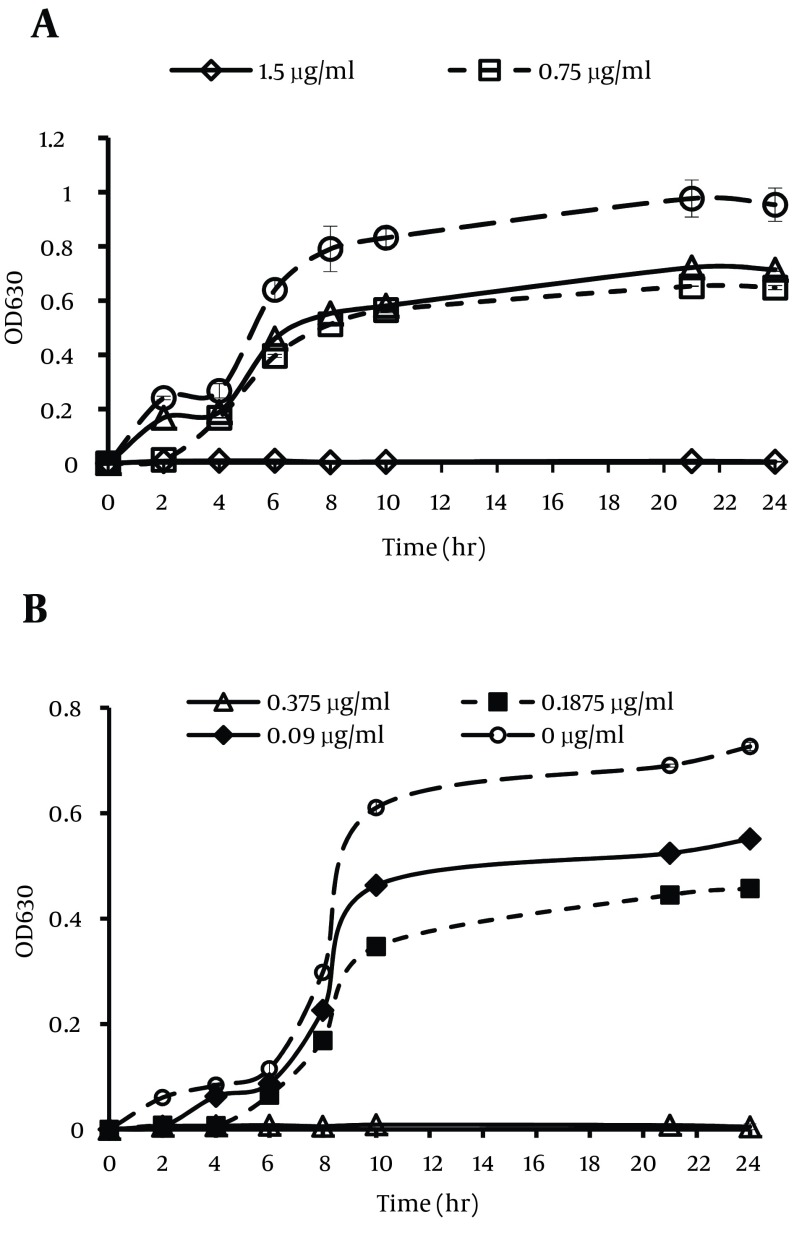
The results showed that ZnO nanofluid have antibacterial activity against E. coli O157:H7 and S. aureus and the inhibitory effect increases with increasing the nanofluid concentration. The experiments showed that the antibacterial activity of ZnO NPs was influenced by temperature and pH. Higher antibacterial activity was observed at acidic pH levels with the maximum toxicity at pH = 4 and pH = 5 for E. coli O157: H7 and S. aureus, respectively. By raising the temperature, the toxicity of ZnO nanofluid increased, with the highest antibacterial activity at 42°C for both bacterial types in comparison with positive controls under the same conditions.
Analysis of the results demonstrated that exposure media of ZnO NPs and cultural factors play a role in their cytotoxic effects. It could be attributed to the principal mechanism at different reaction conditions.
氧化锌纳米颗粒(ZnO NPs)是研究和健康相关应用中使用的重要无机材料之一,具有有效的抗菌活性。尽管已经评估了ZnO NPs的毒性作用,但仍需要更多信息来了解其可能的作用机制。
本研究旨在确定pH值和温度对ZnO NPs对某些病原菌菌株抗菌活性的影响。确定毒性与培养条件之间的相互关系有助于我们更好地了解最大抗菌活性的最佳反应条件。
制备并表征了ZnO NPs,然后在柠檬酸铵作为分散剂的帮助下将其分散在甘油中。通过测量不同浓度ZnO NPs在甘油中对大肠杆菌O157:H7和金黄色葡萄球菌的生长来进行抗菌测试。所有实验均在不同的孵育温度(25 - 42°C)和pH值水平(大肠杆菌O157:H7为4 - 10,金黄色葡萄球菌为5 - 10)下进行。
结果表明,ZnO纳米流体对大肠杆菌O157:H7和金黄色葡萄球菌具有抗菌活性,且抑制作用随纳米流体浓度的增加而增强。实验表明,ZnO NPs的抗菌活性受温度和pH值影响。在酸性pH水平下观察到较高的抗菌活性,大肠杆菌O157:H7和金黄色葡萄球菌分别在pH = 4和pH = 5时毒性最大。随着温度升高,ZnO纳米流体的毒性增加,与相同条件下的阳性对照相比,两种细菌在42°C时抗菌活性最高。
结果分析表明,ZnO NPs的暴露介质和培养因素在其细胞毒性作用中起作用。这可能归因于不同反应条件下的主要机制。