Viveksarathi K, Kannan K
Department of Pharmacy, Faculty of Engineering and Technology, Annamalai University, Chidambaram, Tamil Nadu, India.
Int J Pharm Investig. 2015 Apr-Jun;5(2):87-91. doi: 10.4103/2230-973X.153383.
Nanoscale solid lipid particles of rasagiline mesylate (RM) were fabricated by microemulsion technique. The nanoscale particle must be sterile for intravenous administration, and several approaches are available for sterilization. However, the selection of sterilization technique for the fabricated RM loaded nanoscale solid lipid particles mainly depends on the nature of the drug that needs to be encapsulated and release pattern of the polymer.
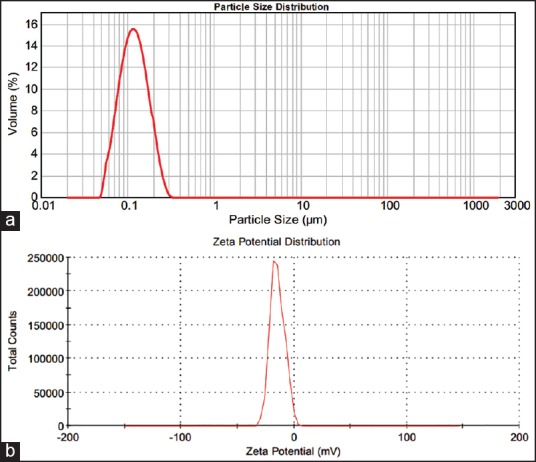
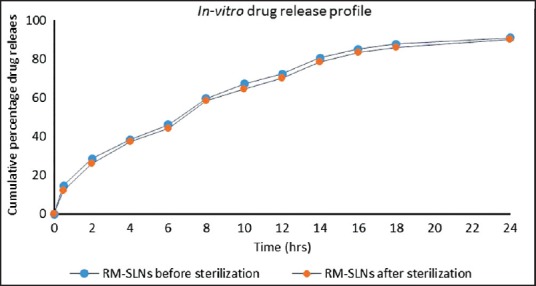
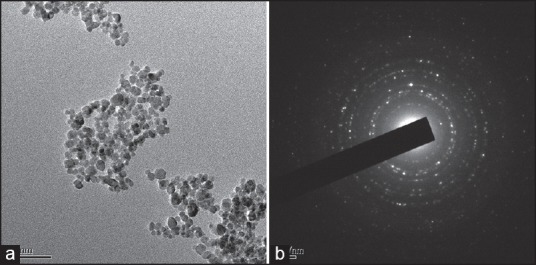
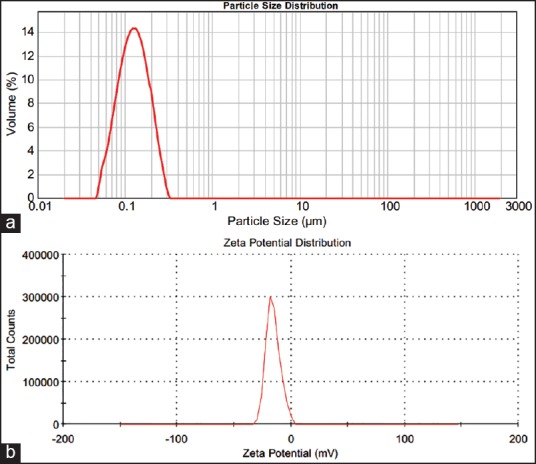
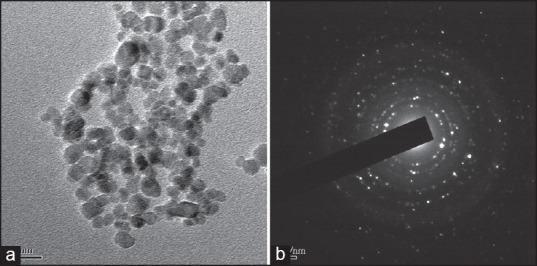
We have preferred moist heat sterilization, as it is the most convenient and the composition of the carrier and incorporated drug should remain unchanged and the incorporated drug should not leak out of the drug carrier. The physical and chemical stability of RM loaded nanoscale solid lipid particles investigated during sterilization and to determine the average mean particle size, polydispersity index, zeta potential (ZP), transmission electron microscopy (TEM), entrapment efficiency (EE), and drug content after autoclaving.
There were no significant changes in the average mean particle size, polydispersity index, ZP, TEM, EE, and drug content of RM loaded nanoscale solid lipid particles after autoclaving (121°C for 20 min [15 lbs]).
These observations suggest that the moist heat sterilization by autoclaving is the most suitable method for nanoscale solid lipid formulations.
采用微乳技术制备了甲磺酸雷沙吉兰(RM)纳米级固体脂质颗粒。纳米级颗粒用于静脉给药时必须无菌,有几种灭菌方法可供选择。然而,为制备的载RM纳米级固体脂质颗粒选择灭菌技术主要取决于需要包封的药物的性质以及聚合物的释放模式。
我们选择湿热灭菌,因为它最方便,且载体和包封药物的成分应保持不变,包封药物不应从药物载体中泄漏。在灭菌过程中研究了载RM纳米级固体脂质颗粒的物理和化学稳定性,并测定了高压灭菌后的平均粒径、多分散指数、zeta电位(ZP)、透射电子显微镜(TEM)、包封率(EE)和药物含量。
高压灭菌(121°C,20分钟[15磅])后,载RM纳米级固体脂质颗粒的平均粒径、多分散指数、ZP、TEM、EE和药物含量均无显著变化。
这些观察结果表明,高压湿热灭菌是纳米级固体脂质制剂最合适的方法。