Tanimoto Tetsuya
Division of Social Communication System for Advanced Clinical Research, Institute of Medical Science, University of Tokyo, Tokyo, Japan.
Drug Des Devel Ther. 2015 Mar 31;9:1877-88. doi: 10.2147/DDDT.S62636. eCollection 2015.
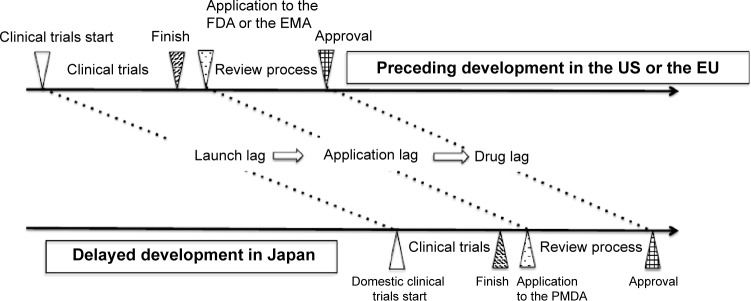
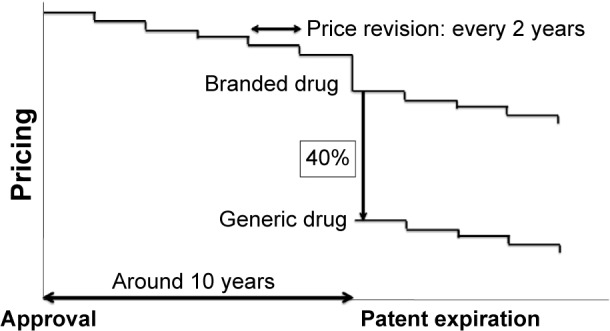
The universal health care system in Japan is facing a historical turning point as a result of the increasing fiscal burden, rapidly aging society, and a decreasing population. To understand the challenges and opportunities in the Japanese pharmaceutical market, which occupies one tenth of the global share, this review highlights several issues related to the benefit-risk assessment that is unique to the modern Japanese society: 1) regulatory system for new drug development; 2) health hazards related to pharmaceuticals ("Yakugai" in Japanese); 3) drug lag; 4) problems and controversies in the vaccination policy; and 5) clinical study misconduct. The regulatory process places a significant importance on Japanese data collection regardless of data accumulation from other countries. Because Yakugai has repeatedly caused tragedies and social disputes historically, the regulatory judgments generally tend to be more prudential when safety concerns are raised for new and emerging pharmaceuticals. Such a regulatory system has caused more than several years of approval delays compared to delays in other countries. The problem of drug lag still lingers on despite several regulatory system revisions, while the solution is incompatible with the elimination of Yakugai because the lag potentially reduces the risk of unpredictable adverse events. The Japanese vaccination policy has also received a lot of criticism, and needs improvements so that the decision-making process can be more transparent and scientifically based. Additionally, repeated clinical study misconduct damaged the reputation of Japanese clinical studies with unnecessary defrayment in health insurance; therefore, the medical community must change its inappropriate relationship with the industry. The problems surrounding pharmaceuticals are related to centralized, strict drug pricing control under the universal health coverage. Although the current government attempts to facilitate innovative research and development of novel therapeutics in Japan, further reforms should be explored for patients who need new and emerging pharmaceuticals.
由于财政负担加重、社会迅速老龄化以及人口减少,日本的全民医疗保健系统正面临一个历史转折点。为了解占全球份额十分之一的日本制药市场所面临的挑战和机遇,本综述重点介绍了一些与现代日本社会特有的获益-风险评估相关的问题:1)新药研发监管体系;2)与药品相关的健康危害(日语中的“薬害”);3)药物滞后;4)疫苗接种政策中的问题和争议;5)临床研究不当行为。监管过程非常重视日本的数据收集,而不考虑其他国家的数据积累情况。由于历史上“薬害”多次引发悲剧和社会纠纷,因此在对新出现的药品提出安全担忧时,监管判断通常倾向于更加审慎。与其他国家相比,这样的监管体系导致审批延迟了数年之久。尽管对监管体系进行了多次修订,但药物滞后问题仍然存在,而解决办法与消除“薬害”并不兼容,因为滞后可能会降低不可预测不良事件的风险。日本的疫苗接种政策也受到了很多批评,需要改进,以便决策过程能够更加透明且基于科学依据。此外,临床研究不当行为屡屡发生,损害了日本临床研究的声誉,还造成了不必要的医疗保险支出;因此,医学界必须改变其与制药行业的不当关系。围绕药品的问题与全民医保下集中、严格的药品价格控制有关。尽管现任政府试图促进日本新型疗法的创新研发,但对于需要新出现药品的患者,仍应探索进一步的改革措施。