Zhang Hongling, Liu Gan, Zeng Xiaowei, Wu Yanping, Yang Chengming, Mei Lin, Wang Zhongyuan, Huang Laiqiang
School of Life Sciences, Tsinghua University, Beijing, People's Republic of China ; The Shenzhen Key Laboratory of Gene and Antibody Therapy, Center for Biotechnology and Biomedicine and Division of Life and Health Sciences, Graduate School at Shenzhen, Tsinghua University, Shenzhen, Guangdong, People's Republic of China.
Xili Hospital, Shenzhen, Guangdong, People's Republic of China.
Int J Nanomedicine. 2015 Mar 27;10:2461-73. doi: 10.2147/IJN.S78988. eCollection 2015.
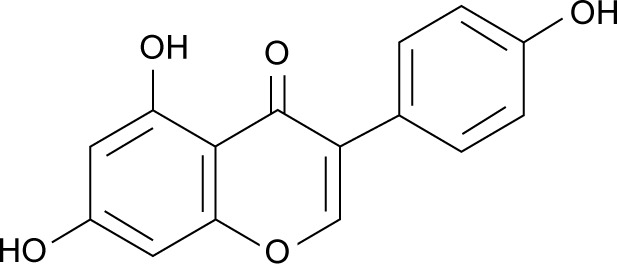
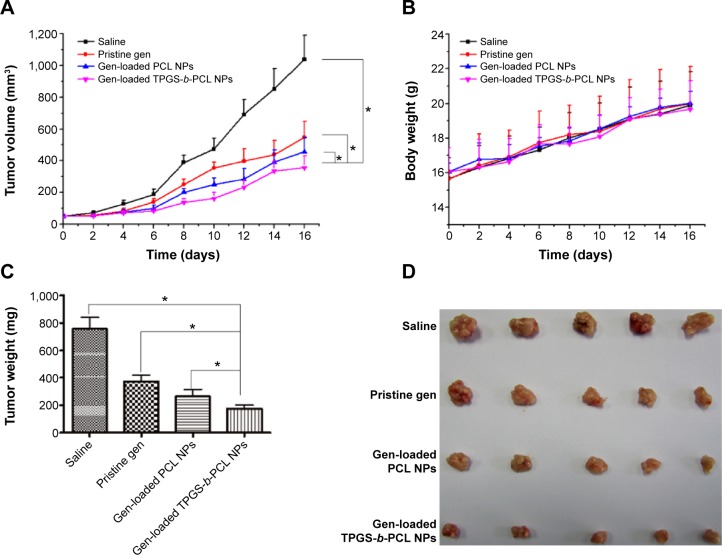
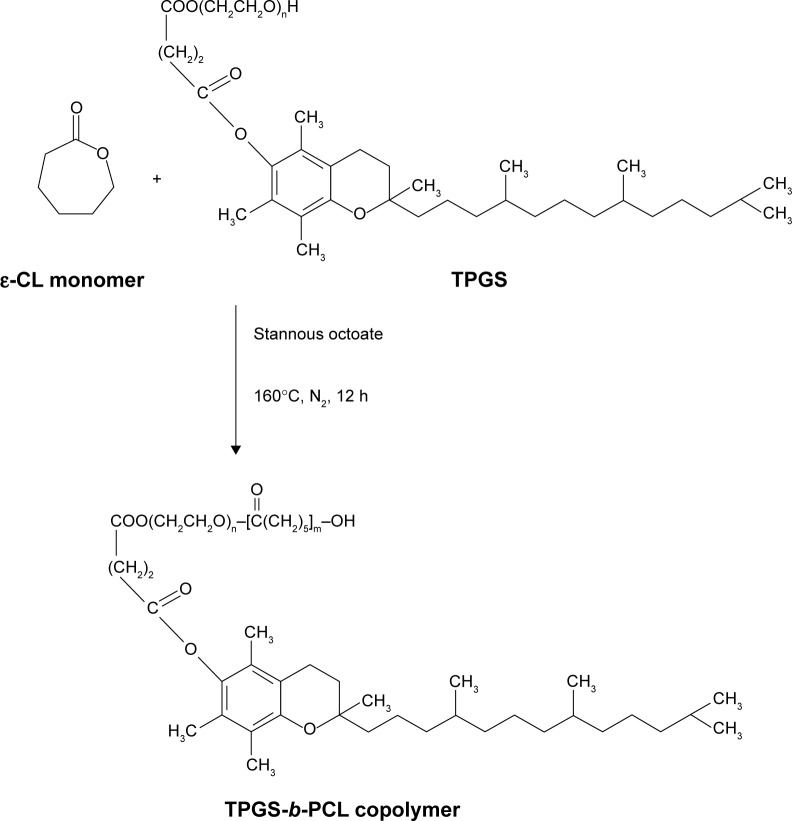
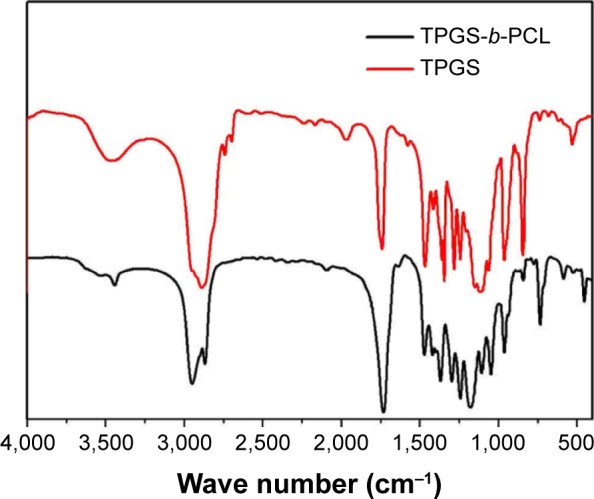
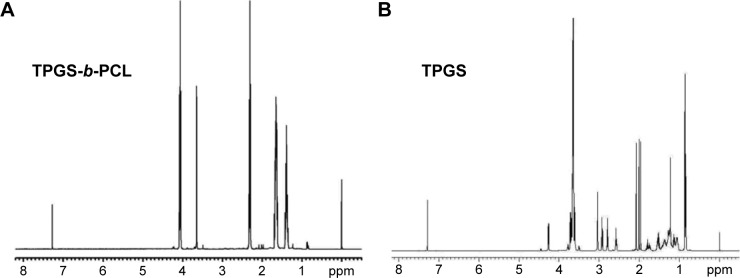
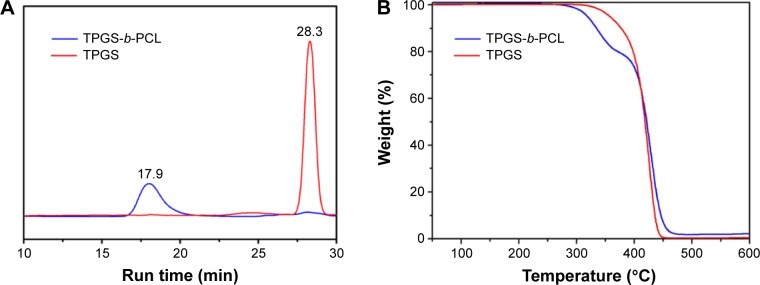
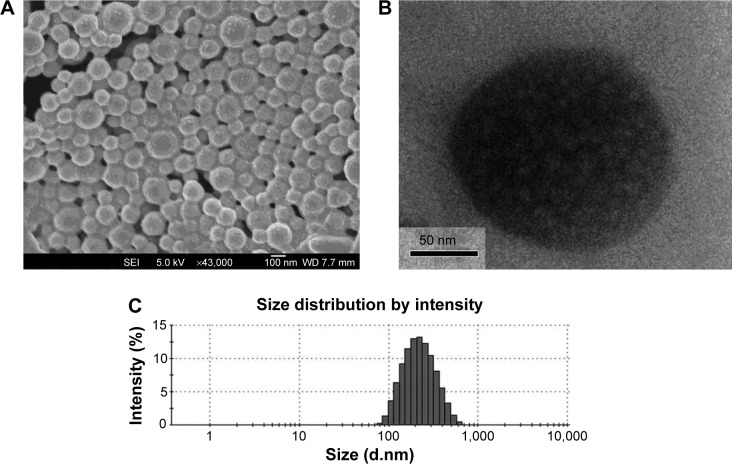
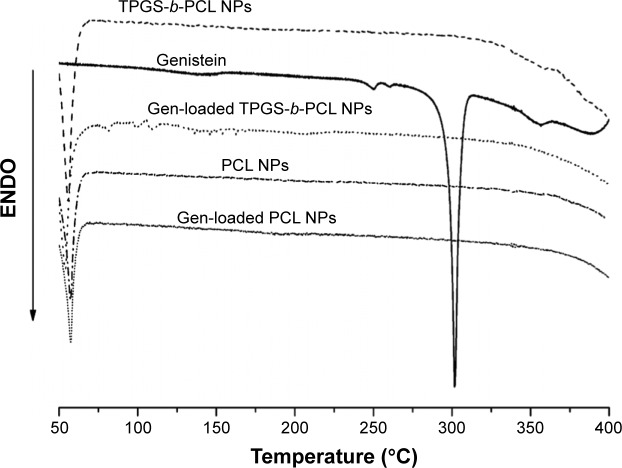
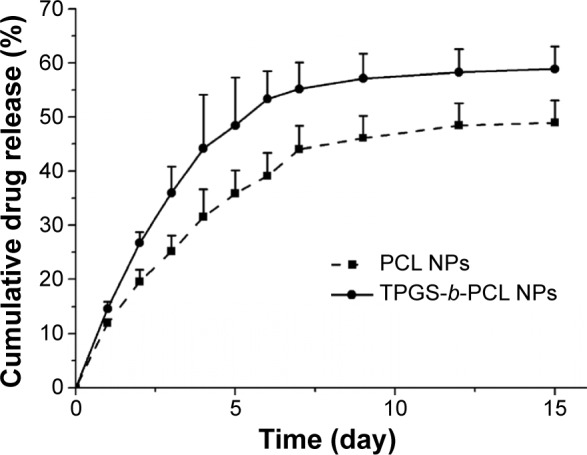
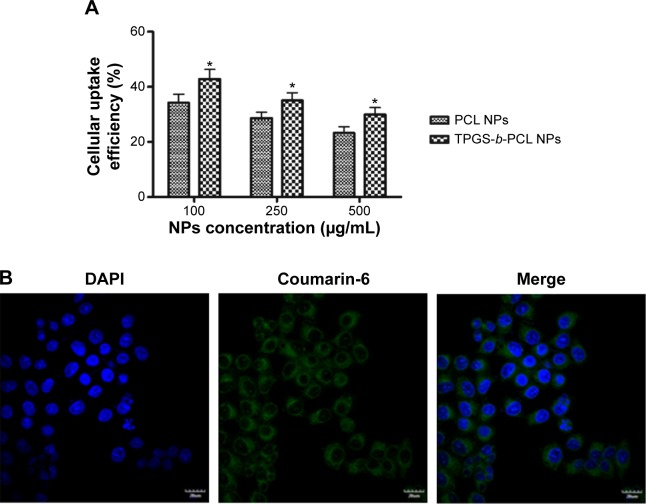
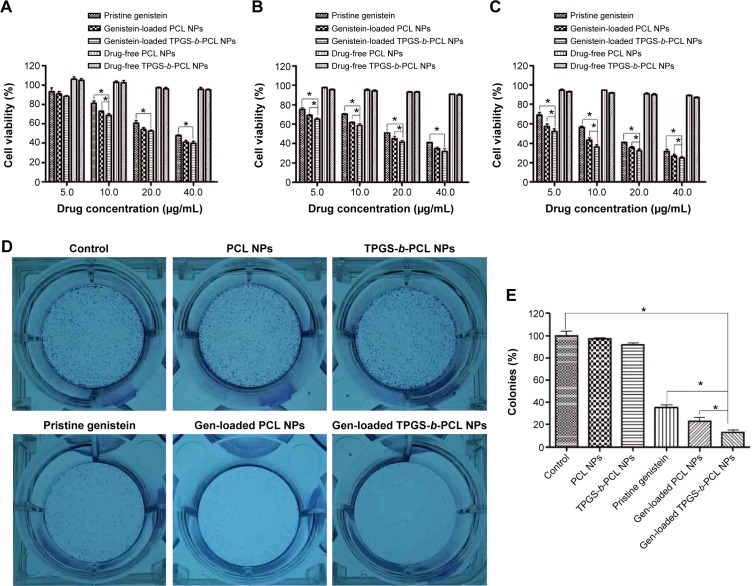
Genistein is one of the most studied isoflavonoids with potential antitumor efficacy, but its poor water solubility limits its clinical application. Nanoparticles (NPs), especially biodegradable NPs, entrapping hydrophobic drugs have promising applications to improve the water solubility of hydrophobic drugs. In this work, TPGS-b-PCL copolymer was synthesized from ε-caprolactone initiated by d-α-tocopheryl polyethylene glycol 1000 succinate (TPGS) through ring-opening polymerization and characterized by Fourier transform infrared spectroscopy, proton nuclear magnetic resonance spectroscopy, gel permeation chromatography, and thermogravimetric analysis. The genistein-loaded NPs were prepared by a modified nanoprecipitation method and characterized in the aspects of particle size, surface charge, morphology, drug loading and encapsulation efficiency, in vitro drug release, and physical state of the entrapped drug. The TPGS-b-PCL NPs were found to have higher cellular uptake efficiency than PCL NPs. MTT and colony formation experiments indicated that genistein-loaded TPGS-b-PCL NPs achieved the highest level of cytotoxicity and tumor cell growth inhibition compared with pristine genistein and genistein-loaded PCL NPs. Furthermore, compared with pristine genistein and genistein-loaded PCL NPs, the genistein-loaded TPGS-b-PCL NPs at the same dose were more effective in inhibiting tumor growth in the subcutaneous HeLa xenograft tumor model in BALB/c nude mice. In conclusion, the results suggested that genistein-loaded biodegradable TPGS-b-PCL nanoparticles could enhance the anticancer effect of genistein both in vitro and in vivo, and may serve as a potential candidate in treating cervical cancer.
染料木黄酮是研究最多的具有潜在抗肿瘤功效的异黄酮之一,但其较差的水溶性限制了其临床应用。纳米颗粒(NPs),尤其是可生物降解的NPs,包载疏水性药物在改善疏水性药物的水溶性方面具有广阔的应用前景。在本研究中,通过开环聚合法由d-α-生育酚聚乙二醇1000琥珀酸酯(TPGS)引发ε-己内酯合成了TPGS-b-PCL共聚物,并通过傅里叶变换红外光谱、质子核磁共振光谱、凝胶渗透色谱和热重分析对其进行了表征。采用改良的纳米沉淀法制备了载染料木黄酮的NPs,并对其粒径、表面电荷、形态、载药量和包封率、体外药物释放以及包载药物的物理状态等方面进行了表征。发现TPGS-b-PCL NPs比PCL NPs具有更高的细胞摄取效率。MTT和集落形成实验表明,与原始染料木黄酮和载染料木黄酮的PCL NPs相比,载染料木黄酮的TPGS-b-PCL NPs具有最高水平的细胞毒性和肿瘤细胞生长抑制作用。此外,与原始染料木黄酮和载染料木黄酮的PCL NPs相比,相同剂量的载染料木黄酮的TPGS-b-PCL NPs在BALB/c裸鼠皮下HeLa异种移植瘤模型中抑制肿瘤生长更有效。总之,结果表明载染料木黄酮的可生物降解的TPGS-b-PCL纳米颗粒可在体外和体内增强染料木黄酮的抗癌作用,并可能成为治疗宫颈癌的潜在候选药物。