Beck J Thaddeus, Mantooth Ryan
Highlands Oncology Group, Fayetteville, Ark., USA.
Case Rep Oncol. 2015 Feb 21;8(1):101-5. doi: 10.1159/000375119. eCollection 2015 Jan-Apr.
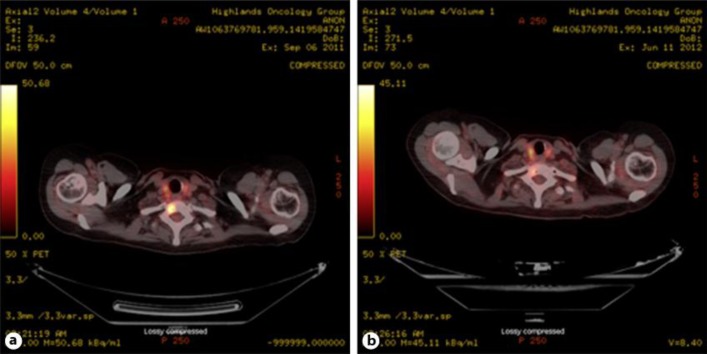
Breast cancer is one of the most frequently diagnosed cancers and a leading cause of death in women worldwide. Despite significant advances in the treatment of hormone receptor-positive breast cancer, tumor metastasis occurs frequently and is associated with poor long-term prognosis. The mammalian target of rapamycin (mTOR) pathway plays a central role in cancer cell growth, proliferation, and resistance to endocrine therapies. Therefore, mTOR inhibitors such as everolimus in combination with nonsteroidal aromatase inhibitors might reverse endocrine resistance and improve clinical outcomes in patients. Here, we report on a case of infiltrating lobular carcinoma of the breast with metastases to the bone. Histopathologic analysis showed that the patient was estrogen and progesterone receptor positive and human epidermal growth factor-2 negative. This case represents the clinical spectrum of complications caused by metastasis: the patient experienced a considerable amount of skeletal-related complications, had previously received chemotherapy, and experienced disease progression while taking nonsteroidal aromatase inhibitors. After treatment with oral everolimus 10 mg daily plus oral exemestane 25 mg daily, the patient's disease was ameliorated. Combination therapy was well tolerated, with minimal adverse effects that were manageable with concomitant medications. Although further analyses in larger populations are necessary, the addition of everolimus to exemestane might provide an effective new treatment option for patients with bone metastasis.
乳腺癌是全球女性中最常被诊断出的癌症之一,也是主要的死亡原因。尽管激素受体阳性乳腺癌的治疗取得了重大进展,但肿瘤转移仍频繁发生,并与长期预后不良相关。雷帕霉素哺乳动物靶点(mTOR)通路在癌细胞生长、增殖及对内分泌治疗的耐药性方面起核心作用。因此,依维莫司等mTOR抑制剂与非甾体芳香化酶抑制剂联合使用可能会逆转内分泌耐药性,并改善患者的临床结局。在此,我们报告一例乳腺浸润性小叶癌伴骨转移的病例。组织病理学分析显示,该患者雌激素和孕激素受体阳性,人表皮生长因子-2阴性。该病例代表了转移引起的并发症的临床情况:患者经历了大量骨相关并发症,此前接受过化疗,且在服用非甾体芳香化酶抑制剂期间病情进展。在每日口服10 mg依维莫司加每日口服25 mg依西美坦治疗后,患者病情得到改善。联合治疗耐受性良好,不良反应轻微,可通过同时服用的药物进行控制。尽管需要在更大规模人群中进行进一步分析,但依维莫司联合依西美坦可能为骨转移患者提供一种有效的新治疗选择。