Zheng Hua, Li Wenjun, Harrold Leslie, Ayers David C, Franklin Patricia D
University of Massachusetts Medical School.
EGEMS (Wash DC). 2014 Dec 19;2(1):1130. doi: 10.13063/2327-9214.1130. eCollection 2014.
Patient-reported outcomes (PROs) are rarely included in quality monitoring systems, surgeon comparative feedback reports, or registries. We present the design and implementation of a secure website in a federally funded research program-Function and Outcomes Research for Comparative Effectiveness in Total Joint Replacement (FORCE-TJR)-to return comparative PRO reports to participating surgeons, in addition to including traditional quality measures, in order to monitor and improve quality and health outcomes.
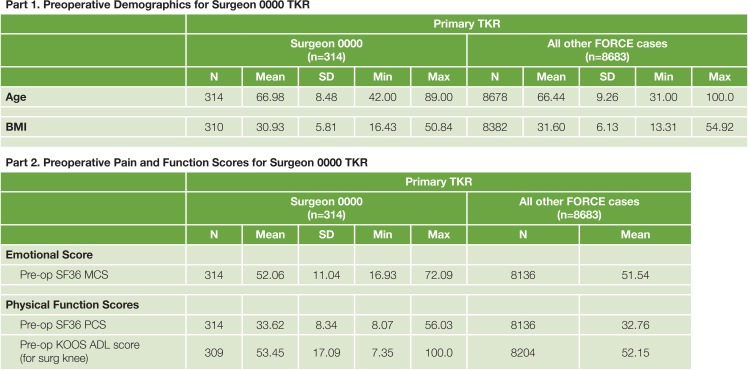
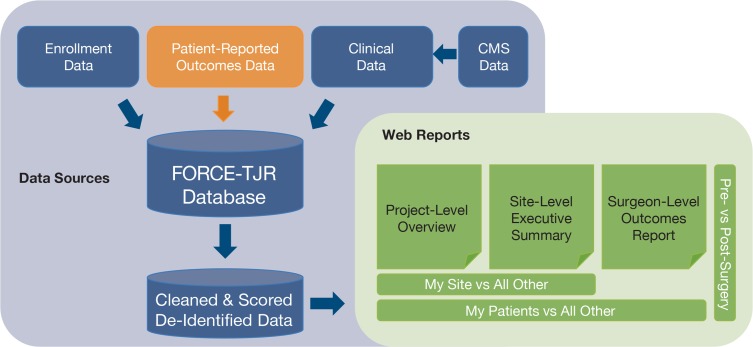
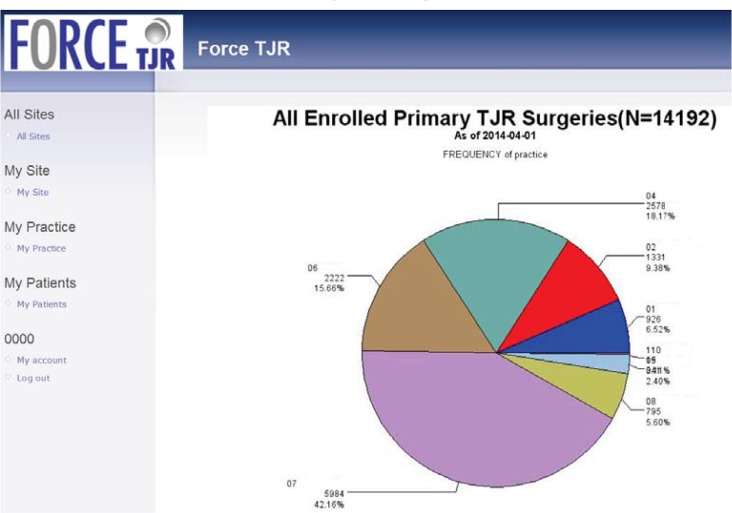
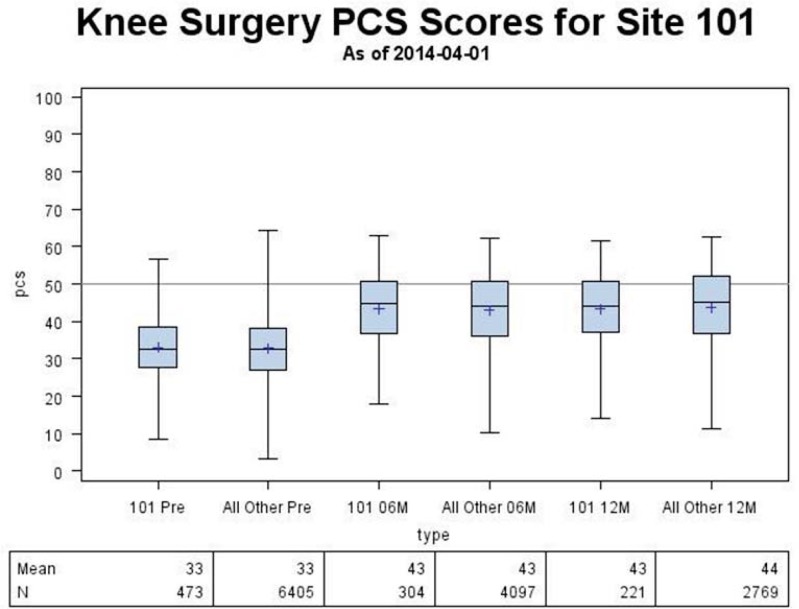
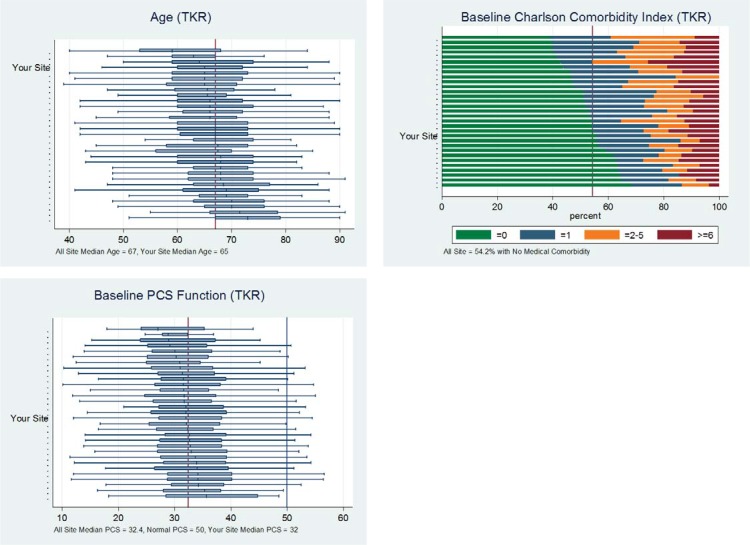
The surgeon-specific comparative PRO reports were designed and structured based on user input for content, data elements, integration, and display. Three questions are addressed regarding the knee and hip joint symptom profiles of patients before TJR, as well as outcomes of surgery. The website is organized with a hierarchical structure to display data at national, practice, and individual surgeon levels, and provides a comprehensive site-level executive summary and surgeon-level data reports that can be downloaded.
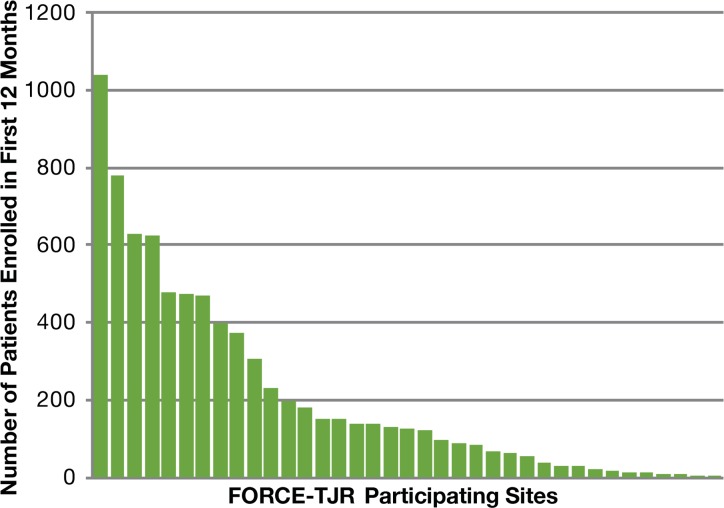
As of September 2014, over 22,000 patients were enrolled from more than 130 surgeons in 22 states. The reporting website was launched in September 2012 and has been updated quarterly for all surgeons to review their site- and individual-specific outcomes data compared to national benchmarks.
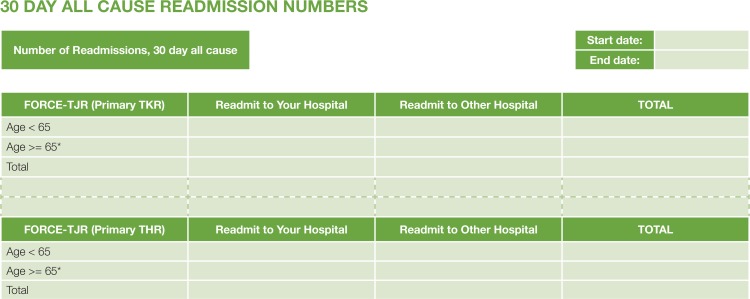
In this novel system, quarterly comparative surgeon feedback extends beyond traditional measures of complication rates to include PROs of pain relief and functional gain. We anticipate that this enhanced data will facilitate patient-centered quality improvement (QI) and outcomes research from the registry. As the Centers for Medicare & Medicaid Services (CMS) and other insurers consider future implementation of PROs, surgeons will increasingly need comparative data by which to self-monitor their practice outcomes.
患者报告的结局(PROs)很少被纳入质量监测系统、外科医生比较反馈报告或登记处。我们介绍了在一项由联邦资助的研究项目——全关节置换术比较有效性功能与结局研究(FORCE-TJR)中设计并实施的一个安全网站,除了纳入传统质量指标外,还向参与的外科医生返回比较性PRO报告,以监测和改善质量及健康结局。
基于用户对内容、数据元素、整合及显示的输入,设计并构建了针对外科医生的比较性PRO报告。提出了三个关于全膝关节置换术(TJR)和全髋关节置换术前患者膝关节和髋关节症状概况以及手术结局的问题。该网站采用分层结构组织,以展示国家、医疗机构及个体外科医生层面的数据,并提供可下载的综合机构层面执行摘要和外科医生层面数据报告。
截至2014年9月,来自22个州130多名外科医生的超过22000名患者入组。报告网站于2012年9月上线,并每季度更新,以便所有外科医生将其机构及个人特定的结局数据与全国基准进行比较。
在这个新颖的系统中,每季度的外科医生比较反馈不仅涵盖传统的并发症发生率指标,还包括疼痛缓解和功能改善的PROs。我们预计,这些强化的数据将促进以患者为中心的质量改进(QI)以及来自登记处的结局研究。随着医疗保险和医疗补助服务中心(CMS)及其他保险公司考虑未来实施PROs,外科医生将越来越需要比较数据来自我监测他们的手术结局。