Zhu Dan, Xie Hong, Wang Xinyu, Liang Ying, Yu Haiyi, Gao Wei
Department of Cardiology, Peking University Third Hospital, Key Laboratory of Cardiovascular Molecular Biology and Regulatory peptides, Ministry of Health (Peking University Third Hospital), Beijing, China.
PLoS One. 2015 Apr 7;10(4):e0122993. doi: 10.1371/journal.pone.0122993. eCollection 2015.
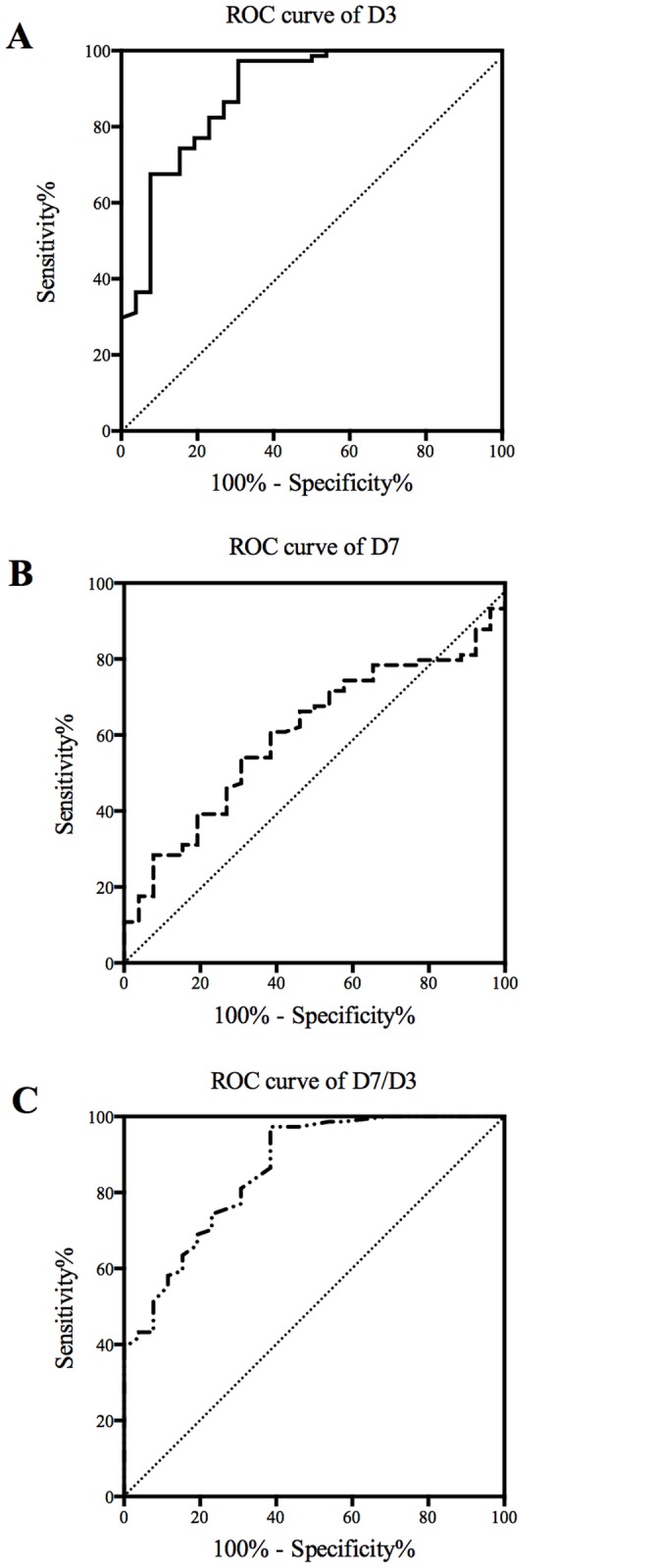
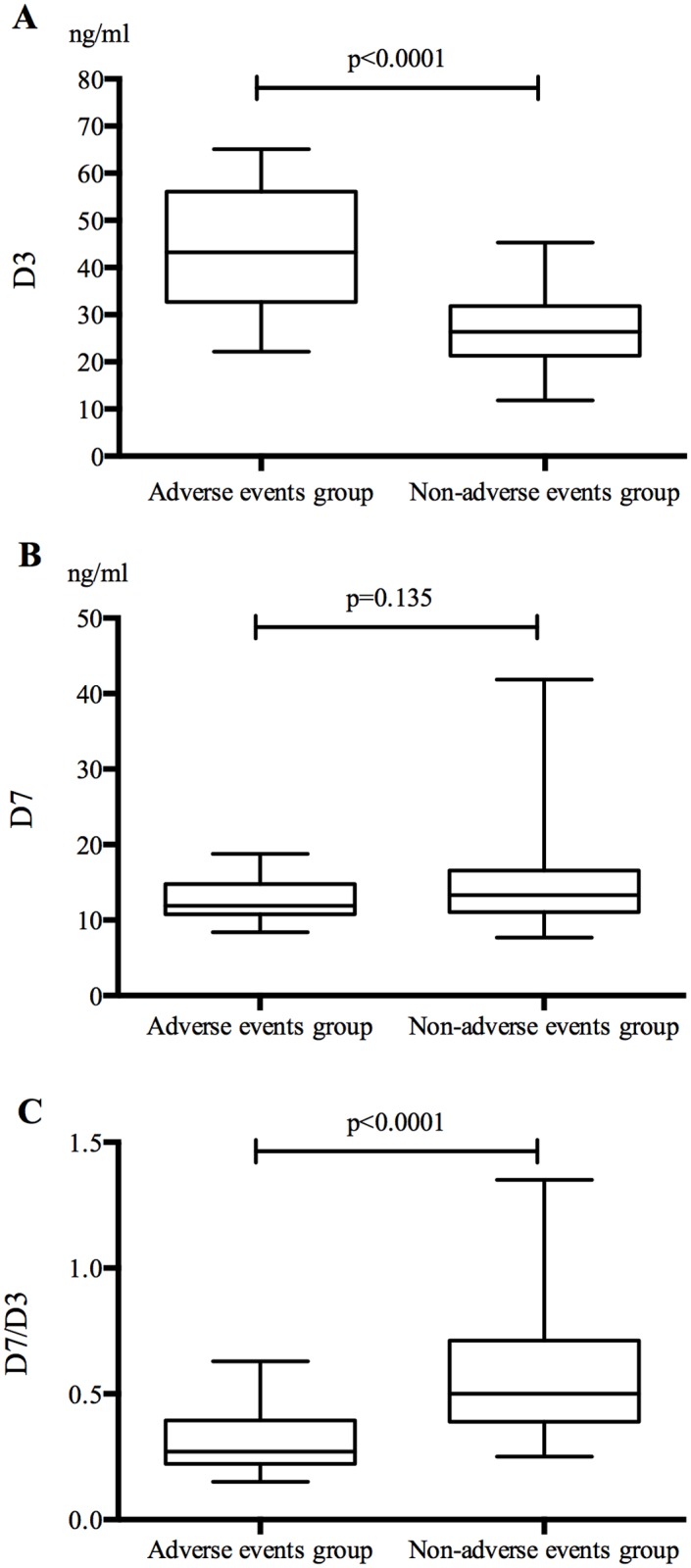
Catestatin is a peptide which is a potent inhibitor of catecholamine secretion and played essential functions in the cardiovascular system. Previous research found that dramatic changes of catestatin were associated with hemodynamics in acute myocardial infarction (AMI) during the first week after the AMI symptoms onset, but whether catestatin is also involved in the pathophysiological progression after AMI and then a predictor for outcomes is not clear. The aim of this study is to determine the correlation of plasma catestatin levels at different time points and the prognosis of AMI. 100 participants recruited were all patients with AMI, all of who received successful primary percutaneous coronary intervention (PCI) within 12h from the AMI symptom onset in our center; the concentrations of plasma catestatin were evaluated from blood samples of those 100 participants. Subsequent 65 months' follow-up was performed after discharging to evaluate cardiac adverse events and the association between catestatin levels and prognosis of AMI was examined. We confirmed the dramatic change of catestatin concentrations in the first week of AMI, and the levels of catestatin on D3 were much higher in adverse events group than those in non-adverse events group (p<0.0001), but the ratio of D7/D3 was significantly lower. In addition, the Kaplan-Meier analysis showed that the groups in which the levels on D3 were higher (p<0.0001) and the ratios of D7/D3 were lower (p<0.0001), patients trended to be more susceptive to adverse events after AMI. Furthermore, according to the analysis, we surmised catestatin level on D3 as an appropriate predictor for outcomes in patients with AMI with good specificity as well as sensitivity. All of the evidence confirmed that catestatin plays an important role in the progress of AMI, and may act as a promising target for prognostic prediction.
降钙素基因相关肽是一种肽类物质,它是儿茶酚胺分泌的强效抑制剂,在心血管系统中发挥着重要作用。先前的研究发现,降钙素基因相关肽的显著变化与急性心肌梗死(AMI)症状发作后第一周的血流动力学有关,但降钙素基因相关肽是否也参与AMI后的病理生理进展以及是否为预后的预测指标尚不清楚。本研究的目的是确定不同时间点血浆降钙素基因相关肽水平与AMI预后的相关性。招募的100名参与者均为AMI患者,所有患者在我院中心均于AMI症状发作后12小时内成功接受了直接经皮冠状动脉介入治疗(PCI);从这100名参与者的血样中评估血浆降钙素基因相关肽的浓度。出院后进行了为期65个月的随访,以评估心脏不良事件,并检查降钙素基因相关肽水平与AMI预后之间的关联。我们证实了AMI第一周降钙素基因相关肽浓度的显著变化,不良事件组D3时的降钙素基因相关肽水平明显高于非不良事件组(p<0.0001),但D7/D3的比值显著更低。此外,Kaplan-Meier分析显示,D3时水平较高(p<0.0001)且D7/D3比值较低(p<0.0001)的组中,AMI后患者更容易发生不良事件。此外,根据分析,我们推测D3时的降钙素基因相关肽水平是AMI患者预后的合适预测指标,具有良好的特异性和敏感性。所有证据均证实降钙素基因相关肽在AMI进展中起重要作用,并可能成为有前景的预后预测靶点。