Sugimori Naomi, Espinoza J Luis, Trung Ly Quoc, Takami Akiyoshi, Kondo Yukio, An Dao Thi, Sasaki Motoko, Wakayama Tomohiko, Nakao Shinji
Department of Hematology Oncology, Kanazawa University Hospital, Kanazawa University, Kanazawa, Japan Takaramachi 13-1, Kanazawa, Japan.
Department of Hematology Oncology, Kanazawa University Hospital, Kanazawa University, Kanazawa, Japan Takaramachi 13-1, Kanazawa, Japan; Department of Hematology Oncology, Aichi Medical University School of Medicine, Nagakute, Japan.
PLoS One. 2015 Apr 7;10(4):e0120709. doi: 10.1371/journal.pone.0120709. eCollection 2015.
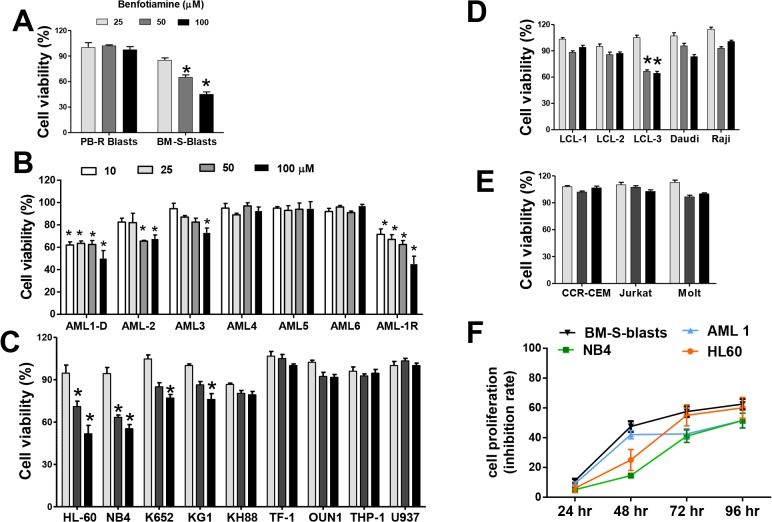
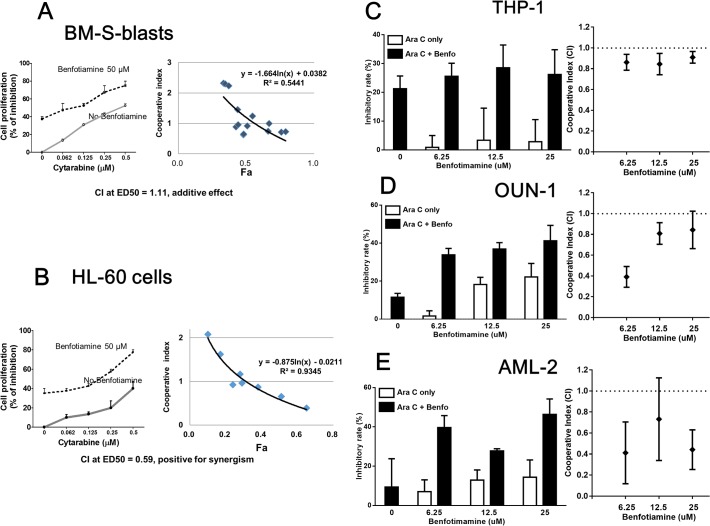
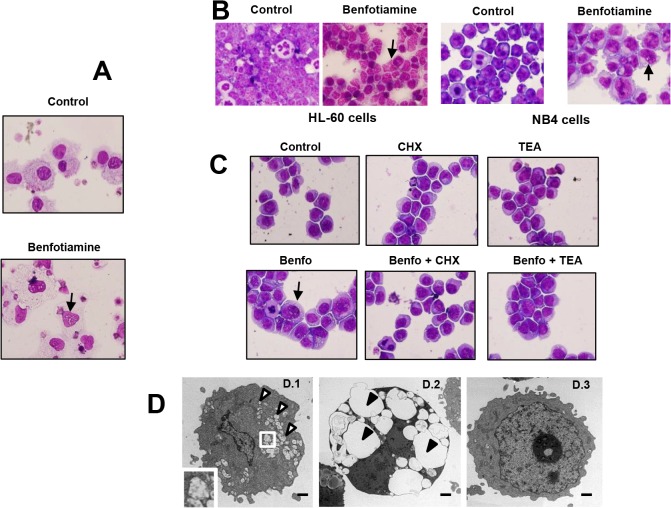
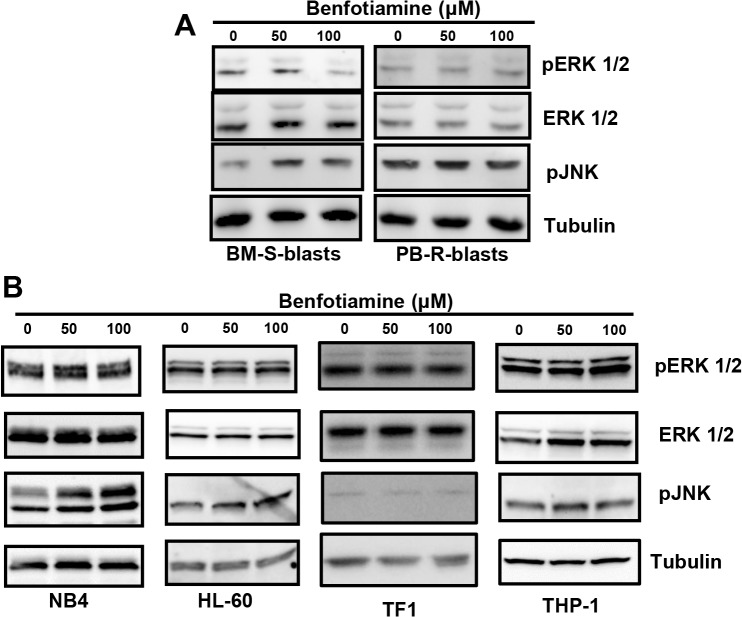
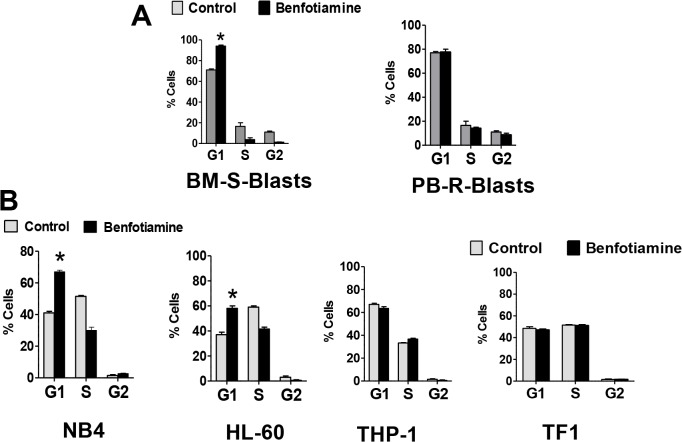
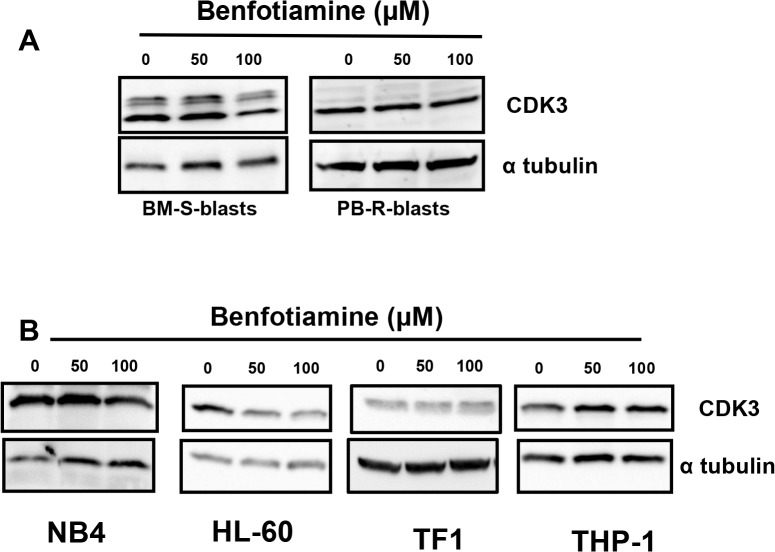
Benfotiamine is a synthetic thiamine analogue that stimulates transketolase, a cellular enzyme essential for glucose metabolism. Currently, benfotiamine is used to treat diabetic neuropathy. We recently reported that oral benfotiamine induced a temporary but remarkable recovery from acute myeloid leukemia in an elderly patient who was ineligible for standard chemotherapy due to dementia and renal failure. In the present study we present evidences that benfotiamine possess antitumor activity against leukemia cells. In a panel of nine myeloid leukemia cell lines benfotiamine impaired the viability of HL-60, NB4, K562 and KG1 cells and also inhibited the growing of primary leukemic blasts. The antitumor activity of benfotiamine is not mediated by apoptosis, necrosis or autophagy, but rather occurs though paraptosis cell death induction. Mechanistic studies revealed that benfotiamine inhibited the activity of constitutively active ERK1/2 and concomitantly increased the phosphorylation of JNK1/2 kinase in leukemic cells. In addition, benfotiamine induced the down regulation of the cell cycle regulator CDK3 which resulted in G1 cell cycle arrest in the sensitive leukemic cells. Moreover, combination index studies showed that benfotiamine enhanced the antiproliferative activities of cytarabine against leukemia cells. These findings suggest that benfotiamine has antitumor therapeutic potential.
苯磷硫胺是一种合成的硫胺类似物,可刺激转酮醇酶,这是一种对葡萄糖代谢至关重要的细胞酶。目前,苯磷硫胺用于治疗糖尿病性神经病变。我们最近报道,一名因痴呆和肾衰竭而不符合标准化疗条件的老年患者口服苯磷硫胺后,急性髓系白血病出现了暂时但显著的缓解。在本研究中,我们提供证据表明苯磷硫胺对白血病细胞具有抗肿瘤活性。在一组9种髓系白血病细胞系中,苯磷硫胺损害了HL-60、NB4、K562和KG1细胞的活力,并抑制了原发性白血病母细胞的生长。苯磷硫胺的抗肿瘤活性不是由凋亡、坏死或自噬介导的,而是通过副凋亡细胞死亡诱导发生的。机制研究表明,苯磷硫胺抑制组成型活性ERK1/2的活性,并同时增加白血病细胞中JNK1/2激酶的磷酸化。此外,苯磷硫胺诱导细胞周期调节因子CDK3的下调,导致敏感白血病细胞的G1期细胞周期停滞。此外,联合指数研究表明,苯磷硫胺增强了阿糖胞苷对白血病细胞的抗增殖活性。这些发现表明苯磷硫胺具有抗肿瘤治疗潜力。