Toxqui Laura, Vaquero M Pilar
Department of Metabolism and Nutrition, Institute of Food Science, Technology and Nutrition (ICTAN), Spanish National Research Council (CSIC), C/José Antonio Novais 10, Madrid 28040, Spain.
Nutrients. 2015 Apr 2;7(4):2324-44. doi: 10.3390/nu7042324.
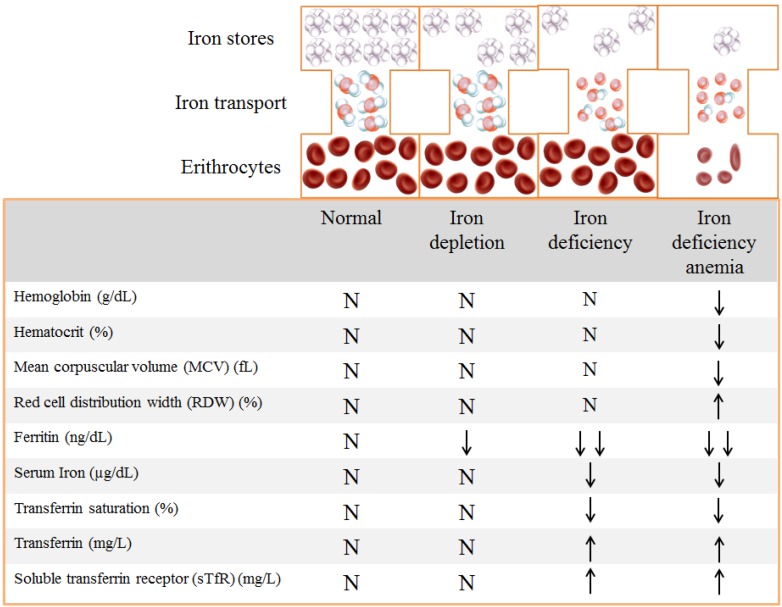
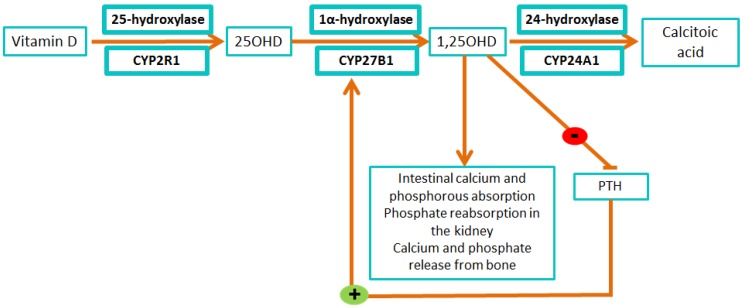
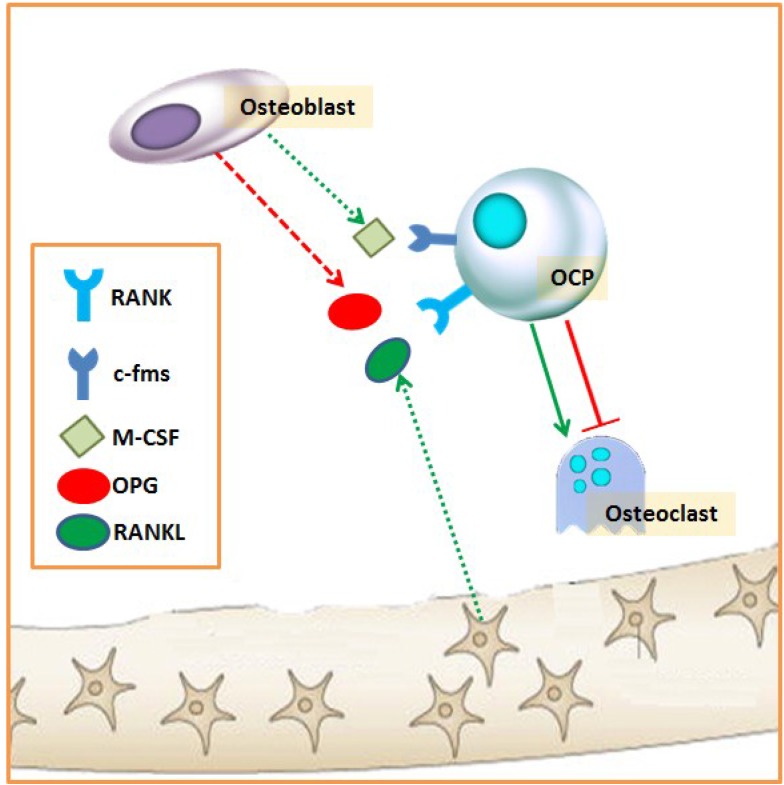
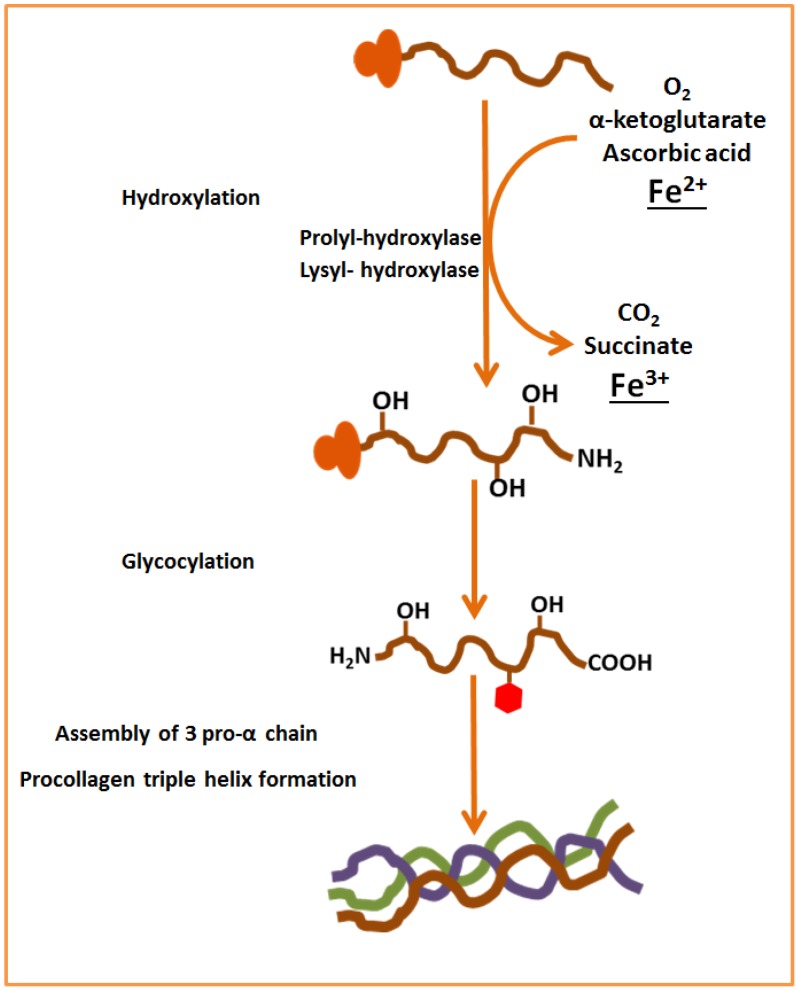
Iron is essential in oxygen transport and participates in many enzymatic systems in the body, with important roles in collagen synthesis and vitamin D metabolism. The relationship between iron and bone health comes from clinical observations in iron overload patients who suffered bone loss. The opposite scenario--whether iron deficiency, with or without anemia, affects bone metabolism--has not been fully addressed. This is of great interest, as this nutrient deficiency is a worldwide public health problem and at the same time osteoporosis and bone alterations are highly prevalent. This review presents current knowledge on nutritional iron deficiency and bone remodeling, the biomarkers to evaluate iron status and bone formation and resorption, and the link between iron and bone metabolism. Finally, it is hypothesized that chronic iron deficiency induces bone resorption and risk of osteoporosis, thus complete recovery from anemia and its prevention should be promoted in order to improve quality of life including bone health. Several mechanisms are suggested; hence, further investigation on the possible impact of chronic iron deficiency on the development of osteoporosis is needed.
铁在氧气运输中必不可少,并参与人体许多酶系统,在胶原蛋白合成和维生素D代谢中发挥重要作用。铁与骨骼健康之间的关系源于对铁过载导致骨质流失患者的临床观察。相反的情况——缺铁(无论有无贫血)是否会影响骨代谢——尚未得到充分研究。这一点非常值得关注,因为这种营养素缺乏是一个全球性的公共卫生问题,与此同时骨质疏松症和骨骼改变非常普遍。本文综述了关于营养性缺铁与骨重塑、评估铁状态以及骨形成和吸收的生物标志物,以及铁与骨代谢之间联系的现有知识。最后,推测慢性缺铁会导致骨吸收和骨质疏松风险,因此应促进从贫血中完全康复并预防贫血,以改善包括骨骼健康在内的生活质量。文中提出了几种机制;因此,需要进一步研究慢性缺铁对骨质疏松症发展的可能影响。