Howard Hughes Medical Institute and Department of Genetics, Yale University School of Medicine, New Haven, CT 06520, USA.
Howard Hughes Medical Institute and Department of Genetics, Yale University School of Medicine, New Haven, CT 06520, USA.
Stem Cell Reports. 2015 May 12;4(5):926-38. doi: 10.1016/j.stemcr.2015.03.001. Epub 2015 Apr 9.
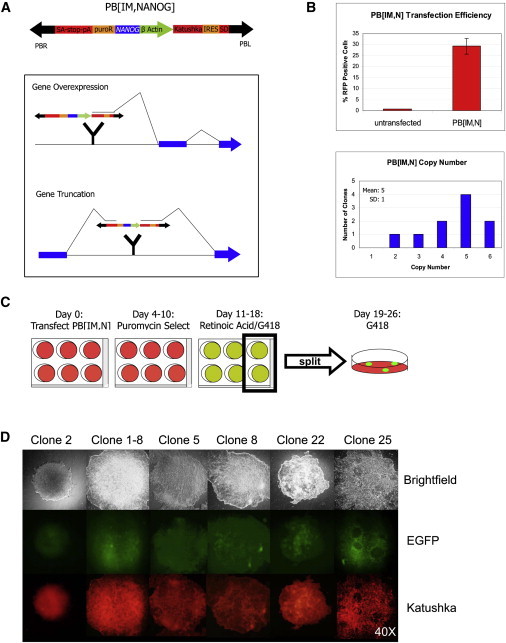
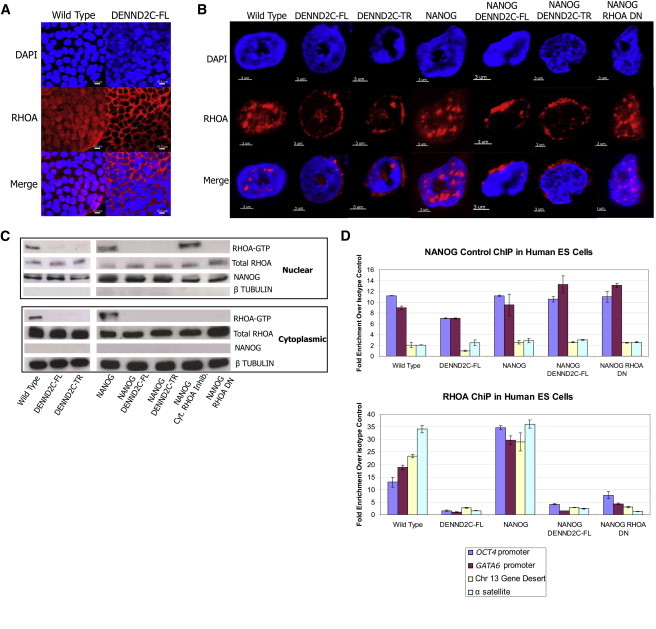
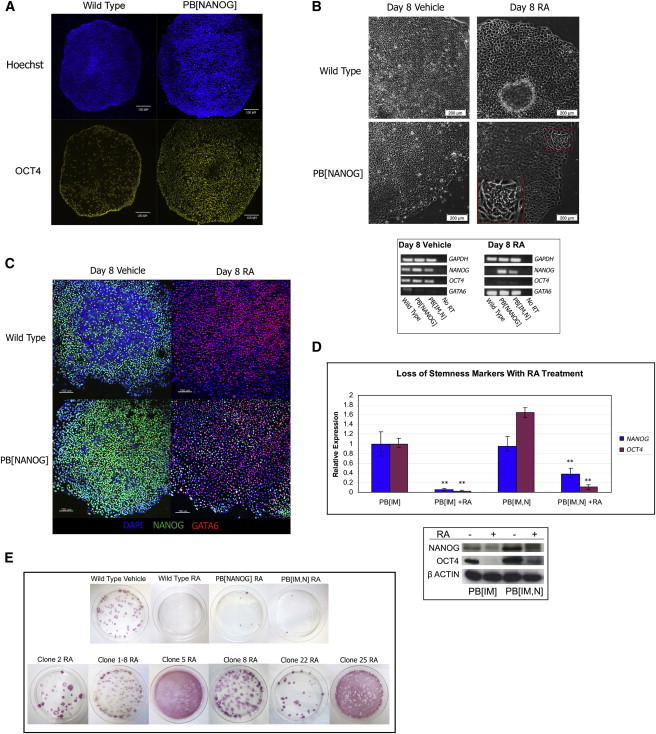
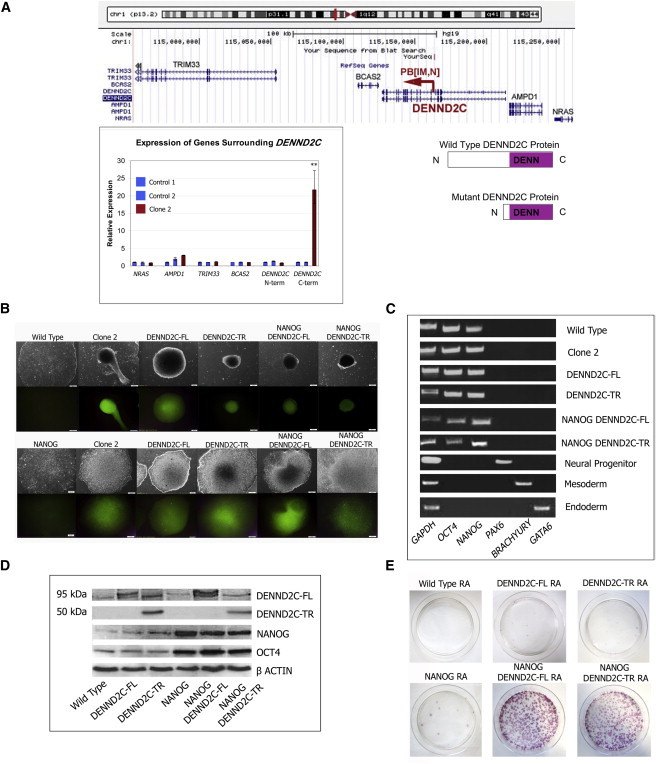
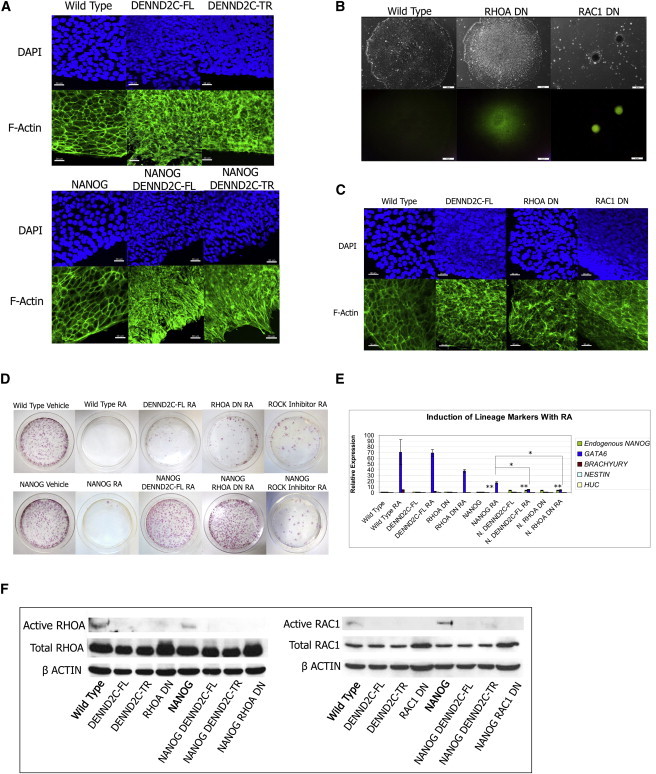
The mechanisms regulating human embryonic stem (ES) cell self-renewal and differentiation are not well defined in part due to the lack of tools for forward genetic analysis. We present a piggyBac transposon gain of function screen in human ES cells that identifies DENND2C, which genetically cooperates with NANOG to maintain self-renewal in the presence of retinoic acid. We show that DENND2C negatively regulates RHOA activity, which cooperates with NANOG to block differentiation. It has been recently shown that RHOA exists in the nucleus and is activated by DNA damage; however, its nuclear function remains unknown. We discovered that RHOA associates with DNA and that DENND2C affects nuclear RHOA localization, activity, and DNA association. Our study illustrates the power of piggyBac as a cost-effective, efficient, and easy to use tool for forward genetic screens in human ES cells and provides insight into the role of RHOA in the nucleus.
调控人类胚胎干细胞(ES 细胞)自我更新和分化的机制尚未完全明确,部分原因是缺乏正向遗传分析的工具。我们在人 ES 细胞中进行了 piggyBac 转座子获得性功能筛选,发现 DENND2C 与 NANOG 基因在视黄酸存在的情况下共同维持细胞自我更新。我们表明 DENND2C 负调控 RHOA 活性,与 NANOG 协同阻断分化。最近有研究表明,RHOA 存在于细胞核中,并被 DNA 损伤激活;但其核功能仍不清楚。我们发现 RHOA 与 DNA 结合,并且 DENND2C 影响核 RHOA 的定位、活性和 DNA 结合。我们的研究说明了 piggyBac 作为一种经济高效、易于使用的正向遗传筛选工具在人 ES 细胞中的应用潜力,并深入了解了 RHOA 在细胞核中的作用。