Schumann Gerald G, Fuchs Nina V, Tristán-Ramos Pablo, Sebe Attila, Ivics Zoltán, Heras Sara R
1Division of Medical Biotechnology, Paul-Ehrlich-Institut, Paul-Ehrlich-Str.51-59, 63225 Langen, Germany.
2Host-Pathogen Interactions, Paul-Ehrlich-Institut, Paul-Ehrlich-Str. 51-59, 63225 Langen, Germany.
Mob DNA. 2019 Mar 9;10:9. doi: 10.1186/s13100-019-0151-x. eCollection 2019.
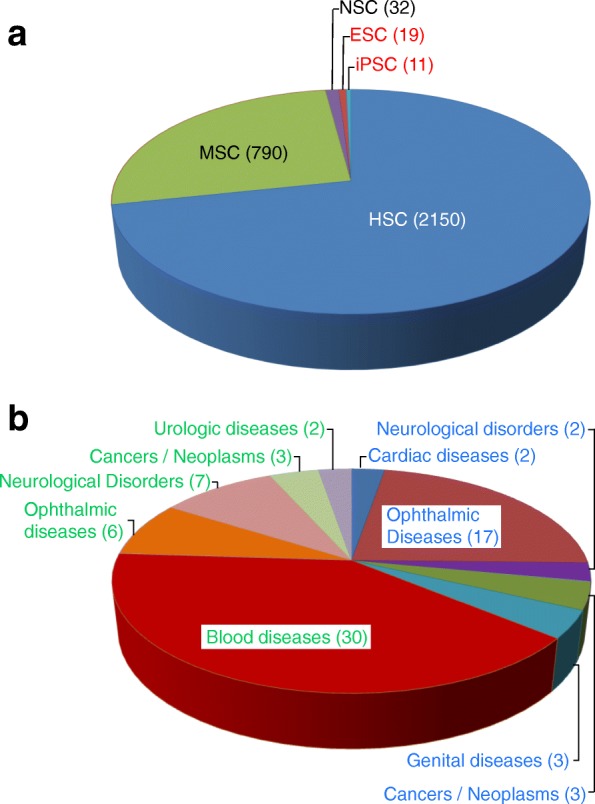
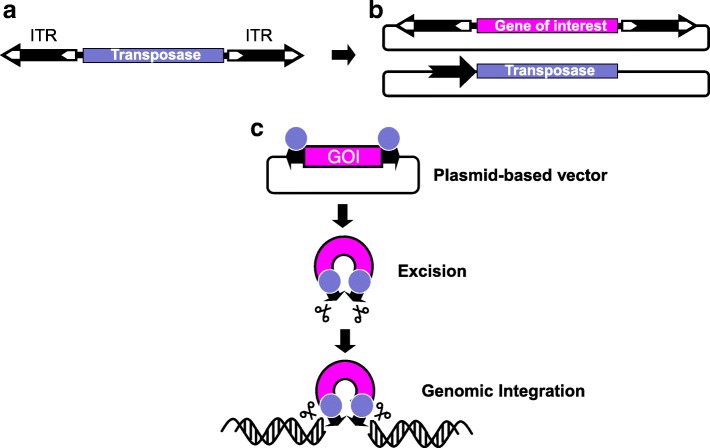
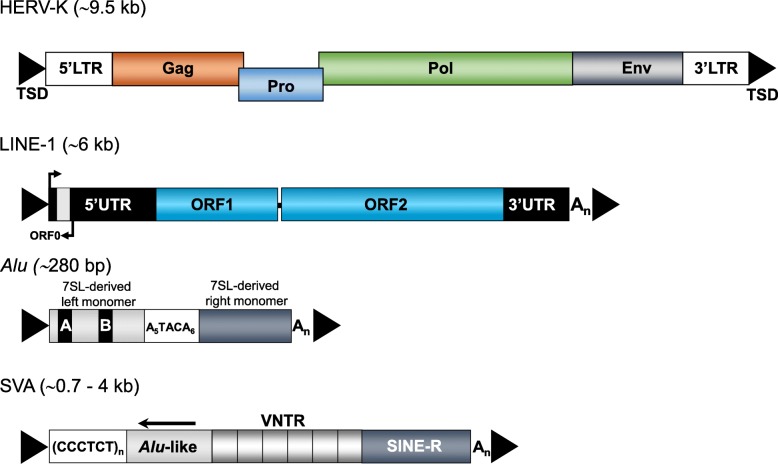
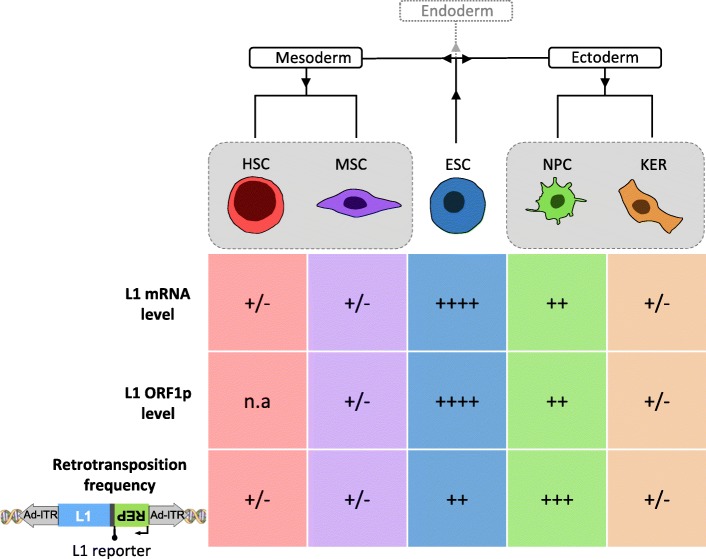
Human stem cells harbor significant potential for basic and clinical translational research as well as regenerative medicine. Currently ~ 3000 adult and ~ 30 pluripotent stem cell-based, interventional clinical trials are ongoing worldwide, and numbers are increasing continuously. Although stem cells are promising cell sources to treat a wide range of human diseases, there are also concerns regarding potential risks associated with their clinical use, including genomic instability and tumorigenesis concerns. Thus, a deeper understanding of the factors and molecular mechanisms contributing to stem cell genome stability are a prerequisite to harnessing their therapeutic potential for degenerative diseases. Chemical and physical factors are known to influence the stability of stem cell genomes, together with random mutations and Copy Number Variants (CNVs) that accumulated in cultured human stem cells. Here we review the activity of endogenous transposable elements (TEs) in human multipotent and pluripotent stem cells, and the consequences of their mobility for genomic integrity and host gene expression. We describe transcriptional and post-transcriptional mechanisms antagonizing the spread of TEs in the human genome, and highlight those that are more prevalent in multipotent and pluripotent stem cells. Notably, TEs do not only represent a source of mutations/CNVs in genomes, but are also often harnessed as tools to engineer the stem cell genome; thus, we also describe and discuss the most widely applied transposon-based tools and highlight the most relevant areas of their biomedical applications in stem cells. Taken together, this review will contribute to the assessment of the risk that endogenous TE activity and the application of genetically engineered TEs constitute for the biosafety of stem cells to be used for substitutive and regenerative cell therapies.
人类干细胞在基础和临床转化研究以及再生医学方面具有巨大潜力。目前,全球约有3000项基于成人干细胞和30项基于多能干细胞的干预性临床试验正在进行,且数量在持续增加。尽管干细胞是治疗多种人类疾病的有前景的细胞来源,但人们也担心其临床应用可能存在的风险,包括基因组不稳定性和肿瘤发生问题。因此,深入了解影响干细胞基因组稳定性的因素和分子机制,是发挥其治疗退行性疾病潜力的先决条件。已知化学和物理因素会影响干细胞基因组的稳定性,同时还有在培养的人类干细胞中积累的随机突变和拷贝数变异(CNV)。在这里,我们综述了人类多能干细胞和全能干细胞中内源性转座元件(TE)的活性,以及它们的移动性对基因组完整性和宿主基因表达的影响。我们描述了拮抗TE在人类基因组中扩散的转录和转录后机制,并强调了在多能干细胞和全能干细胞中更普遍的机制。值得注意的是,TE不仅是基因组中突变/CNV的来源,还经常被用作改造干细胞基因组的工具;因此,我们还描述和讨论了应用最广泛的基于转座子的工具,并突出了它们在干细胞生物医学应用中最相关的领域。综上所述,本综述将有助于评估内源性TE活性和基因工程TE的应用对用于替代和再生细胞治疗的干细胞生物安全性构成的风险。