He Qing, Gao Hua, Gao Meng, Qi Shengmei, Zhang Yingqi, Wang Junzhi
1. Biotechnology Center, Department of Pharmacy, Fourth Military Medical University, Xian, China; ; 2. National Institutes for Food and Drug Control, Beijing, China;
1. Biotechnology Center, Department of Pharmacy, Fourth Military Medical University, Xian, China;
J Cancer. 2015 Mar 8;6(5):448-56. doi: 10.7150/jca.11400. eCollection 2015.
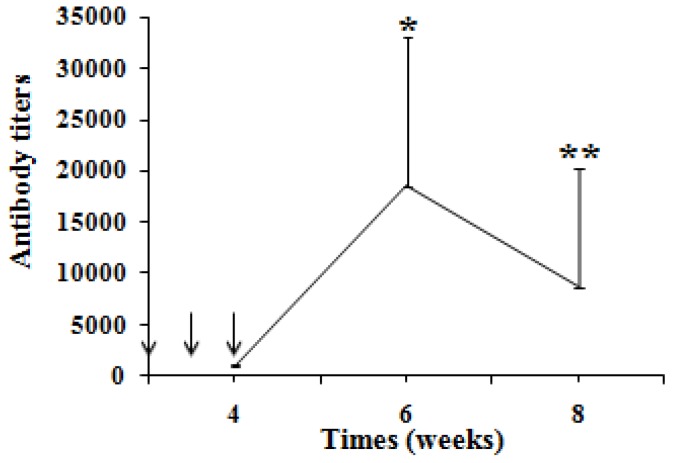
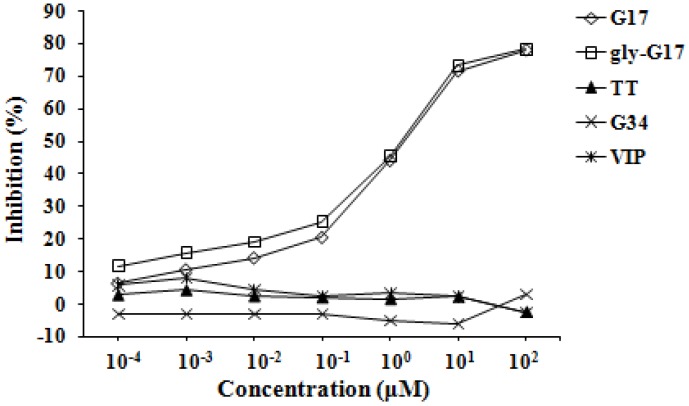
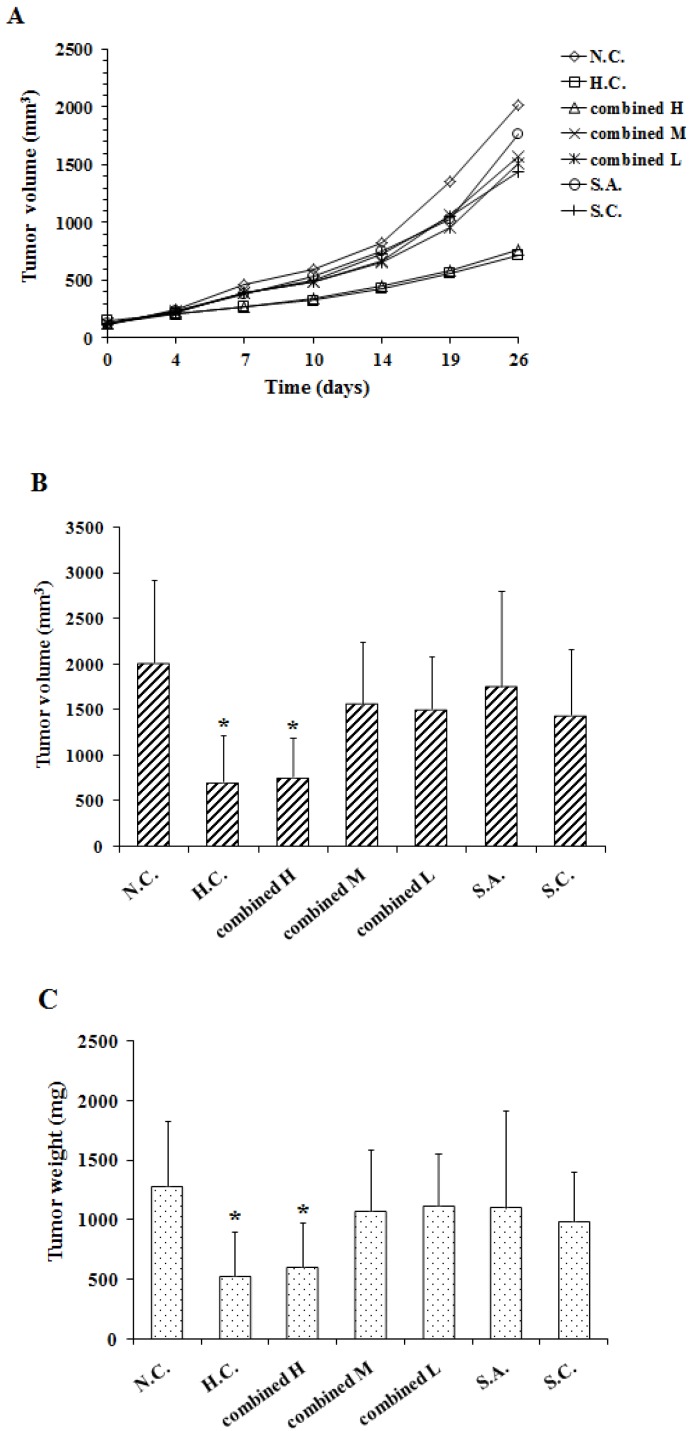
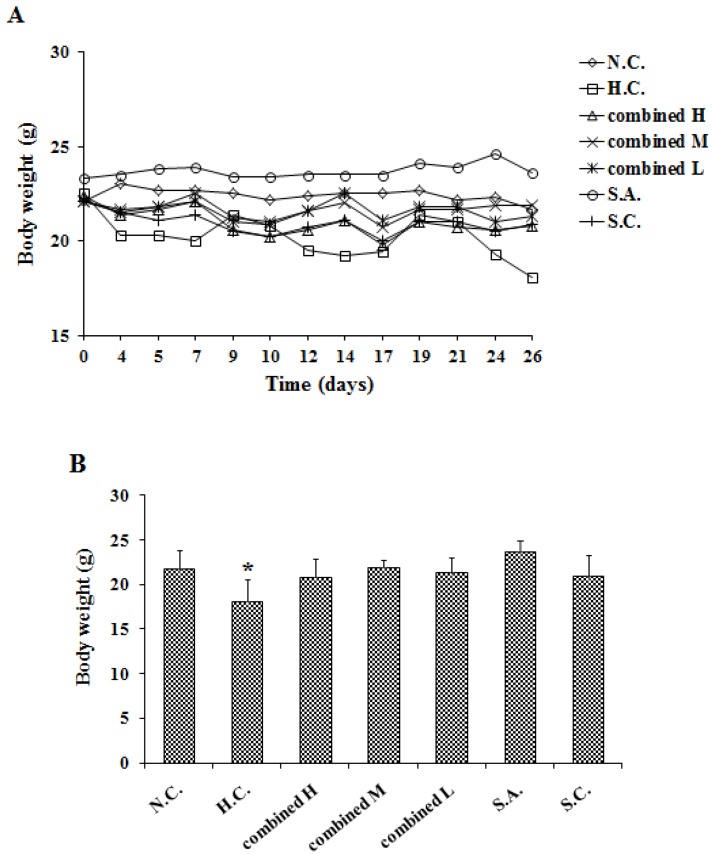
The objective of this study was to determine the effect of anti-gastrin antiserum in combination with varied dosages of cytotoxic drugs (5-Fluorouracil (5FU) + Cisplatin (CDDP)) in vivo growth of the human gastric cancer cell-line, SGC-7901, which expressed cholecystokininB/gastrin receptors and secreted gastrin. The anti-gastrin antiserum was obtained by immunizing rabbits using a novel immunogen vaccine, which was composed of the common amino-terminal portion of human carboxy-amidated gastrin-17 (G17) and glycine-extended gastrin-17 (gly-G17) and the common carboxy-terminal portion of progastrin (in a 50:50 mixture) all covalently linked to tetanus toxoid (TT) by specific peptide spacers. The antiserum neutralized both G17 and gly-G17 by enzyme-linked immunosorbent assay (ELISA), and a synthetic progastrin peptide, as well, using an E. coli expressed his-tagged progastrin. The tumor was implanted subcutaneously into the backside of BALB/c nude mice, and the combination antibody-drug treatment using low dose combination chemotherapy had significantly reduced median tumor volumes (62% reduction; p =0.0018) and tumor weights (53% reduction; p =0.0062) when compared to the conventional high dose chemotherapy treated control mice that had a corresponding similar reductive effect, using just the two standard cytotoxic drugs alone; namely by reducing the tumor volumes (65%; p =0.0016) and tumor weights (59% reduction; p=0.0033). Importantly, the immunological treatment had little of the toxicities and side-effects of the full chemotherapy doses alone, which was effected by using a significant decrease in the dosage of chemotherapeutic drugs, while maintaining the same level of efficacy at reduction of tumor growth.
本研究的目的是确定抗胃泌素抗血清与不同剂量的细胞毒性药物(5-氟尿嘧啶(5FU)+顺铂(CDDP))联合使用对表达胆囊收缩素B/胃泌素受体并分泌胃泌素的人胃癌细胞系SGC-7901体内生长的影响。抗胃泌素抗血清是通过用一种新型免疫原疫苗免疫兔子获得的,该疫苗由人羧基酰胺化胃泌素-17(G17)和甘氨酸延伸胃泌素-17(gly-G17)的共同氨基末端部分以及胃泌素原的共同羧基末端部分(50:50混合物)组成,所有这些都通过特定的肽间隔物与破伤风类毒素(TT)共价连接。通过酶联免疫吸附测定(ELISA),该抗血清中和了G17和gly-G17,并且使用大肠杆菌表达的组氨酸标签胃泌素原也中和了一种合成胃泌素原肽。将肿瘤皮下植入BALB/c裸鼠的背部,与仅使用两种标准细胞毒性药物的传统高剂量化疗治疗的对照小鼠相比,使用低剂量联合化疗的联合抗体-药物治疗显著降低了中位肿瘤体积(减少62%;p = 0.0018)和肿瘤重量(减少53%;p = 0.0062),传统高剂量化疗治疗的对照小鼠也有相应的类似减少效果;即减少肿瘤体积(65%;p = 0.0016)和肿瘤重量(减少59%;p = 0.0033)。重要的是,免疫治疗几乎没有单独使用全化疗剂量时的毒性和副作用,这是通过显著降低化疗药物剂量实现的,同时在降低肿瘤生长方面保持相同的疗效水平。