Li Linyi, Yoshitomi Hisae, Wei Ying, Qin Lingling, Zhou Jingxin, Xu Tunhai, Wu Xinli, Zhou Tian, Sun Wen, Guo Xiangyu, Wu Lili, Wang Haiyan, Zhang Yan, Li Chunna, Liu Tonghua, Gao Ming
Health-cultivation Laboratory of the Ministry of Education, Beijing University of Chinese Medicine, Beijing, China.
School of Pharmaceutical Sciences, Mukogawa Women's University, Hyogo, Japan.
PLoS One. 2015 Apr 13;10(4):e0122024. doi: 10.1371/journal.pone.0122024. eCollection 2015.
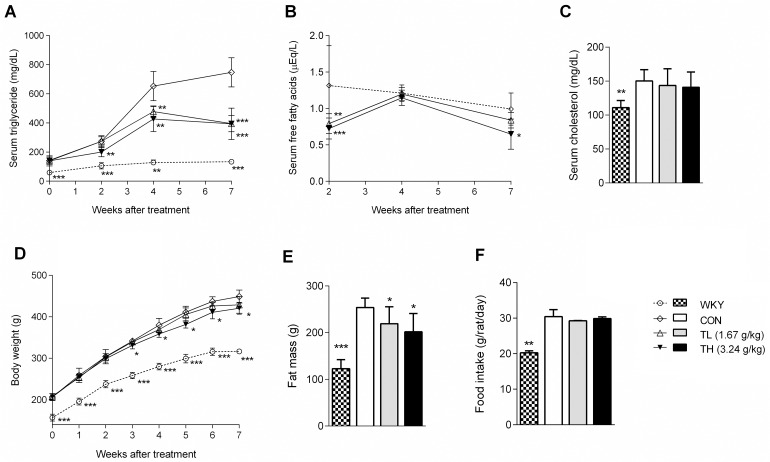
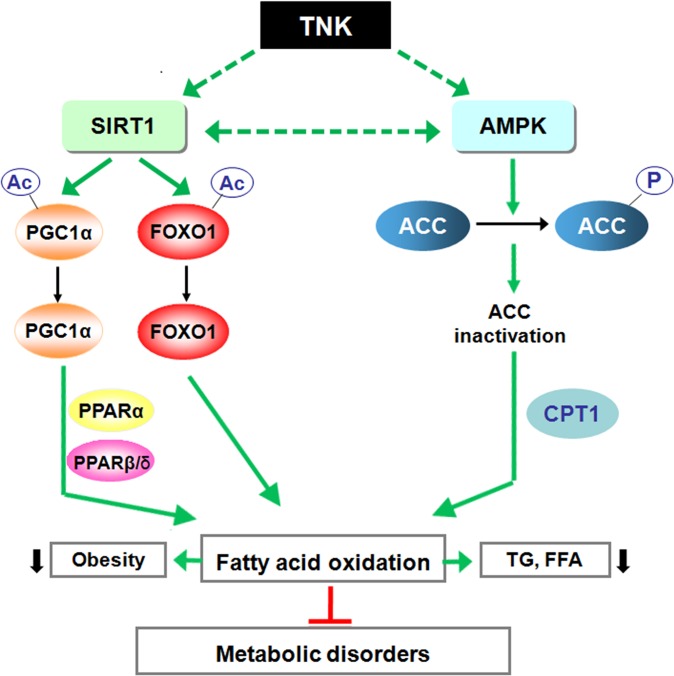
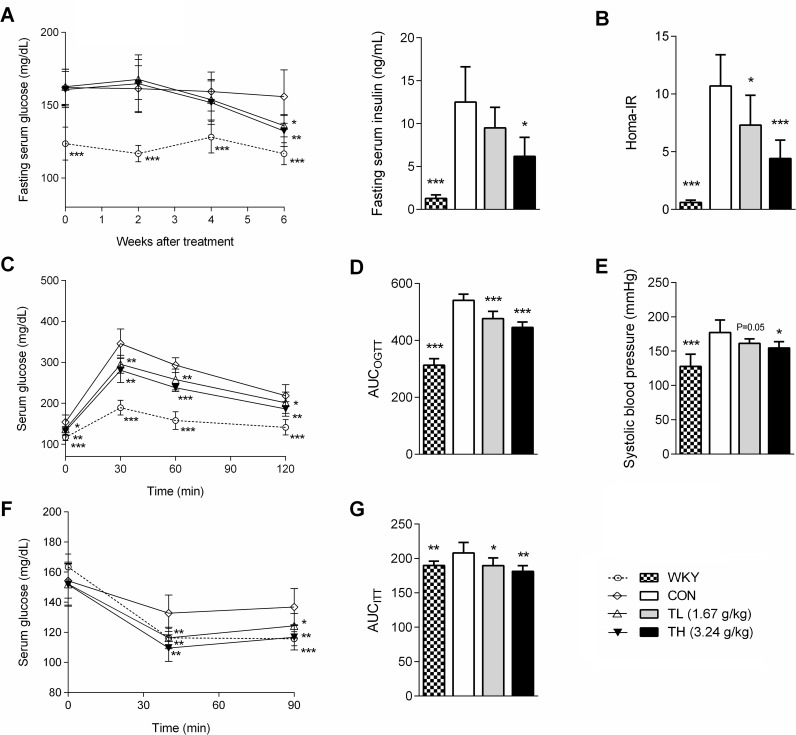
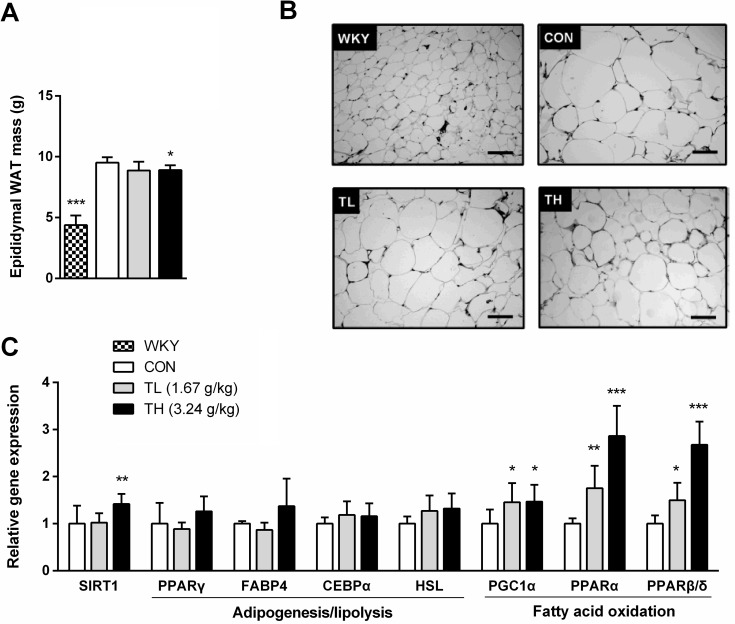
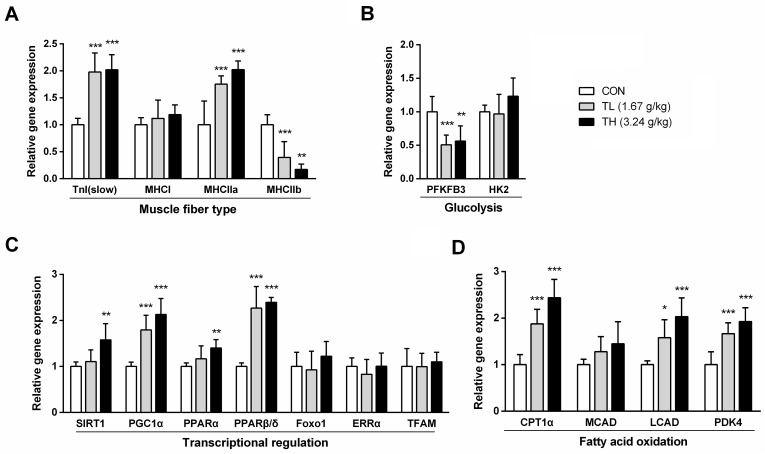
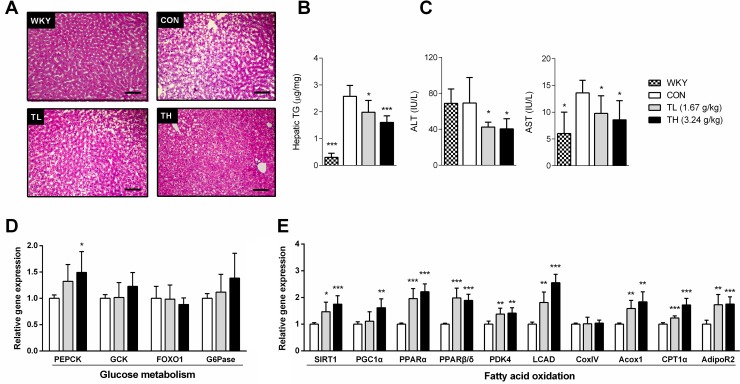
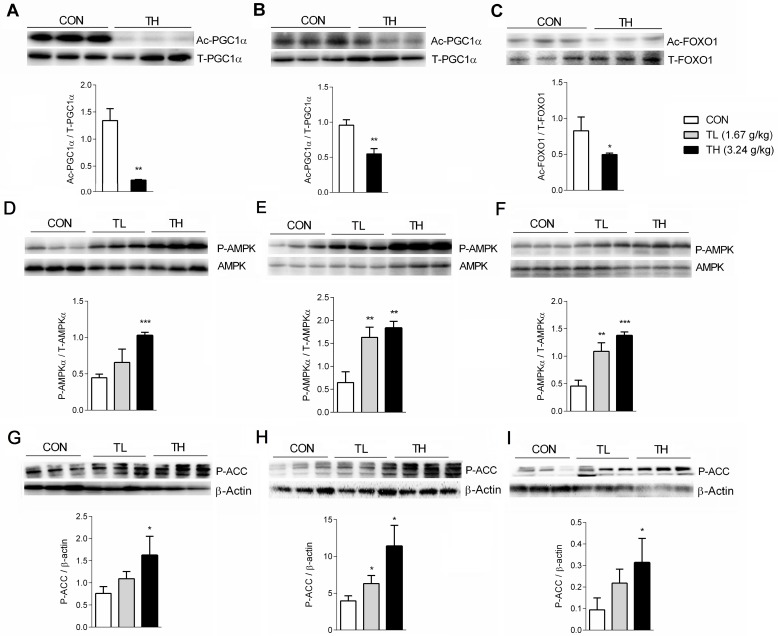
Increased energy intake and reduced physical activity can lead to obesity, diabetes and metabolic syndrome. Transcriptional modulation of metabolic networks has become a focus of current drug discovery research into the prevention and treatment of metabolic disorders associated with energy surplus and obesity. Tang-Nai-Kang (TNK), a mixture of five herbal plant extracts, has been shown to improve abnormal glucose metabolism in patients with pre-diabetes. Here, we report the metabolic phenotype of SHR.Cg-Leprcp/NDmcr (SHR/cp) rats treated with TNK. Pre-diabetic SHR/cp rats were randomly divided into control, TNK low-dose (1.67 g/kg) and TNK high-dose (3.24 g/kg) groups. After high-dose treatment for 2 weeks, the serum triglycerides and free fatty acids in SHR/cp rats were markedly reduced compared to controls. After 3 weeks of administration, the high dose of TNK significantly reduced the body weight and fat mass of SHR/cp rats without affecting food consumption. Serum fasting glucose and insulin levels in the TNK-treated groups decreased after 6 weeks of treatment. Furthermore, TNK-treated rats exhibited obvious improvements in glucose intolerance and insulin resistance. The improved glucose metabolism may be caused by the substantial reduction in serum lipids and body weight observed in SHR/cp rats starting at 3 weeks of TNK treatment. The mRNA expression of NAD+-dependent deacetylase sirtuin 1 (SIRT1) and genes related to fatty acid oxidation was markedly up-regulated in the muscle, liver and adipose tissue after TNK treatment. Furthermore, TNK promoted the deacetylation of two well-established SIRT1 targets, PPARγ coactivator 1α (PGC1α) and forkhead transcription factor 1 (FOXO1), and induced the phosphorylation of AMP-activated protein kinase (AMPK) and acetyl-CoA carboxylase (ACC) in different tissues. These observations suggested that TNK may be an alternative treatment for pre-diabetes and metabolic syndrome by inducing a gene expression switch toward fat oxidation through the activation of SIRT1 and AMPK signaling.
能量摄入增加和身体活动减少会导致肥胖、糖尿病和代谢综合征。代谢网络的转录调控已成为当前药物研发研究的重点,旨在预防和治疗与能量过剩及肥胖相关的代谢紊乱。糖奈康(TNK)是五种草药植物提取物的混合物,已被证明可改善糖尿病前期患者的异常糖代谢。在此,我们报告了用TNK治疗的SHR.Cg-Leprcp/NDmcr(SHR/cp)大鼠的代谢表型。糖尿病前期的SHR/cp大鼠被随机分为对照组、TNK低剂量(1.67 g/kg)组和TNK高剂量(3.24 g/kg)组。高剂量治疗2周后,与对照组相比,SHR/cp大鼠的血清甘油三酯和游离脂肪酸明显降低。给药3周后,高剂量的TNK显著降低了SHR/cp大鼠的体重和脂肪量,且不影响食物摄入量。治疗6周后,TNK治疗组的血清空腹血糖和胰岛素水平降低。此外,TNK治疗的大鼠在葡萄糖耐量和胰岛素抵抗方面有明显改善。糖代谢的改善可能是由于从TNK治疗3周开始,SHR/cp大鼠的血清脂质和体重大幅降低所致。TNK治疗后,肌肉、肝脏和脂肪组织中NAD+依赖性脱乙酰酶沉默调节蛋白1(SIRT1)和与脂肪酸氧化相关基因的mRNA表达明显上调。此外,TNK促进了两个公认的SIRT1靶点过氧化物酶体增殖物激活受体γ共激活因子1α(PGC1α)和叉头转录因子1(FOXO1)的去乙酰化,并在不同组织中诱导了AMP激活蛋白激酶(AMPK)和乙酰辅酶A羧化酶(ACC)的磷酸化。这些观察结果表明,TNK可能是糖尿病前期和代谢综合征的一种替代治疗方法,它通过激活SIRT1和AMPK信号通路诱导基因表达向脂肪氧化转变。