Wang Liang, Zhang Yang, Asakawa Tetsuya, Li Wei, Han Sha, Li Qinying, Xiao Baoguo, Namba Hiroki, Lu Chuanzhen, Dong Qiang
Department of Neurology, Huashan Hospital, Fudan University, Shanghai, China; Institute of Neurology, Huashan Hospital, Fudan University, Shanghai, China.
Department of Neurology, Huashan Hospital, Fudan University, Shanghai, China; Department of Neurology, Drum Tower Hospital, Nanjing University School of Medicine, Nanjing, China.
PLoS One. 2015 Apr 13;10(4):e0123932. doi: 10.1371/journal.pone.0123932. eCollection 2015.
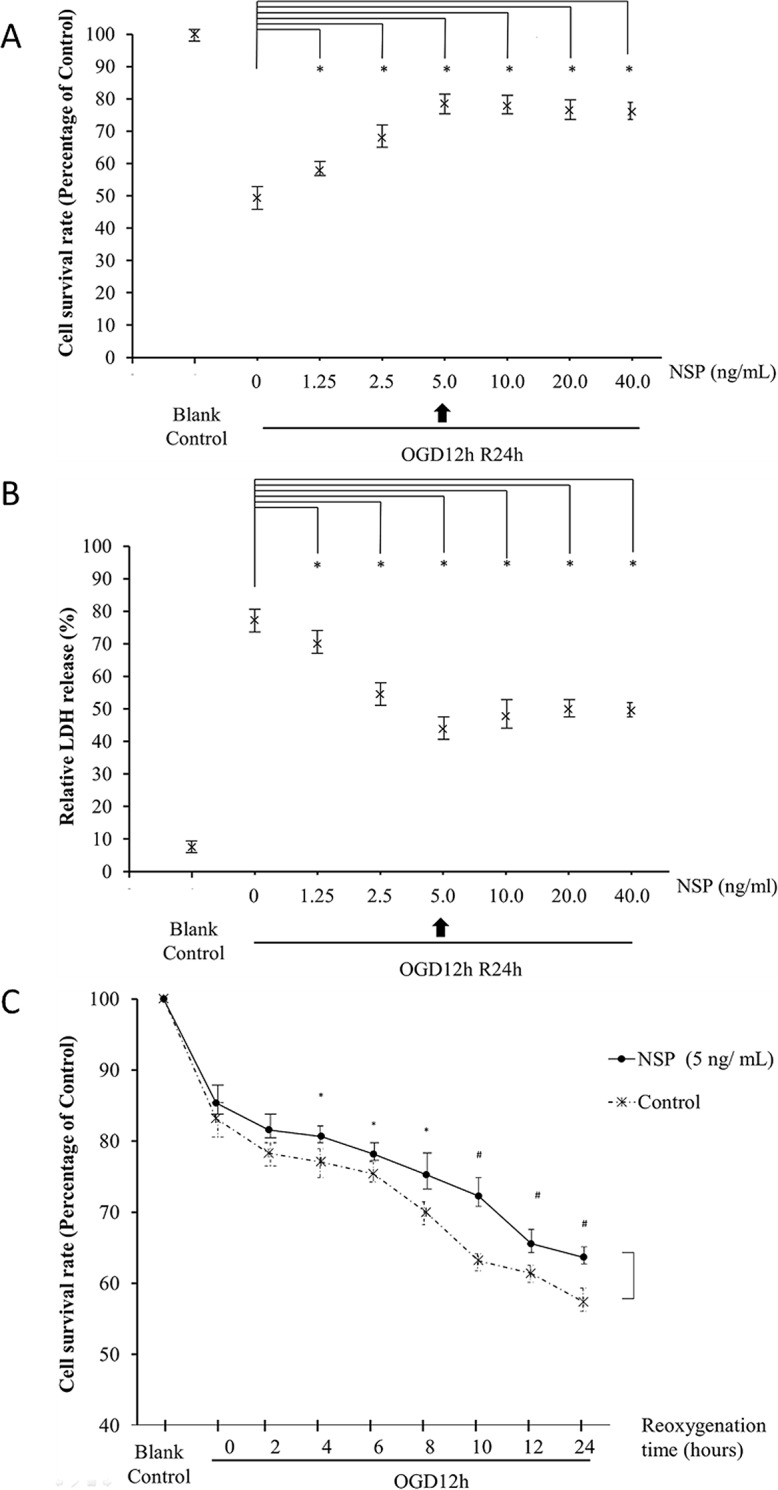
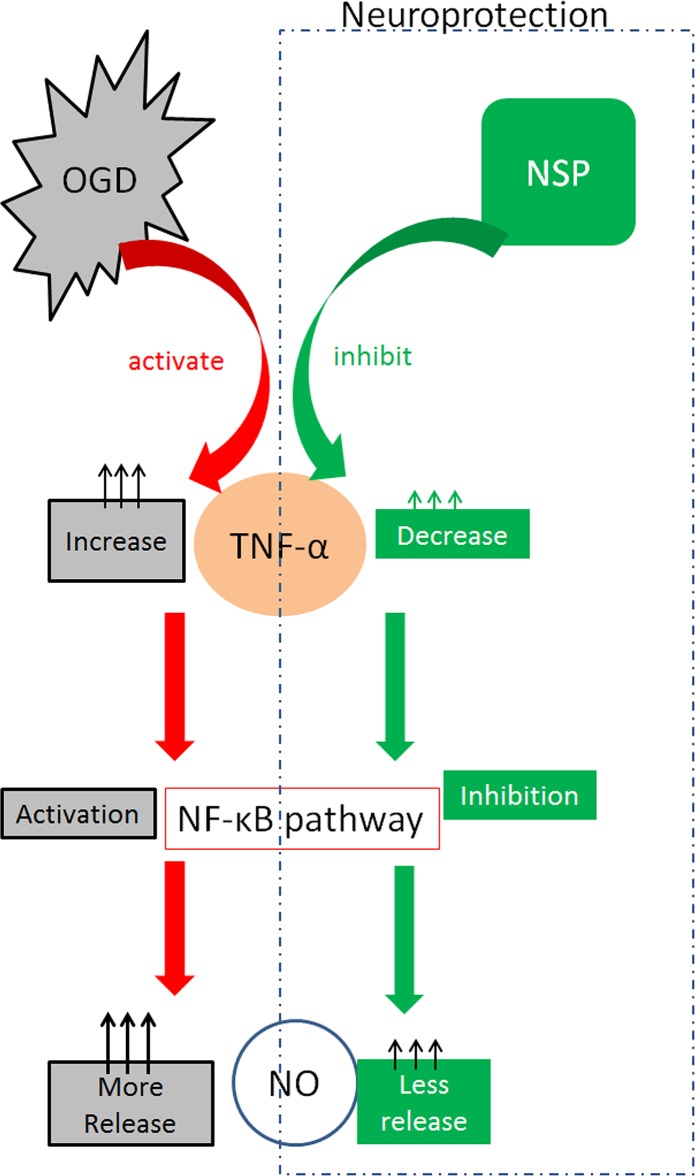
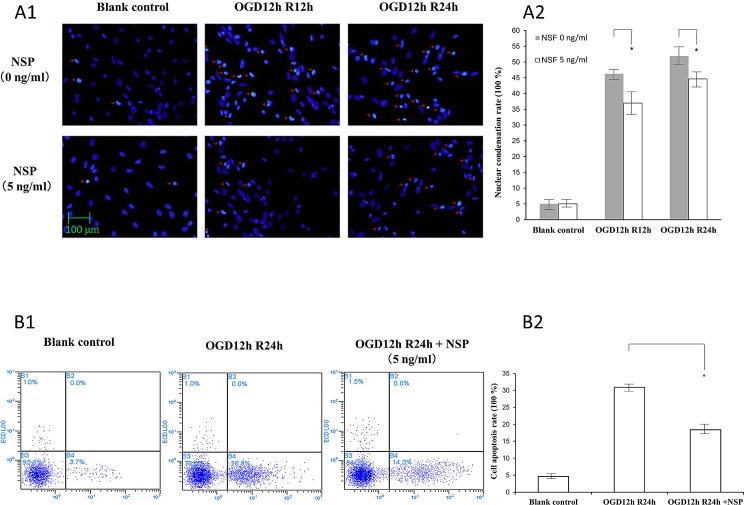
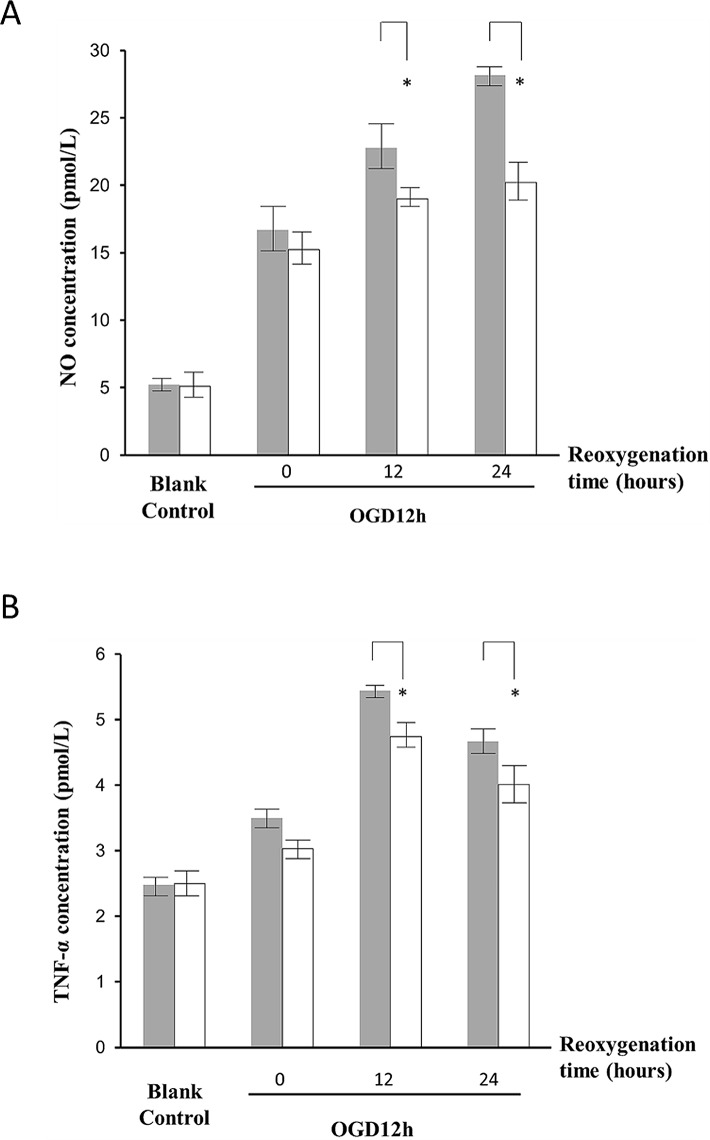
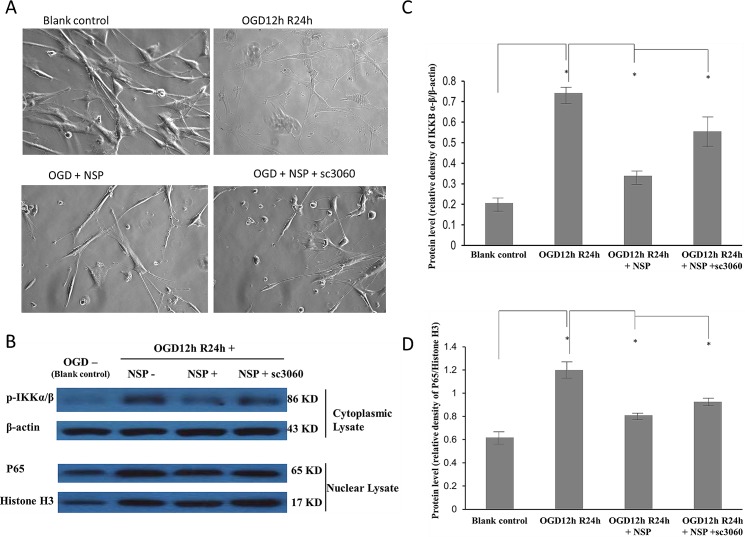
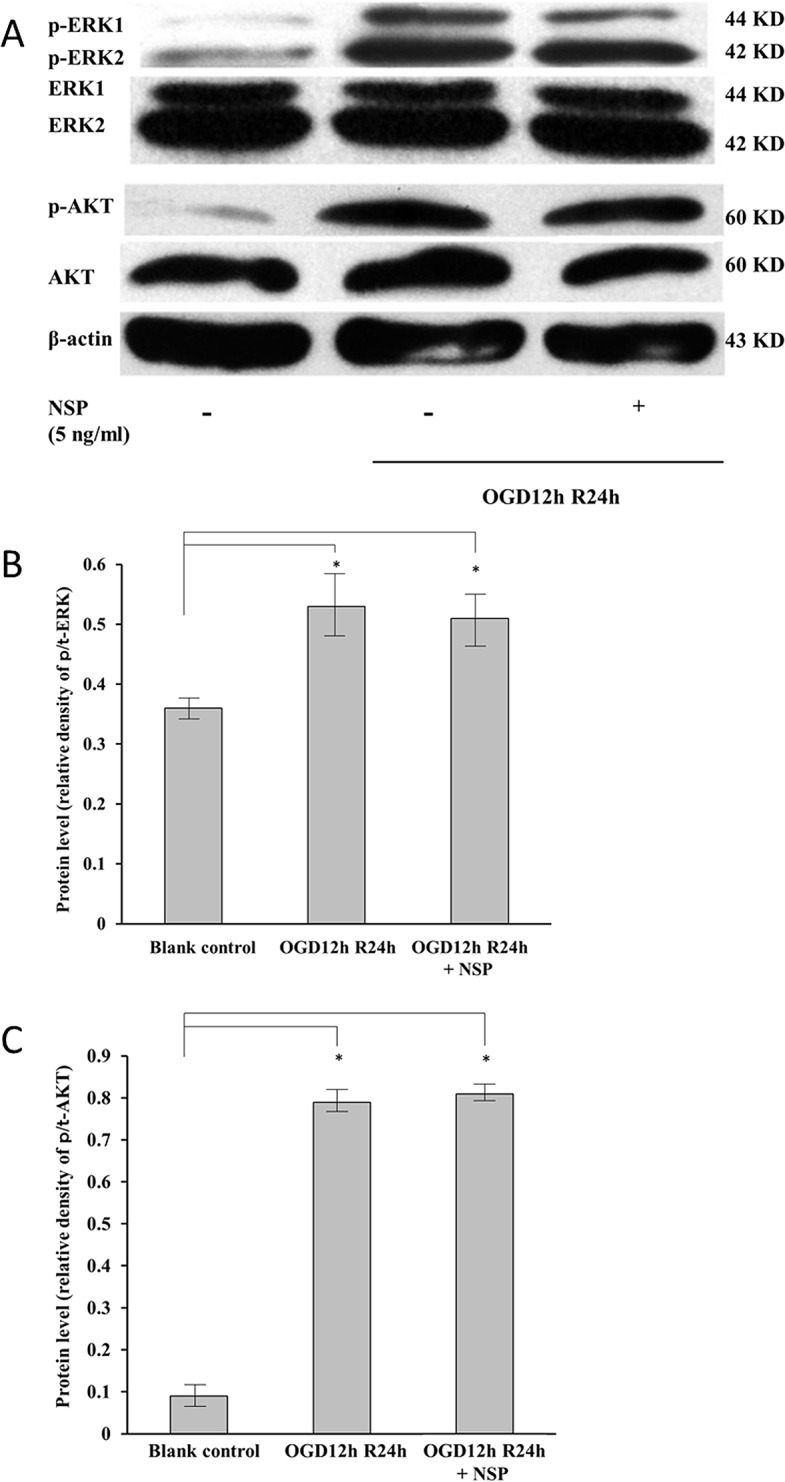
Neuroserpin (NSP) reportedly exerts neuroprotective effects in cerebral ischemic animal models and patients; however, the mechanism of protection is poorly understood. We thus attempted to confirm neuroprotective effects of NSP on astrocytes in the ischemic state and then explored the relative mechanisms. Astrocytes from neonatal rats were treated with oxygen-glucose deprivation (OGD) followed by reoxygenation (OGD/R). To confirm the neuroprotective effects of NSP, we measured the cell survival rate, relative lactate dehydrogenase (LDH) release; we also performed morphological methods, namely Hoechst 33342 staining and Annexin V assay. To explore the potential mechanisms of NSP, the release of nitric oxide (NO) and TNF-α related to NSP administration were measured by enzyme-linked immunosorbent assay. The proteins related to the NF-κB, ERK1/2, and PI3K/Akt pathways were investigated by Western blotting. To verify the cause-and-effect relationship between neuroprotection and the NF-κB pathway, a NF-κB pathway inhibitor sc3060 was employed to observe the effects of NSP-induced neuroprotection. We found that NSP significantly increased the cell survival rate and reduced LDH release in OGD/R-treated astrocytes. It also reduced NO/TNF-α release. Western blotting showed that the protein levels of p-IKKBα/β and P65 were upregulated by the OGD/R treatment and such effects were significantly inhibited by NSP administration. The NSP-induced inhibition could be significantly reversed by administration of the NF-κB pathway inhibitor sc3060, whereas, expressions of p-ERK1, p-ERK2, and p-AKT were upregulated by the OGD/R treatment; however, their levels were unchanged by NSP administration. Our results thus verified the neuroprotective effects of NSP in ischemic astrocytes. The potential mechanisms include inhibition of the release of NO/TNF-α and repression of the NF-κB signaling pathways. Our data also indicated that NSP has little influence on the MAPK and PI3K/Akt pathways.
据报道,神经丝氨酸蛋白酶抑制剂(NSP)在脑缺血动物模型和患者中发挥神经保护作用;然而,其保护机制尚不清楚。因此,我们试图证实NSP对缺血状态下星形胶质细胞的神经保护作用,并探索相关机制。将新生大鼠的星形胶质细胞进行氧糖剥夺(OGD)处理,然后再进行复氧(OGD/R)处理。为了证实NSP的神经保护作用,我们测量了细胞存活率、相对乳酸脱氢酶(LDH)释放量;我们还采用了形态学方法,即Hoechst 33342染色和膜联蛋白V检测。为了探索NSP的潜在机制,通过酶联免疫吸附测定法测量与NSP给药相关的一氧化氮(NO)和肿瘤坏死因子-α(TNF-α)的释放量。通过蛋白质印迹法研究与NF-κB、ERK1/2和PI3K/Akt信号通路相关的蛋白质。为了验证神经保护作用与NF-κB信号通路之间的因果关系,使用NF-κB信号通路抑制剂sc3060来观察NSP诱导的神经保护作用。我们发现,NSP显著提高了OGD/R处理的星形胶质细胞的细胞存活率,并减少了LDH释放。它还减少了NO/TNF-α的释放。蛋白质印迹法显示,OGD/R处理上调了p-IKKBα/β和P65的蛋白质水平,而NSP给药显著抑制了这种作用。NF-κB信号通路抑制剂sc3060给药可显著逆转NSP诱导的抑制作用,而OGD/R处理上调了p-ERK1、p-ERK2和p-AKT的表达;然而,NSP给药后它们的水平没有变化。因此,我们的结果证实了NSP对缺血星形胶质细胞的神经保护作用。其潜在机制包括抑制NO/TNF-α的释放和抑制NF-κB信号通路。我们的数据还表明,NSP对MAPK和PI3K/Akt信号通路影响很小。